Kathmandu Valley Public Library Locked for 104 Days Amidst Rent Dispute

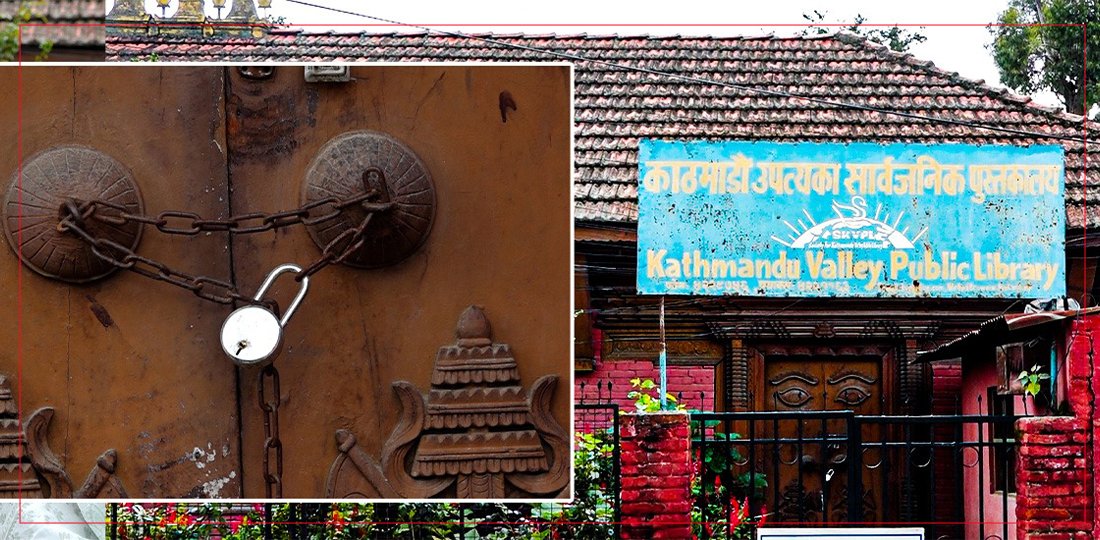
Kathmandu. Tall grass has grown at the entrance of the library, and bushes have sprouted. Newspapers are scattered haphazardly from the outside. A lock hangs on the gate. Looking inside, the time on a large, abandoned wall clock is 'stuck' at a standstill on the floor.
This scene is from the Kathmandu Valley Public Library located at Bhrikutimandap, Kathmandu. It has been 104 days since the doors of both library buildings here were locked. The Social Welfare Council had locked the premises on Chaitra 30, 2082 BS.
Library manager Leela Bhattarai states that over 50,000 valuable books are collected in the Kathmandu Valley Public Library. 'It's time for termites to eat the books and mice to chew them,' he says, 'We want to protect the books, we want to open the lock, but we are powerless against the state's arrogance.' The books here were donated by various individuals, organizations, and the British Council. These books are on the verge of destruction due to the state's negligence.
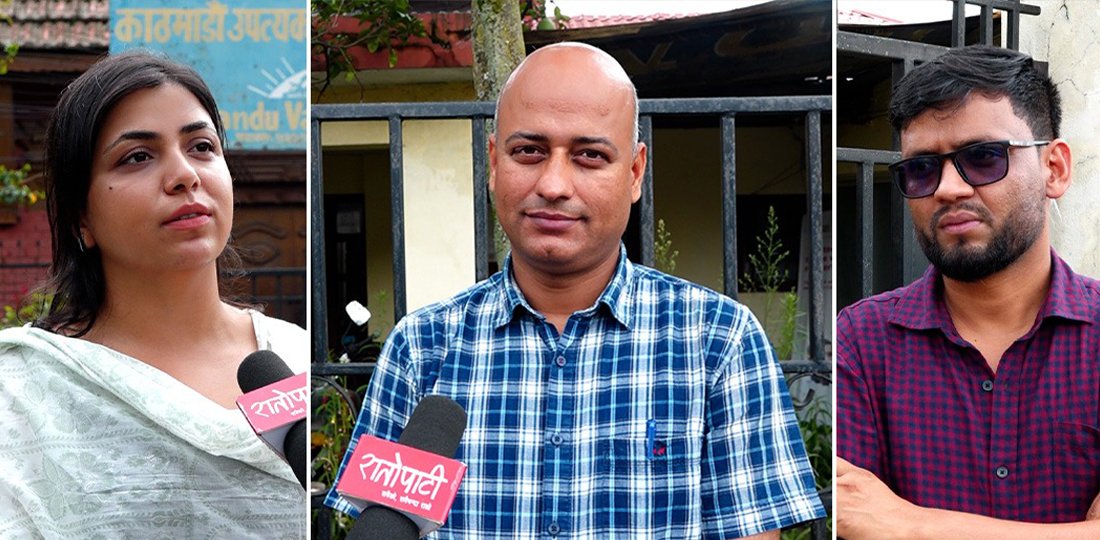
Previously, the library used to see about 394 readers daily, but now it appears deserted and desolate. Author and editor Bimal Acharya calls the closure of the library 'intellectual genocide'. 'Many people, from Finance Minister Dr. Swarnim Wagle to many others, are life members of this library,' Acharya says, 'Their own books are being eaten by termites here, but no one seems to care.' He states that a false narrative is being spread that the library owes 30 million rupees in rent to the Social Welfare Council. Acharya laments that the library had an agreement and commitment to pay rent, but the state declared it a criminal and locked it.
Acharya is also dissatisfied with the media's role in the matter of this library. 'When museums burn abroad, the media reports for a week, but why don't they want to write news when the library has been closed for 104 days at Bhrikutimandap? Is Bhrikutimandap a remote place like Bajura or Salyan?' Acharya questions.
According to Smriti Baral, this library was not just a building but a place to read for readers like her. Smriti, originally from Pokhara, made the library her second home after coming to Kathmandu for work. The environment, books, and quiet place here always drew her. 'I used to come here to read occasionally. It's very sad to see the library closed today,' Smriti says, 'A library is a temple where people come to gain knowledge. It is very unfortunate that the state has locked such a place.'
In Smriti's understanding, closing a public library means closing the door to knowledge. 'There are many books here that were very important for readers like us,' she said, 'Now those books are becoming food for termites in a closed room. Why doesn't the state understand this?'
According to journalist Shivkumar Bhattarai, a library is not a luxury, it is the 'university of the poor'. 'What would happen if Bir Hospital was closed for 104 days?' he says, 'Closing a public library is also a crime. The state has locked the future of young people studying for public service.'
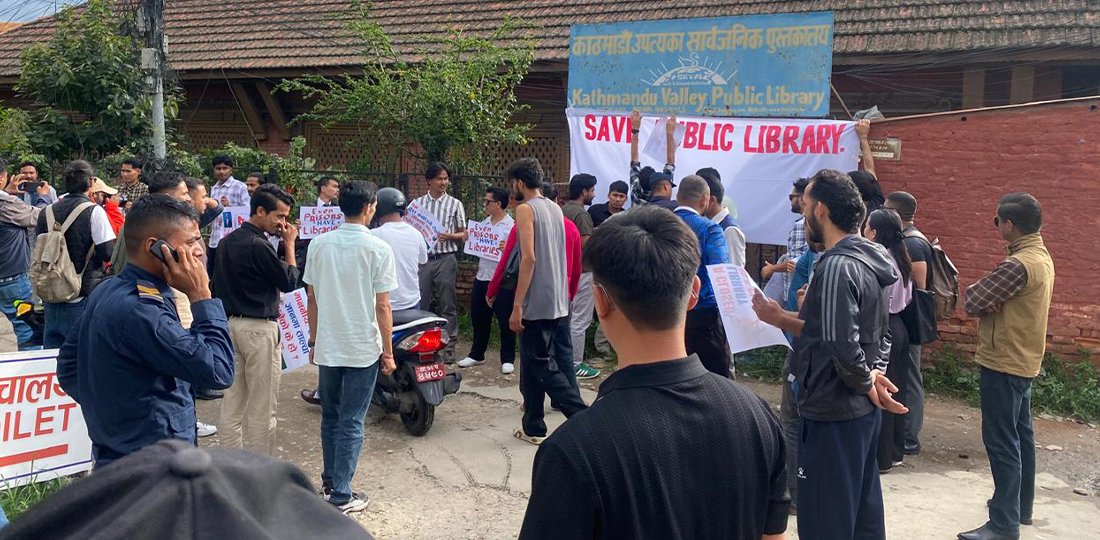
According to library manager Leela Bhattarai, the condition of books worth lakhs and crores of rupees has become dire. After the library closed, problems like termites eating books, mice damaging them, and pages sticking together due to dampness have increased. 'It is our duty to protect the library's assets, but we are not even allowed to enter,' he laments. Due to the absence of the library's books, its environment, and readers, Bhattarai finds this place at Bhrikutimandap very deserted and desolate now.
What is the rent dispute?
There was an agreement between the Social Welfare Council and the library to pay 150,000 rupees annually. Accordingly, the library had been paying rent regularly until the fiscal year 081/082 BS. The Council had not made any new agreement since 2066 BS. In Chaitra 2082 BS, the Council demanded a payment of 28.5 million rupees at once without any agreement. 'Rent from 2061 to Chaitra 2082 BS and the amount including an annual 25% fine was demanded,' says library manager Bhattarai, 'Rent was demanded at 100% at once, and discrepancies were also shown.'
Bhattarai states that the library is operated for public service, not for commercial profit. He complains that the state views the library as a means to collect rent, like a liquor store. He clarifies that the noble objective was to impart knowledge to the public at a low cost. He said that the closure of the library has not only affected the physical structure but also the reading culture and years of hard work. He states that the library was established to develop an accessible reading culture in the country.
According to Bhattarai, they have repeatedly appealed to the concerned bodies and ministers to open the library. However, he laments that there has been no positive response from anywhere. 'We tried to contact Education Minister Sushmit Pokharel and other influential personalities. Some did not even pick up the phone, while some only gave assurances,' Bhattarai said.
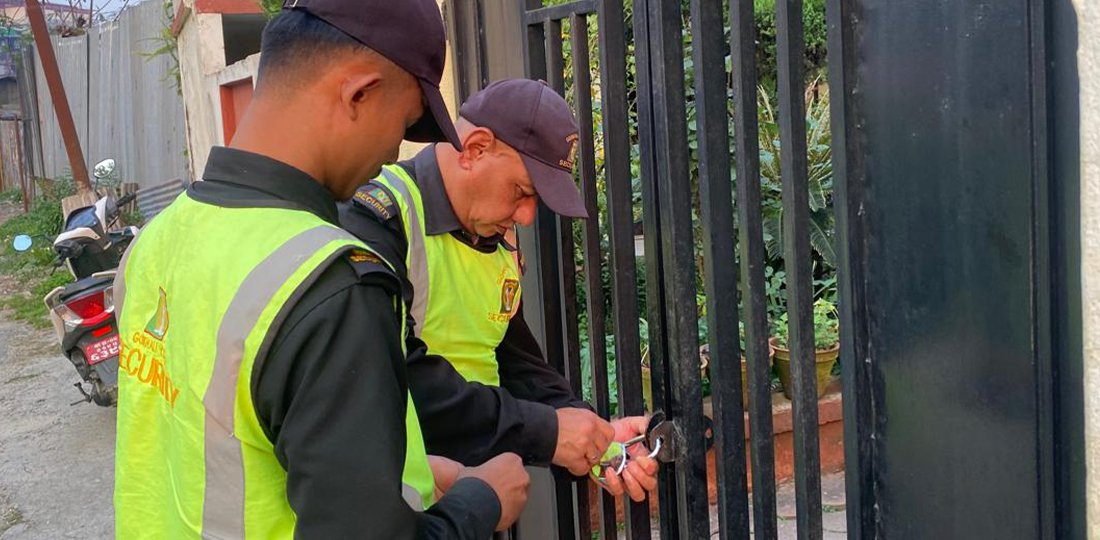
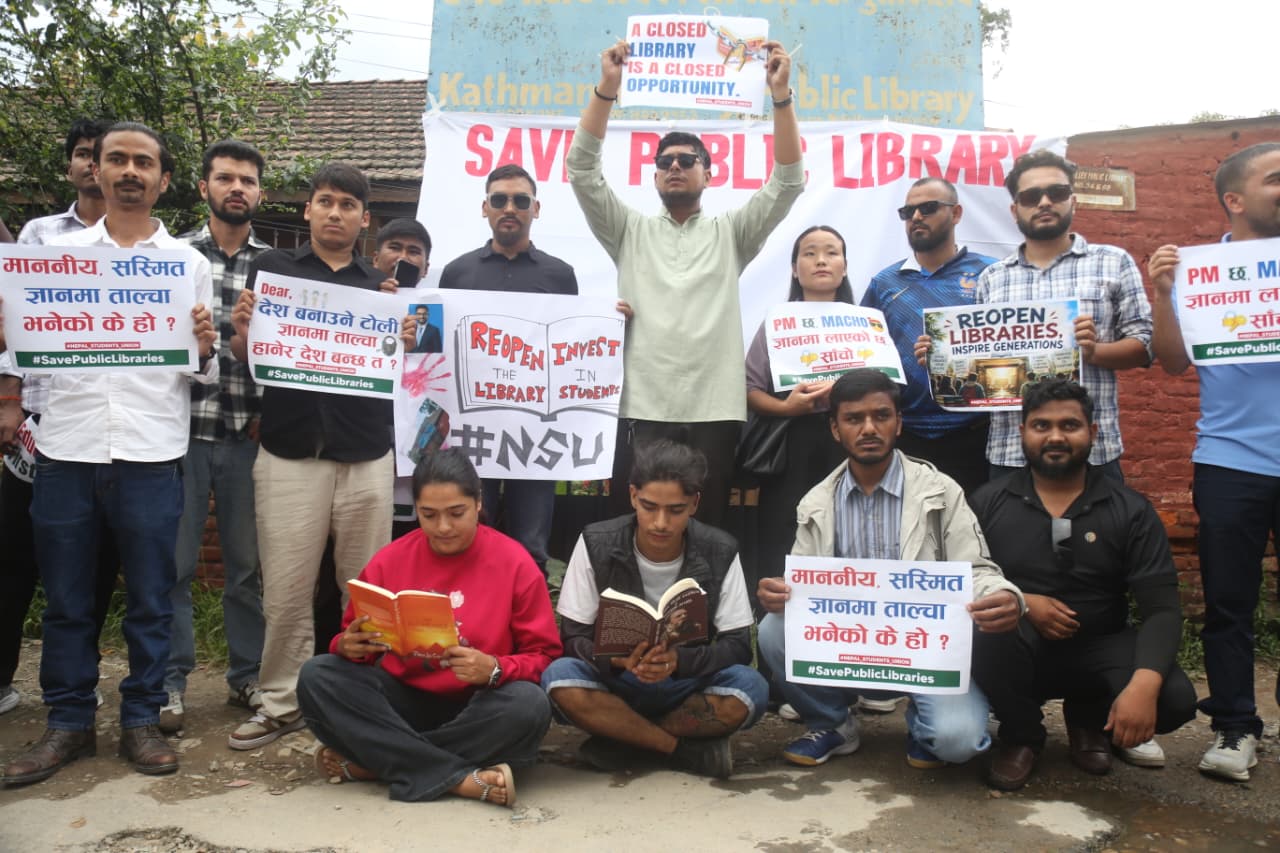
The closure of the library for 104 days has tired Bhattarai and his team. He stated that this library is not the property of one person but of the entire nation. They are still hopeful and urge the government to reconsider its decision. 'Let the state protect the books safely; this is not our personal property,' says manager Bhattarai, 'If the government is unable to run the library, we are ready to run it with the support of the public.'
The Kathmandu Valley Public Library was established on Ashoj 8, 2060 BS under the leadership of some individuals, including Nepali Congress leader Dr. Narayan Khadka, for the development of reading culture. Started from the ground floor of the National City Hall with the support of Kathmandu Metropolitan City, this library was moved to Bhrikutimandap under the Social Welfare Council in 2061 BS.
This specific news has been automatically translated by AI. As a result, there may be some inaccuracies or language errors.