🦤 “It’s just a strange, strange bird”: How We Misunderstood the Dodo — and What We’re Learning Now

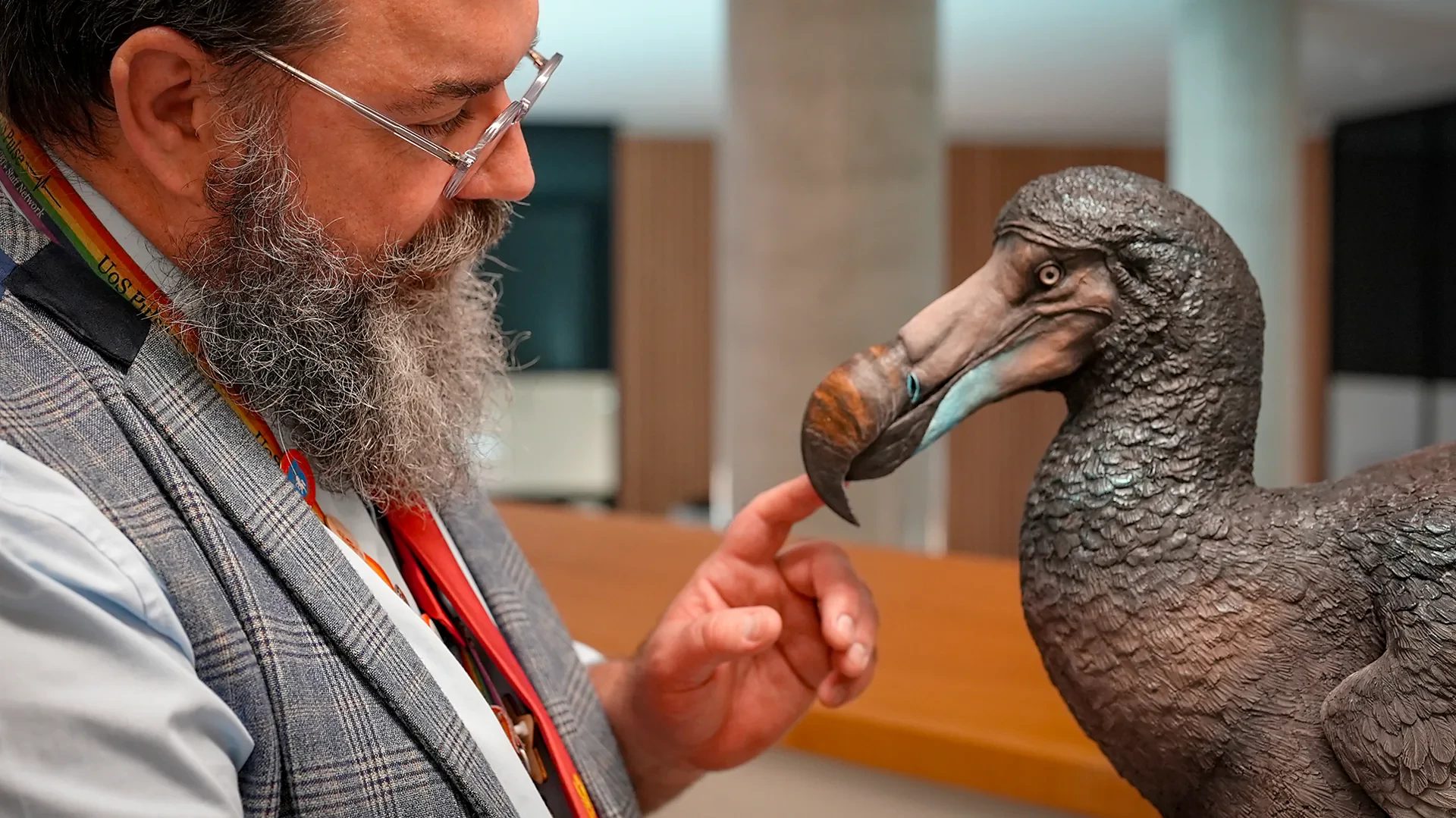
The dodo, extinct for over 400 years, has become a symbol of human-driven extinction — but much of what we thought we knew about this bird was wrong. Long depicted as a fat, clumsy, foolish creature destined to die out, new research reveals it was actually a slender, agile, and well-adapted flightless pigeon with a powerful beak and strong, fast legs for moving through Mauritius’s rocky terrain.
Why We Misjudged the Dodo
Early Europeans who encountered the dodo often misunderstood it. Many artists never saw the bird alive and relied on poorly stuffed specimens, unhealthy captive individuals, or exaggerated sailor tales. The famous 1620s painting by Roelant Savery — based on a bad taxidermy — portrayed the dodo as a plump, waddling bird, an image that persisted for centuries.
What the Dodo Was Really Like
Recent evidence suggests the dodo stood more upright, was slimmer and quicker than previously thought. It was well-suited to its island home — until humans and introduced animals like pigs and rats arrived. These predators destroyed its ground-laid eggs, and humans hunted it, pushing it to extinction.
What’s Left of the Dodo
Today, only a few remains of the dodo exist: two nearly complete skeletons, fragments of bones, a mummified head, scraps of skin and feathers, and some fossilized bones. Much of what people believed about the bird came from myths and inaccurate depictions.
Modern Efforts to Understand It
Palaeoartist Karen Fawcett created the most scientifically accurate dodo model to date by studying fossils, historical drawings, and living pigeons. Her work shows the bird as upright, sleek, and capable of moving quickly in its forested, rocky habitat.
Could the Dodo Return?
In 2022, scientists fully sequenced the dodo’s genome. A controversial project by Colossal Biosciences aims to use gene editing on the Nicobar pigeon — its closest living relative — to recreate a dodo-like bird. Experts, however, are skeptical such efforts could truly bring the dodo back, though studying its genetics may help protect endangered birds today.
Why It Still Matters
The dodo remains a cautionary tale of how humans can wipe out species. Learning more about it helps highlight the urgent need to protect vulnerable species now. Related birds like the pink pigeon and the tooth-billed pigeon are already nearing extinction — unless we act.
“We know what needs to be done. Now we must do it,” says researcher Neil Gostling.
The dodo’s story continues to captivate scientists, artists, and the public alike — reminding us both of nature’s wonder and its fragility.