US President Trump and Indian PM Modi Meet Amidst Improving Relations
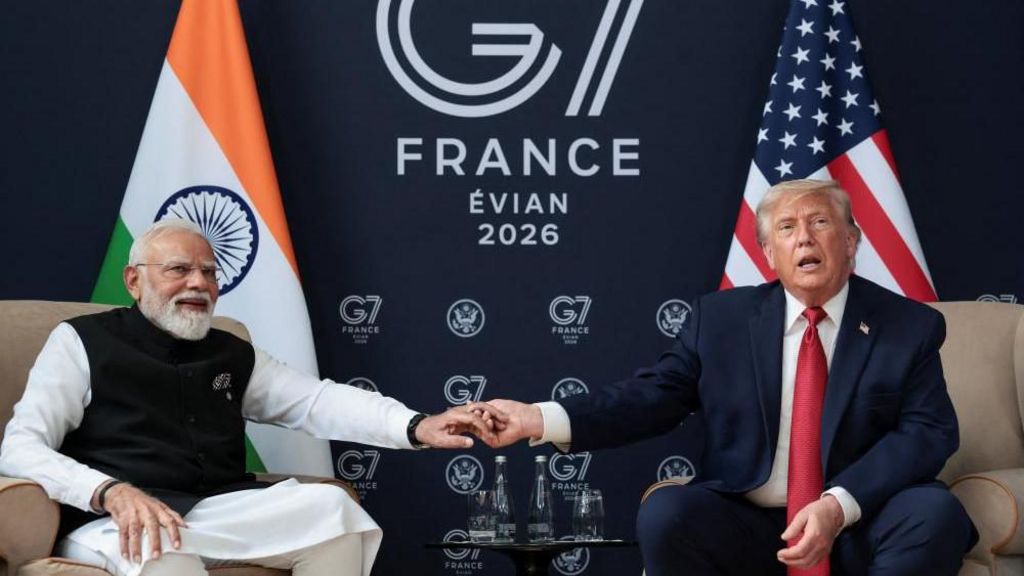
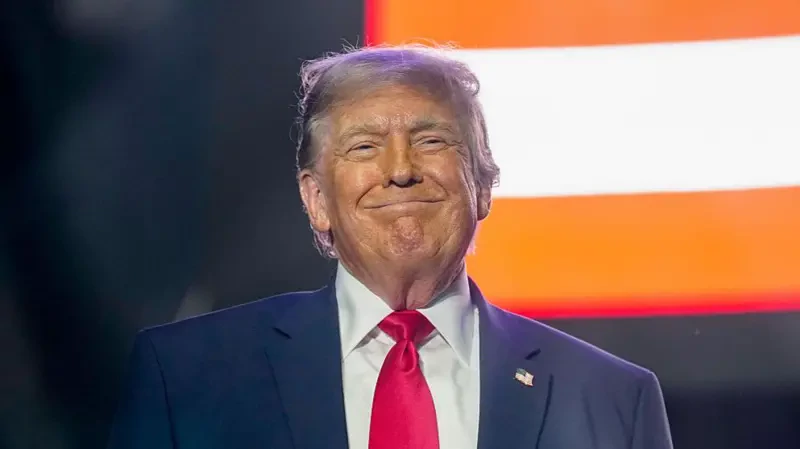
Paris. During the G-7 summit currently underway in France, a bilateral meeting was held between US President Donald Trump and Indian Prime Minister Narendra Modi. With this meeting, signs of improvement have emerged in the relations between the two countries, which have been somewhat strained recently.
During the meeting, President Trump pledged to visit India in the coming days. He also mentioned that India and the US are close to a trade agreement.
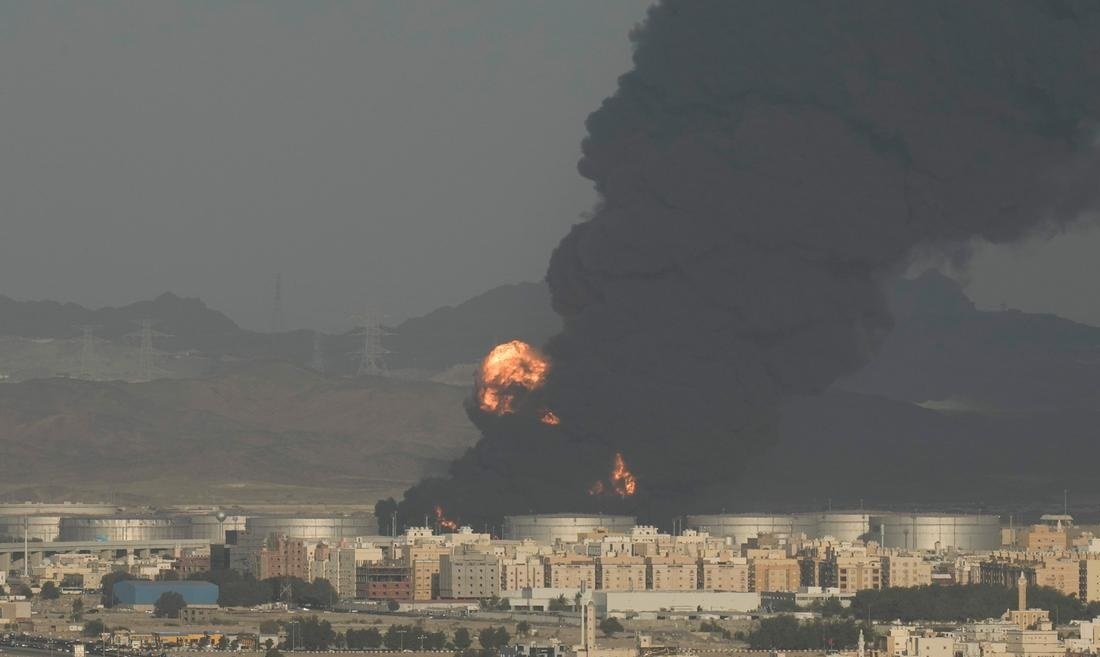
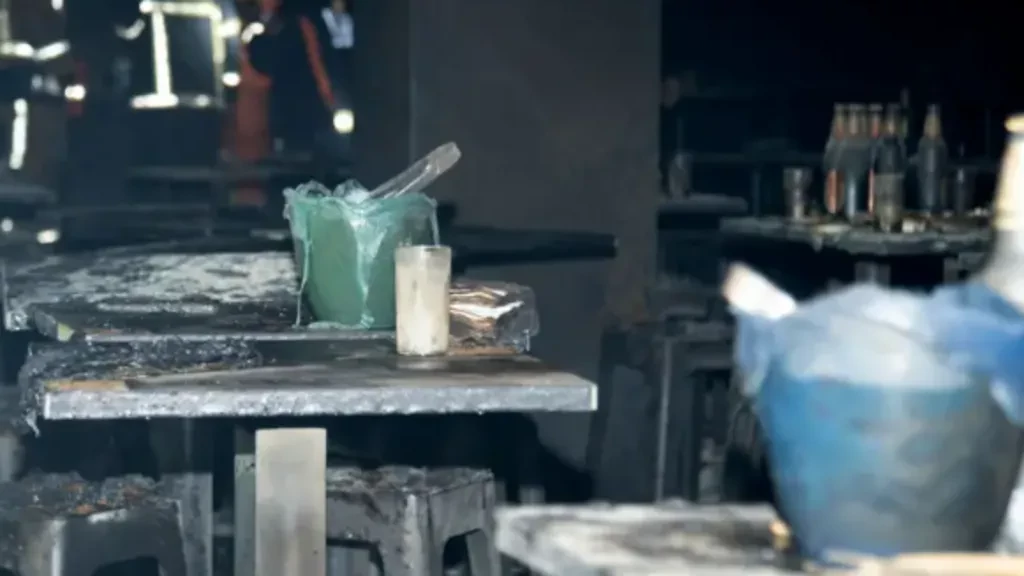
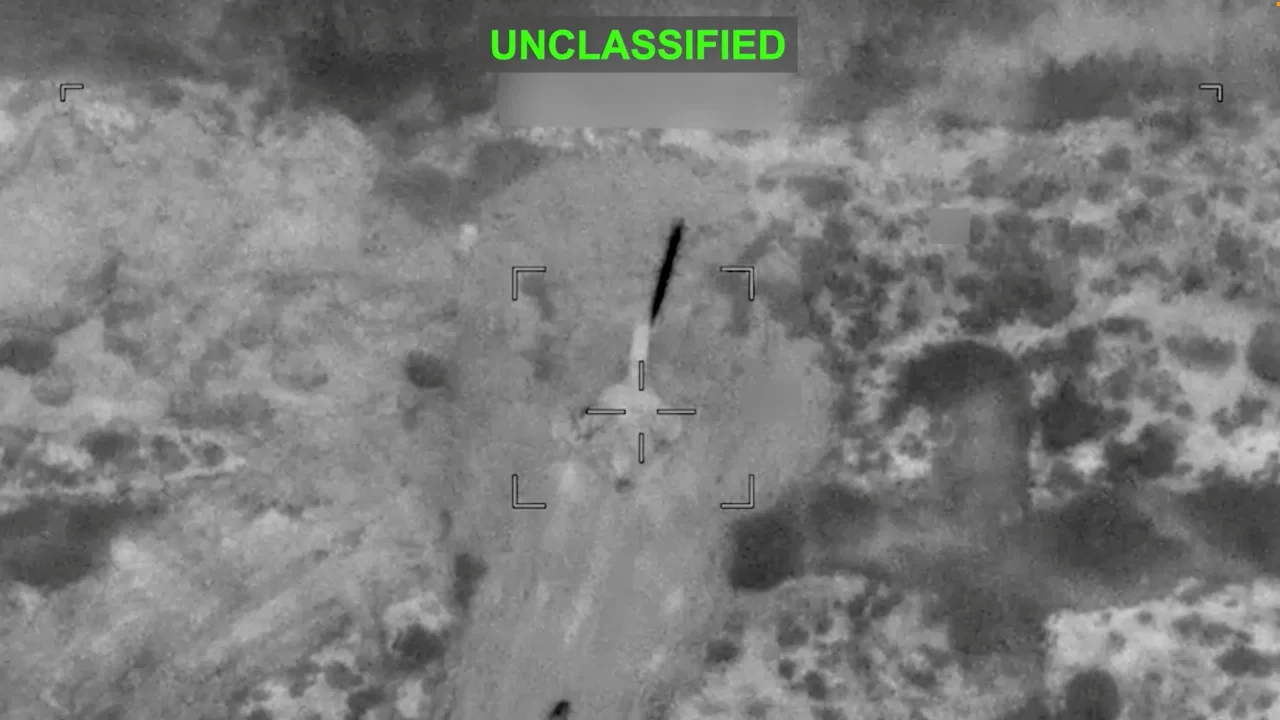
Last year, tensions arose between these two great powers after President Trump announced the imposition of customs duties on India. This relationship had become more complicated recently after three Indian sailors died in an operation by US forces in the Gulf of Oman. The US military had targeted a tanker for violating the blockade imposed on Iranian ports, resulting in the deaths of these sailors.
Prime Minister Modi seriously raised the issue of the safety of Indian sailors working in the Strait of Hormuz during his meeting with President Trump on the sidelines of the G-7 summit. Both leaders also discussed efforts towards a trade agreement. This negotiation was somewhat affected by the US announcement of new import taxes on countries that do not do enough to prevent forced labor.
Speaking to reporters on Wednesday, Trump praised Modi as a 'tough negotiator' and said he would visit India soon. India has been urging Trump to visit the country for the past few months, with efforts being made to include it as part of a joint meeting with Japan and Australia.
When asked about US-India defense relations, Trump clarified that the US would provide assistance if India were attacked. Referring to Modi, Trump said, 'If someone attacks that person, we will stand there... but if a new leader comes, I can't be sure about that.'
This meeting comes after a period of high tension between the two countries. Following the death of Indian sailors and attacks on other tankers carrying Indian crews, New Delhi had summoned senior US diplomats twice to seek clarification. Within India, opposition parties had also criticized Modi for not directly condemning the US action and demanded that the issue be raised with Trump.
Addressing the G-7 leaders on Tuesday, Modi discussed the conflict in West Asia. He mentioned that 'many Indian citizens' had lost their lives in this conflict and emphasized the need to ensure the safety of those working at sea. Prime Minister Modi said, 'Today, the world does not lack resources, but trust. And the future of our partnerships depends on building this trust.' Indian analysts have linked Modi's statement to his meeting with Trump.
India imports about 90 percent of its oil needs and has been severely affected by the Iran war and the closure of the Strait of Hormuz. About one-fifth of the world's total oil and gas supply is transported through this route. Even if this waterway reopens soon, it is estimated that it could take months for global oil and gas supply to stabilize.
This G-7 meeting has brought about a significant political and practical change in the relationship between Trump and Modi. When Modi visited the White House in February last year, the meeting between the two leaders was quite cold. A meeting between officials of the two countries is scheduled to be held in Delhi next week, which India's Commerce Secretary has described as the 'finalization' of the US-India trade agreement.
India was one of the first countries to start trade talks with the US last year, but the process became quite complicated. At one point, the US imposed customs duties of up to 50 percent on some Indian goods, which were reduced to 18 percent after an interim trade agreement in February. Following the US Supreme Court's decision to invalidate some of Trump's customs duty decisions as 'illegal', this rate is now limited to 10 percent. It is still unclear when the new customs duty related to forced labor will be implemented.
In the past year, New Delhi had objected to Trump's claim of having brokered a ceasefire between India and Pakistan and his proposal for mediation in the Kashmir issue. India has always rejected third-party mediation in the Kashmir issue, and Modi had clearly told Trump this last year. Meanwhile, Pakistan has succeeded in keeping Trump on its side by playing the role of a mediator between Washington, Tehran, and Arab capitals.
Apart from these, the Trump administration's tightening of immigration and the ban on H-1B visas, considered the main route for skilled Indian workers to go to the US, have also been a cause of tension between the two countries.
This specific news has been automatically translated by AI. As a result, there may be some inaccuracies or language errors.