Nepal Rice Plantation Accelerates After Monsoon

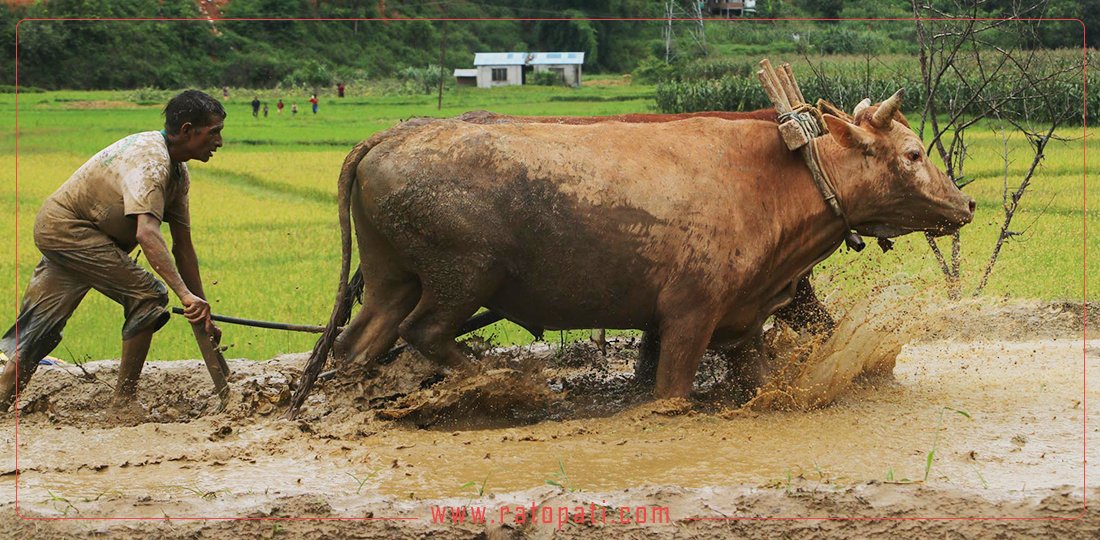
Kathmandu. After continuous monsoon rains, the pace of paddy plantation in Nepal has increased rapidly. This year, the initial phase of the monsoon was slow, resulting in significantly less plantation compared to last year. Although the monsoon became active late, the pace of paddy plantation has increased as the monsoon system became fully active across the country after mid-June. Due to insufficient rainfall until the second week of June and lack of irrigation facilities, less than half of the total cultivable land had been planted. However, after June 15, widespread monsoon rains began across the country, and by the end of the first week of July, the pace of plantation has become much faster than expected, according to the Department of Agriculture.
According to data from the Department of Agriculture under the Ministry of Agriculture, Forestry and Environment, the plantation, which was significantly behind last year by the end of June, has surpassed last year's plantation percentage by the first week of July.
- Slow Start, Then Faster Than Last Year
Looking at the data until the end of June, the start of paddy plantation this year appeared very slow. According to the Department of Agriculture, as of June 26, out of a total of 1,370,062.13 hectares of cultivable land nationwide, only 49.81 percent, or 682,374.78 hectares, had been planted. In contrast, as of June 29 of the previous year (2082 BS), out of a total of 1,383,732.98 hectares of cultivable land, 59.28 percent, or 820,214.71 hectares, had been planted. This means that as of June 26, plantation was 9.47 percent less compared to the same period last year. Province-wise, except for Sudurpashchim, plantation progress in most provinces was behind in 2083 BS compared to 2082 BS. In Koshi Province, only 31 percent of the cultivable land was planted, while by June 29, 2082 BS, 41.32 percent had been planted. In Madhesh Province, considered the country's main granary, only 32.76 percent was planted by June 26 this year, compared to 34 percent during the same period last year. However, in Bagmati Province, due to rains in the hilly areas, plantation was slightly faster this year compared to last year. In Lumbini Province, 59.60 percent was planted by June 26, while it had reached 73.68 percent during the same period last year. In Karnali Province, 60.21 percent was planted by June 26, compared to 83.23 percent last year. In Sudurpashchim Province, 87.79 percent was planted by June 26, while 93.10 percent was completed by June 29 last year.
- Plantation Accelerated After July Began
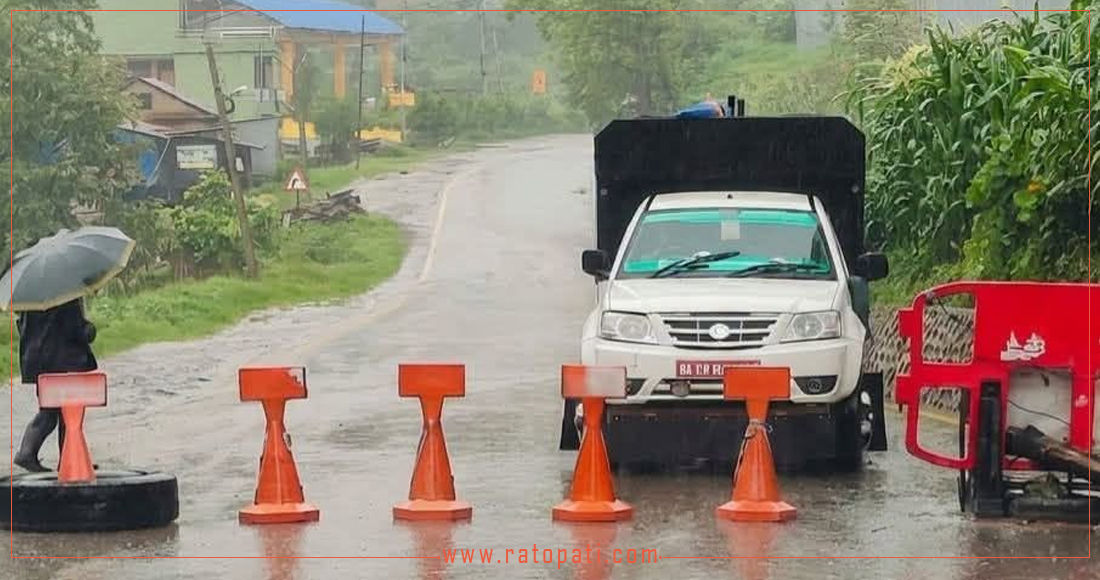
The slow pace of plantation until the end of June completely changed with the beginning of July. After mid-June, the monsoon became continuously active, and with sufficient rainfall in most parts of the country, the rate of plantation saw an extraordinary increase within the first week of July. According to data from the Department of Agriculture until July 8 (2083 BS), out of a total of 1,366,562.13 hectares of cultivable land nationwide, 83.30 percent, or 1,138,363.18 hectares, have been planted. Comparing this with the data from July 11, 2082 BS, the overall plantation progress this year has surpassed last year's. By July 11, 2082 BS, only 78.84 percent of the land nationwide had been planted, whereas this year, by July 8, 83.30 percent had been completed. This means that by the first week of July, 4.46 percent more land has been planted this year compared to the second week of July last year. Particularly in Madhesh Province, monsoon rains have significantly increased the plantation rate. By June 26, only 32.76 percent was planted, and the province was suffering from drought. By July 8, 78.60 percent, or 305,803.5 hectares, out of a total of 382,433 hectares of cultivable land, had been planted. Last year, by July 11, 2082 BS, only 51.82 percent of Madhesh Province had been planted. Thus, compared to last year, more than 26.78 percent more land in Madhesh Province was planted by the first week of July this year. According to the Meteorological Forecasting Division of the Department of Hydrology and Meteorology, the direct influence of the monsoon wind is expected to continue until the second week of July, with continuous rainfall in most parts of the country. This has allowed farmers to plant on time even in rain-fed fields lacking irrigation facilities. According to the department, until mid-June, high temperatures and hot winds (Loo) affected the western Terai and some parts of the Madhesh, causing fields and seedbeds to dry up. However, continuous monsoon rains from the last week of June to the first and second weeks of July have increased groundwater levels and water flow in small and large rivers and canals. Due to this favorable weather, it has been possible to complete paddy plantation in an additional 33.49 percent, or 455,988 hectares, of land nationwide in the short period of two weeks from June 26 to July 8. While the monsoon has accelerated the pace of plantation, continuous rainfall has also equally increased the risk of natural disasters. Although the Department of Hydrology and Meteorology has projected average or slightly below-average rainfall in most parts of the country during the monsoon period, extreme rainfall and heavy downpours in short periods have led to landslides in hilly areas, soil erosion, obstruction of rural and main highways, and the risk of flooding and erosion in riverine areas of the Terai.
This specific news has been automatically translated by AI. As a result, there may be some inaccuracies or language errors.