Nepal Proposes Legal Reforms for Child Correction Homes Amidst Overcrowding and Service Deficiencies

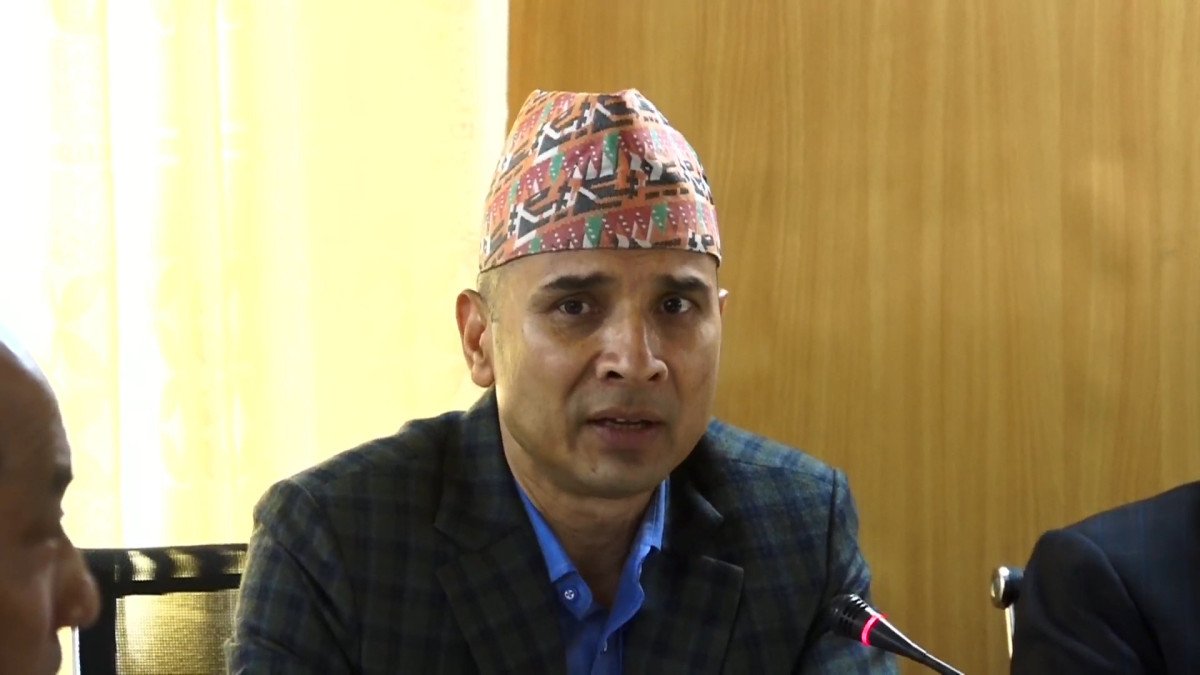
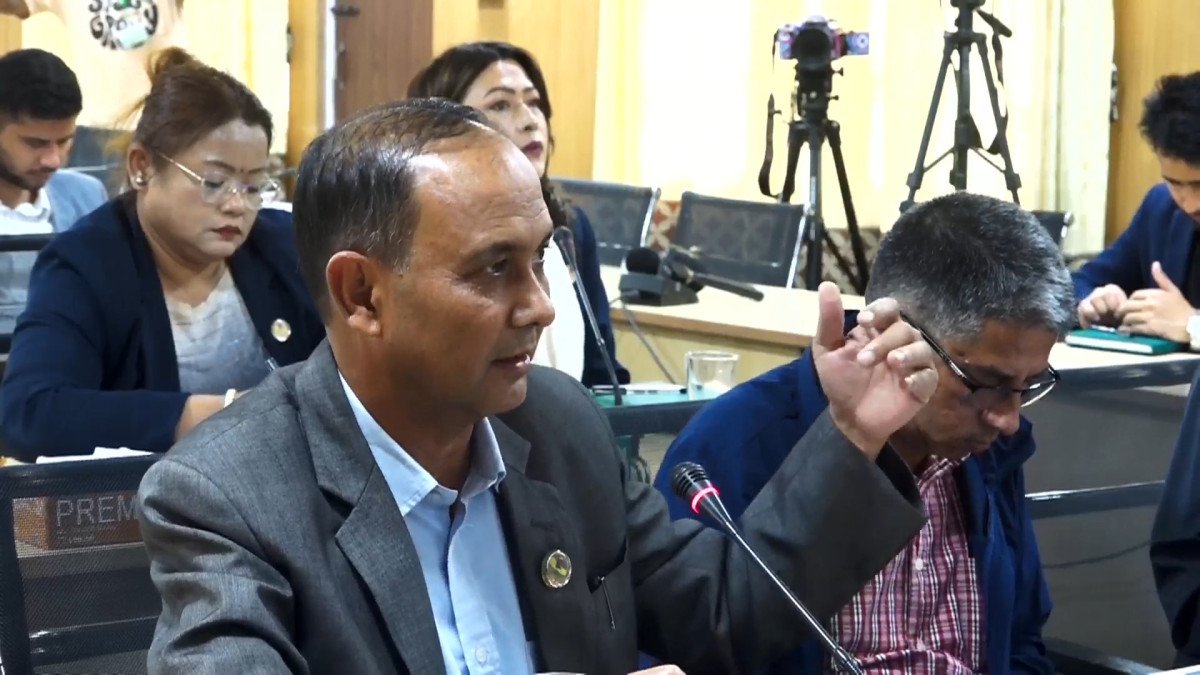
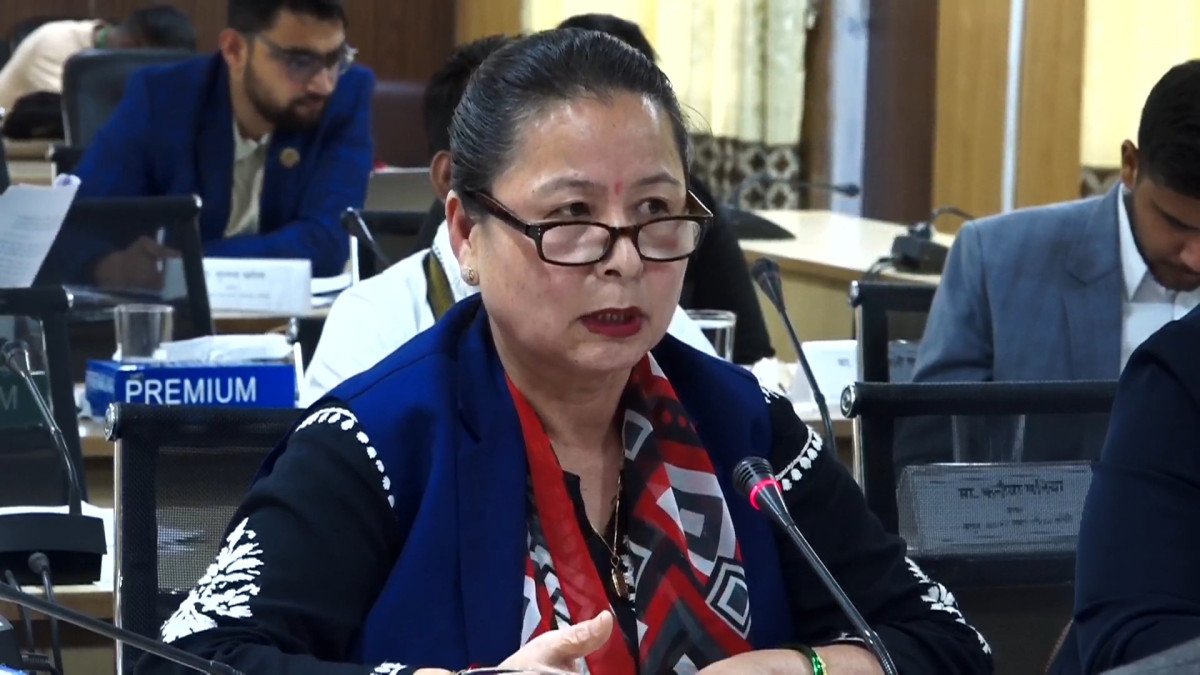
Kathmandu. The government has initiated legal reform processes citing overcrowding in Nepal's child correction homes and problems with their basic services. On Sunday, at a meeting of the Law, Justice and Human Rights Committee held at Singha Durbar, Joint Secretary and Spokesperson of the Ministry of Women, Children, Gender and Social Security, Chakrabahadur Buda, provided information on the current status of child correction homes and reform efforts. The government has proposed amending the Children Act, 2075 BS to reduce sentence periods and broaden the 'diversion' process. According to the new draft, the sentence for children aged 16 to 18 for serious crimes will be reduced to a maximum of seven years, which is two-thirds of the sentence for adults. Similarly, the minimum age for criminal responsibility is proposed to be raised from 10 years to 12 years, and provisions are also proposed for children to be sent home on 'parole' if their conduct improves. The ministry believes that if this act is passed, the pressure on child correction homes will decrease by approximately 50 percent. According to the ministry, although the total capacity of the 10 child correction homes across the country is 1,085, there are currently 1,195 children residing there. The ministry estimates that this number actually reaches around 1,400 due to some children escaping during last year's protests. Approximately 50 percent of the children residing there are above 18 years of age. Spokesperson Buda stated that the physical infrastructure of the child correction homes is not child-friendly, and in some places, old government buildings or prison structures are being used. According to him, only 4 out of 10 child correction homes have school facilities. The daily allowance of 80 rupees and 700 grams of rice provided to the children is insufficient, and since it is based on the standards for adult prisoners, there is a problem of inadequate nutrition for growing children. The ministry's report mentions a lack of drinking water, playgrounds, halls for exercise and yoga, and adequate libraries within the correction homes. Additionally, due to the absence of their own vehicles, they are forced to use public transport or prison vehicles to take children to court or to the hospital. Spokesperson Buda mentioned that it is difficult to control and maintain discipline among the children due to the legal provision that police personnel deployed for the security of child correction homes have to perform duties without uniforms and weapons. He stated that children do not obey plainclothes police, and there is a tendency for them to form groups and engage in vandalism or protests. Furthermore, although there is a provision for an officer-level post for the leadership of the correction homes, coordination problems have arisen due to the shortage of staff, forcing a non-gazetted officer to operate as an acting head. It was also informed at the meeting that the first child court has been established and is operational in Bhaktapur, and a well-equipped child correction home with a capacity of 300 is in the final stages of construction in DhakalTarr, Tanahu. The ministry has also stated that it is gradually expanding programs for children's health insurance, psychosocial counseling, and skill-based training.
This specific news has been automatically translated by AI. As a result, there may be some inaccuracies or language errors.

_j1MFi9c9Ng.jpg)