Former Parliament Secretary Harka Raj Rai Stresses Need for Institutional Support for MPs

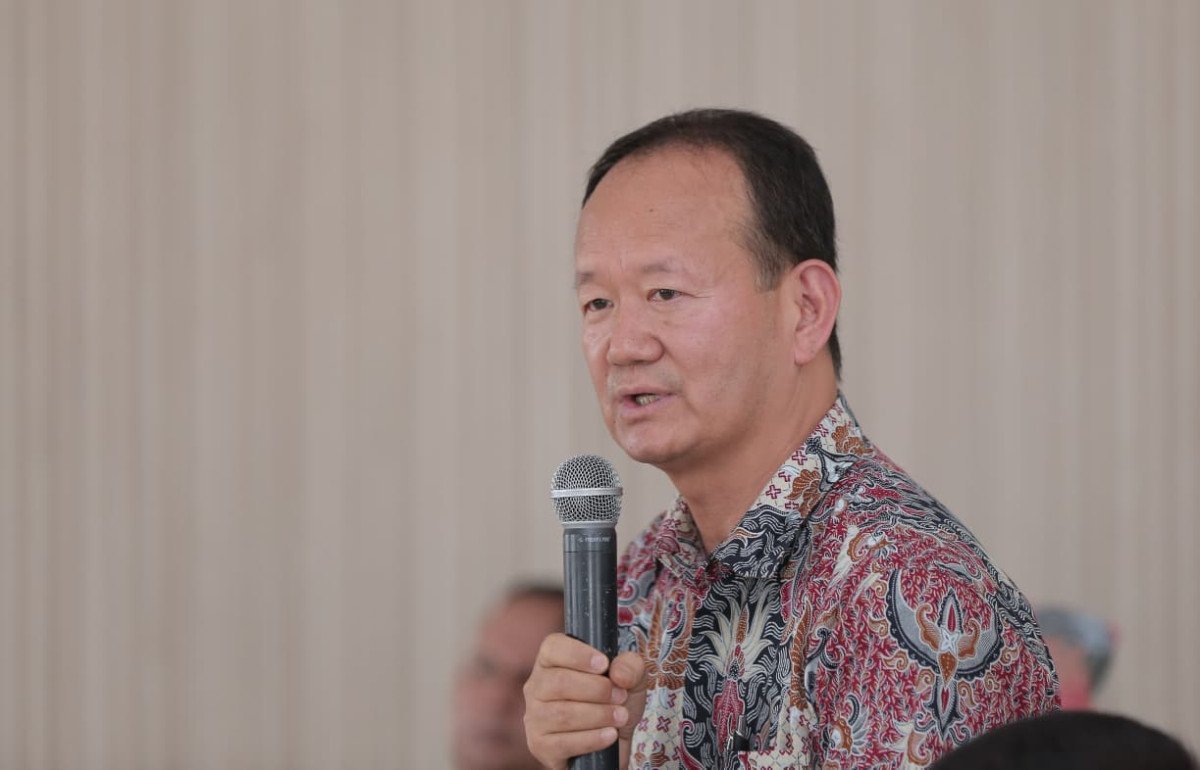
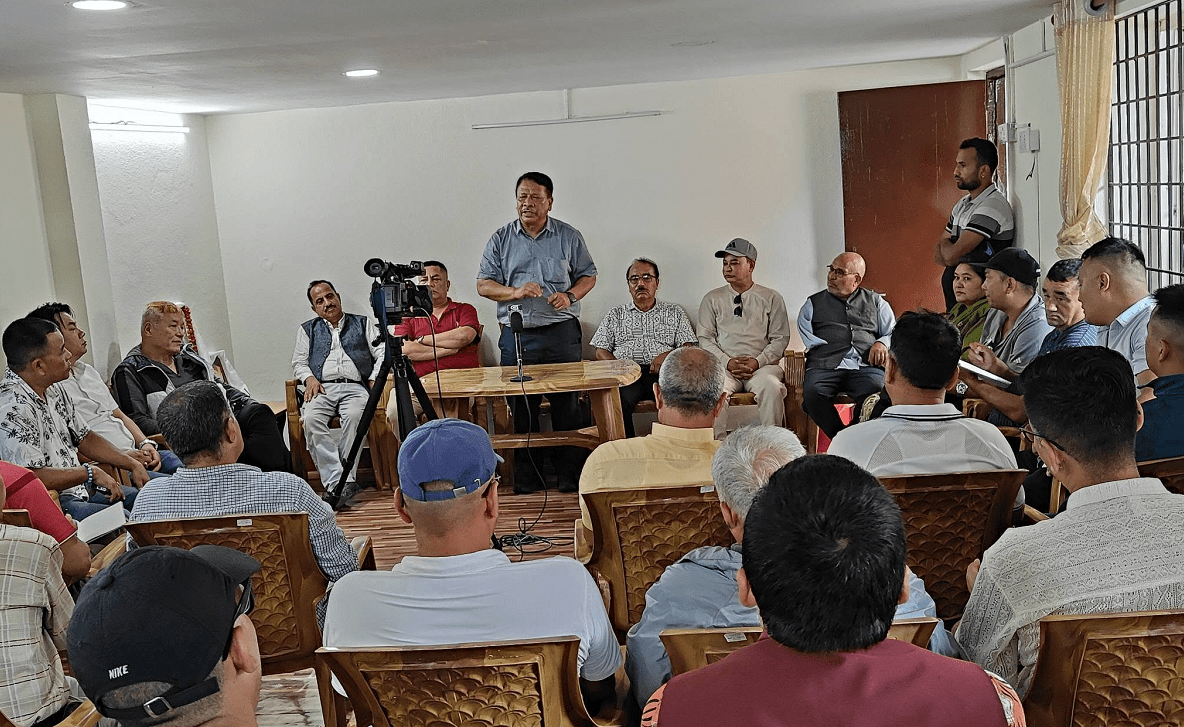
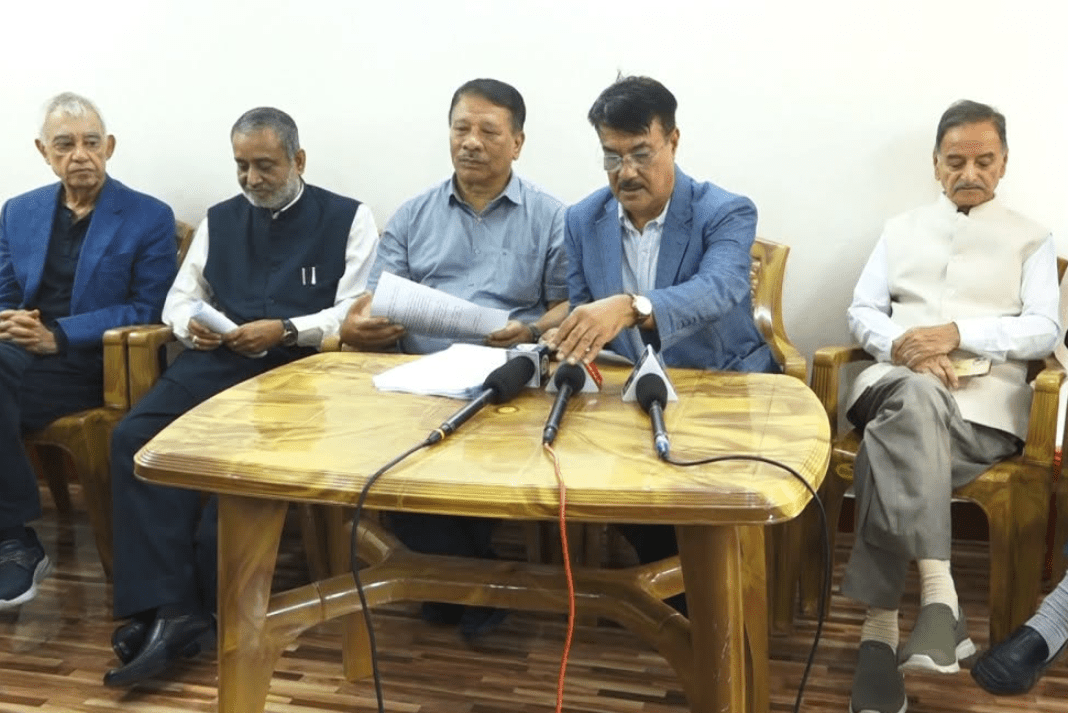
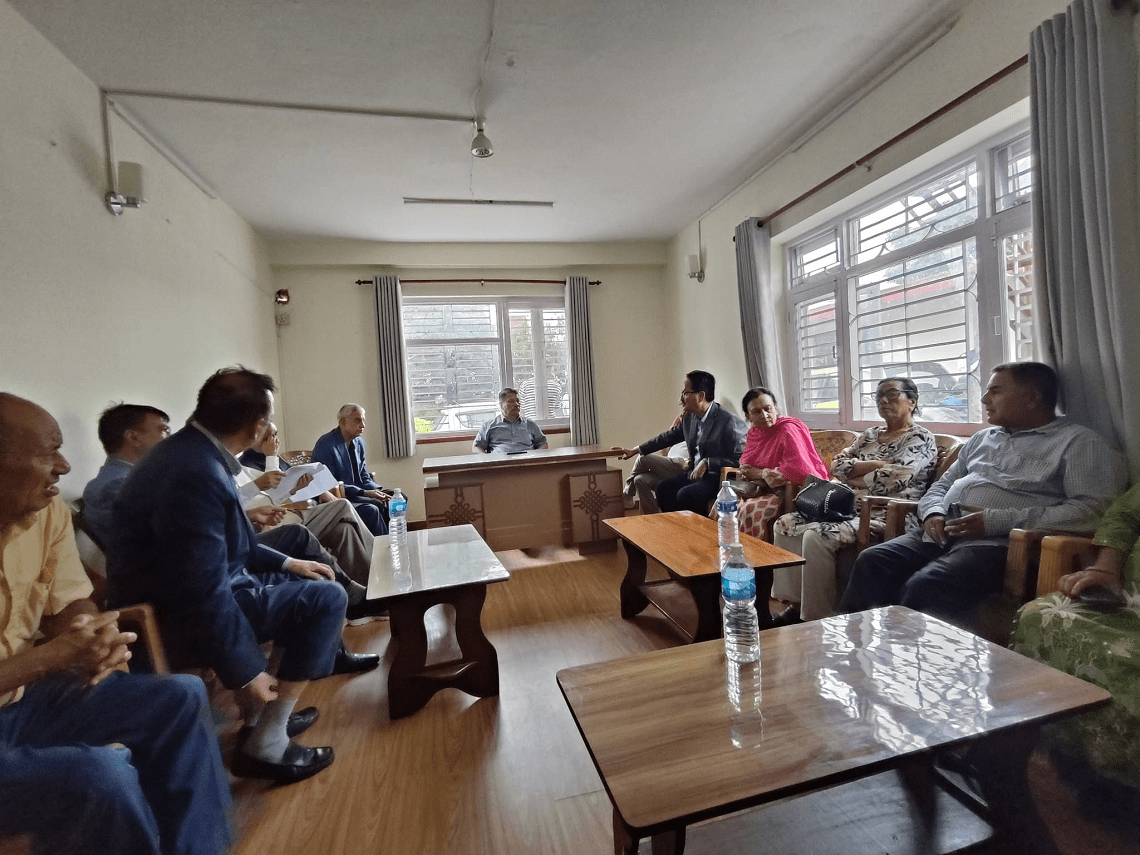
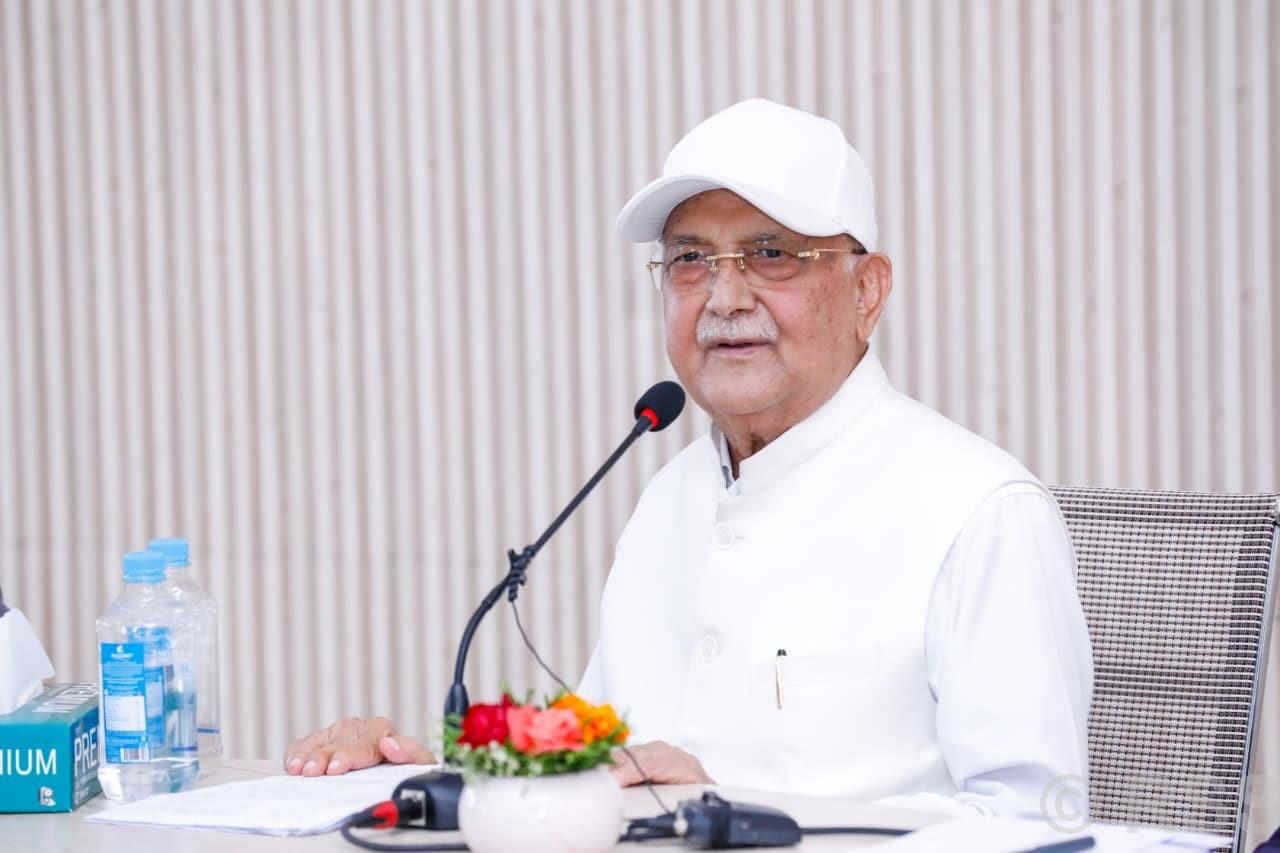
Kathmandu. Former Secretary of the House of Representatives and local government expert Harka Raj Rai has stated that MPs need strong institutional support to make the parliamentary system effective and result-oriented. Rai said this at a program organized by the Central Parliamentary Department of the CPN-UML.
Former Secretary Rai, citing the standards of the Inter-Parliamentary Union, mentioned people's representation in parliament, the quality of legislative work, and oversight of the executive as the main standards of effectiveness.
Rai believes that the workload of MPs is excessive, but there is a lack of resources and support in proportion to it. He pointed out that legislative work is becoming less in-depth and factual debates are decreasing due to the lack of adequate materials and time for study.
Rai analyzed that MPs are failing to utilize the various tools available in parliament. He stated that while there is a tendency to speak more during zero hour and special hour, the registration of attention-grabbing proposals, resolution proposals, and urgent public importance proposals to hold the government accountable is low. He advised MPs to use such tools effectively.
Expert Rai said, 'We are in parliament, and our main area of work is parliament right now. The main responsibility of parliament is legislation, oversight of the government (parliamentary oversight), and effectively raising the voice of the people. An effective parliament is measured by representation, quality of legislation, government oversight, and transparent and participatory discussions. In my experience, the workload of honorable members is excessive. Due to parliamentary responsibilities, party, constituency, and social obligations, they do not have enough time and resources for study and preparation. For this reason, debates based on bills, policies, and facts are not as deep as expected. Effective tools of parliamentary oversight—questions, attention-grabbing proposals, resolution proposals, urgent public importance proposals, etc.—are not being used sufficiently. By effectively using these, the government can be made more accountable to the people.'
He said, 'Parliamentary committees need to be more active not only in discussing bills and conducting field monitoring but also in in-depth review and monitoring of policies, reports, and performance. Furthermore, the work done by the parliament needs to be effectively communicated to the general public. For this, parliamentary parties and MPs need institutional support from party departments, fact-based policy suggestions, and regular intellectual support. If departments use their subject-matter expertise to assist MPs in research, analysis, and policy-making, the role of parliament can become more effective.'
Rai stated that the 16 thematic committees of the parliament are only focused on discussing bills and conducting field monitoring. Expressing concern that parliamentary activities are not reaching the general public and youth, he proposed creating an 'report card' or 'dashboard' for MPs using information technology. This, he argued, would help classify and publicize the issues raised by MPs on a sectoral or thematic basis. He particularly emphasized the need to train the personal secretaries of MPs.
He mentioned that the work efficiency of personal secretaries needs to be enhanced so they can understand public relations, coordination with government bodies, study of legal drafts, and the concerns of stakeholders.
This specific news has been automatically translated by AI. As a result, there may be some inaccuracies or language errors.