MetLife Stadium Awarded FIFA World Cup 2026 Final Amidst Controversy
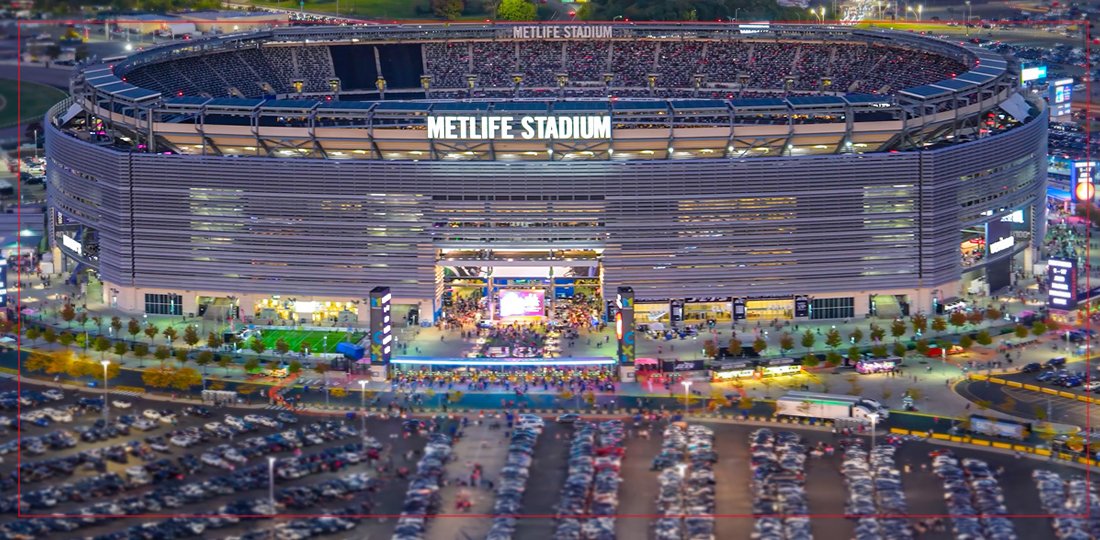
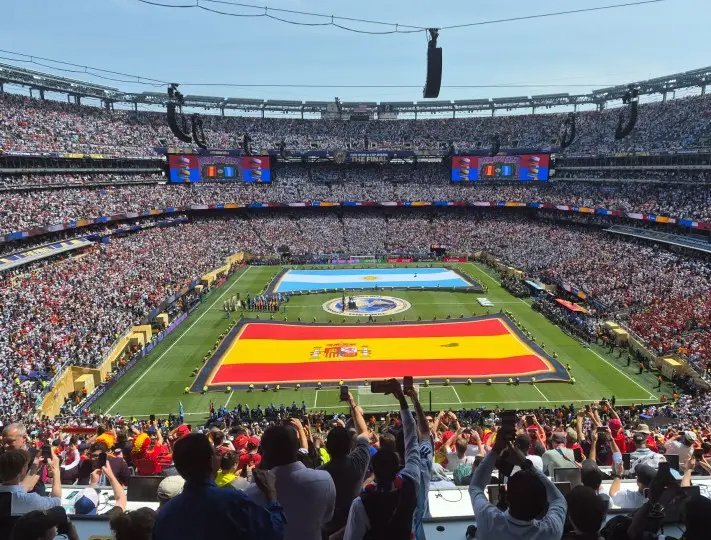
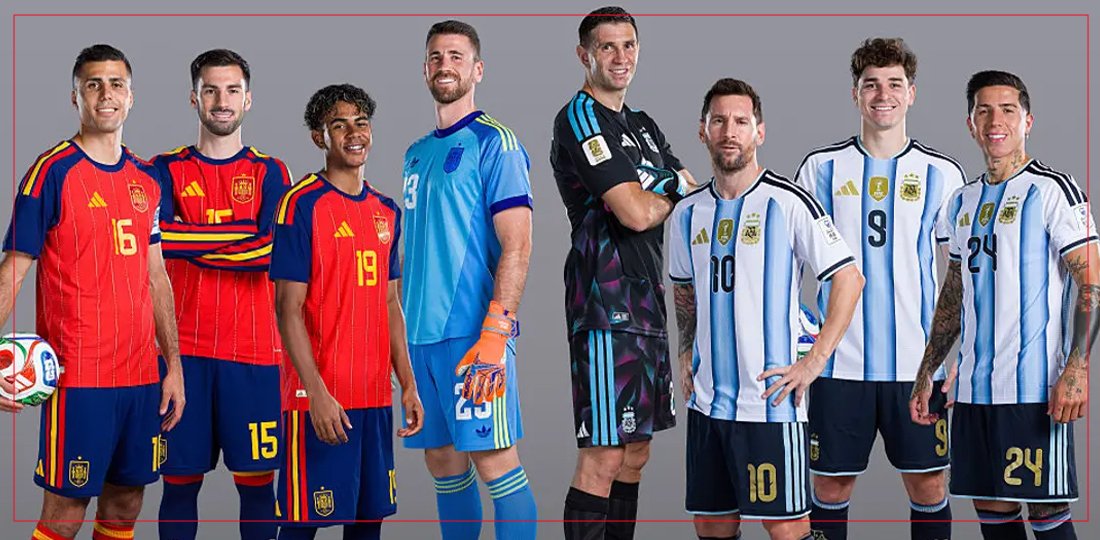
New York. The much-anticipated final of the FIFA World Cup 2026 is set to take place between Spain and Argentina at the MetLife Stadium in New York-New Jersey.
However, this stadium did not easily obtain the right to host the biggest game in world football. How MetLife secured this opportunity, leaving behind strong competitors like Dallas and Los Angeles, has garnered significant interest in world football.
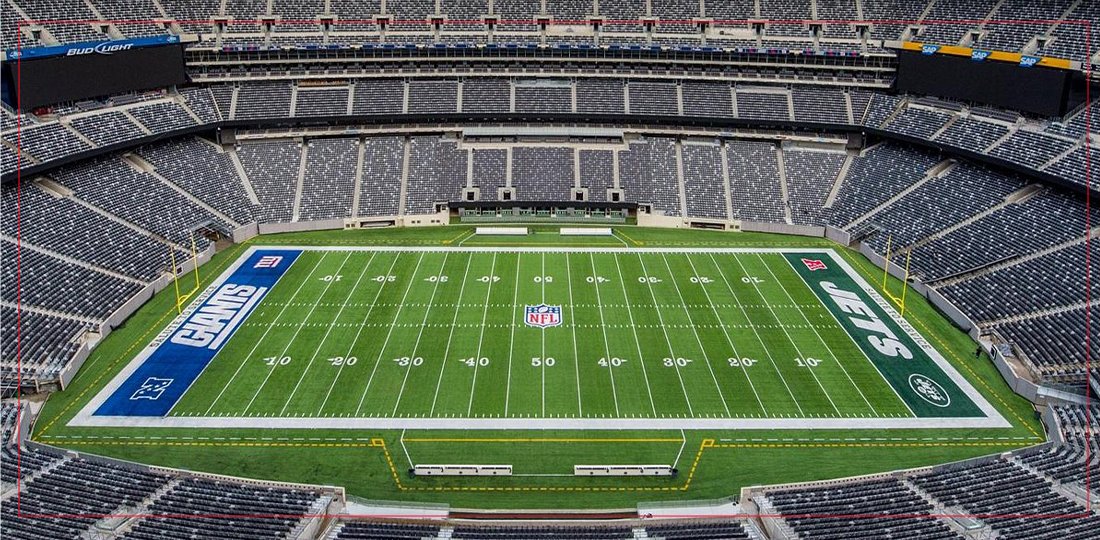
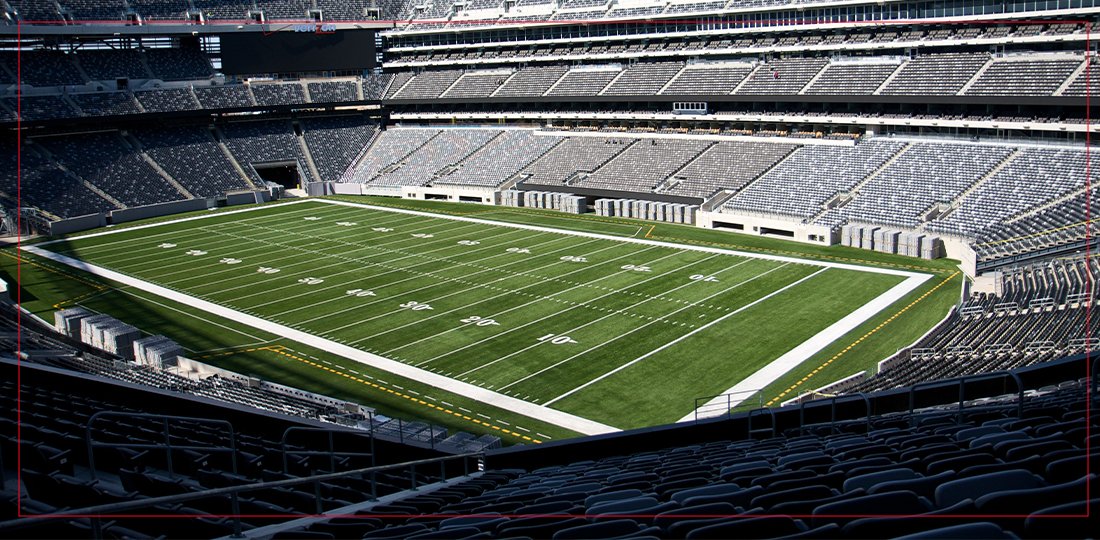
Many stadiums in North America received praise from spectators throughout the World Cup. Although the historic Azteca Stadium in Mexico City, Lumen Field in Seattle, and SoFi Stadium in Los Angeles were considered excellent, MetLife Stadium faced criticism for its aesthetics, transportation, and pitch conditions. Players and coaches complained about the pitch being 'dry', 'hard', and 'uneven'. The journey from Manhattan to the stadium was also considered expensive and inconvenient. Despite so many shortcomings, FIFA chose this stadium for the final.
Broadcasting time became the most significant factor in FIFA's decision. The final, scheduled for 3 PM local time, was suitable for major television markets in Europe, North America, and South America. Additionally, the initial plan to host most games in the United States favored New York-New Jersey. However, Dallas provided strong competition until the last moment.
New York-New Jersey began its planned campaign to win the race to host the final in 2018. Then-New Jersey Governor Phil Murphy held regular meetings with FIFA delegations, and a joint proposal was prepared in collaboration with New York City. The basis of the plan was clear. New Jersey had excellent infrastructure, training centers, and football facilities, while New York had world-renowned identity, tourist attractions, and international influence.
Influential individuals were also actively utilized in this campaign. Hollywood actor Robert De Niro lent his voice to a special video prepared for FIFA. He described New York and New Jersey as the 'land of big dreamers' and conveyed a message that they were ready to welcome world football. In the video, he says, 'We dream big dreams, really big dreams, because that's the identity of New York and New Jersey. We dream of welcoming the world's greatest game to the world's grandest stage.'
The video included the Statue of Liberty, the Empire State Building, and messages from children in various languages saying 'Welcome to the World'. It showcased the multicultural identity and global appeal of the New York area.
Continuous meetings were held with political leaders, businessmen, and influential figures from the sports sector to impress FIFA President Gianni Infantino. Through various meetings, dinners, and presentations, New York-New Jersey presented its experience in security, transportation, weather, spectator management, and hosting large international events. Examples of security and transportation management adopted during Taylor Swift's concerts and the Pope's visit were also presented to FIFA.
MetLife Stadium being an open-air venue also became another significant strong point. FIFA's pitch managers concluded that it would be difficult to maintain the quality of the grass for 39 days without natural sunlight in the roofed stadiums of SoFi and Dallas. Due to natural light and weather, MetLife's pitch was considered a safer option for the final.
However, criticism of the pitch quality continued during the tournament. Controversy arose when FIFA began selling even small pieces of turf from the pitch for $450 to $3,000. Politicians in New Jersey protested, stating that state property should not be sold without permission. Meanwhile, the grand halftime show at the stadium also raised further questions about the pitch's condition.
Despite all the controversies, there was an economic reality. MetLife Stadium has a capacity of over 80,000 spectators, nearly 10,000 more than Dallas. As the World Cup final tickets are estimated to be among the most expensive in history, FIFA also gave importance to the possibility of significant revenue from additional ticket sales.
Ultimately, the international appeal of New York, the world's most famous city, its broadcasting market, infrastructure, and economic potential gave MetLife Stadium the opportunity to host the biggest game in world football.
This specific news has been automatically translated by AI. As a result, there may be some inaccuracies or language errors.