
Congress Faces Internal Challenges: A Call for Reform and Renewal


The greatest strength of any great institution is not to hide its weaknesses, but to have the courage to accept and improve them. Self-reflection is not a sign of weakness, but a mark of maturity.
History has proven that institutions that fail to understand the changing times gradually distance themselves from public trust, while those that honestly accept their flaws and embark on the path of reform can rise again. Today, the Nepali Congress also stands at such a historical juncture.
The path to renaissance can only be opened by impartially analyzing why dissatisfaction is growing within the party that has led democracy for over seven decades, not by evading the question. This analysis is not an attempt to blame anyone, but a self-reflection to strengthen the organization.
In recent years, a consistent complaint has been heard from party workers at various levels, well-wishers, intellectuals, and the younger generation that the party's ideological energy is weakening. The organization, which once debated democracy, socialism, nationalism, and social justice from villages to the center, is now experienced in many places as being focused on supporting or opposing individuals rather than ideas.
When individuals replace ideas, the organization gradually begins to deviate from its objectives. Ideas provide unity, while individuals can also bring division. Therefore, the criticism that a lack of ideological training, policy debates, and political education has weakened the organization's long-term strength is not unfounded.
Along with this, the most frequently raised issue is factional politics. Differences of opinion are natural within a democratic party. Healthy competition regarding ideas, strategies, and leadership is the beauty of democracy. However, when differing opinions are no longer limited to healthy debate but transform into permanent factions, the organization's energy begins to be spent on internal competition. When the feeling grows that workers are evaluated based on loyalty rather than contribution, disappointment arises.
The challenge is not to create competition between the old and new generations, but to foster collaboration between experience and energy. Where experience provides direction and youth provides momentum, the organization becomes strong in the long run.
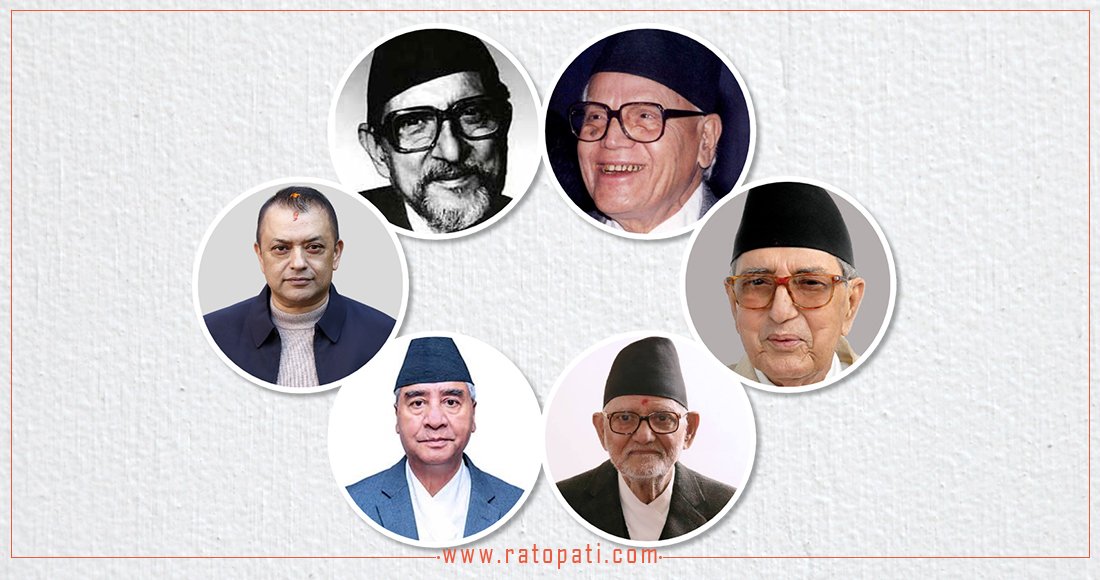
When decisions are perceived to be influenced by group equations rather than institutional processes, workers feel their voices have diminished value. Such an environment increases the risk of weakening the organization from within rather than from outside. The question of leadership is also not insignificant. The Nepali Congress has a history of providing extraordinary leadership to the nation.
However, over time, there has been extensive debate about the pace of leadership change, coordination between generations, and the utilization of new capabilities. Experienced leadership is an invaluable asset to any institution, as experience provides foresight. But if the energy, creativity, and tech-savvy thinking of the new generation are not given adequate opportunities, it becomes difficult for the organization to keep pace with the future.
Therefore, the challenge is not to create competition between the old and new generations, but to foster collaboration between experience and energy. Where experience provides direction and youth provides momentum, the organization becomes strong in the long run.
Understanding the psychology of the workers is equally important. The real base of any political party is not the top leadership, but the workers who are continuously active at the grassroots level. They are the ones who go door-to-door during elections, stand on the streets during protests, stay with the people during crises, and convey the party's ideology to society.
If these very workers feel that their contributions are not properly respected, that there is no culture of listening, and that opportunities are not managed fairly, the roots of the organization begin to weaken. Many workers complain that influence based on connections is seen more than the evaluation of struggle. Whether this perception is entirely correct or not, public perception itself becomes a political reality.
Therefore, the organization must not only deliver justice but also make people feel that justice has been done. The question of internal democracy is also extremely important. The credibility of a party that struggles for democracy is determined by how open, participatory, and transparent its decision-making processes are.
If suggestions from the lower levels find it difficult to reach the top, if a limited number of individuals have excessive influence in policy-making, or if informal power centers appear more influential than institutional discussions, dissatisfaction naturally increases. The strength of a democratic party is not just winning elections, but also keeping democratic values alive within its own organization.
Another challenge today is related to the age of information technology. Today's workers and voters are both more aware, informed, and questioning than before. Social media has accelerated the flow of information. Any decision, statement, or controversy spreads across the country in minutes. In such a situation, transparency, quick communication, and clear policies become even more necessary.
If the organization fails to develop a timely communication system, rumors, confusion, and mistrust can take root. Therefore, building a modern organization is not just about using technology, but also about developing a new culture of building trust. The expectations of the younger generation are also very different from the past.
The beauty of democracy lies not only in representation but also in equal participation in the decision-making process. Another serious issue is organizational activism.
Today's youth are not impressed merely by political slogans. They seek opportunities, capabilities, results, and accountability. They want a clear path to contribute according to their abilities and reach leadership positions. If they do not see a future in the organization, they become inactive or are attracted to alternative political forces.
Therefore, it is necessary to give youth a real role in policy-making, decision-making processes, and leadership development, not just involve them in programs. It is not enough to give speeches calling youth 'leaders of the future'; they must be given responsibilities in the present.
The issue of women's participation and inclusive leadership is also linked to renaissance. Although the Nepali Congress has played a historic role in inclusivity, voices are rising from within the organization itself that more work needs to be done to ensure the effective presence of women in decision-making levels and to provide opportunities to capable leaders from Dalit, Janajati, Madhesi, Tharu, Muslim, and backward communities.
The beauty of democracy lies not only in representation but also in equal participation in the decision-making process. Another serious issue is organizational activism. Many have felt that the tradition of conducting ideological training, regular meetings, social campaigns, and participatory programs in villages has gradually weakened.
The tendency of the organization to be active only during elections and then become inactive weakens the relationship with the public. A political party is not just a mechanism for winning elections, but also an institution that continuously dialogues with society. Long-term trust is built in an organization that is constantly present in the joys and sorrows of the people.
However, amidst all these challenges, there is also a ray of hope. The Nepali Congress has the historical capacity for self-improvement. This party has overcome many crises while struggling against autocratic rule. Therefore, today's challenge is not impossible. All that is needed is for dissatisfaction to be heard not as a voice of rebellion, but as a message of reform.
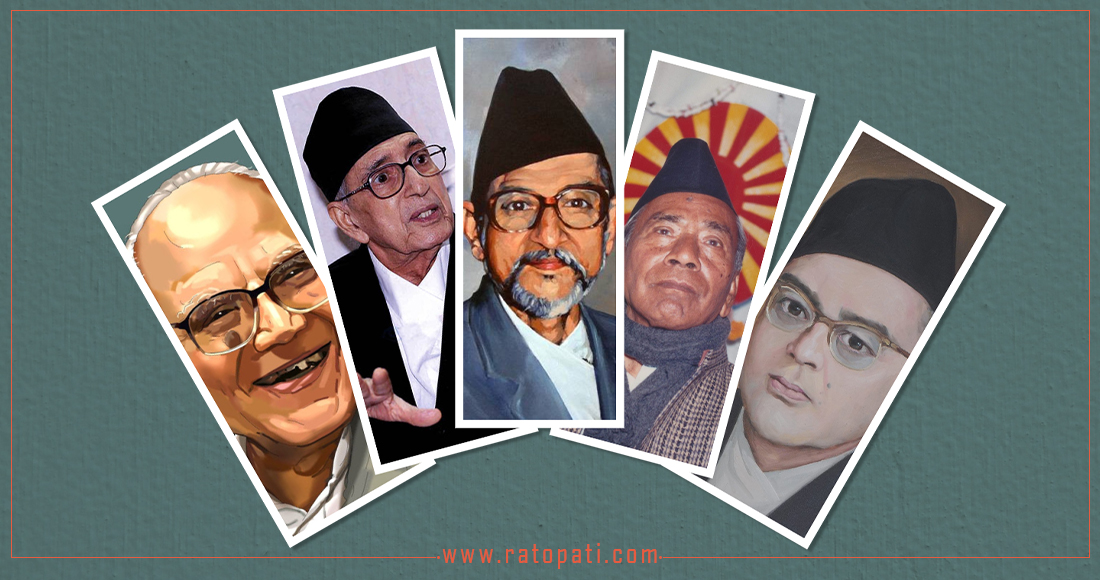
Let criticism be embraced not as enmity, but as an opportunity for self-transformation. History has shown that the public is willing to give a second chance to institutions that accept their weaknesses, but they gradually distance themselves from institutions that refuse to acknowledge their flaws. The founders of the Nepali Congress built the organization around ideas, not around individuals. Today, there is a need to return to that foundation.
If the institution is prioritized over factions, merit over connections, contribution with capability over loyalty, collaboration over competition, and service over position, then the dissatisfaction within Congress can itself become the energy for renaissance. The water of any river becomes stagnant and foul if it stops flowing, but it gives life only when it flows. An organization is also like that. Only if there is a continuous flow of dialogue, self-reflection, reform, and new thinking does the organization remain alive.
The biggest question today is not whether Congress has weakened or not. The real question is: Does Congress have the courage to change itself again? If the answer is positive, history is ready to give this party a new role once again. Because the people do not seek perfection, they seek honesty. They seek leadership that admits mistakes and reforms, not leadership that never makes mistakes. This path will be the first step towards the renaissance of the Nepali Congress.
(To be continued...)
This specific news has been automatically translated by AI. As a result, there may be some inaccuracies or language errors.

_6FSvCrCShE.jpg)
_drOmyPMDMX.jpg)
