US President Trump Postpones Iran Air Strikes for Second Day
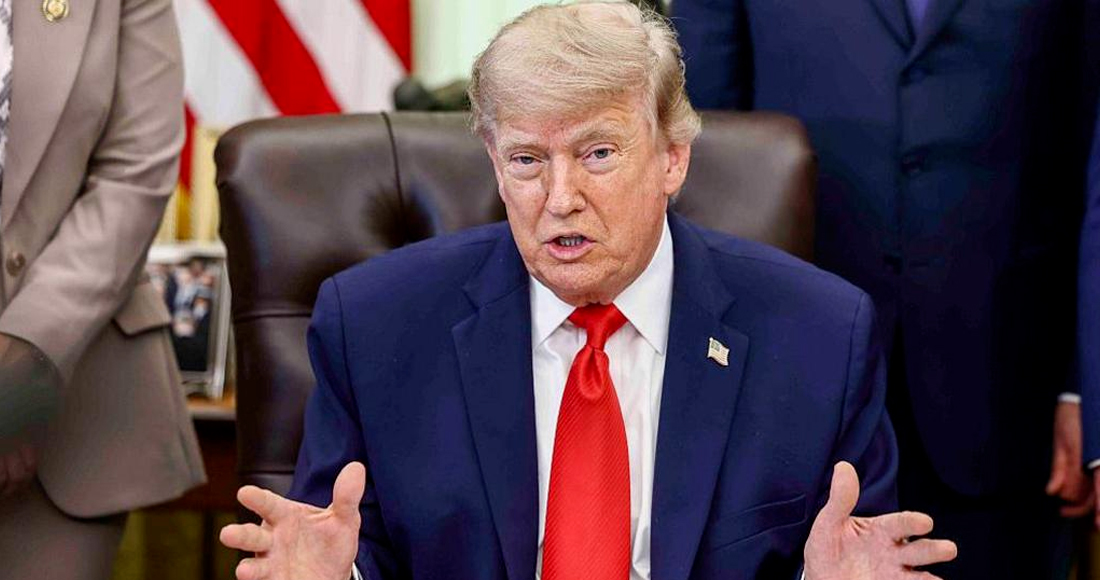
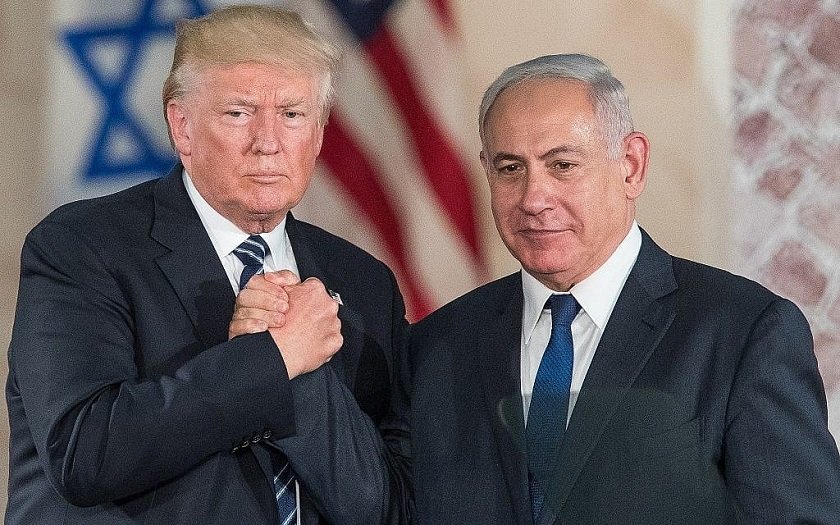
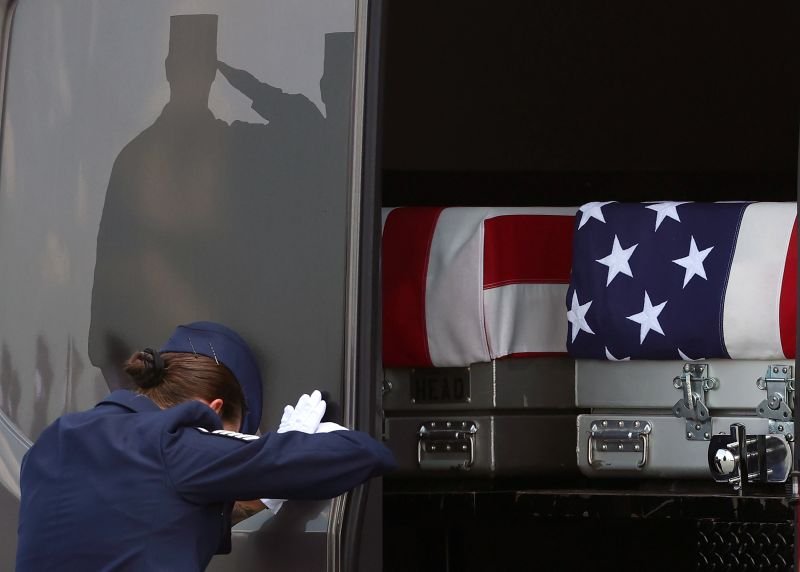
Kathmandu. US President Donald Trump has postponed the air strikes on Iran for the second consecutive day. US Ambassador to the United Nations Mike Waltz said that President Trump made this decision to give more time and opportunity for diplomatic talks. Speaking to Fox News on Sunday, Waltz said that President Trump wants to give some time for the talks to move forward. He clarified that the decision was made not to launch further military attacks immediately as there is a possibility of diplomatic efforts succeeding. In response, Iran has also temporarily halted its retaliatory attacks in the West Asia region. According to a spokesman for the Iranian army, Iran has adopted a policy of not retaliating as long as the US does not attack. For about two weeks, there were daily attacks between the US and Iran. This had made the ceasefire agreement reached in June ineffective. With both sides halting military action, there has been a significant drop in crude oil prices in the international market. On Monday, Brent crude oil prices reached about 91 US dollars per barrel when the market opened. Last week, oil prices had reached up to 100 US dollars due to concerns that supply would be affected by the war. In an interview with NBC, Waltz said that one should not conclude that President Trump has abandoned the military option. According to him, the US will keep all options open if necessary. He also denied news that the US administration's stock of missiles for air defense systems is decreasing. According to Waltz, the US military has sufficient military resources to conduct operations if necessary. However, US media reports indicate that some senior officials have suggested caution as the prolonged war is putting pressure on US arms stockpiles. Meanwhile, technical level talks were held in Tehran on Friday and Saturday between Iran and Oman regarding the management of the Strait of Hormuz. According to Iranian Foreign Ministry spokesman Ismail Baghei, the talks discussed the security and operation of the maritime route. Earlier this month, US-Iran tensions escalated over control of the Strait of Hormuz. Both countries had agreed in June to stop the war, reopen the waterway, and reach a long-term peace agreement within 60 days. However, after the Iranian army attacked some oil tankers in the Strait of Hormuz on July 13, the US resumed air strikes on Iran. Following this, Iran retaliated by targeting US military bases in the Middle East, in which four US soldiers were killed. According to Iran's Ministry of Health, dozens of people have lost their lives in US attacks. UK's new Defense Minister Wes Streeting has also said that he will meet with US Defense Secretary Pete Hegseth next week to discuss the security situation in the Strait of Hormuz. He said that Britain and the US hold the same view on the security of the world's major energy shipping route. As the war enters its fifth month, support for it within the US also appears to be declining. According to a recent CBS-YouGov survey, 57 percent of Americans are disappointed with the war, while only 19 percent are optimistic. Thousands of people have died across the Middle East in the war between the US-Israel and Iran, which began in February. Official figures show that most deaths have occurred in Iran and Lebanon. Meanwhile, President Trump is scheduled to meet with Israeli Prime Minister Benjamin Netanyahu at the White House on Tuesday. Detailed discussions on the war with Iran, regional security, and potential diplomatic solutions are expected in the meeting.
This specific news has been automatically translated by AI. As a result, there may be some inaccuracies or language errors.