Nepal and UN Launch Framework for 2028-2032 Sustainable Development Cooperation

Kathmandu. The Government of Nepal and the United Nations have formally begun the process of preparing the United Nations Sustainable Development Cooperation Framework (UNSDCF) for the period 2028-2032.
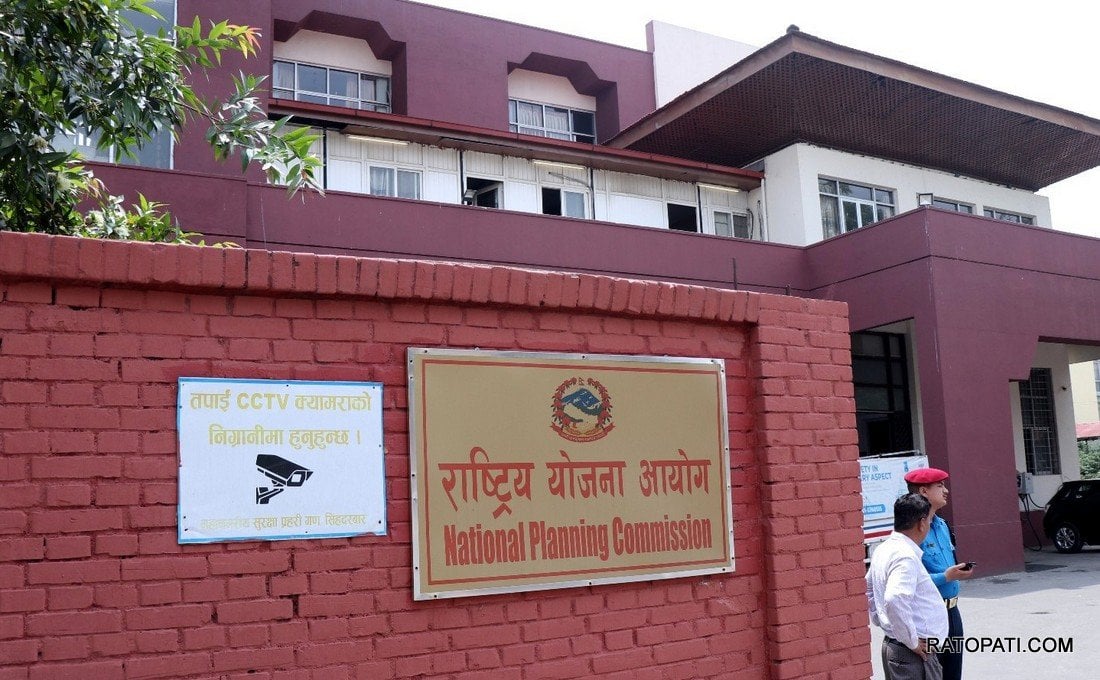
The annual meeting of the UNSDCF Joint Steering Committee, co-chaired by National Planning Commission Vice Chairman Dr. Gunakar Bhatta and UN Resident Coordinator for Nepal, Ms. Lila Peters Yahya, held on Friday reviewed the progress of the currently implemented cooperation framework and set priorities for the next 18 months.
The meeting also approved the roadmap for preparing the new cooperation framework for 2028-2032. The new cooperation framework, to be prepared under the joint leadership of the Government of Nepal and the United Nations Country Team, will be coordinated with Nepal's Sixteenth Plan and its development journey after graduating from Least Developed Country (LDC) status. The new framework aims to be signed in July.
At the meeting, Vice Chairman Dr. Bhatta praised the support provided by the United Nations in implementing the Sustainable Development Goals (SDGs), preparing for LDC graduation, mobilizing financial resources for sustainable development, mitigating the impacts of climate change, and strengthening institutions.
He emphasized the need to utilize Nepal's demographic dividend, rapid digital transformation, clean energy potential, and the global network of non-resident Nepalis as important foundations for Nepal's long-term prosperity.
He stated that the new cooperation framework should be prepared in full alignment with national priorities, be evidence-based, and address Nepal's development needs and aspirations.
The meeting also reviewed the achievements made through the current cooperation framework. It was mentioned that climate and disaster resilience capacity has been enhanced through the Climate Change Financial Framework, Nationally Determined Contributions (NDC 3.0), the 'Living Sagarmatha Mountain Resilience Strategy,' and preparedness-based disaster management.
Similarly, significant progress has been made in areas such as developing a national model linking school feeding programs with local agricultural production, skill development for women and youth, financial access and entrepreneurship promotion, private sector participation and job creation, ending child marriage, reducing gender-based violence, the Convention on the Elimination of All Forms of Discrimination against Women (CEDAW) action plan, improving legal identity, and electoral assistance.
It was noted that the eradication of rubella, the continuation of kala-azar control, and successful vaccination campaigns for millions of children and adolescents through the cooperation of the United Nations and the Government of Nepal have provided a basis for further investment in human capital development and inclusive economic prosperity.
Given that the deadline for achieving the Sustainable Development Goals by 2030 is approaching and LDC graduation is also imminent, the meeting discussed expanding women's economic participation, skill development and decent employment for youth, entrepreneurship and promotion of small and medium enterprises, and accelerating climate-friendly development and digital transformation.
The United Nations pledged to continue supporting the Government of Nepal in the effective utilization of available resources, improving capital expenditure performance, accelerating project implementation, and mobilizing innovative financial resources, especially as Official Development Assistance (ODA) is declining globally.
UN Resident Coordinator Yahya stated that the accelerated implementation of Sustainable Development Goals will facilitate economic growth, enhance resilience, and LDC graduation. She expressed confidence that by linking investments in women and youth, skill development, decent employment, entrepreneurship, climate-friendly and digital economies with human rights, gender equality, and inclusivity, Nepal can build a more resilient, prosperous, and inclusive future.
This specific news has been automatically translated by AI. As a result, there may be some inaccuracies or language errors.