Squatters Face Hardship After Eviction

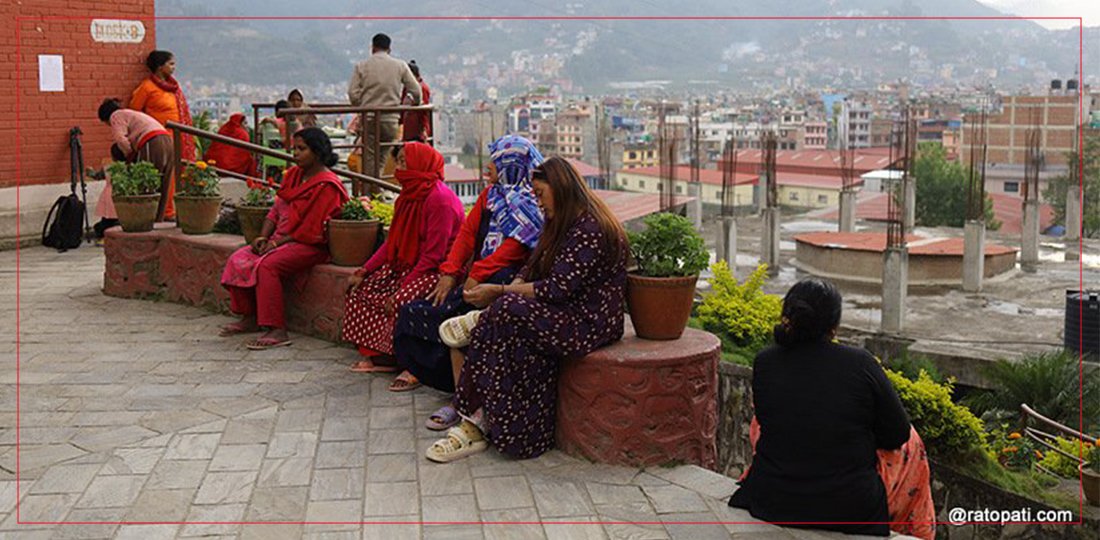
Kathmandu. Squatters are in dire straits after the government evicted them from riverbanks. Those who suddenly left their homes have neither been resettled nor permanently managed by the government.
Although 'holding centers' have been set up in various districts to alleviate the immediate humanitarian crisis, no permanent solution has been sought. Currently, these shelters are filled with suffering and deprivation.
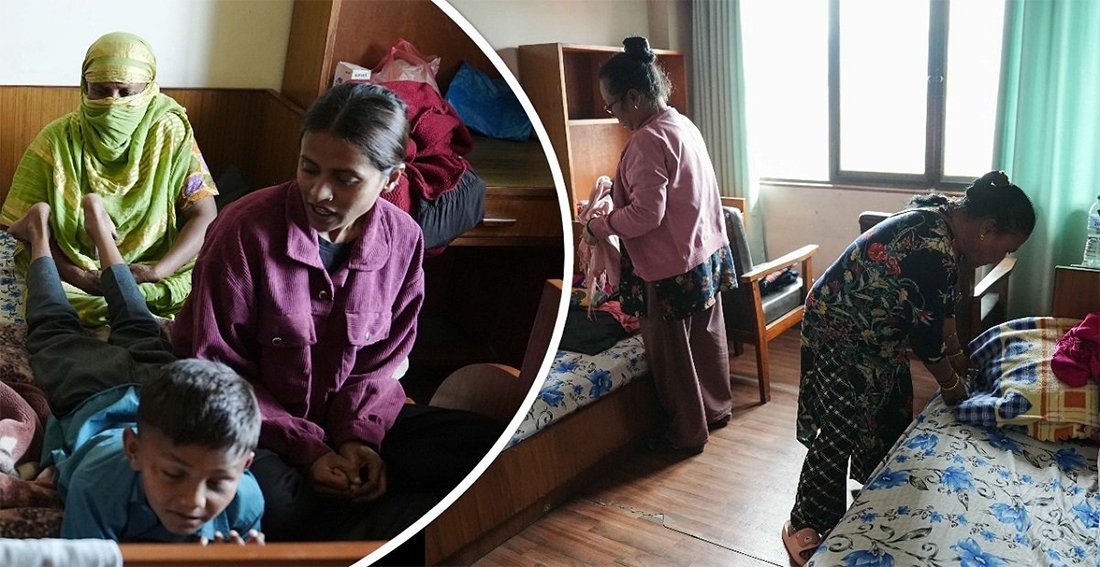
The condition of the displaced squatters housed at the Nepal Red Cross Society's training center in Banepa, Kavre, is similar. After the government stopped the free food and accommodation facilities provided in the holding centers, some families taking shelter there are forced to go hungry.
The displaced are angry at the state's character of appearing to offer protection with great assurance and sensitivity at first, but ultimately abandoning them by depriving them of basic necessities. Squatters displaced from the riverbanks of Kathmandu and now in holding centers say, 'The government seems to care for us, but in reality, it always disrespects us.'
Ramamaya Pariyar, living a difficult life in the Banepa holding center, has tearful eyes. Holding her child, her mind is constantly plagued by worries about what to eat and where to go in the coming days. She is even more anxious as the government stopped providing food a few days ago. 'When the bulldozer ran over our settlement, we were told not to worry about living on the streets and that the government would arrange everything, so we were brought here,' says Ramamaya. 'But now they have stopped the food. When we go to look for rooms, no one is willing to rent to us when they know we are squatters or have been evicted from the riverbanks. Half of the 25,000 rupees given by the government is about to run out. We are managing our meals by buying dalmoth and chiura,' she said.
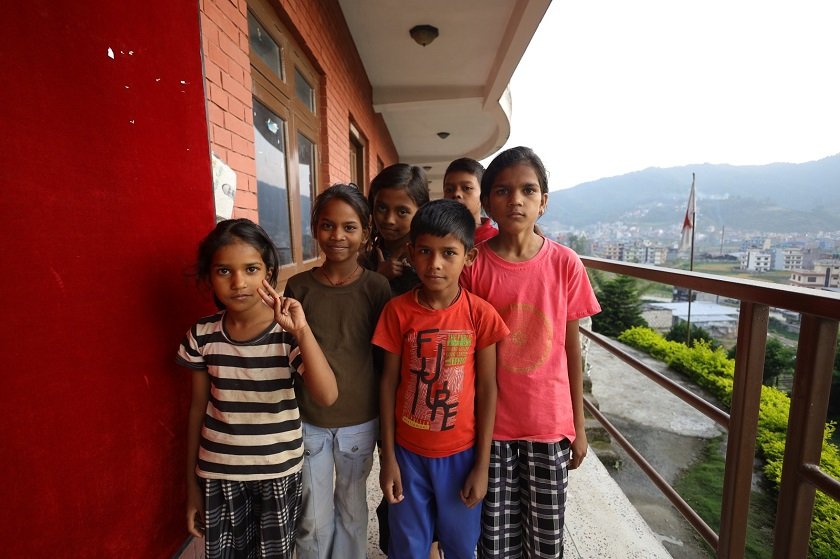
The suffering of other displaced people in the Banepa center is similar to Ramamaya's. They demand that even if the government doesn't provide a permanent roof, it should at least guarantee basic food and shelter until an alternative is found.
This problem is not limited to Banepa. The complaints and suffering of squatters dependent on holding centers in areas like Kharipati and Bode in Bhaktapur are also similar. Approximately 388 families evicted from various 27 riverbank settlements in Kathmandu were housed in holding centers in various locations. However, their suffering has increased since the government decided not to extend the term of the holding centers and cut off facilities including food after June 19.
Why are the squatters angry?
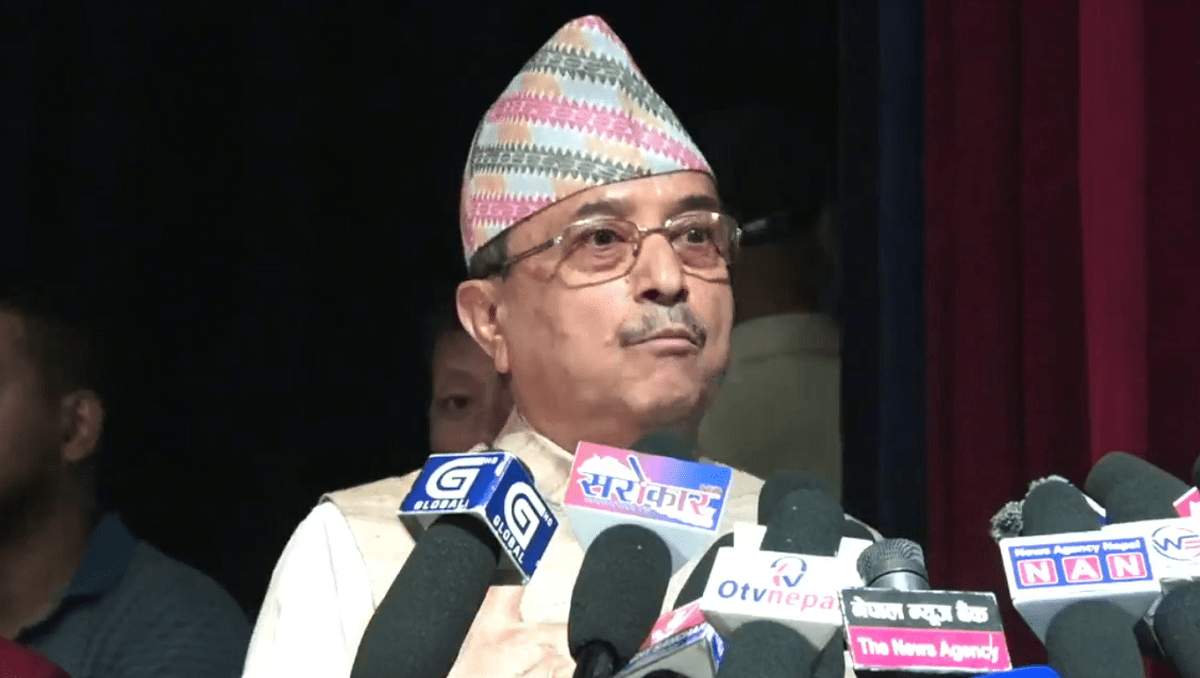
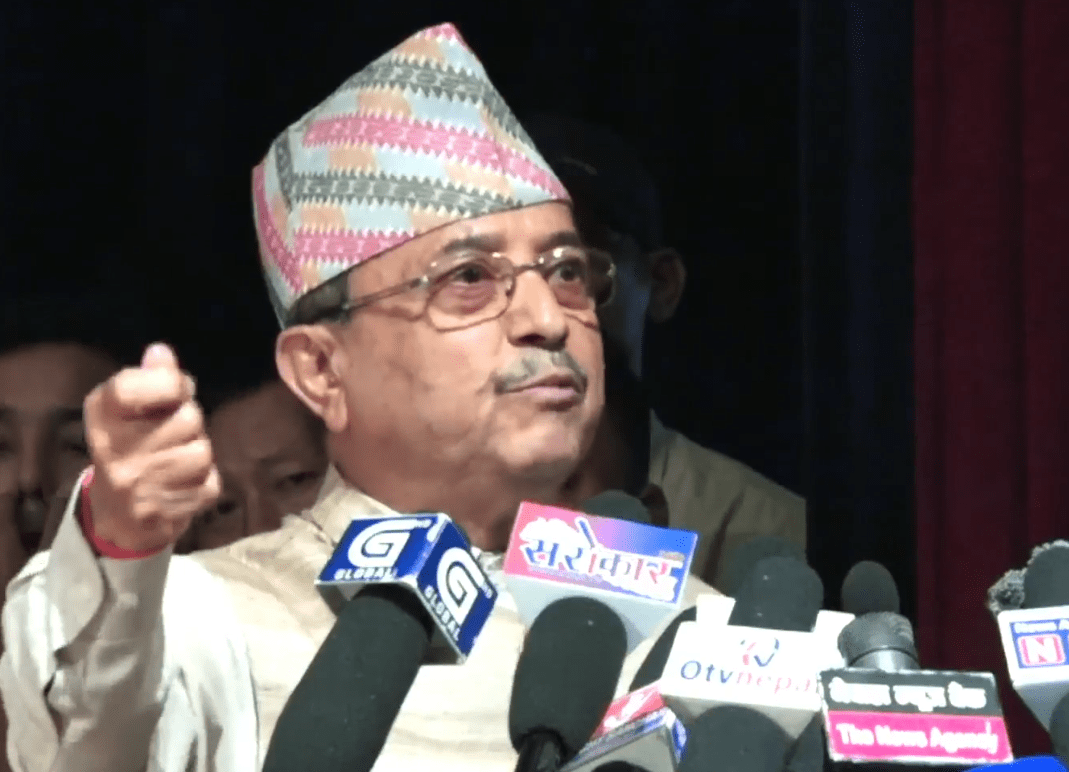
According to Dr. Anand Singh Bhat, Executive Director of the Bagmati Civilization Integrated Development Committee, most families in Banepa have already received relief money for temporary housing and food from the government. The committee claims that the dispute arose when some individuals who had rented rooms with the relief money returned to the holding centers demanding food, after signing an agreement to manage on their own with the initial Rs 25,000 provided by the committee.
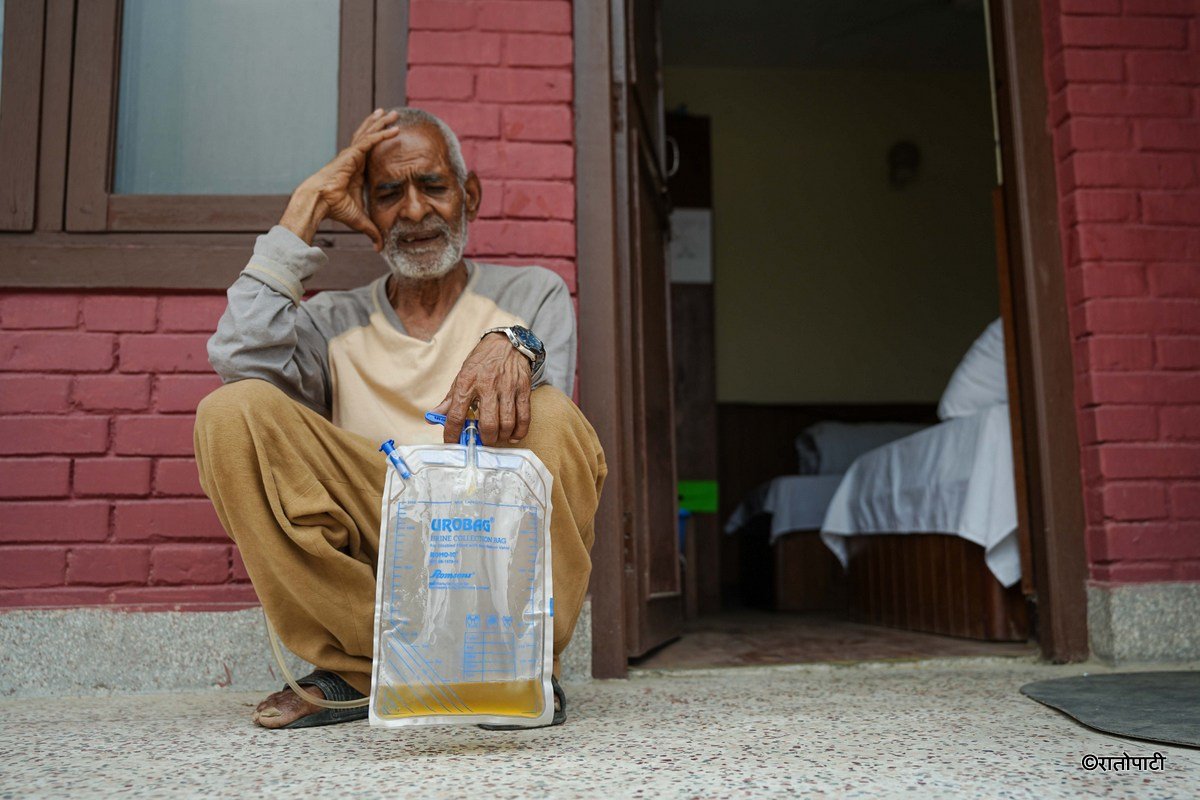
According to the committee, out of a total of 45 households in the Banepa center, 39 families have voluntarily accepted the relief money and made their own arrangements. Bhat claims that initially only 6 families remained, but now some families have returned to the center and are complaining about food shortages. Executive Director Dr. Bhat alleged that individuals who have already received money are returning and going to the media claiming their problems are unresolved, seeing that food is being distributed by the government in other centers.
According to the committee, various families are currently temporarily housed in the centers in Ichangunarayan, Kharipati, and Bode. Currently, 41 families comprising 89 members, most of whom are sick, disabled, and elderly, are living in the housing in Ichangunarayan. The committee claims they are kept there considering their need for protection and health condition.
Similarly, families relocated from the Radhaswami area are housed in Bode and Kharipati in Bhaktapur. Currently, 46 families are dependent at the Kharipati training center, while 23 families are housed in Bode. According to the data provided by the committee, out of a total of 388 people in the past, 327 have accepted the government's relief package and left the holding centers to make their own arrangements. Only those remaining and those affected by rain and floods are currently being temporarily sheltered in these various government centers.
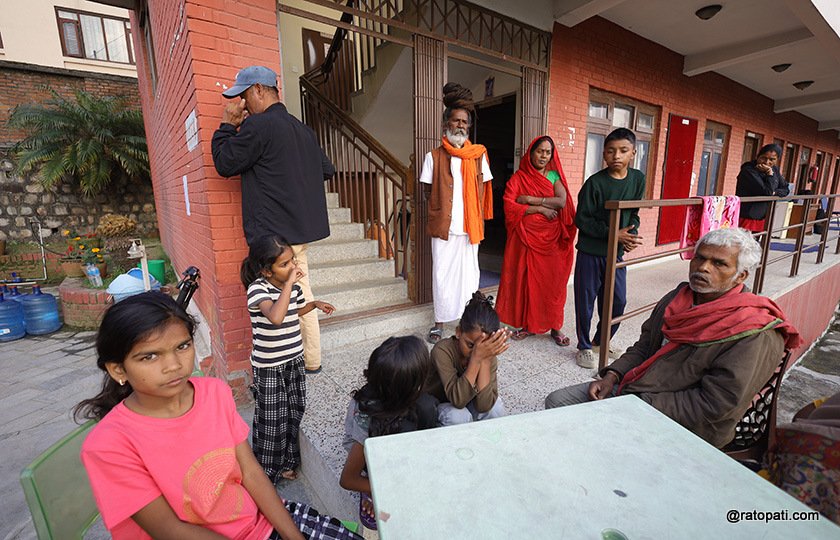
Committee says: Squatters fear the government will forget them
The problem is becoming more complicated due to the confusion and ambivalent attitude of some displaced families in the process of squatter management. After the government provided cash relief for temporary housing, most have started renting rooms. However, those who have rented rooms are still showing their presence in the holding centers out of fear that the government might forget them, the committee stated. This leads some individuals to stay in their rooms and also come to the holding centers during the day or at specific times.
According to Executive Director Dr. Anand Singh Bhat, some individuals are demanding to continue staying in the holding centers and receive food even after receiving the relief money. He argues that this desire for dual presence creates problems in identifying the difference between genuinely affected individuals and those who have already received relief.
What is the government doing for permanent management?
The Bagmati Civilization Integrated Development Committee has stated that it is coordinating with the Land Problems Resolution Commission for the permanent management of genuine landless people along the Bagmati riverbanks. The commission is proceeding with collecting data of the landless and providing them with land on a priority basis. Coordination and contact have also begun with some districts to manage their local squatters within their home districts.
To facilitate the livelihood of those temporarily renting rooms, the committee is preparing to offer packages not only for housing but also for employment and health. For this, coordination is being done with the Ministry of Labor and Employment to fill out employment forms according to their skills and desires. It has also been stated that health insurance will be provided in coordination with the Ministry of Health, and arrangements will be made for children's education. The government's plan is to make them self-reliant by adopting these alternative measures until they receive permanent land.
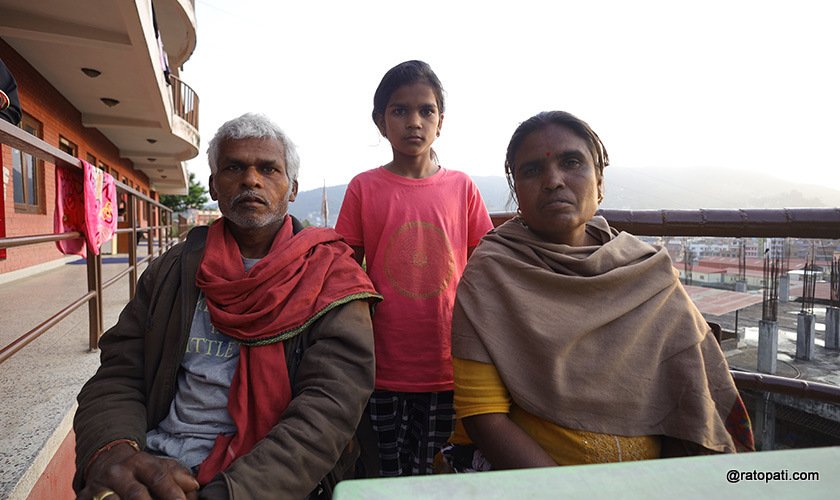
'Giving money is not enough'
While government officials claim their administrative responsibility is fulfilled by providing Rs 25,000 in relief, the daily reality for the common people is very different and difficult. Jitendra Mahato, who advocates for the rights of squatters after their settlements were bulldozed, says, 'In Kathmandu and surrounding areas, landlords refuse to rent rooms as soon as they hear someone is a squatter or has been evicted from the riverbanks. There is still deep prejudice in society regarding their financial status and social standing. When looking for rooms, we have to hide our identity or return empty-handed without finding a place.'
He stated that with the current market inflation, Rs 25,000 is not enough to cover three months' rent, necessary deposit, water, electricity bills, and daily food expenses in the Kathmandu Valley. He mentioned that the practice of paying advance rent when renting a room means the amount will be exhausted even before moving into a room.
Article 37 of the Constitution of Nepal guarantees the right to adequate housing as a fundamental right for every citizen. Similarly, national and international laws related to the right to housing clearly stipulate that no citizen should be forcibly removed from their dwelling without a suitable and permanent alternative. The Supreme Court has also issued directive orders to the government on various occasions regarding the eviction of settlements along riverbanks, instructing that settlements should only be removed after identifying and properly rehabilitating genuine landless and squatters.
In practice, however, there is a lack of coordination among government bodies.


This specific news has been automatically translated by AI. As a result, there may be some inaccuracies or language errors.
_cvUCBlwFTZ.jpg)