Ukraine Faces Growing Violence Against Military Recruiters Amidst War Strain

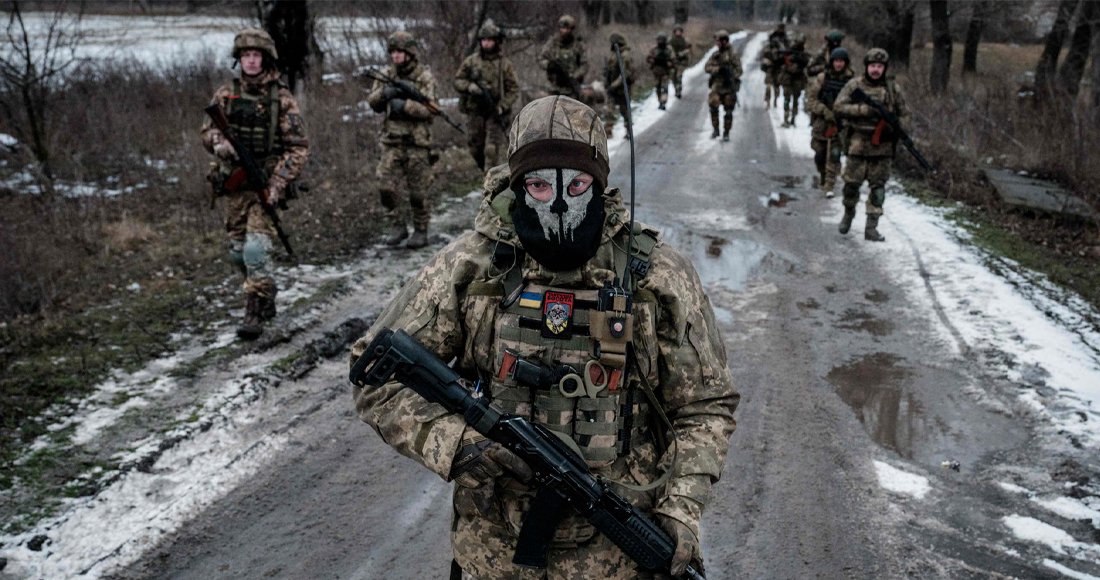
Kyiv. Vasil Krupich knows well what it means to fight for Ukraine. He survived the Russian forces' attack by firing a machine gun, sometimes praying and sometimes crying, on the horrific battlefield in the eastern Donbas region.
But last December, while on duty in the western region, he was attacked by his own countrymen while searching for those who had deserted military service and fled. According to him, two men fled, refusing to show their identification.
As the patrol team pursued, Krupich was brutally beaten with an iron rod. As a result, he had to spend six weeks in the hospital.
'They broke my ribs, I was lying there. I couldn't breathe,' he lamented. He questioned what they were fighting for if soldiers themselves had to be beaten.
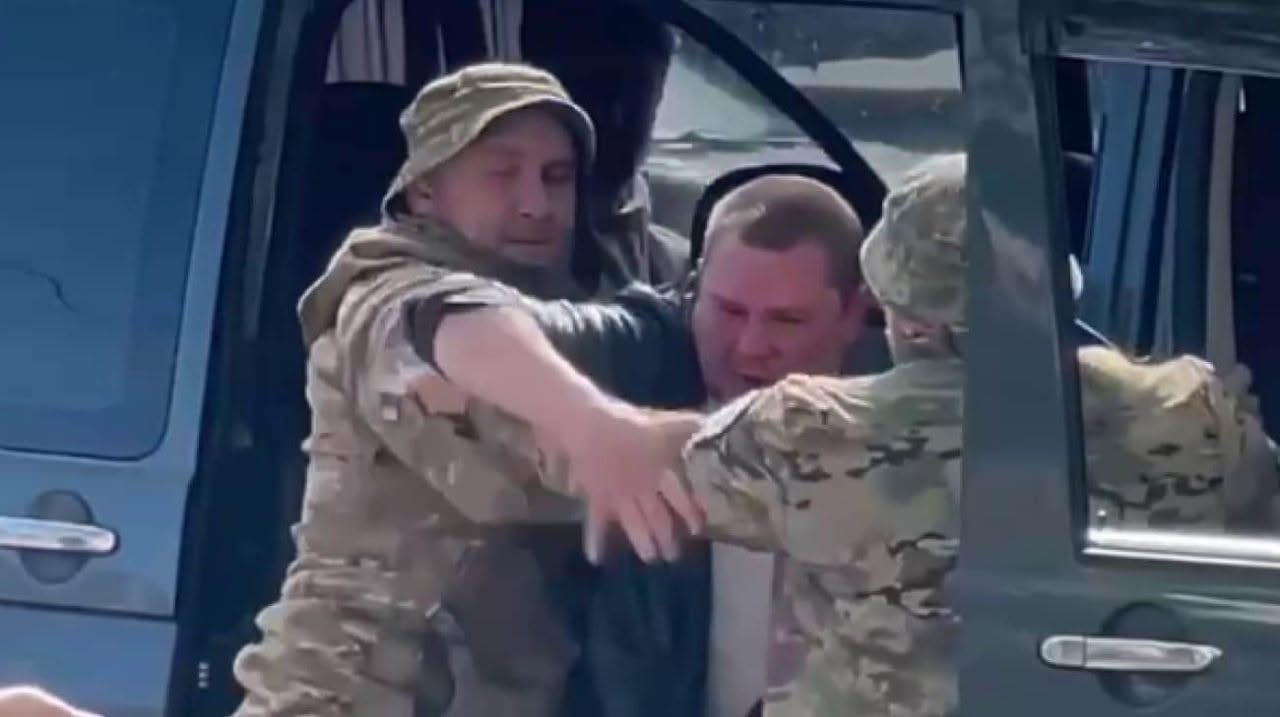
Ukraine's military ombudswoman has stated that such attacks have become a regular and major problem as Russia's full-scale invasion enters its fifth year and the country struggles with military mobilization. People are reluctant to talk much about this issue for fear of fueling Russian propaganda.
However, a recent report from the National Police Service indicates that over 600 attacks on recruitment officers have been registered, warning that this violence is becoming increasingly dangerous.
The first warning bells rang in April when some recruitment officers were stabbed. This month in Lviv, about 200 protesters surrounded officers and vandalized and overturned their vehicle while trying to apprehend a suspected deserter. This riot became major news after President Volodymyr Zelensky condemned the violence against serving soldiers.
Attempts to resolve the military recruitment crisis have stalled after the president dismissed Defense Minister Mykhailo Fedorov due to disagreements with the commander-in-chief and work style. However, the anger that erupted in Lviv shows that its resolution is urgent.
The primary reason appears to be the fear of being deployed to the front lines, where everyone now knows someone who has been injured or killed, and the unwillingness to participate in a war that seems to have no end. Enthusiasm for military mobilization has waned since Ukraine launched its counteroffensive in the latter half of 2023 to reclaim the southeastern territories.
According to opposition MP Oleksandr Honcharenko, the phase of 'ruthless military mobilization' began thereafter. He states that this has led to public anger.
'These officers are hunting people on the streets and sometimes resort to very violent methods,' he added, 'Violence breeds violence. This is a big problem and it will get worse.'
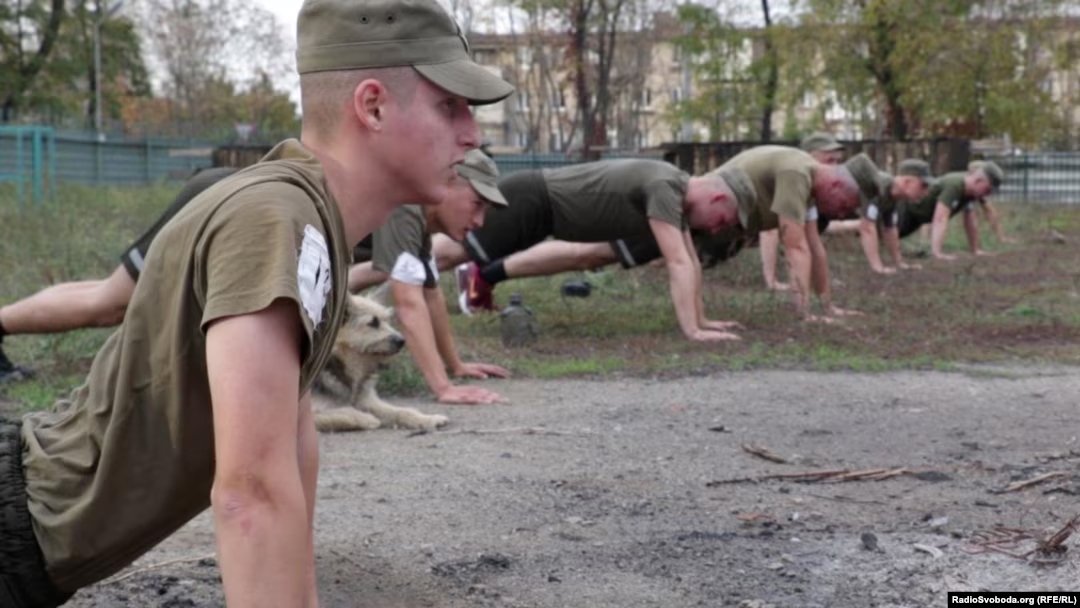
Military analyst Ivan Stupak agrees. 'We started experiencing a shortage of manpower on the battlefield and continuous casualties,' he recalled, 'Ukraine's high command had to compensate for those losses, so they started 'busification'.'
Ukrainians have given this name to the process where patrol teams forcibly put people into buses and send them for service. If an additional 5,000 people are needed, they start apprehending them, and if they refuse, fights break out on the streets.
Along with reports of attacks on recruitment officers, details of violence perpetrated by recruiters themselves have also emerged. Ukraine's Human Rights Commission registered over 6,000 such complaints last year, double the number in 2024. These include claims of abuse, illegal detention, and poor conditions at recruitment centers.
Kirilo Ohdanski, a professor at Dnipro University, still becomes emotional when talking about the incident he experienced last November. He, who had an exemption from military service, was stopped on the street by a plainclothes individual who inquired about his situation. When he objected, as police are supposed to be present on such patrols, he was assaulted.
'One person snatched my phone from my hand, and two people pushed me into the bus from behind,' he said, 'When I asked what was happening, one person started hitting me on the head and repeatedly on the nose.'
He was threatened with being sent directly to the front lines. The professor had to spend two weeks in the hospital with a neck injury and bruises under his eyes.
Although he filed an official complaint, he was hesitant to speak publicly. 'Russian propaganda uses such things very actively, but this problem exists,' he clarified, 'If everyone remains silent, how will it stop? I understand the recruitment problem, but no official has the right to treat anyone like this.'
Soldier Vasil Krupich has seen many horrific scenes in the war. Having volunteered at the beginning, he survived terrifying battles.
He proudly bears a tattoo on his chest that reads 'Glory to the Armed Forces of Ukraine,' but now those scenes haunt him. He was seriously injured when an FPV drone hit his vehicle, and he saw two of his friends burn to death.
When he talks about the increased attacks on recruitment officers now, his words are filled with pain. He says, 'We did our duty, we fought, we defended our people, and now they are attacking us.'
When asked how people could be attracted instead of being forced, he suggests increasing salaries. But then, shrugging, he adds, 'It can't be done differently, our friends have to be replaced, but no one volunteers. Everyone is afraid to die.'
During his six-month tenure, former Defense Minister Fedorov had initiated reforms to solve this crisis. He had tried to make military service attractive by arranging fixed-term contracts and better salaries for new recruits. But he was removed from office while those efforts were still in process.
Proposals have also been put forward to assign the responsibility of recruitment patrols to the police, and to provide officers with proper training and psychological testing. Ukraine has openly admitted to having a problem, but they currently only have an acting defense minister, and a concrete solution to the problem has yet to be found.
This specific news has been automatically translated by AI. As a result, there may be some inaccuracies or language errors.