Congress Opposes Province Government Without Opposition

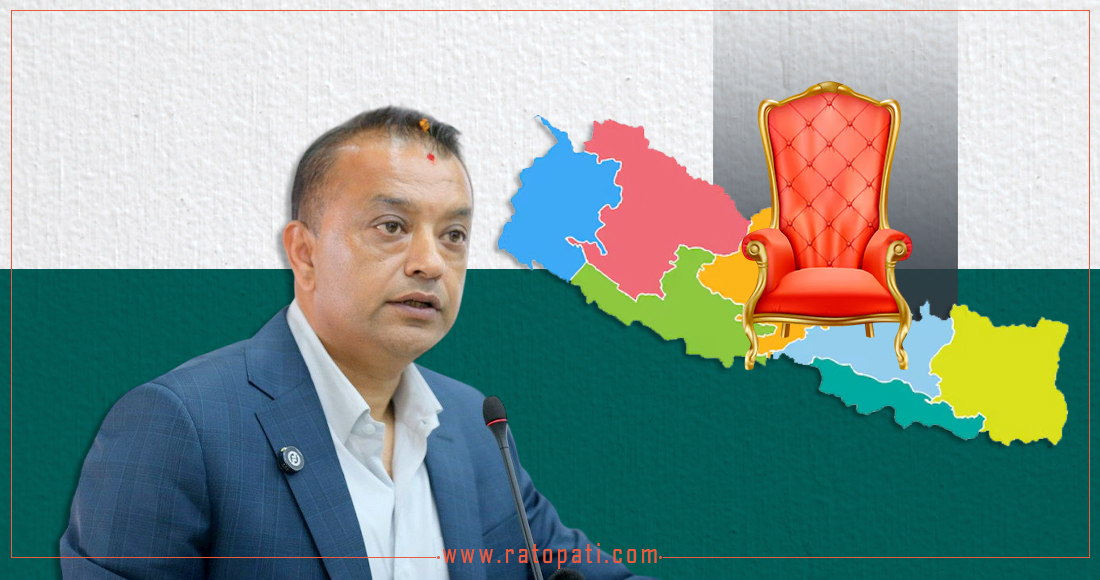
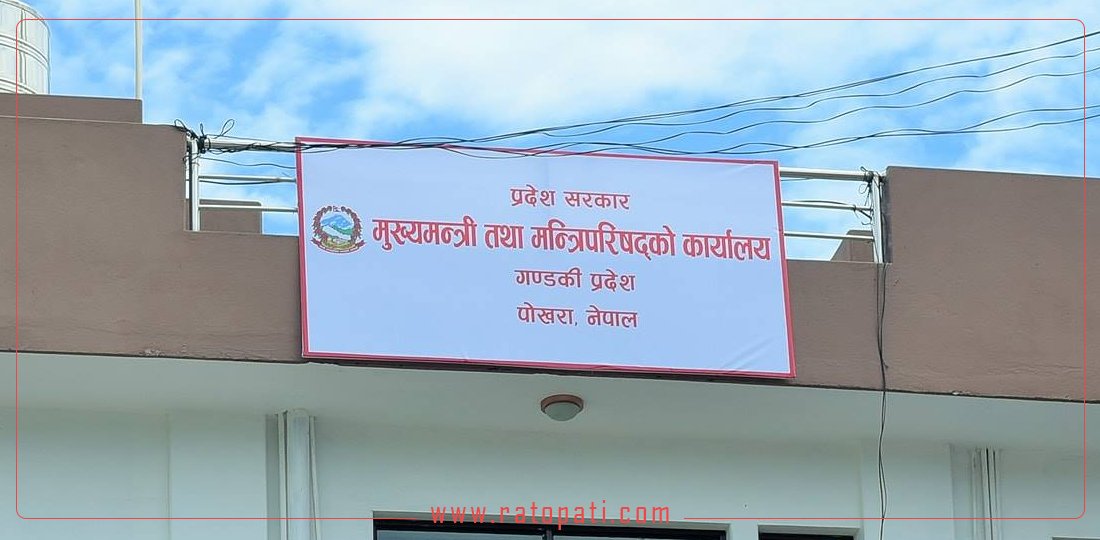
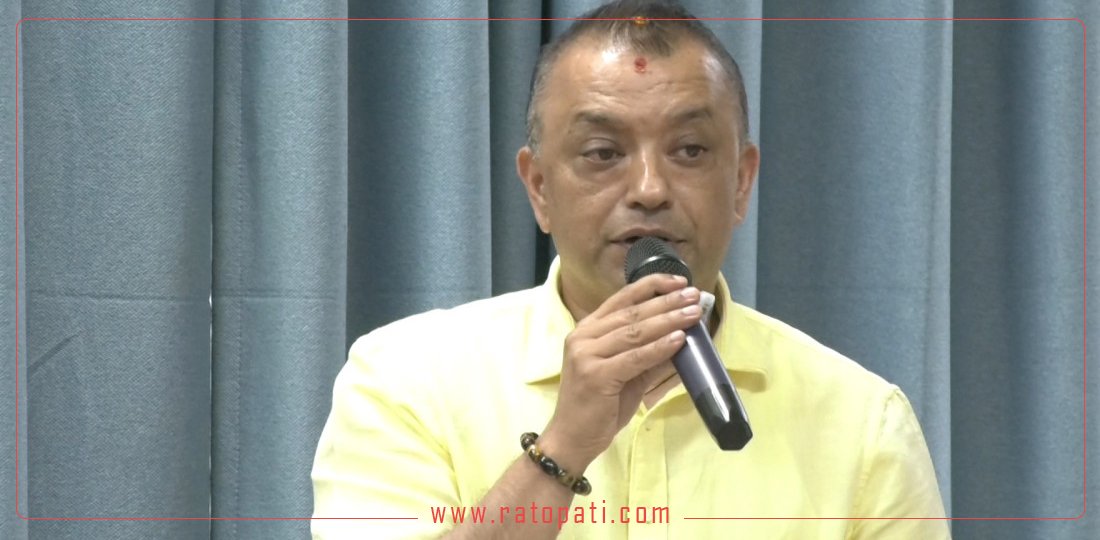
Kathmandu. While efforts to change governments in the provinces are intensifying, Nepali Congress President Gagan Thapa has stated that the party has a clear stance that the main three parties, Congress, CPN-UML, and Communist Party of Nepal, should not form provincial governments.
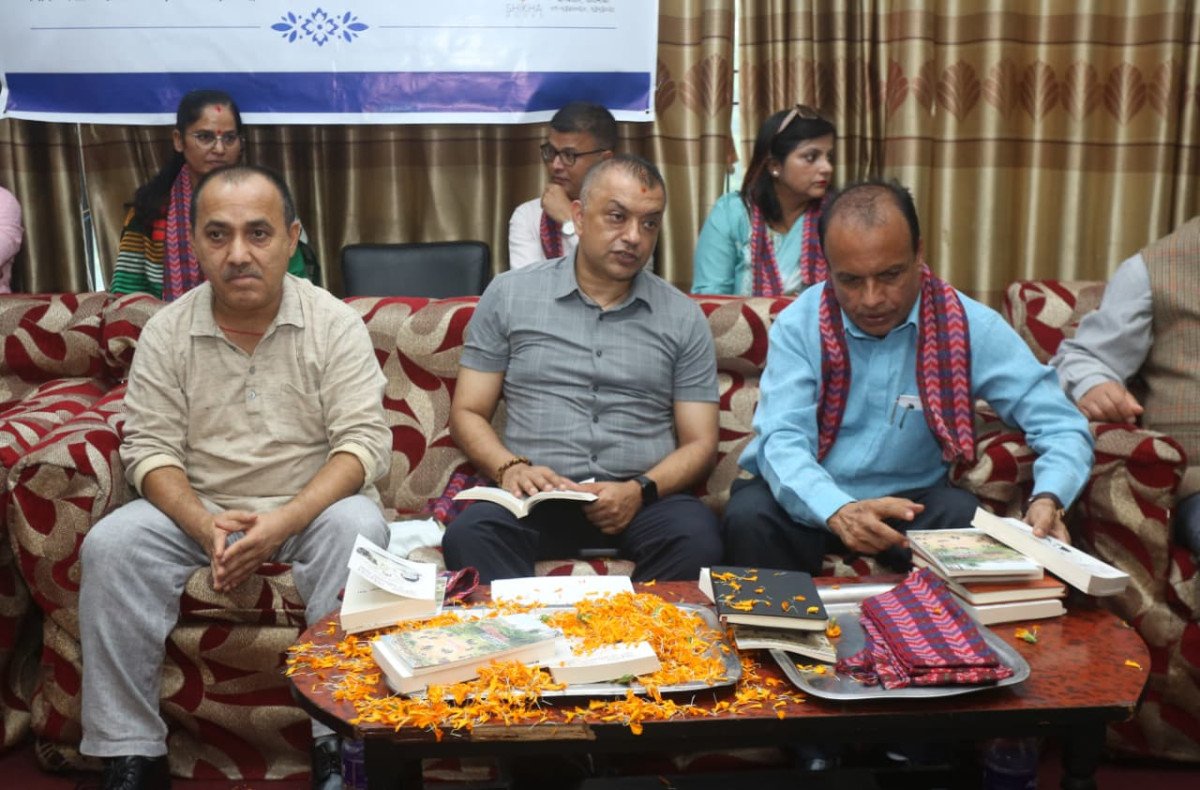
Speaking at a program to unveil the statue of saintly leader Krishna Prasad Bhattarai and inaugurate the 44th BP Smriti Saptah in Lalitpur last Sunday, President Thapa said that if the main three parties form a government, the provincial assembly will be without an opposition, which would be against the mandate of the people.
President Thapa stated that Congress would outright reject any proposal for a provincial assembly without an opposition. Thapa argued that a parliament without an opposition weakens democratic values.
Although Congress has not made an official decision on this matter, President Thapa and Vice President Bishwaprakash Sharma have made similar public statements.
Speaking at a press conference organized at the party office in Sanepa on Monday, Sharma stated that Congress's bottom line regarding provincial government changes is that there should be no opposition. 'As provincial governments are being formed and reshuffled, we want to reach a conclusion without envisioning a situation without an opposition,' Sharma said, 'If necessary, Congress is also ready to sit in the opposition for that, but we do not say that all parties must be in the government against the psychology of the citizens.'
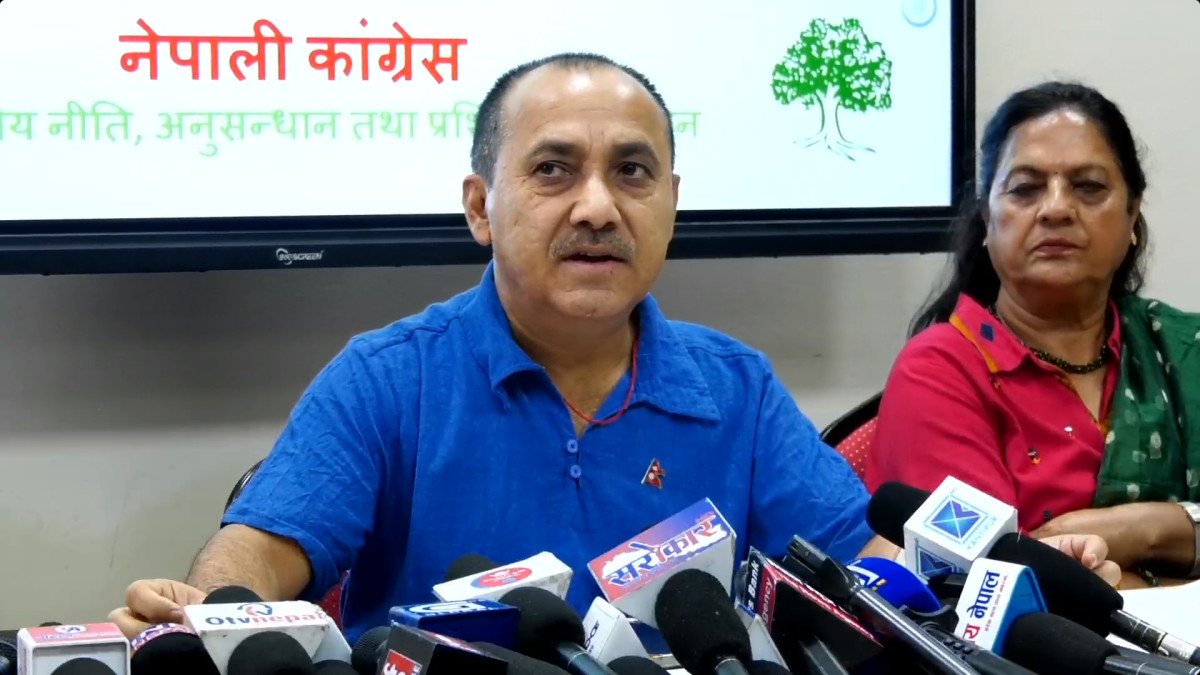
With similar statements from President Thapa and Vice President Sharma, it is not difficult to infer that this is Congress's bottom line. The statements of these top Congress leaders suggest that the possibility of Congress, UML, and Communist Party of Nepal (three parties) forming a government in the provinces is unlikely.
During the election campaign for the House of Representatives election held on February 21, President Thapa had been campaigning, stating that Congress would not form alliances. Some people say that this speech is causing difficulty for Congress to form alliances now.
However, Congress General Secretary Pradip Paudel says that President Thapa's speech at that time meant that Congress would not form alliances in the election. 'The President's speech at that time meant that Congress would not form alliances in the election. We did not form alliances in accordance with that statement,' General Secretary Paudel told RatoPati, 'Now our statement is that the province should not be without an opposition. Congress's belief is that two parties should agree to run the government and there should be an opposition in the democratic system, whether in the province or at the center.'
Leaders say that Congress made a policy decision during the House of Representatives elections not to form alliances with any party before the elections. Leaders close to Thapa said that the pre-election alliance would diminish the party's original identity and organizational strength, and his current stance on provincial government formation is a continuation of that policy.
President Thapa and Vice President Sharma are also stating that instead of all major parties joining the government in the name of power sharing, Congress can voluntarily sit in the opposition and monitor the government's activities. Congress leaders argue that Congress must take on the responsibility of protecting the presence of the opposition to raise public interest issues in the provincial assembly and make the government accountable.
However, Congress has not yet made an institutional decision on this. General Secretary Paudel informed that an institutional decision would be made by calling a meeting if necessary.
This specific news has been automatically translated by AI. As a result, there may be some inaccuracies or language errors.
_mKzzIyOWNL.jpg)
_kE6hmvuewe.jpg)