Drug Price Adjustment Proposed Based on Indian Market

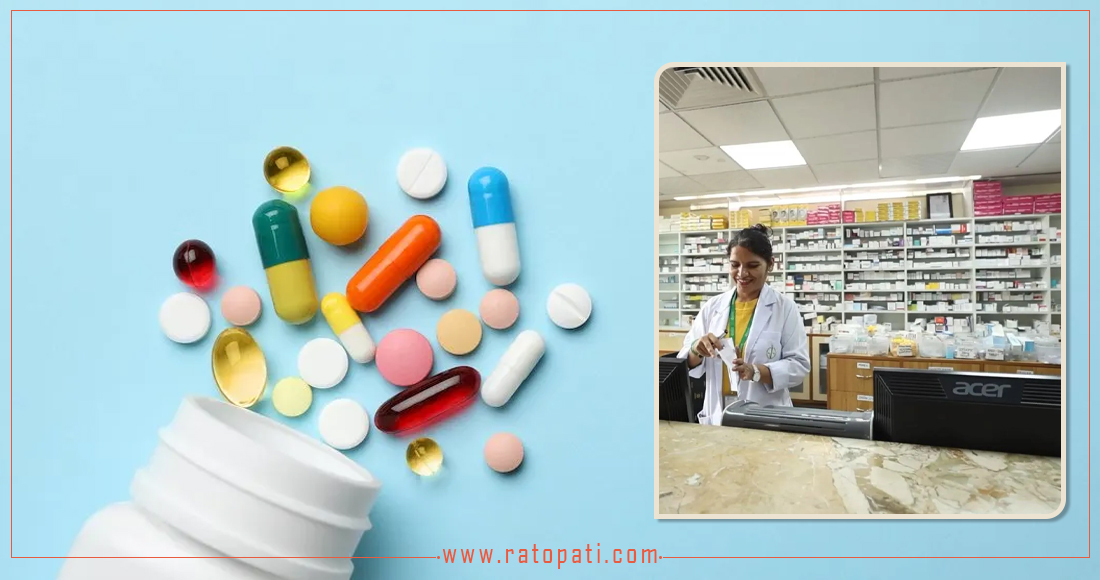
Kathmandu. The Drug Price Monitoring Committee has proposed to the Drug Consultative Council meeting to adjust drug prices based on the current price system in the Indian market.
The Drug Price Monitoring Committee has proposed to adjust drug prices in Nepal by making the prices of the Indian regulatory body ‘NPPA’, i.e., the National Pharmaceutical Pricing Authority, the main basis.
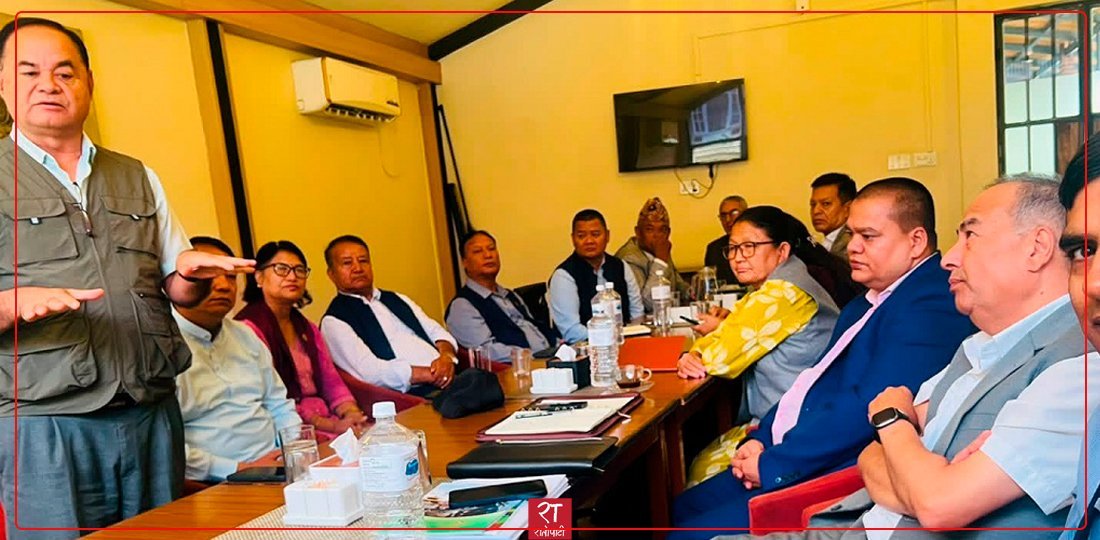
The decision of the Drug Price Monitoring Committee meeting, held after seven years, will be submitted to the Drug Price Determination Committee. The committee meeting held on Friday under the chairmanship of Shivani Khadgi, acting Director General of the Department of Drug Management, put forward a proposal regarding price adjustment. In the meeting, the Department of Drug Management had put forward a proposal to reduce the prices of medicines that have decreased in India, in Nepal.
A representative who participated in the meeting informed Ratopati that the meeting passed a proposal to set new prices for some medicines in the first phase and adjust drug prices every year.
Santosh Baral, General Secretary of the Association of Pharmaceutical Producers of Nepal, who participated in the meeting, informed that a proposal has been made to adjust the prices of only 70-75 out of 117 types of medicines. Baral said, ‘The meeting of the Drug Price Monitoring Committee was held after almost 7 years. The meeting of the Price Monitoring Committee was not held for a long time despite efforts.’
He said that the government itself held a meeting of the Price Monitoring Committee and set the prices of 117 medicines after some medicines, including cancer and some ‘large volume parenteral’ medicines, started becoming scarce and it became impossible to produce them at the fixed price or import them.

Baral said that the prices of 75-76 products out of them needed to be adjusted. He said, ‘The meeting was held after discussions among the Association of Pharmaceutical Producers of Nepal, Nepal Pharmaceutical Association, importers, and doctors, concluding that the prices of medicines that are already scarce in the market, that patients cannot get, and that doctors cannot get even when prescribed, need to be adjusted.’
He said that it has been agreed to adjust the prices of only 70-75 out of the 117 types of medicines set by the Government of Nepal. He stated that the discussion was to first finalize the prices of medicines that are currently scarce, and only then discuss other medicines.
This decision of the monitoring committee will now be sent to the Drug Price Determination Committee and the Drug Consultative Council for approval by the Council of Ministers.
Most medicines in Nepal are imported from India. India has adopted a system of adjusting drug prices up to twice a year by its drug price regulatory body. Baral said, ‘Most medicines are imported from India. In India, DPCO (Drug Pricing Control Order) adopts a method of adjusting drug prices up to twice a year. Based on that, it was decided to adjust prices in Nepal according to the prices in DPCO.’
A joint meeting of the Ministry of Health, Department of Drug Management, doctors, and representatives of pharmaceutical manufacturers and importers decided to adjust the prices of 70 to 75 out of the 117 types of medicines set by the government. Considering that about 90 percent of medicines in Nepal are imported from India and some are also imported from Bangladesh, the market price of India’s ‘Drug Pricing Authority Organization’ will be taken as the main basis for this adjustment.
This decision of the monitoring committee will now be sent to the Drug Price Determination Committee and the Drug Consultative Council for approval by the Council of Ministers.
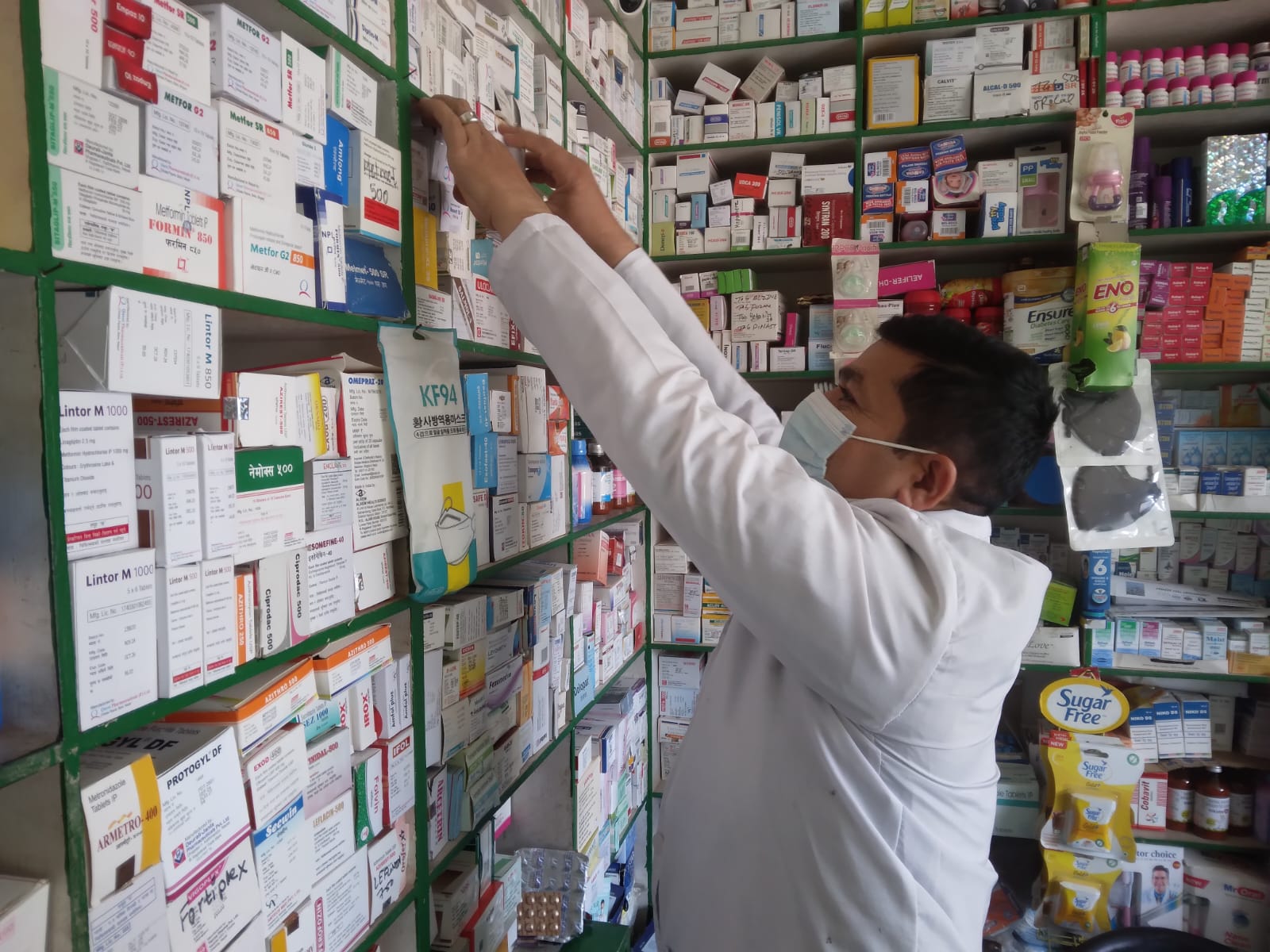
Specifically, due to the need to supply based on the minimum price list published in the gazette 12 to 18 years ago, essential medicines like ‘Carboplatin’ and ‘Cisplatin’ used in cancer treatment have become scarce in the market. As the prices have increased in the international market, patients' treatment is being affected because government hospital pharmacies cannot purchase these medicines through tenders at the fixed old rates, while they are being sold at higher prices in the private sector.
Stakeholders have expressed confidence that the supply of medicines in the market will be facilitated immediately after the price adjustment, as suppliers will be able to import medicines easily and cover production costs.
Pawan Acharya, President of the Nepal Drug Importers Association, said that the issue of adopting an automatic pricing system for medicines should be raised. He said, ‘An automatic pricing system should be adopted. It is also permanent, transparent, and scientific. I raised the issue in the meeting that the commitment given by the former Minister of Health and Food Hygiene, Nisha Mehta, regarding the automatic pricing system should be implemented.’
Dr. Ujjwal Chalise, Executive Director of Bhaktapur Cancer Hospital, who participated in the meeting, emphasized the need for immediate price adjustment to alleviate the shortage of essential medicines used in cancer treatment in the market.
Expressing his views at the meeting of the Drug Price Monitoring Committee, he said that problems have arisen because the supply is being attempted based on the price list published in the gazette 12 years ago. He said, ‘The meeting of the Drug Price Monitoring Committee has not been held for a long time. Discussions were held on the reasons for the shortage of medicines like Carboplatin and Cisplatin used in cancer treatment.’
He stated that suppliers are unable to bring medicines like Carboplatin and Cisplatin, which are considered important in cancer treatment, due to the low prices set by the government.
Chalise said that the conclusion was reached that supply will be easier if prices are adjusted, as it was mentioned that suppliers are unable to bring them due to the minimum price being set.
He said, ‘It is not a very expensive medicine. Even if the rate of one thousand to fifteen hundred reaches two thousand, twenty-five hundred rupees, there will be no such financial problem, but the supply will be easier. I also raised this point. ’ ‘I raised the point that prices should be adjusted from time to time where necessary.’
He stated that suppliers are unable to bring medicines like Carboplatin and Cisplatin, which are considered important in cancer treatment, due to the low prices set by the government. Dr. Chalise clarified that adjusting the price of medicines costing up to fifteen hundred to two to twenty-five hundred rupees would not impose a significant financial burden on patients and would immediately ease the supply management, addressing the artificial shortage currently seen in the market.
He said, ‘The price list of medicines was published in the gazette 12 years ago, and if we have to supply according to that, the market price has increased significantly in the international market. If the price is low here and the supplier cannot bring it, then it should be increased and adjusted. This is a very natural thing.’
He said that since almost all medicines coming to Nepal are from India, it was agreed to adjust the prices based on India's prices, and he also suggested looking at the prices in Bangladesh, as some medicines are also imported from Bangladesh.
It has been agreed in the meeting to adjust the prices based on the market prices of neighboring countries, as 90 percent of the medicines consumed in Nepal are imported from India and some from Bangladesh. Dr. Chalise stated that government hospital pharmacies cannot buy and sell above the maximum retail price, and due to no one competing in the tender process at old rates, there has been an extreme shortage of medicines in government hospitals.
He demanded that the government immediately adjust the prices of five to six medicines, mainly cancer drugs, considering the fluctuations in the international market, and adjust others according to the market, as the supply of services in government health institutions has been severely affected due to the influx of such medicines at higher prices in the private sector due to open borders.
Dr. Chalise said, ‘Medicines like Cisplatin and Carboplatin used in cancer treatment are scarce in the Nepali market. They are not available at the price set by the Government of Nepal. They cannot be sold at higher prices in the official hospital pharmacy. Therefore, there is a shortage.’ He said that the conclusion was reached that it would be appropriate to adjust the prices.
Representatives from the Department of Drug Management, Ministry of Health, Department of Health Services, Nepal Pharmaceutical Association, Drug Importers Association, Pharmaceutical Producers Association, Bhaktapur Cancer Hospital, and doctors from Bir Hospital were present at the meeting. Drug prices have not been adjusted for the past 10 years.
This specific news has been automatically translated by AI. As a result, there may be some inaccuracies or language errors.