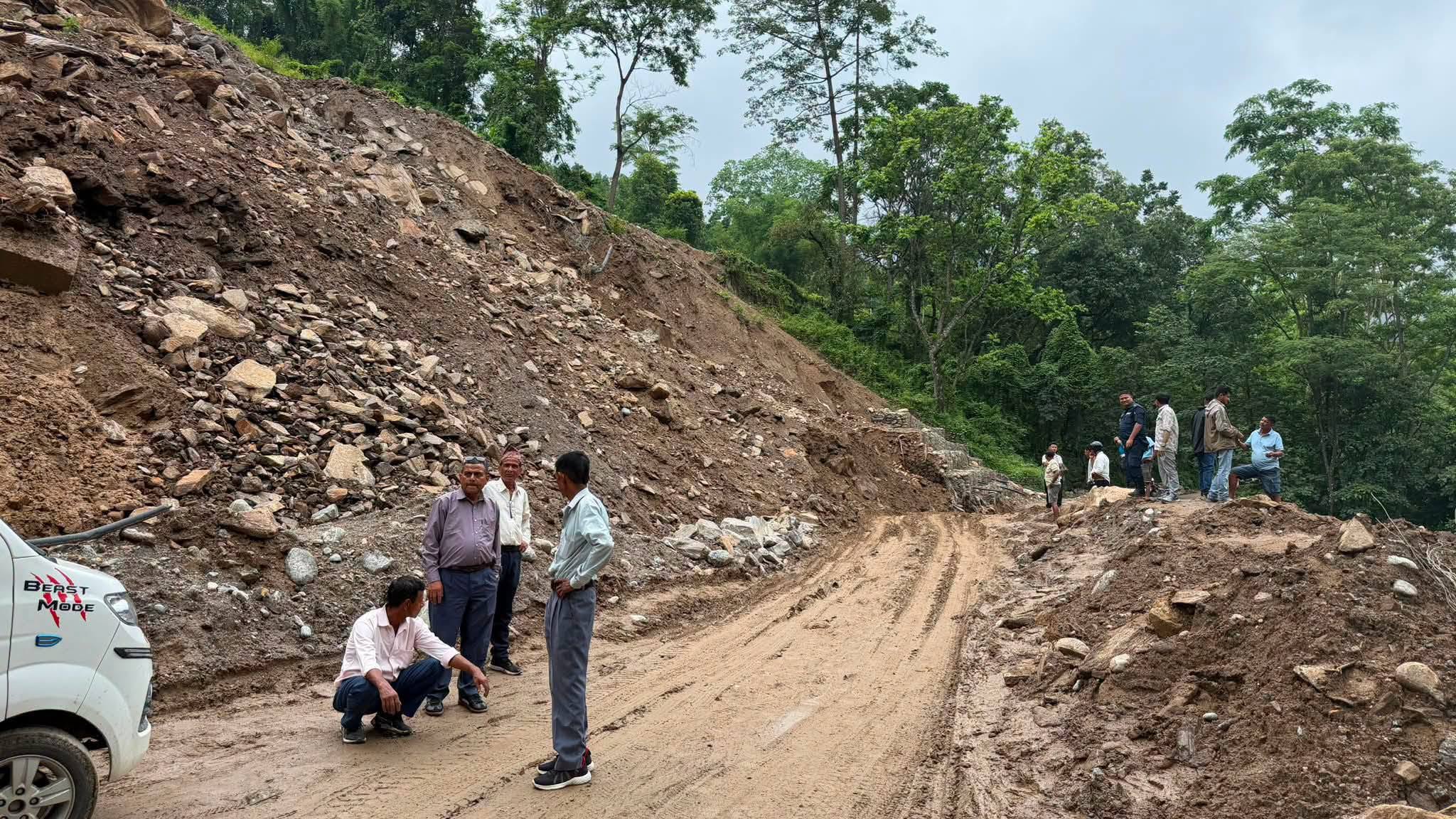
Sindhuligadhi Fort and Museum Attract Tourists; Local Singer Honored

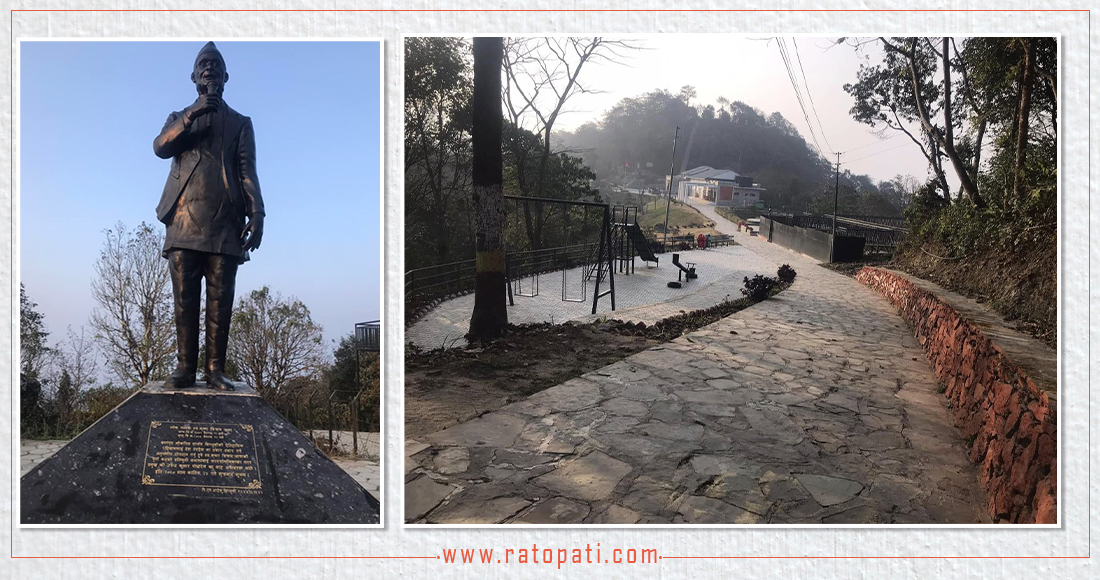
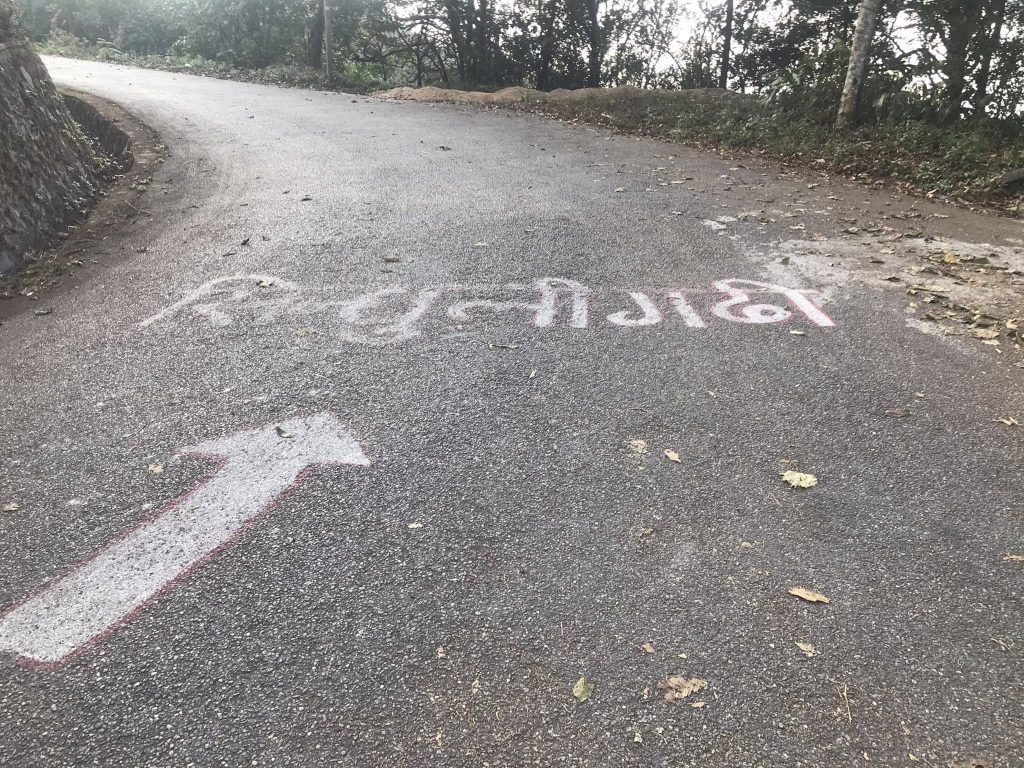
‘सिन्धुलीगढी घुमेर हेर्दा सुन्तलीमै
कत्तिमा राम्रो दरबार मार्यो नि मायाले मार्यो...’
This is a famous song sung by folk singer Krishna Bikram Thapa at Radio Nepal in 2036 BS, which introduced the Sindhuli district to the country and abroad. A week ago, while visiting the fort of Sindhuligadhi and the newly built war museum there, this same song was playing on the mobile of a security guard stationed there.
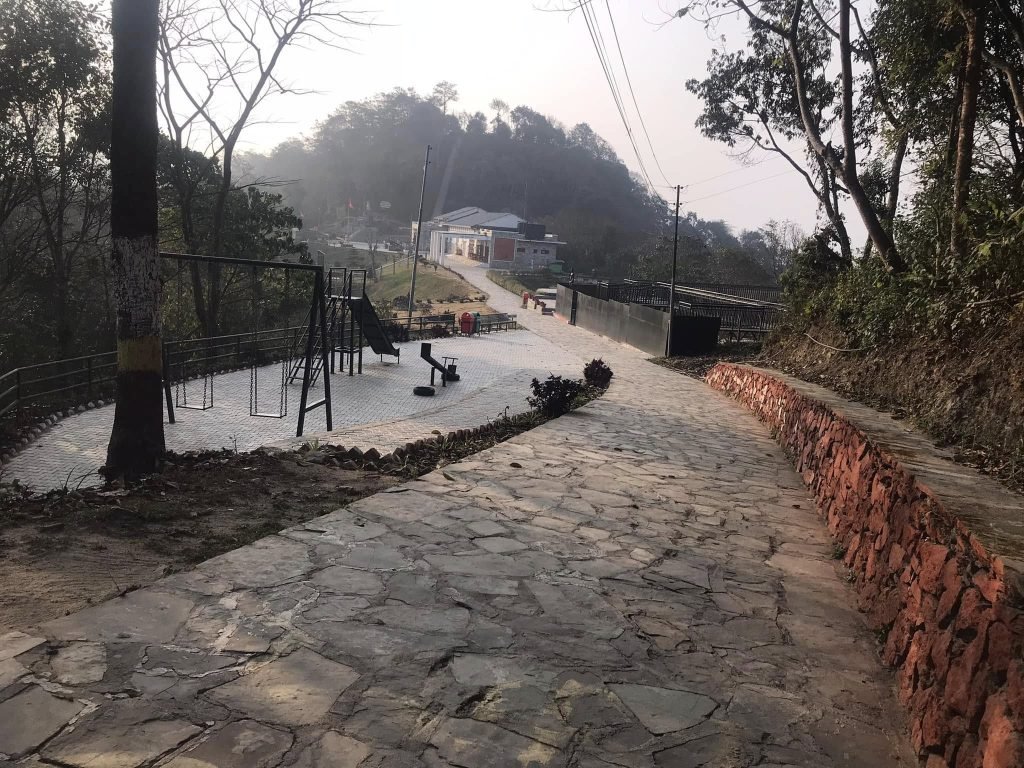
Along with the tune of the song, I felt like observing the Rani Darbar (Queen's Palace) built at Sindhuligadhi. The Rani Darbar, which was in ruins a few years ago, has now been beautifully decorated like a bride.
With the reconstruction of the Sindhuligadhi area with the support of the Bagmati Provincial Government, local government, and the Nepali Army, it was a matter of pride to hear that most domestic and international tourists traveling to eastern Nepal via the BP Highway now visit the historic Sindhuligadhi.
A full-height statue of the late singer Krishna Bikram Thapa has now been erected at Sindhuligadhi. Before the construction of the BP Highway, we used to travel from the district headquarters Sindhuli-Madi to our ancestral home Jalakanya Chapuali, passing through the historic fort. I was reminded of the rhododendrons, 'Aiselu', and 'Kaphal' that bloomed in the forest when I came here.
It is commendable that the Kamalamai Municipality has honored the late folk singer Krishna Bikram Thapa, who succeeded in making the district known worldwide through his song, by erecting a statue, albeit belatedly. Intellectuals and civil society here had repeatedly suggested erecting a statue of the late singer Thapa. It took five years for the then Mayor of Kamalamai Municipality, Khadga Bahadur Khatri, to fulfill his promise to build Thapa's statue.
According to Ward No. 3 Chairman Khadga Prasad Chaulagain, the statue was built at an estimated cost of 1.25 million rupees after Kamalamai Municipality published a tender notice for the construction of Thapa's full-height statue.
Folk singer Krishna Bikram, born in the then Ratanchura VDC (now Golanjor Rural Municipality) of Sindhuli district, passed away about 15 years ago in Kathmandu during treatment at Bir Hospital. In the later part of his life, he suffered from diarrhea and fever. Ratanchura, where Thapa was born, was known as a remote village of Sindhuli district at that time. Despite being born in a backward area of the district, Thapa spared no effort in making Sindhuli known through folk songs. Locals still proudly recount this.
It is well known that the song ‘Suntalimai’ sung by the late singer Thapa helped introduce the Sindhuli district and the historic Sindhuligadhi to Nepal and the world. He also released many popular musical albums such as ‘Tori Lahure’, ‘Khainjadi Bhajan’, and ‘Nepal Rimjhim’. According to knowledgeable sources, Thapa, who made an invaluable contribution to making the district known to all, lived a simple life.
Thapa's contribution to uplifting not only Sindhuli but also Nepali folk music is memorable. With the erection of the full-height statue of the late Thapa at Sindhuligadhi, locals will always remember ‘Suntalimai’ and Krishna Bikram Thapa.
During the unification of Nepal, an English army of 2400 armed soldiers led by Captain Kinloch of the East India Company came to attack the Gorkhali army in support of the then King Jayaprakash Malla of Kathmandu. On their way to Kathmandu via Patna-Janakpur-Sindhuli, on Ashwin 15, 1824 BS, they were ambushed and attacked by the army led by Shikari Banshu Gurung and Kaji Sriharsha Panta from Dhungrebas, the district headquarters of Sindhuli, and by the army led by Kaji Banshraj Pande and Khajanchi Birbhadra Upadhyay from Pauwagadhi.
In that battle, brave Gorkhali soldiers from Kalibox, Srinath, and Gorakh Company (now Old Gorakh Battalion) used weapons and natural items such as khukuri, khunda, bows, 'Ghuinjetro', nettles, and wasps. In that war, where 1600 out of 2400 English soldiers were casualties, the Gorkhali army succeeded in capturing about 400 to 500 rifles and some cannons.
Many artists have created songs and music about the Battle of Sindhuligadhi, where the Gorkhali army defeated the English army.
The historic Sindhuligadhi is now among the country's major tourist destinations. It attracts a crowd of people for educational tours, picnics, research, and observing natural scenery. In winter, one can observe the Gaurishankar mountain range of the Dolakha district from here, while during the rainy season, fog blankets this area.
This specific news has been automatically translated by AI. As a result, there may be some inaccuracies or language errors.
_wNIRIr8xqE.jpg)
_wqJwwAzuWG.jpg)

_Mks4af4WAR.jpg)