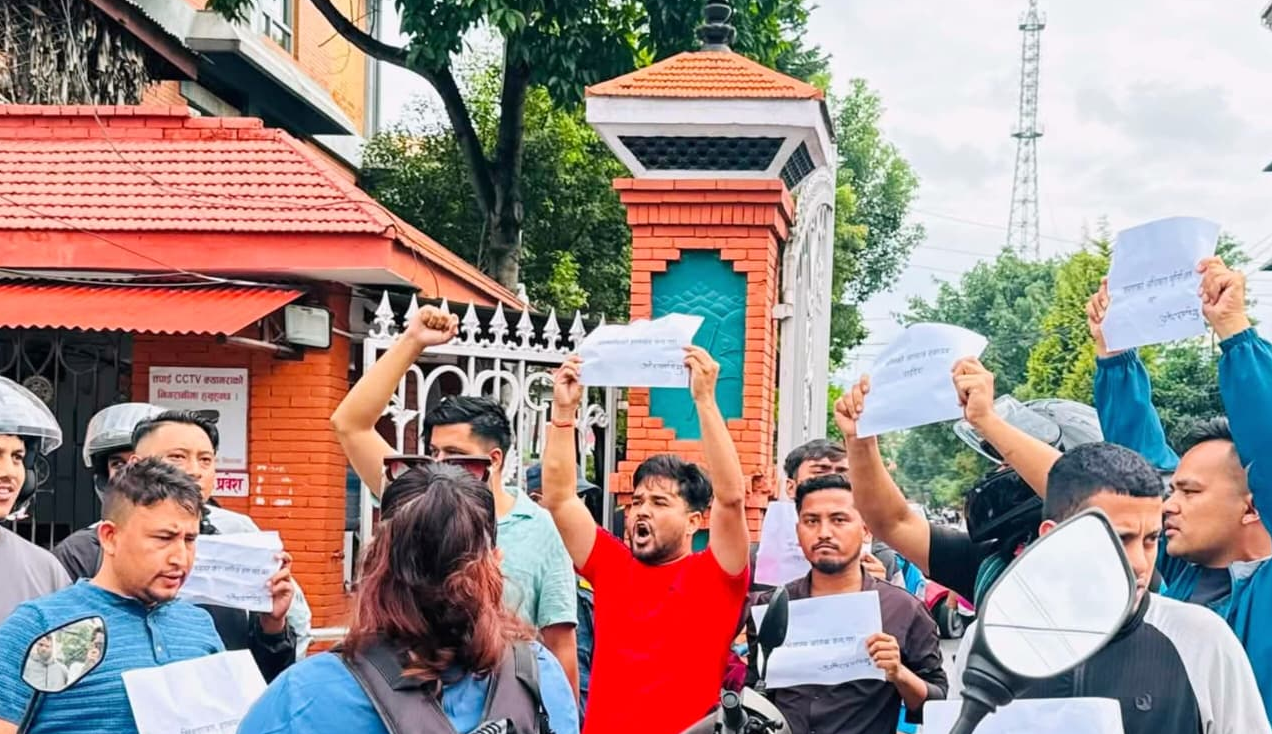
Educational Consultants Announce Protest Against New Regulations

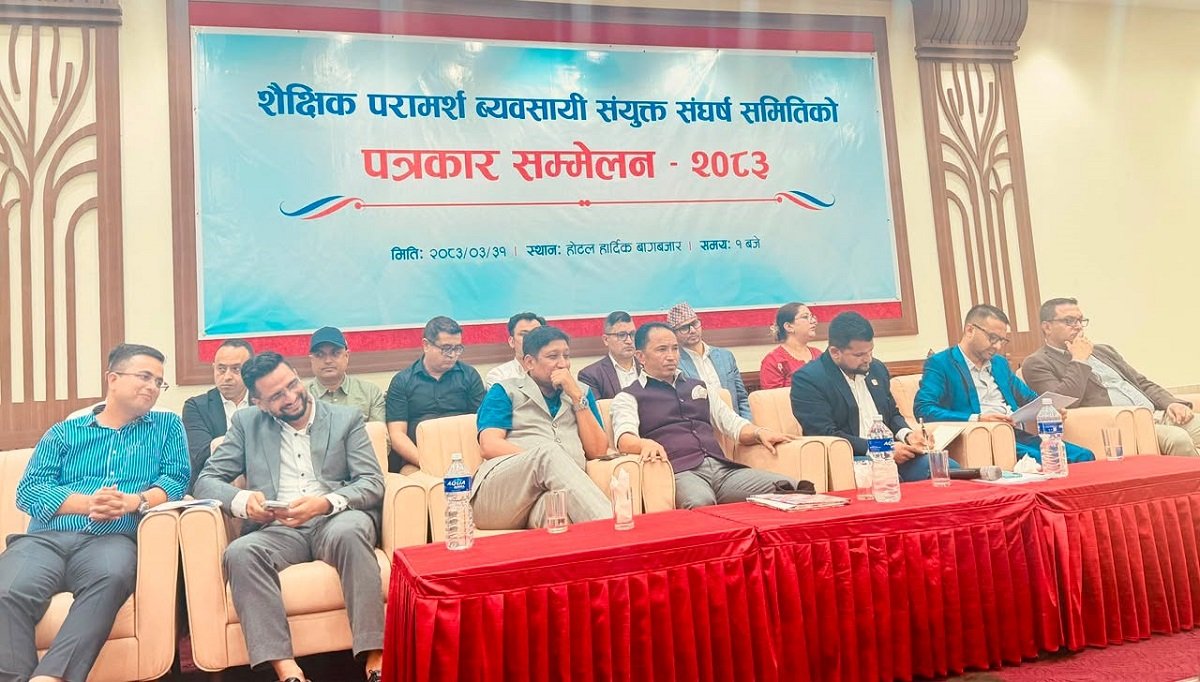
Kathmandu. Educational consultants have announced a protest demanding the repeal of some provisions of the Educational Consultancy, Language Teaching and Preparation Class (Operation and Management) Regulations, 2083 BS.
Various associations and organizations related to consultants, holding a press conference in Kathmandu today, informed that they have decided to go on an indefinite protest by handing over the keys to the District Administration Office if the government does not take initiative for dialogue and problem-solving.
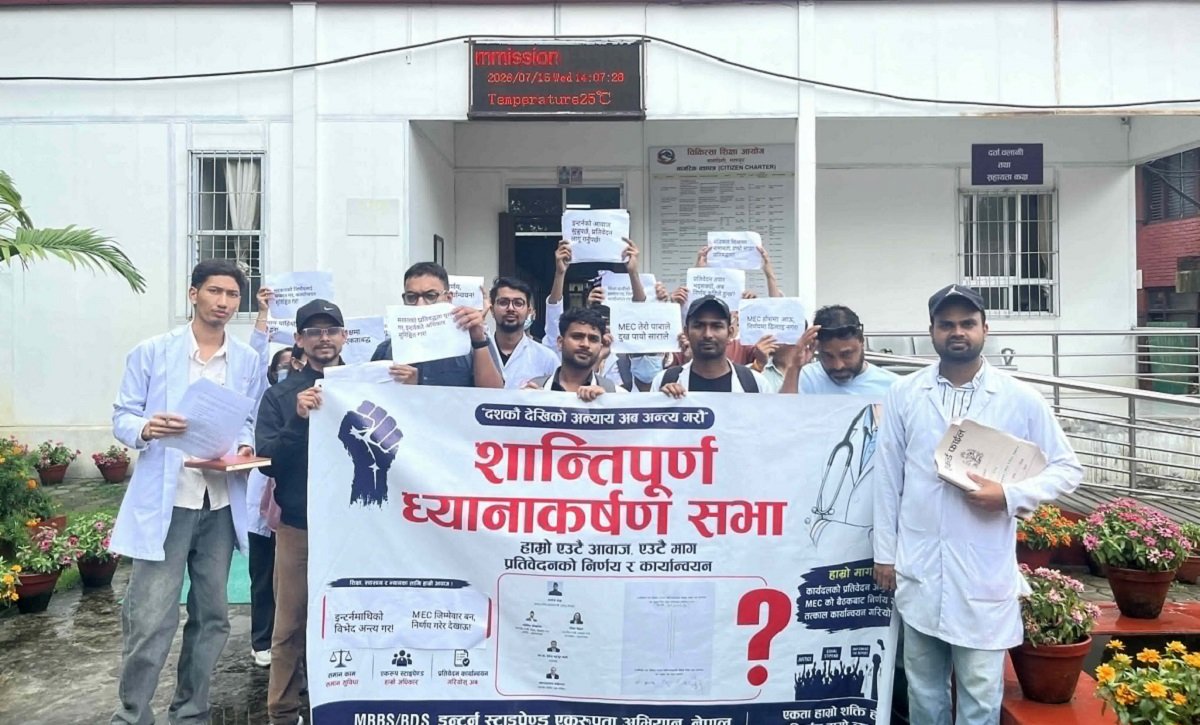
Tomorrow, Thursday, they will work with black armbands and on July 16, from 11 AM to 11:30 AM, a peaceful protest with placards will be held in various places in Kathmandu.
Gurung, coordinator of the Joint Struggle Committee, demanded that the policy of controlling and discouraging the private sector be abandoned and that the impractical provisions of the regulations be repealed or amended. Consultants have demanded that the current one-year permit period and the cumbersome renewal system be changed to five years.
Similarly, their demand is that the provision requiring prior approval from the Ministry of Education to conduct educational fairs or seminars within the office premises and the ban on educational fairs targeting study abroad should be repealed.
The statement also stated that the source of income for consultants from foreign colleges and universities should not be stopped, the provision of submitting dual tax returns and the provision of equal fees should be removed, and the provision of paying compensation to students based on mental or financial damage is inappropriate and should be repealed.
Furthermore, they suggest that a grading system is not necessary or practical for educational consultancy and that an insurance or fee protection system should be implemented instead of a deposit.
Institutions wishing to operate educational programs in Nepal under affiliation with foreign universities will now have to obtain prior approval (Letter of Intent) from the Ministry. The gazette mentions that various conditions must be met for such prior approval, which must be obtained before establishing or registering an educational institution.
Under this, the applicant must submit documents confirming that the foreign university they wish to affiliate with is established according to the national law of the respective country, and an application containing the basis for the foreign university to operate an educational institution in other countries to the Ministry of Education and Sports.
According to the regulations, any institution wishing to operate higher education programs in Nepal under affiliation with any foreign university will now have to obtain prior approval (Letter of Intent) from the Ministry. The gazette mentions that various conditions must be met for such prior approval, which must be obtained before establishing or registering an educational institution.
Under this, the applicant must submit official documents confirming that the foreign university they wish to affiliate with is established according to the national law of the respective country, and its world ranking must be within the top one thousand in international indicators such as Times Higher Education or QS.
Educationists believe that this arrangement will completely stop the entry of nominal and substandard foreign colleges in Nepal and ensure that Nepali students receive world-class quality education within the country. The regulations have set standards including geographical classification regarding physical infrastructure and land ownership.
This specific news has been automatically translated by AI. As a result, there may be some inaccuracies or language errors.