
Government Faces Criticism Over 110 Days of Activity


Kathmandu. Looking at the activities of the government led by senior leader of Rastriya Swatantra Party (RSP), Balendra (Balen) Shah, for 110 days, positive signs are not visible. The government, which has been active in implementing a 100-point agenda related to governance reform, has been accused of running away from the people's core issues.
The RSP, which gained power on the foundation of the Janji rebellion last year in August, achieved unprecedented results (near two-thirds majority) in the House of Representatives elections held in February. Balen became the Prime Minister on April 13. The government was formed under the leadership of youth, ending the practice of old faces and old parties repeatedly ruling.
As the government had gained immense public mandate after the Janji rebellion, the people had many hopes and expectations, but the government has become unpopular within a hundred days of its formation.
The recent developments show that the Balen government, which emerged by questioning previous rulers, is now trying to silence those who question it. It is alleged that instead of strengthening the social, economic, cultural, and political structures disrupted after the Janji rebellion and establishing national unity, the government itself is trying to create chaos.
Due to the increasing state terror on landless squatters and the weaker sections, media houses, administrative, and private sectors, the country may fall into another pit of rebellion. Due to state terror, landless squatters have become destitute during the monsoon. The risk of the working class falling into a vicious cycle of extreme despair due to social and state character is increasing.
The analysis of anthropologists and sociologists is that the suicides of three people and the suicide of one landless squatter within a hundred days of the government's formation indicate extreme despair in society. Sociologist Dr. Vivek Ghimire says that the recent incidents of suicide by Ganesh Nepali of Mugu, Vivek Mandal of Sarlahi, and Ashwin Raut of Kathmandu in the last week are indicative of this.
'The incidents of suicide that have been happening one after another recently indicate that the state mechanism, state system, governance methods, our social structure, social relationships, our family relationships, and the 'we-feeling' relationship that has been a strong aspect since the past are drying up or weakening one by one. It indicates that citizens' trust in the state is eroding', Ghimire said.
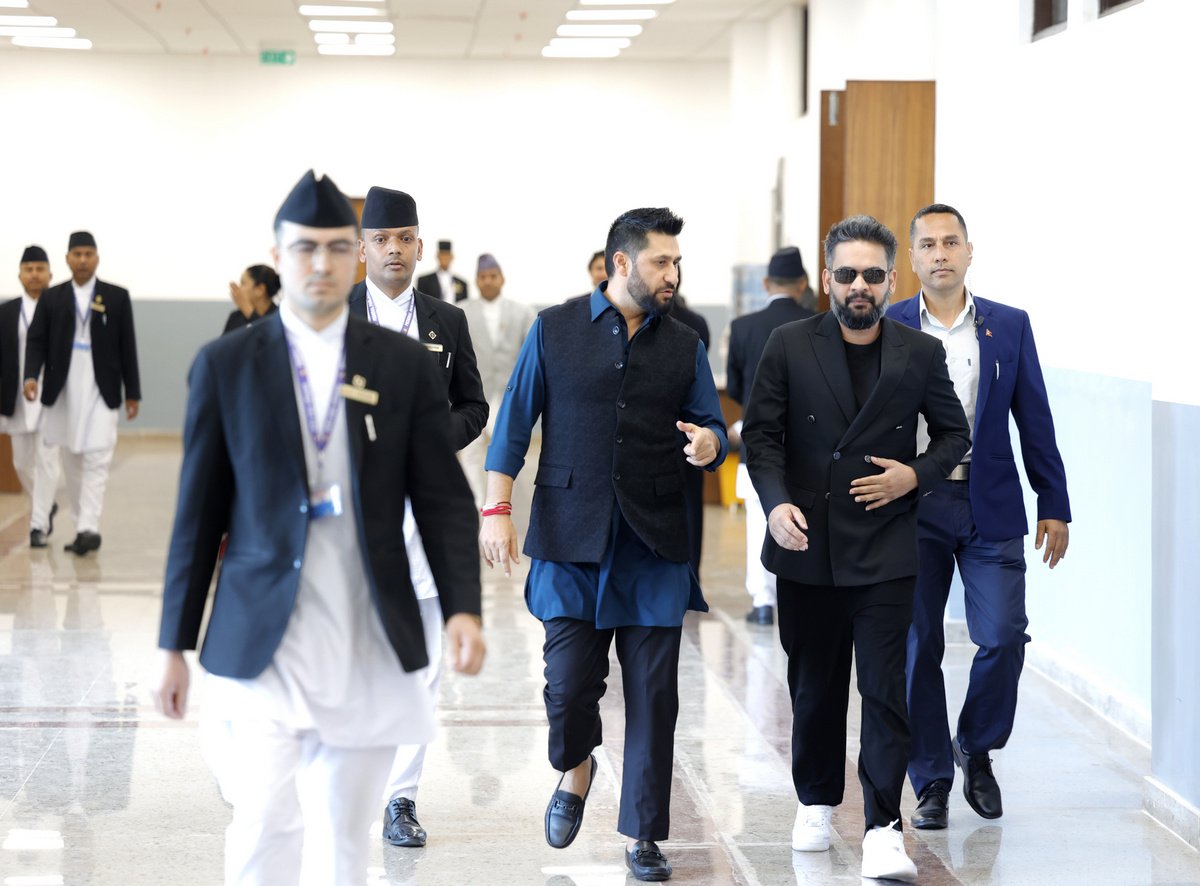
Because suicide incidents are not personal, the things that inspire individuals to reach the point of making personal decisions are connected to our society, relationships, governance, and culture, according to him. Therefore, Ghimire analyzed that this incident indicates that a section of society is feeling frustrated and extremely insecure due to a lack of hope and trust.
Ghimire alleges that the Prime Minister has been unaccountable for the government's activities over the past three months. 'The previous leaders were taken as unable to deliver results despite being tested repeatedly. Now, individuals under 40 years of age are running the government, but their governance methods are below the ultra-poor line, and they are still facing problems in making ends meet', he said.
Ghimire states that the situation of increasing despair among these citizens is growing. 'The budget targets the middle class and does not speak about the social security and social justice of the poor and destitute. The Prime Minister is in a state of communication blackout. In this difficult situation, dialogue should have been intensified to give support, hope, and encouragement to everyone, but that has not been seen', he said.
Ghimire insists that although the government was formed with the strength of the Janji movement, it was formed in accordance with democratic methods, procedures, the constitution, and laws.
Opposition parties are accusing the government of moving forward with an undemocratic character. In the House of Representatives meeting on Tuesday, MPs from opposition parties strongly protested the government's working style. They raised serious questions about the incident of suspicious vehicles being parked in front of some media houses and leaders' houses in the capital on Monday.
'The Prime Minister said yesterday that he would burn down Singha Durbar, and today he is standing at the rostrum and making light comments about our borders being encroached upon', said Aaren Rai, an MP from the Labor Culture Party. 'This creates fear that our borders might be further encroached upon by neighbors. This government does not seem to be in favor of the poor, the helpless, and the workers. The government is harassing small entrepreneurs, landless squatters, and Pathao riders', he added.
In the meeting, Nishkal Rai, an MP from the main opposition party, accused the government of proceeding in a dictatorial style. He said that the government is trying to suppress freedom of expression and silence citizens in its intoxication of state power.
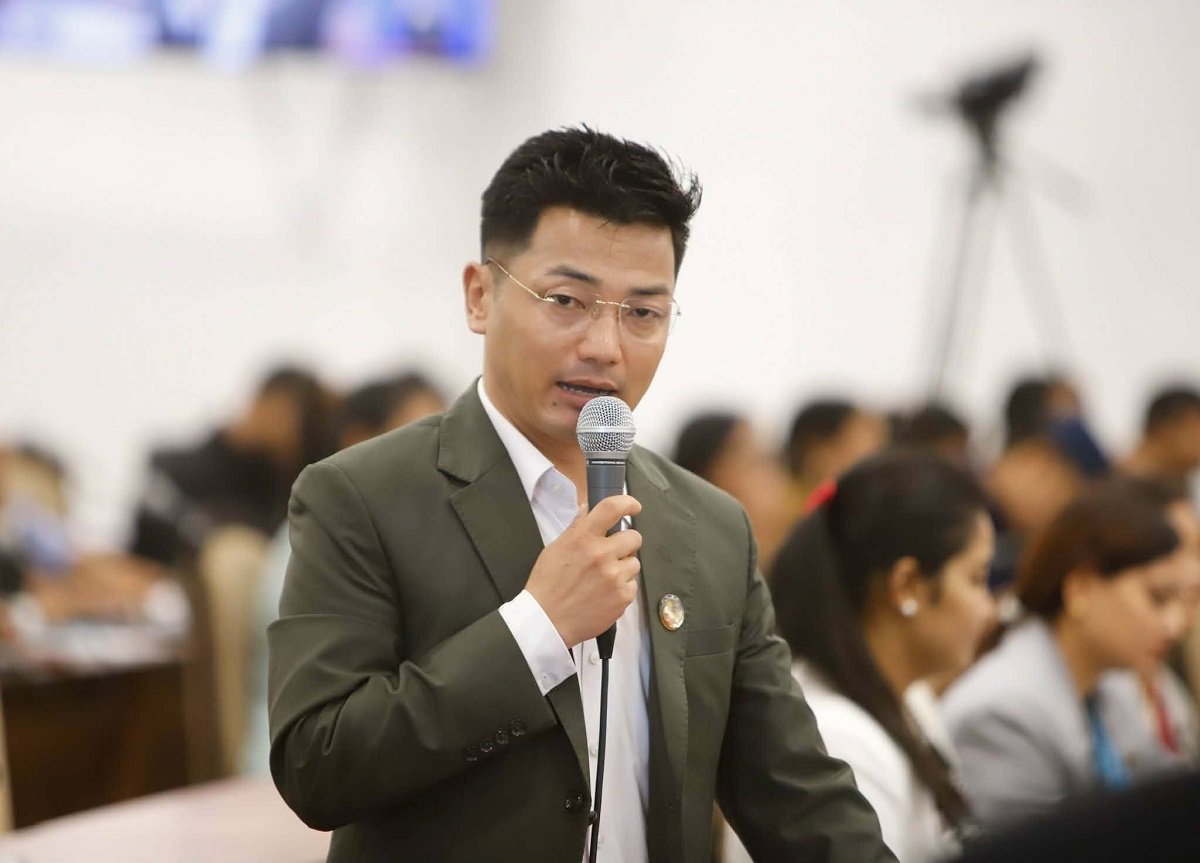
Gyanendra Bahadur Shahi, an MP from the Rastriya Prajatantra Party (RPP), accused the government of suppressing citizens who ask questions in the country and of mobilizing state-sponsored thugs to spread mental terror by parking vehicles in front of opposition leaders and media houses.
Ganesh Singh Thaguna, an MP from the CPN-UML, accused the Prime Minister of making statements detrimental to the country's interests, even though it is the government's responsibility to protect Nepal's self-respect and territorial integrity. He said that the government's recent activities felt like a reminder of the state terror of the Panchayat-era 'Mandale' system.
Dr. Amaresh Kumar Singh, an MP from the ruling RSP, said that youth are filled with despair and that it is not possible to live in the country. Opposition parties have stated that they will continue their protest until the Prime Minister answers the questions raised in the House. Although the Prime Minister was present in the House of Representatives meeting on Tuesday, he left without answering the questions raised by the MPs.
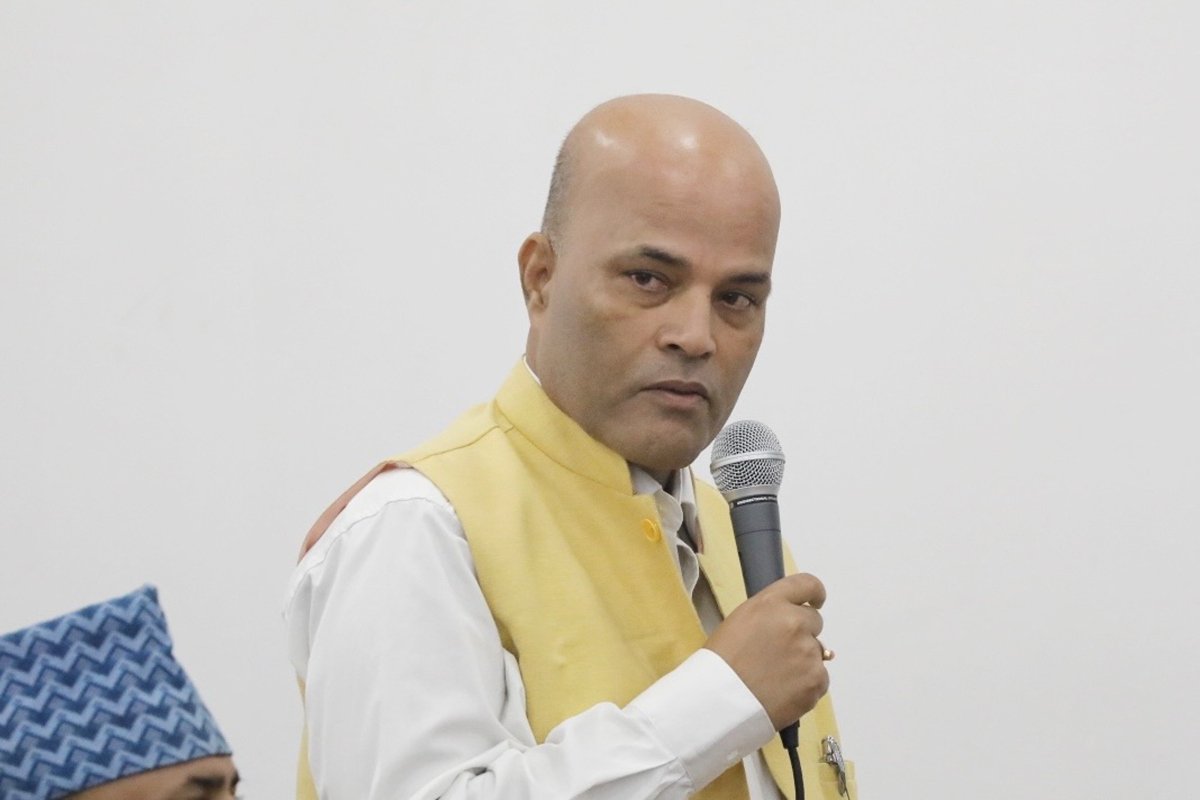
Although it has been almost four months since the government was formed, the Prime Minister has not answered the MPs' questions in accordance with the provisions of the House of Representatives regulations. Amidst widespread criticism, Prime Minister Balen Shah made an attempt to respond by going to the rostrum on June 17. During that time, he made controversial remarks about the border dispute. His statement that not only India but also Nepal has encroached upon Indian territory is being widely criticized.
Despite opposition MPs repeatedly demanding that the Prime Minister apologize in the House and that his statements be removed from the parliamentary record, the Speaker has not issued a ruling against the government. Balen has not yet answered the questions raised in the House.
Opposition parties say that it is a serious matter for the Prime Minister to make anti-national statements in the sovereign parliament. Balen clarified his statement made in the parliament during the inaugural session of his party's general convention in Chitwan.
'If you have proof, bring it; we also have proof. We have proof of Kalapani and Lipulek. And if we need to search the records from the British era to bring that proof, we will search. We are not trying to make the British mediators. We will resolve the problem by talking to our neighbors ourselves. We have proof, and we will present that proof', Balen said.
According to Rule 56(1) of the House of Representatives Regulations, the Speaker shall determine one hour of the first hour of a meeting on any one day of the first week of each month to ask questions to the Prime Minister or on important matters directly related to his portfolio. However, if the meeting cannot be held for any reason on that day, the first hour of the immediately following meeting shall be determined.
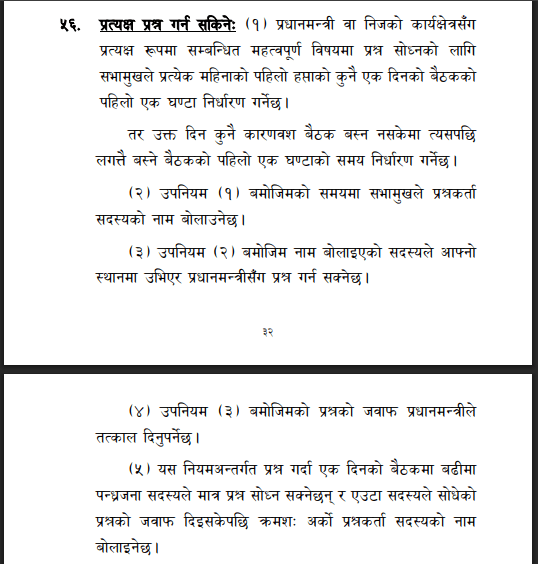
Despite opposition MPs repeatedly drawing the government's attention to the provisions in the regulations, the government has not implemented them.
After this government was formed, it bulldozed landless settlements along the riverbanks in the Kathmandu Valley without any management. Landless squatters allege that they were kept in various holding centers for three months and then abandoned without management. Their families have become destitute during the monsoon.
Last week, Ganesh Nepali's self-immolation in front of the Passport Department in Tripureshwor put the government under pressure from all sides. Instead of acting with restraint on sensitive issues and providing proper relief and long-term solutions to the victim's family, Home Minister Sudhan Gurung is accused of threatening opposition parties in parliament.
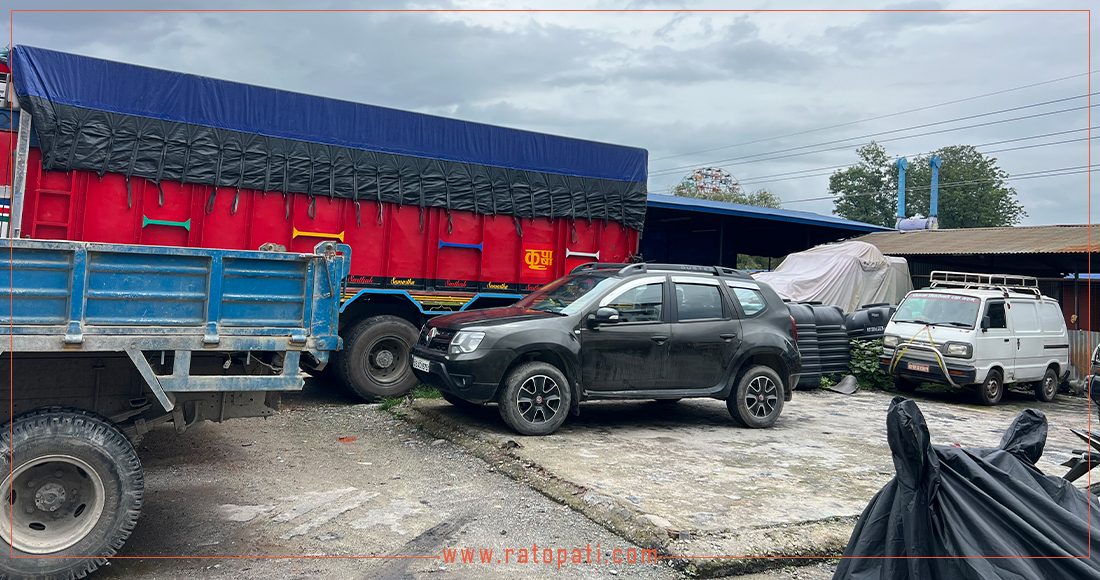
It is alleged that the government itself has placed suspicious vehicles in various media houses, in front of opposition leaders, and in public places to silence critics. The government faced widespread protest on Monday due to vehicles parked blocking the roads in various locations.
The government has not yet provided satisfactory answers to the questions raised regarding the policy and program presented in the parliament, the budget, border disputes, and the fact that the Prime Minister himself holds the Ministry of Defense. Apart from these, the opposition has sought answers from the government on issues such as putting undue pressure on constitutional heads and the Prime Minister's secretariat interfering in passport printing beyond its jurisdiction.
However, it is alleged that the Prime Minister, who came to power with the slogan 'Let the government speak', is trying to evade questions. Analyst and sociologist Dr. Dipesh Ghimire clarified that if the government itself is intent on pitting citizens against each other, the country will move towards fascism.
'The intention of the ruling party is probably not to pit citizens against citizens. If citizens are made to clash with citizens, it will be outright fascism. Perhaps this journey towards fascism is not happening knowingly', Ghimire said. 'If leaders who came with the agenda of 'Let the government speak' do not have the patience to listen to a legitimate question, the destination of this government may not be very far-reaching.'
This specific news has been automatically translated by AI. As a result, there may be some inaccuracies or language errors.
-(2)_QJLjKxR87n.jpg)
_8xHho19k4P.jpg)