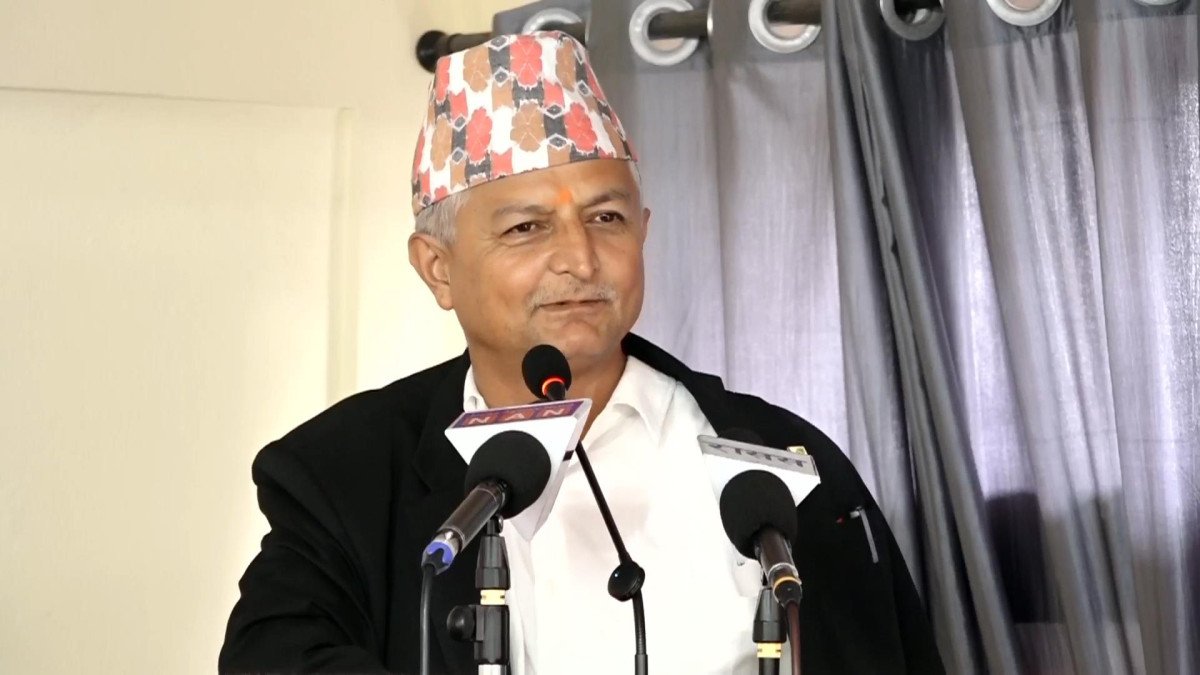
Consumer Court President Highlights Lack of Serious Cases

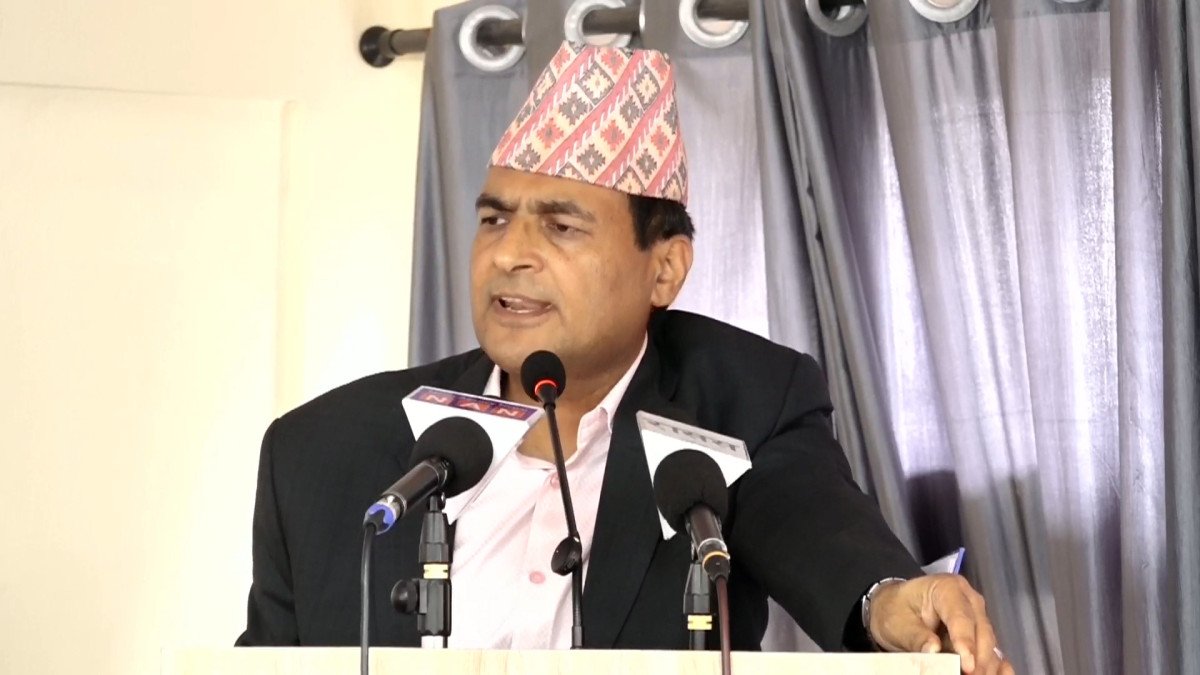
Kathmandu. Judge and President of the Consumer Court, Kathmandu, Dr. Divakar Bhatta, has stated that serious cases related to consumer rights have not reached the courts. Speaking at a discussion program on 'Dimensions and Remedies of Consumer Welfare: The Role of the Consumer Court' organized by the Consumer Law Concern Committee of the Nepal Bar Association, President Bhatta provided this information. According to him, no serious cases with claims of more than three years of imprisonment have been registered in the consumer court so far. The Consumer Protection Act, 2075 BS, allows for the registration of consumer-related cases with claims of imprisonment exceeding one year, with the opinion of the public prosecutor. However, he clarified that no such cases have been filed in the court to date. He stated that this situation has arisen not due to the absence of criminal activities in society, but due to the indifference of the relevant bodies in market monitoring and a lack of public awareness. He mentioned that only minor cases, which should not have reached the court, have been registered so far. According to the Consumer Protection Act, 2075 BS, market inspection officers are empowered to impose fines of up to three hundred thousand rupees for inspection, market monitoring, and selling substandard goods, but its effective implementation has not been achieved. He emphasized that inspection officers need to enhance public awareness, inform consumers, and make market monitoring more effective. He noted that for the protection of consumer rights, not only court remedies but also effective mechanisms in protection, promotion, prevention, and remedy are necessary. Speaking at the program, he said, 'The state itself needs to be a little more sensitive to consumer protection. We have a large market, a market spread across the country. In Kathmandu, there are different types of shops in every alley, and the level of consumer awareness also varies.' He stressed the need for inspection officers under the Department of Commerce, Supply and Consumer Protection to make market monitoring effective. He stated that inspection officers can impose fines of up to three hundred thousand rupees and are assigned the responsibility of enhancing public awareness through various bodies in all seven provinces or district administration offices. He added, 'Inspection officers can handle cases with imprisonment of less than one year. Quasi-judicial bodies can only handle cases up to one year, and anything above that must be handled by the court. However, no cases with imprisonment exceeding one year have been filed so far.' He commented that the implementation aspect appears weak due to the lack of case filings, and despite criminal activities occurring, the efforts of the relevant bodies have not been directed towards them. He mentioned that the consumer court currently handles cases only from Kathmandu, Lalitpur, and Bhaktapur, stating that access to justice for consumers in other districts is challenging. He emphasized that compensation claims made in court should also be based on objective grounds. He stated that it is difficult for the court to make decisions when claims for large sums are filed without actual damages, evidence, and legal basis. He pointed out the lack of resources, manpower, and specialized training in the consumer court and highlighted the need for the Judicial Academy, the Government of Nepal, and the Nepal Bar to focus on capacity building. The Consumer Court in Nepal was established through the gazette on January 24, 2081 BS, and came into operation on March 3, 2081 BS. It currently operates only in the three districts of the Kathmandu Valley.
This specific news has been automatically translated by AI. As a result, there may be some inaccuracies or language errors.
_aADS5ULwOP.jpg)