England Establishes Itself as a True Title Contender in World Football

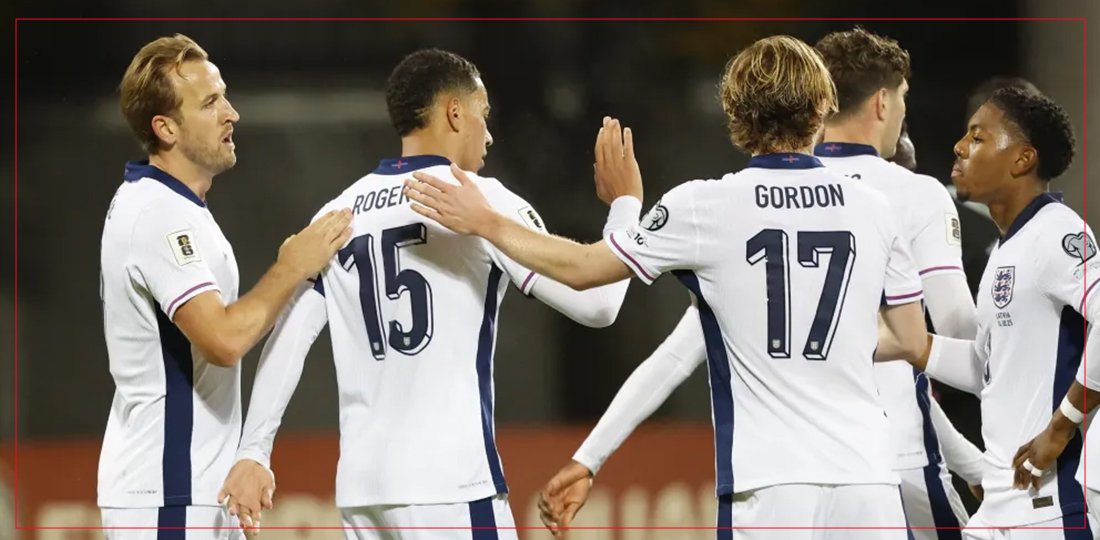
Ten years ago, if anyone had said that England would become a regular title contender in major international competitions, it would have seemed ridiculous.
Because in the 2016 Euro Cup, England was unexpectedly defeated by Iceland in the Round of 16 and eliminated. Before that, the 2014 World Cup in Brazil was also very disappointing for England. The team finished at the bottom of its group and managed to score only one point by drawing goalless with Costa Rica throughout the tournament.
But now the situation has completely changed.
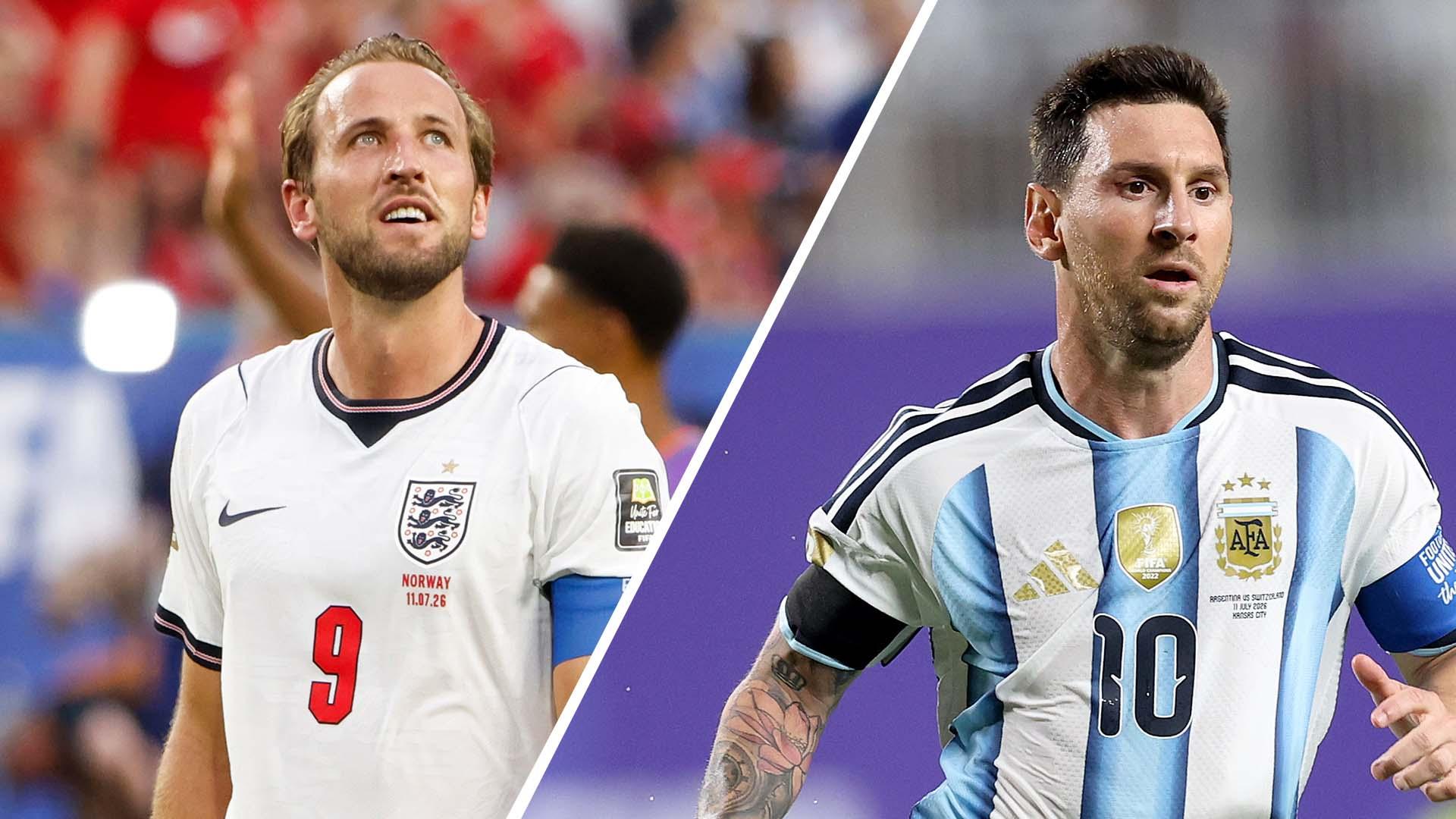
Led by the excellent performances of Jude Bellingham and Harry Kane, England has now established itself as a true title contender in world football. Not just for this World Cup, but for every major competition to come.
Since the 2016 Euro Cup, England has reached at least the semi-finals in four out of five major tournaments. Such consistent success has never been seen before in England's football history. Only Argentina and France are ahead in this achievement, as they have also won the World Cup and Copa America titles during this period.
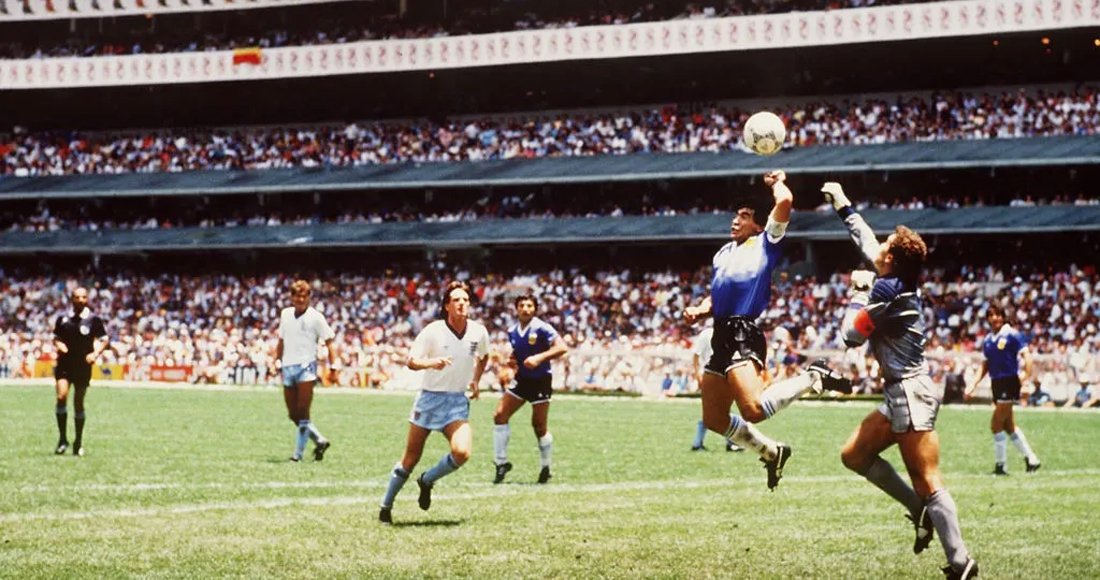
Having reached the semi-finals by defeating Norway 2-1 in extra time on Saturday, England is now preparing to face Lionel Messi's Argentina. Even if England is deprived of the title again, one thing has become clear. This team is no longer built for momentary success; it has become a strong team capable of competing consistently.
England Football's Golden Era
The famous song 'Three Lions', created by David Baddiel, Frank Skinner, and The Lightning Seeds for Euro 1996, has been interpreted by many outside England as a symbol of arrogance. But in reality, the song reflects decades of pain and hope of England supporters. A famous line from the song is, 'England Is Gonna Throwing It Away, Gonna Blow It Away.'
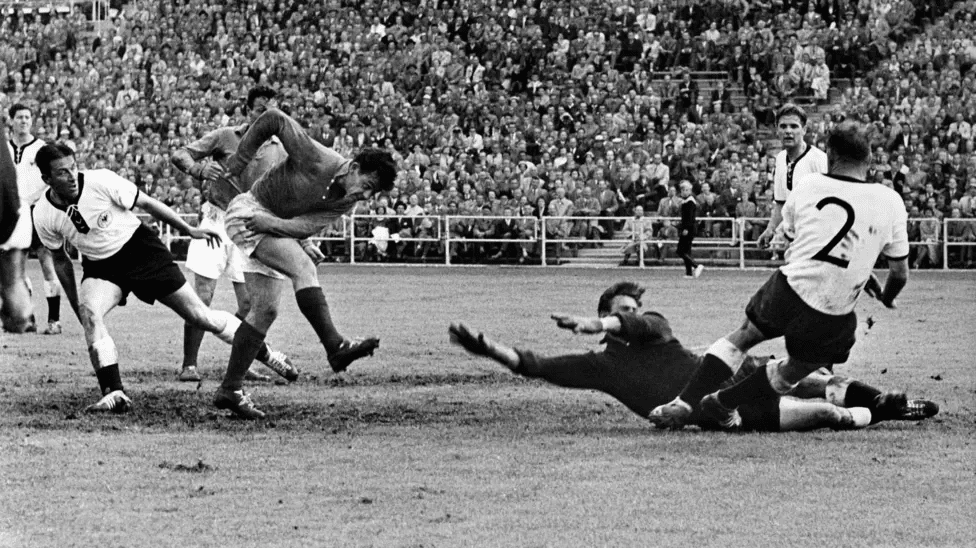
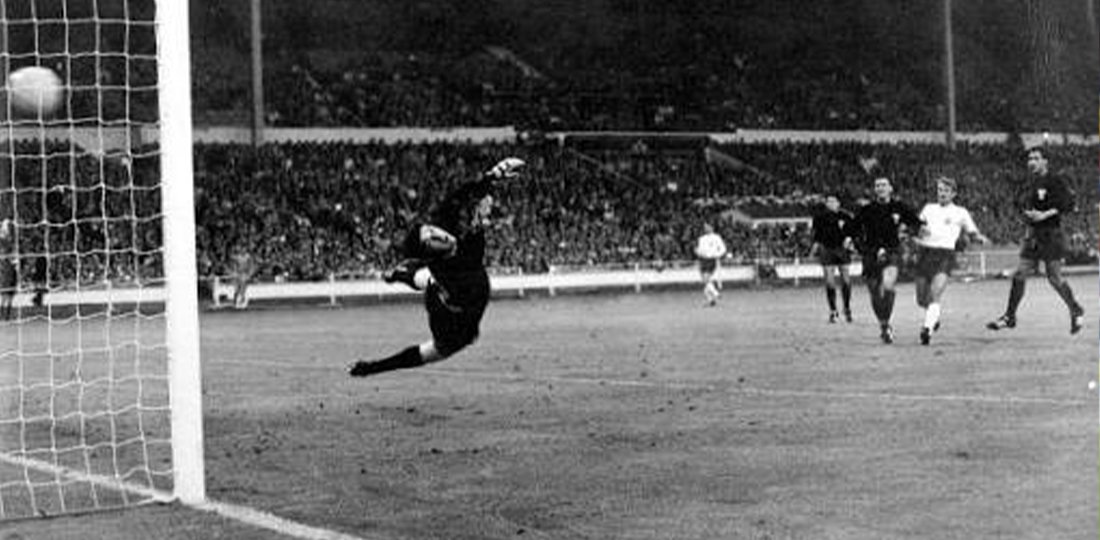
This reflects the disappointing experience of the supporters. History also does not confirm that England supporters always expected success. After being defeated by Yugoslavia in the semi-finals of the 1968 Euro Cup, England had to wait 22 years to reach the final four of a major tournament again. That opportunity came in the 1990 World Cup.
In the intervening period, England failed to even qualify for two World Cups and three Euro Cups. Then, after the semi-finals of Euro 1996, England had to wait another 22 years to reach another semi-final. During that period, England was repeatedly and disappointingly eliminated from tournaments.
In the 1998 World Cup, the team was defeated after David Beckham received a red card against Argentina. In the 2006 World Cup quarter-finals, England was also eliminated after Wayne Rooney received a red card.
In the 2002 World Cup, goalkeeper David Seaman was helpless as he could not stop Ronaldinho's famous free-kick goal against Brazil. After that, England even failed to qualify for the 2008 Euro Cup.
In the 68 years before the 2018 World Cup in Russia, England had only reached the final once and the semi-finals only three times. Two of those tournaments were hosted on home soil. The then-famous 'Golden Generation' could not go beyond the quarter-finals. But now everything has changed.
No England team has had such consistent excellent performance for such a long time in history. Today's young supporters know England as a team that reaches the final stages of almost every competition. In just eight years, England has played two finals and two semi-finals.
English Model of Talent Production Continues to Succeed
The change in England football is not a coincidence. Immediately after becoming the chairman of the Football Association (FA) in 2013, Greg Dyke strongly criticized the structure of English football. He expressed concern, calling the lack of domestic talent a 'serious, very serious problem'.
He then set two ambitious goals for the England national team: to reach the semi-finals of the Euro 2020 and to win the 2022 World Cup. At that time, many ridiculed his plan as impossible. But looking back now, he was not entirely wrong.
Dyke knew that two important cornerstones for building the future of English football had already been laid. The first was the Elite Player Performance Plan (EPPP).
In 2011, Premier League clubs approved this long-term plan worth approximately £340 million. Its objective was to modernize football academies across the country, improve training systems, and produce outstanding young players. The second cornerstone was St. George's Park.
Although the Football Association purchased the land in 2001, the project took 11 years to complete. The plan was halted midway, then restarted, and finally, in 2012, St. George's Park became operational as a national training and development center for all age groups of England teams. EPPP was not a program that yielded immediate results.
It was an investment in coaches, infrastructure, and long-term talent development. Today, England's young players receive world-class training facilities, excellent coaches, and modern sports science support. They are then included in the national youth teams under a similar training system. However, this system is not perfect.
Currently, over 12,000 teenage players are affiliated with various academies in England, but 91% of them never get to play professional football. Yet, over a 15-year period, this system has continuously produced world-class talents.
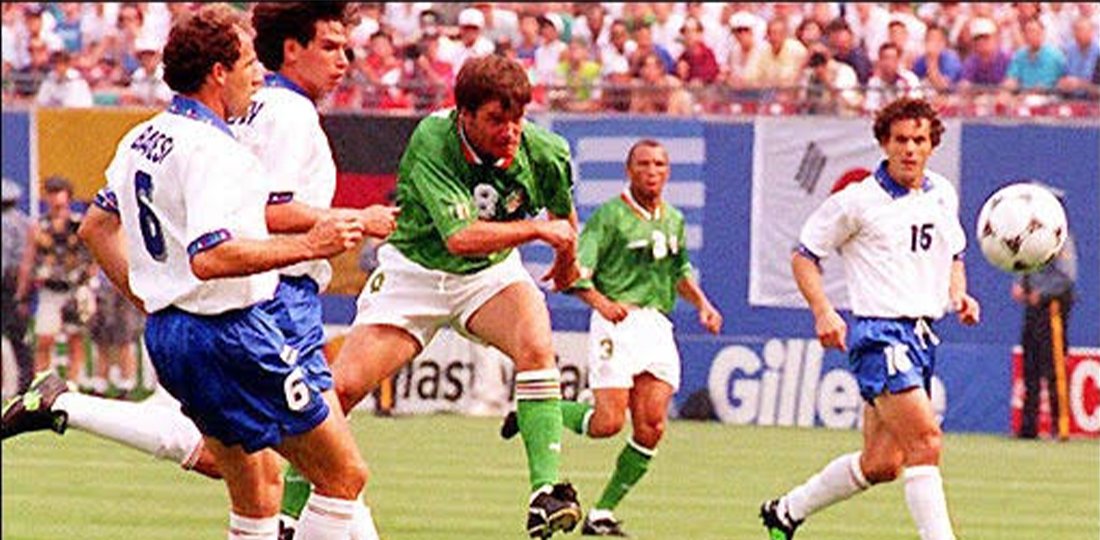
The key players in today's England squad, Jude Bellingham, Declan Rice, Bukayo Saka, and Elliot Anderson, are all products of this development system. The depth of talent is so great that world-class players like Trent Alexander-Arnold, Cole Palmer, and Phil Foden can be left out of the World Cup squad. All three were members of the team that reached the Euro final two years ago.
Yet, coach Thomas Tuchel has led England to the World Cup semi-finals without them. This chain of talent production has not stopped yet. Alex Scott, Josh King, Ethan Nwaneri, and Rio Ngumoha participated in the national team's training camp before the World Cup.
Similarly, Arsenal's 16-year-old Max Dowman has already set new age-related records in the Premier League and Champions League and is considered a player with a strong possibility of making it to the national team in the near future.
This clearly shows that England has a strong foundation of excellent talent not only for now but also for the future.
Only One Goal Remaining: The World Cup Trophy
In this World Cup, England's familiar old song 'Three Lions' seems to have faded somewhat. This time, the most frequently heard song in the stadium has been 'Silence is Talking' by Reverend and The Makers. After the 'Trumpet' player of the England band played the famous tune of the 1975 song 'Low Rider', supporters started adding new lyrics and singing.
It carries a message connecting both old and new generations: 'Football Is Coming Home Again With Thomas Tuchel', meaning 'Football is coming home again with Thomas Tuchel'. After the game, 'Three Lions' is still played in the stadium, but Oasis's famous song 'Wonderwall' has now become a popular new song to unite players and supporters.
'Three Lions' will always be a part of England football's history, but the feeling of past disappointment it carried may no longer feel as relevant.
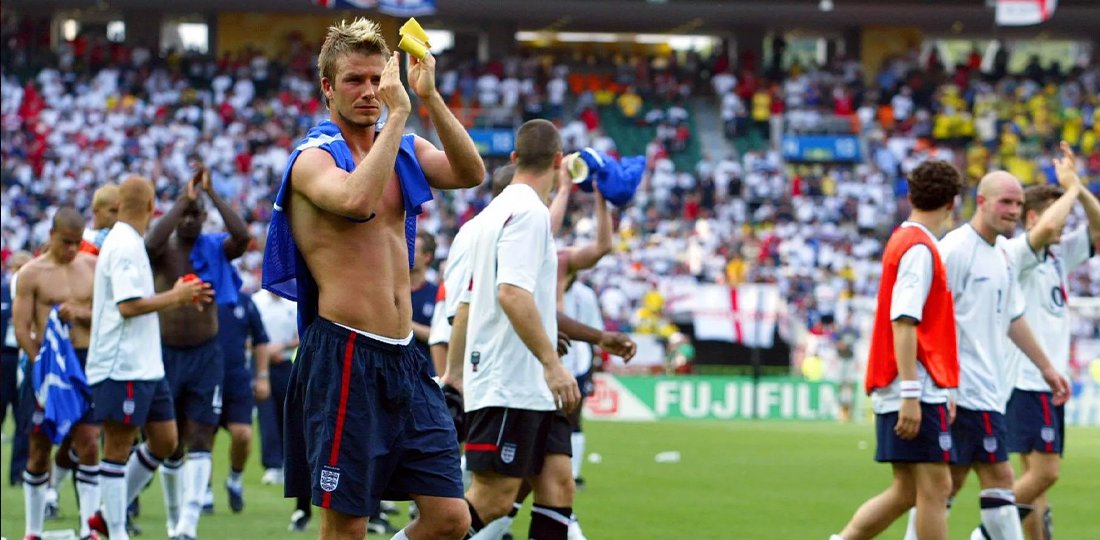
Perhaps England supporters are now ready to confidently accept success rather than be afraid by remembering past failures. Today's England team appears much more confident, mature, and mentally strong than previous teams.
An example of this is the 3-2 victory against co-hosts Mexico. In that match, England was reduced to 10 players after Jarell Quansah received a red card. If it had been past England, they would likely have fought bravely but ultimately been eliminated from the competition, perhaps in a penalty shootout. Another famous line from the song 'Three Lions' is, 'Even Seems To Know The Score, They Have Seen It All Before.'
But this England team is not like that.
Now is the time to accept that England's place is among the top teams in world football. This place has been earned not because of history, but because of capability. Now, coach Thomas Tuchel faces another big challenge. If he can defeat Argentina in the semi-finals, England will reach the World Cup final for only the second time in its history. Then, anything is possible in the final next Sunday in New Jersey.
But for the England men's team, only one task remains now. Reaching the semi-finals or finals repeatedly is not enough. History ultimately remembers the title. Therefore, captain Harry Kane now has to lift the World Cup trophy to write the final and most important line of this golden chapter.
Dale Johnson, Football Analyst (from BBC)
This specific news has been automatically translated by AI. As a result, there may be some inaccuracies or language errors.