Shuklaphanta National Park Sees Continuous Increase in Tourist Attraction

Kanchanpur. Shuklaphanta National Park, a major tourist destination in Sudurpaschim, has seen a continuous increase in tourist attraction.
As of Ashar in the current fiscal year, four thousand 191 tourists have visited the park. This number is 469 more than the total three thousand 722 tourists in the last fiscal year. Tourist arrivals have increased by about 12.6 percent in the current fiscal year alone.
According to the park's information officer Purushottam Bagale, among those who visited the park from Ashoj to Ashar in the current fiscal year, there are one thousand 657 women and two thousand 534 men.
Domestic tourists continue to dominate the park. Out of the total tourists, three thousand 699 are Nepali tourists visiting the park. Among them, there are one thousand 513 women and two thousand 186 men. The data, which shows that Nepali tourists account for about 88 percent of the total tourists, confirms that Shuklaphanta is becoming a major destination for domestic tourism.
Similarly, 358 tourists from SAARC nations visited the park. Among them, there are 87 women and 271 men. On the other hand, 156 tourists from third countries visited the park. Among them, there are 57 women and 99 men. Although the number of foreign tourists is still relatively low, it has been gradually increasing in recent years. The number of foreign tourists has increased by 22 in the current fiscal year compared to the last fiscal year.
Looking at the monthly data, the highest number of 621 tourists visited the park in Chaitra. After that, 580 in Kartik, 579 in Jestha, 554 in Baishakh, and 424 in Ashar visited.
The lowest number of tourists was only nine in Ashoj. After that, 293 visited in Mangshir, 369 in Magh, 376 in Poush, and 386 in फाल्गुन visited the park.
In the last fiscal year 2081-82, three thousand 722 tourists came to the park. Among them, three thousand 371 were Nepali, 199 from SAARC nations, and 152 from third countries.
Although the number of tourists from Nepal and SAARC countries has increased significantly in the current fiscal year, the arrival of tourists from third countries appears to be relatively stable. Shuklaphanta National Park, spread over an area of approximately 305 square kilometers, is known as the largest habitat for the globally rare Swamp Deer.
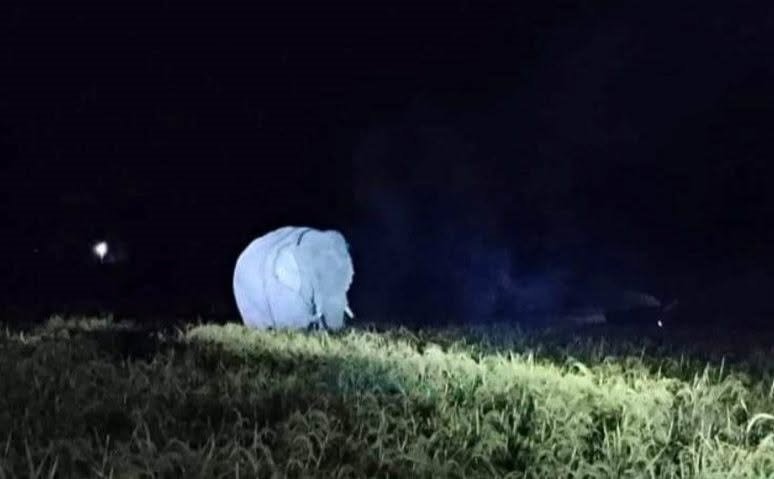
In addition to Swamp Deer, animals such as Royal Bengal Tiger, wild elephant, one-horned rhinoceros, leopard, blue bull, barking deer, red panda, wild boar, bear, fox, and wild boar are found here. The park is also an attractive destination for bird lovers. More than 450 species of birds have been recorded here.
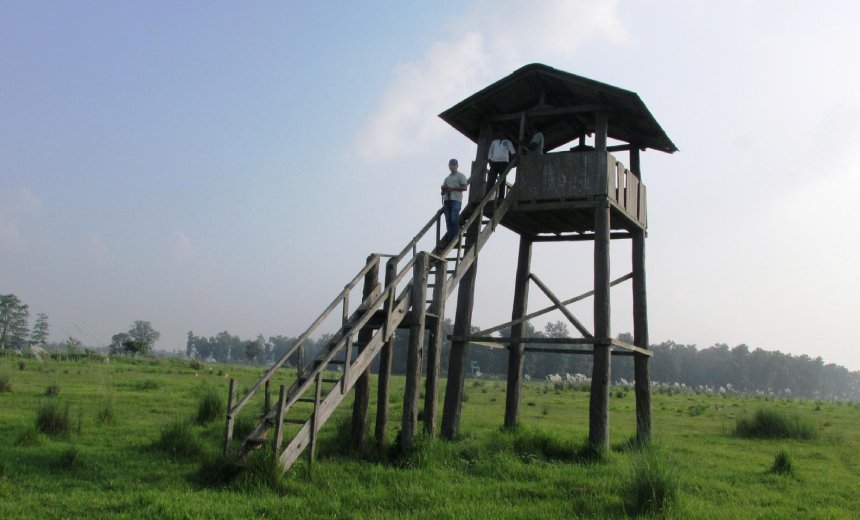
The vast grasslands of Shuklaphanta, Ranital, Sikari Tal, Salgaudi Tal, Baba Tal, Sal forest, Chaudhar River area, wildlife observation towers, and nature trails within the park are the main attractions for tourists. Tourists get the opportunity to observe wildlife up close through elephant safaris, jeep safaris, and bird watching in the morning and evening.
Shuklaphanta National Park is being established as an unparalleled destination for natural heritage, biodiversity, and wildlife observation. If the park administration can further improve infrastructure expansion, publicity, and tourist-friendly services, it is expected that the arrival of foreign tourists will increase even more significantly in the coming years.
This specific news has been automatically translated by AI. As a result, there may be some inaccuracies or language errors.