Weather Alert: Monsoon System Active, Adverse Conditions Expected Wednesday-Thursday


Kathmandu. With the monsoon system becoming active across the country, the weather is expected to remain more adverse on Wednesday and Thursday.
Meteorologists have stated that the monsoon activity has strengthened due to the increased flow of humid air caused by a low-pressure system developed in the Bay of Bengal region. All government mechanisms are actively engaged in minimizing the risk of potential disasters and for response.
To facilitate immediate rescue team access during disasters, the Armed Police Force (APF) has established 'Temporary Monsoon Response Bases' in 54 highly sensitive and risk-prone locations nationwide. APF spokesperson Netra Bahadur Karki stated that permanent bases with manpower and resources have also been set up in 16 highly risk-prone locations prone to rainfall-induced disasters.
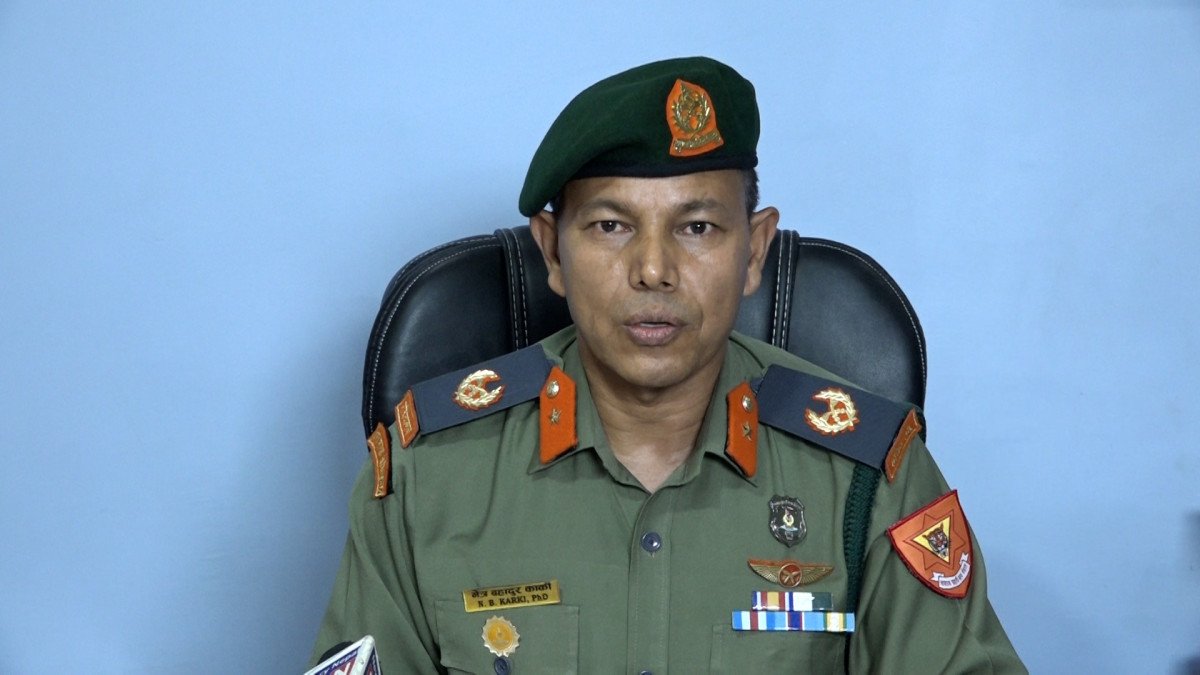
For post-disaster rescue, teams including divers have been deployed to risk-prone areas with necessary equipment. He informed that the Armed Police are on standby 24/7 for disaster response and are in constant coordination with the Disaster Management Authority and national and provincial emergency operation centers.
To make disaster management technology-friendly, the Armed Police has launched the 'APF Community Alert System' mobile app. This system ensures that information received from the community reaches the operational room at the battalion level immediately, facilitating the deployment of rescue teams.
Spokesperson Karki stated that by clicking on the type of disaster in the app, location-specific information is received, and a team is dispatched from the nearest battalion. Additionally, a hotline service, number 1114, has been operationalized at the center and in each battalion for the convenience of citizens in distress.
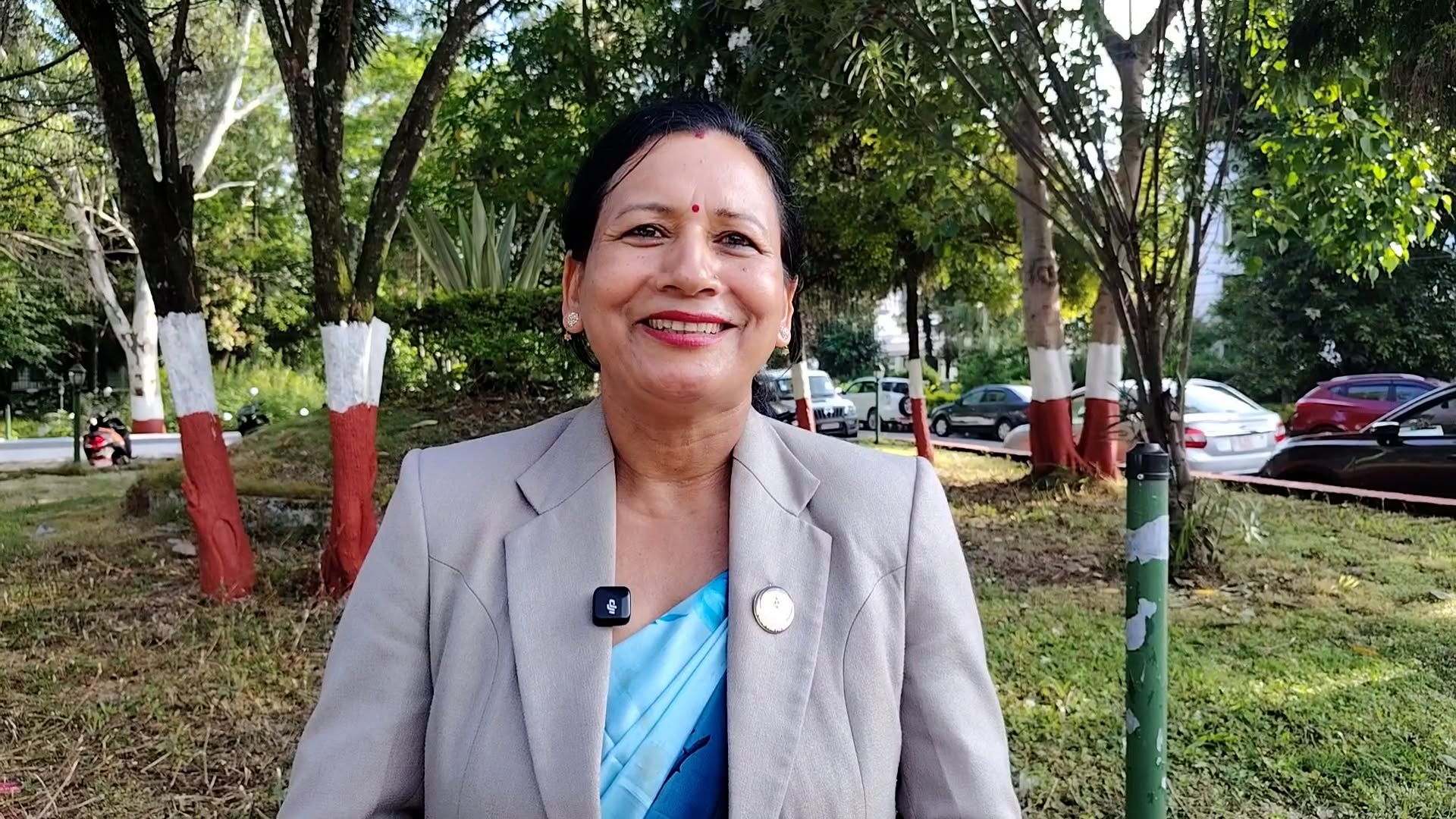
Meanwhile, Ashish Gajurel, a Member of Parliament from the Rastriya Swatantra Party and Chairman of the Infrastructure Development Committee, said that although state mechanisms are active in disaster management, scattered settlements pose a challenge. He mentioned that due to scattered houses in the hills and lack of integrated settlements in the Terai, it is difficult to ensure state access to every house. MP Gajurel emphasized the need to equip local levels, which are at the forefront of disaster management, with adequate resources.
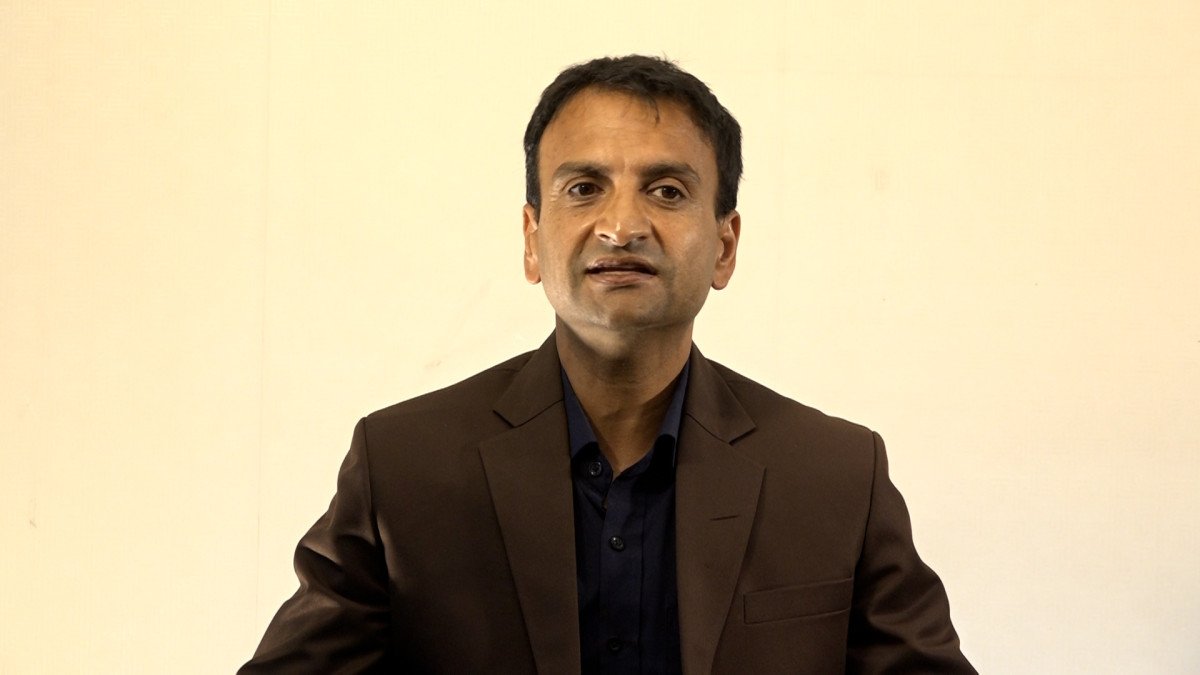
He said, 'The federal government should coordinate with provincial and local governments to relocate settlements at risk of disaster, even temporarily, and to provide safe shelter to citizens in danger.' He also stated that 'black spots' on roads need to be identified to minimize accidents, as highways are located along riverbanks and landslide-prone areas. Citing accidents at Simaltal and Jhaphle Khola as examples, he recalled that significant damage occurs when early warning and alerts are ignored.
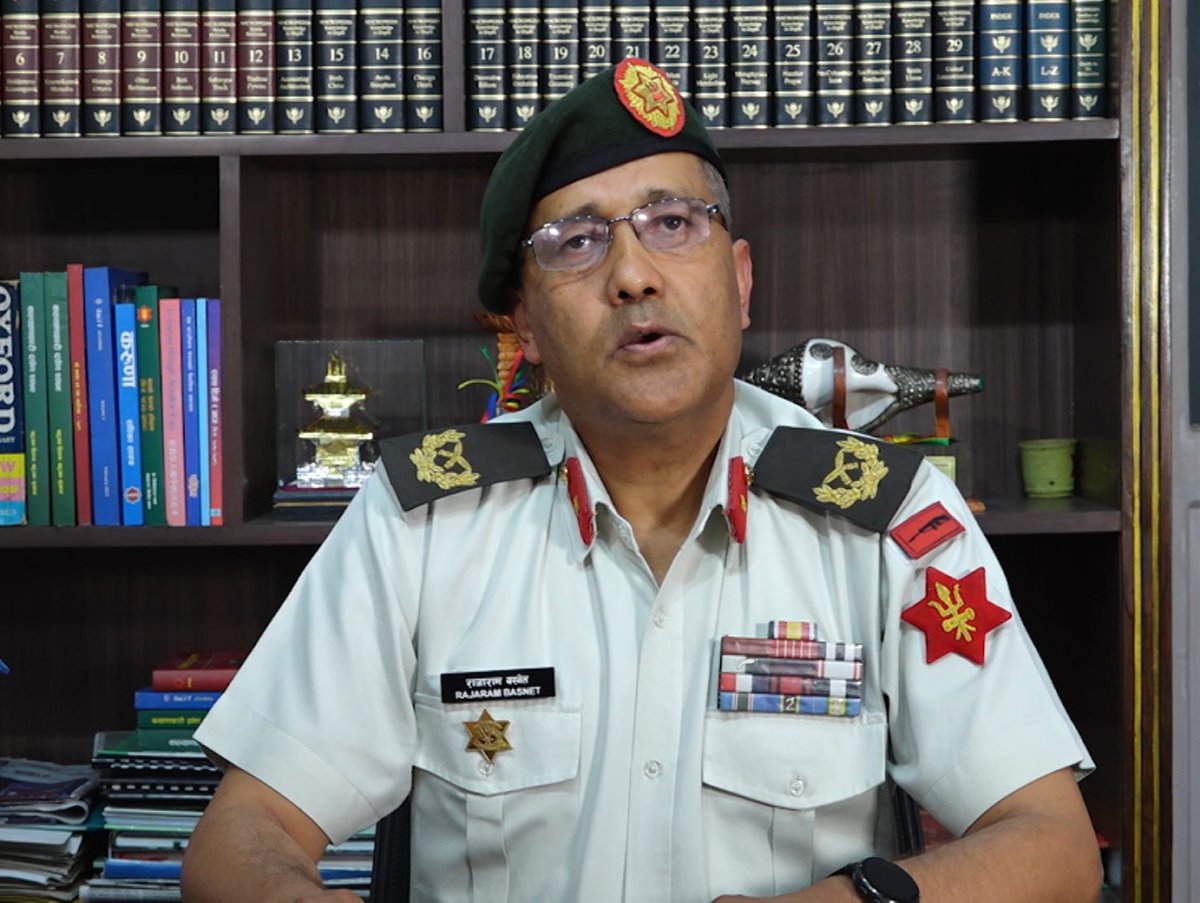
Similarly, the Nepali Army has also put forward a three-phase special preparedness action plan, considering the risks of monsoon-induced disasters. According to Army spokesperson Rajaram Basnet, in the first phase, plans have been revised after studying past incidents, and joint exercises have been conducted down to the lower levels. In the second phase, forces capable of immediate deployment have been stationed at the battalion and company levels, while a 'Composite Search and Rescue' team with relief materials has been kept ready at the division level.
Considering the risk of roads being blocked by floods and landslides, 'Bailey Bridges' have been kept ready in Gajuri, Dhading, Bharatpur, Chitwan, and Bara. The army has stated that mechanical bridges and field hospitals for emergency medical services have been kept ready in Kathmandu. Helicopters have been pre-deployed in Itahari and Surkhet for aerial rescue, and two additional helicopters have been kept on standby in Kathmandu for immediate deployment depending on weather conditions. Search and rescue teams have been deployed at airports.
In the third phase, local volunteers have been trained through community disaster response training, informed spokesperson Basnet. The army has appealed to the public to immediately inform the local or district disaster management committee, the nearest police unit, or the Nepali Army in case of disaster incidents, and to regularly follow the weather forecasts issued by the government.
This specific news has been automatically translated by AI. As a result, there may be some inaccuracies or language errors.