Lumbini Province Advances Bill to Preserve Tharu Culture and Traditions

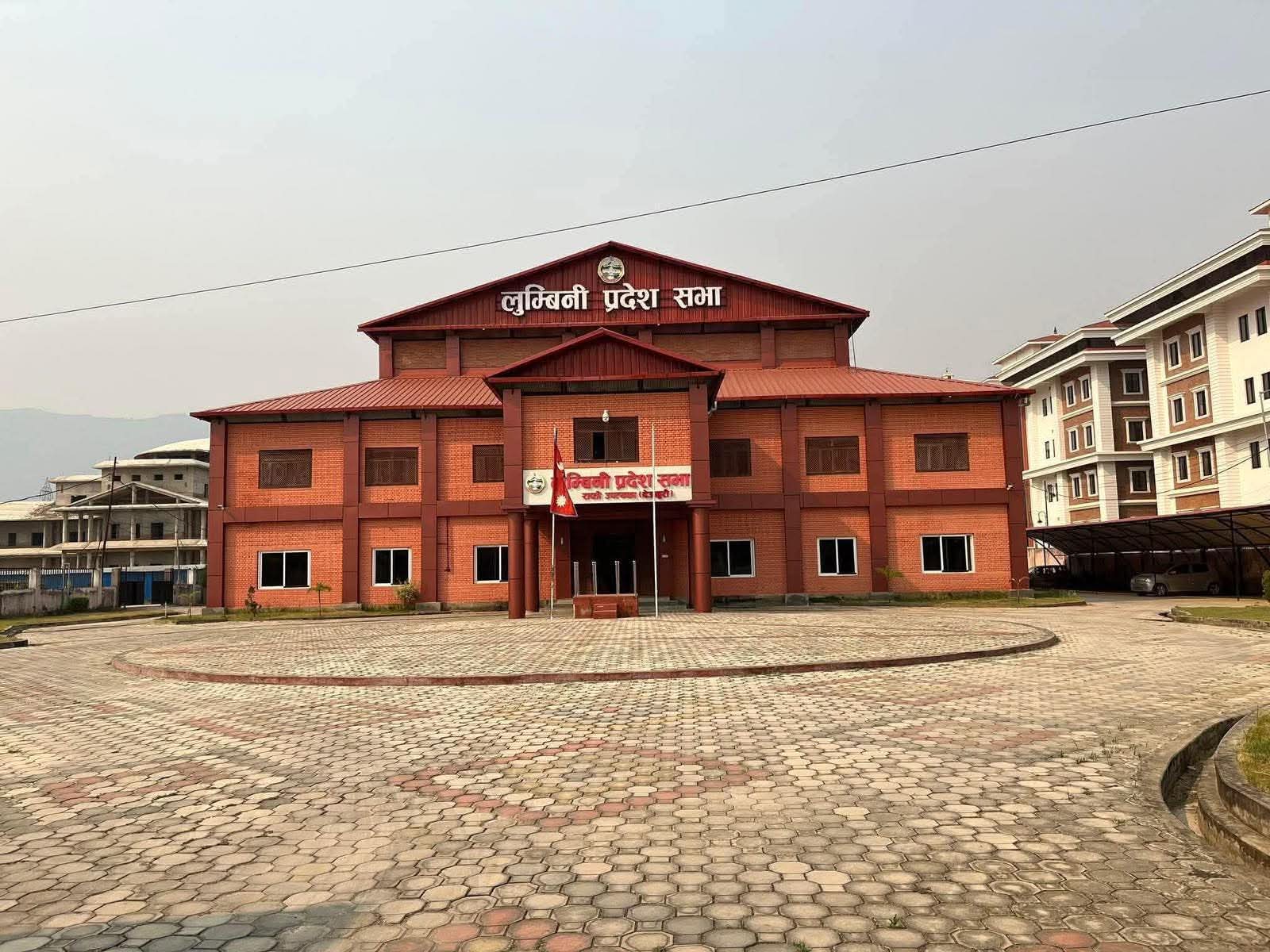
Dang. The Lumbini Province government has advanced the 'Bill Relating to the Preservation and Promotion of Customary Practices of the Tharu Community, 2083' with the objective of preserving and promoting the primitive customs, traditions, and culture of the Tharu community.
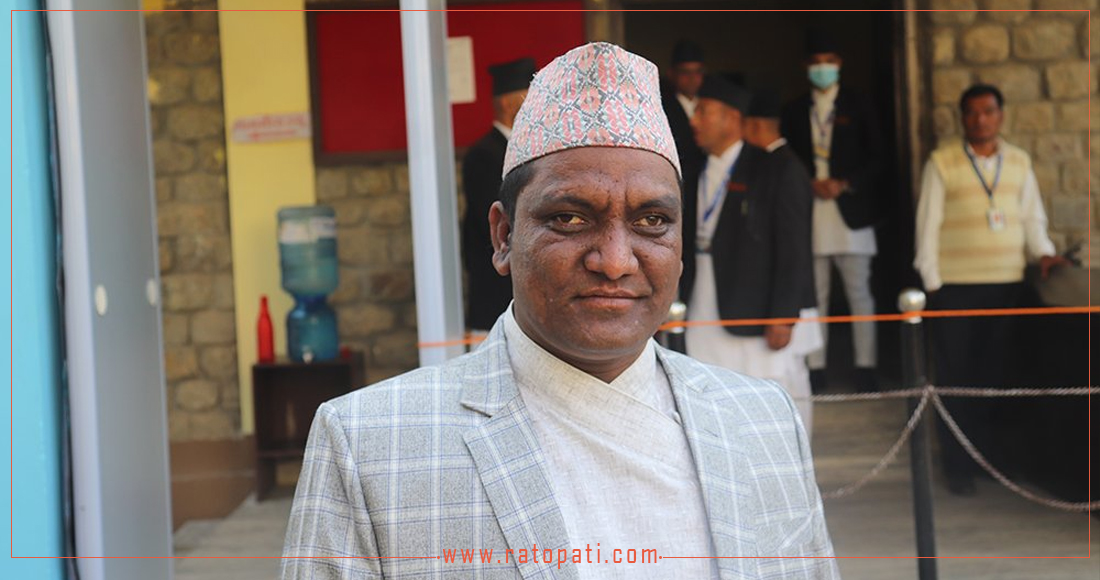
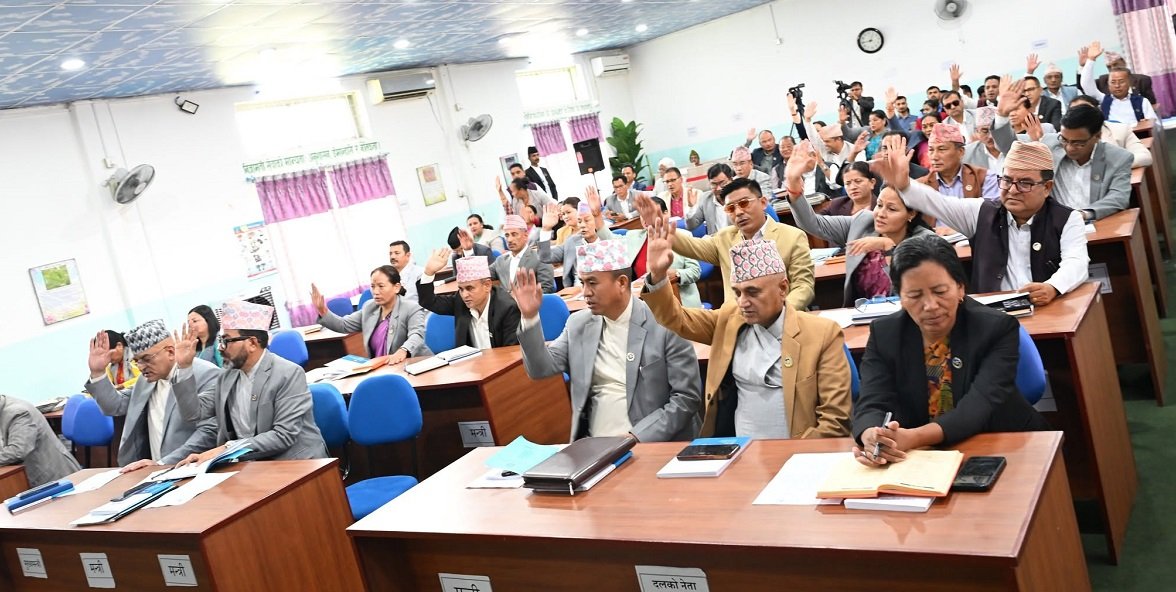
The bill has now been presented in the Province Assembly. Former Chief Minister of Lumbini Province, Dilli Bahadur Chaudhary, stated that this bill was prepared with the objective of legally organizing the collective customary structures, organizations, and cultural good practices that have been in practice since ancient times in the Tharu community, which has a majority in Lumbini Province.
The proposed bill has made provisions to legally recognize the 'Gaun Mauja' as the lowest level structure of the Tharu community and structures like 'Parganna or Tappu' formed by two or more villages for irrigation and collective work. Furthermore, positions like Mahatwa, Barghar, and Bhalmansa, who lead the community, have been legally defined, and their work, duties, and responsibilities have been clarified.
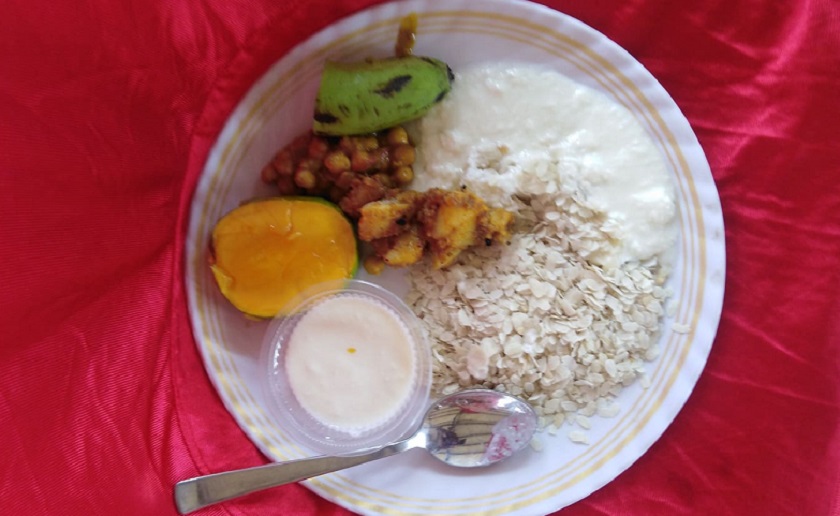
The bill also aims to provide special assistance in the documentation, preservation, and intergenerational transfer of the intellectual and cultural heritage related to the traditional festivals, food, attire, language, and agricultural and irrigation skills of the Tharu community.
In addition, the bill includes important provisions such as the possibility of establishing separate funds in each Gaun Mauja and Parganna, and encouraging a system for resolving minor disputes within the community through reconciliation.
According to the Province Government's Social Development Minister, Janmajaya Timilsina, once this bill is implemented as an act, the good practices of the Tharu community will receive legal protection, and the community's sense of ownership towards the state will increase.
This specific news has been automatically translated by AI. As a result, there may be some inaccuracies or language errors.