Far-Western Province Faces Fiscal Crisis as Administrative Costs Dwarf Internal Revenue

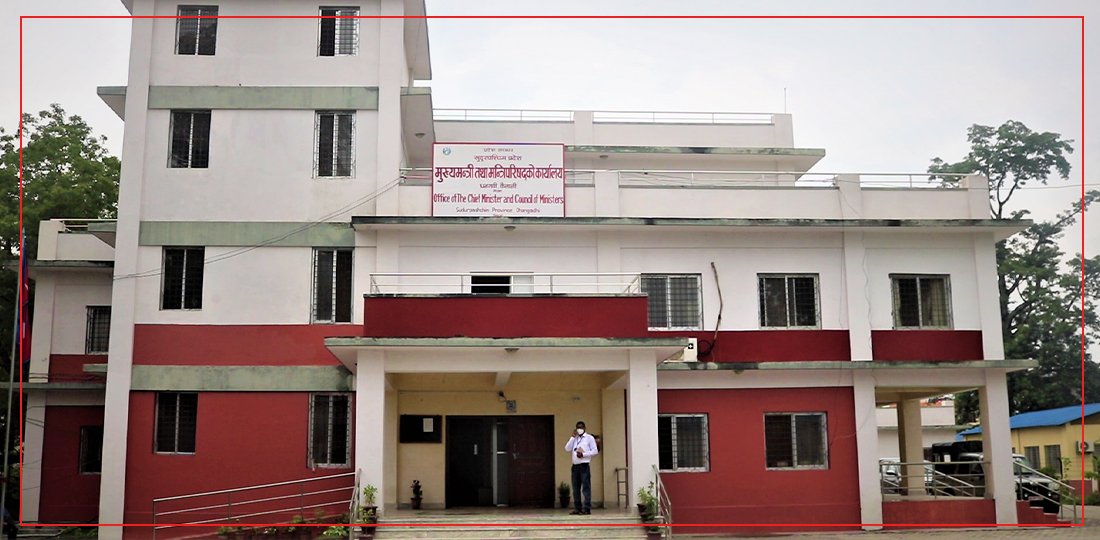
Dhangadhi. The internal revenue source of the Far-Western Province is extremely dire. The size of the budget and the nature of its allocation brought by the government for the upcoming fiscal year 2083/84 seem to reflect the reality of the province's financial situation.
The expenditure on the salaries and perks of employees and officials appears to be nearly double the amount the province aims to collect from its own internal revenue. This data confirms the provincial government's dependence on federal grants for its operation. Furthermore, rising administrative costs pose a risk of shrinking the development budget.
In the upcoming fiscal year, the provincial government has set a target of collecting 1.72 billion rupees in internal revenue. During the same period, 3.0147 billion rupees have been allocated solely for the salaries and allowances of employees and officials.
Thus, the administrative expenses exceed the province's total internal income by 1.29 billion rupees. To manage this expenditure, the government plans to spend 2.8114 billion rupees from various provincial sources and 203.257 million rupees from the conditional grants of the federal government.
Looking at the budget distribution, 1.9531 billion rupees are expected to be spent on employee salaries and 78 million rupees on official salaries. Besides these, allowances and perks provided under various headings consume a large portion of the budget. The government has allocated 44.5 million rupees for uniforms and 90.3 million rupees for food management in the upcoming year. Local allowances of 67.2 million rupees have been arranged for employees deployed in remote and local areas, and a cost of living allowance of 204.8 million rupees has been provided to mitigate the burden of inflation.
The list of meeting allowances and other miscellaneous expenses is equally long. An estimated 28.9 million rupees will be spent on employee meeting allowances and 20.7 million rupees on official meeting allowances.
Similarly, 316.4 million rupees have been allocated for other allowances, while the budget mentions nearly 16.9 million rupees to be spent on other perks and allowances for officials. 49.55 million rupees have been set aside for the employees' social security fund.
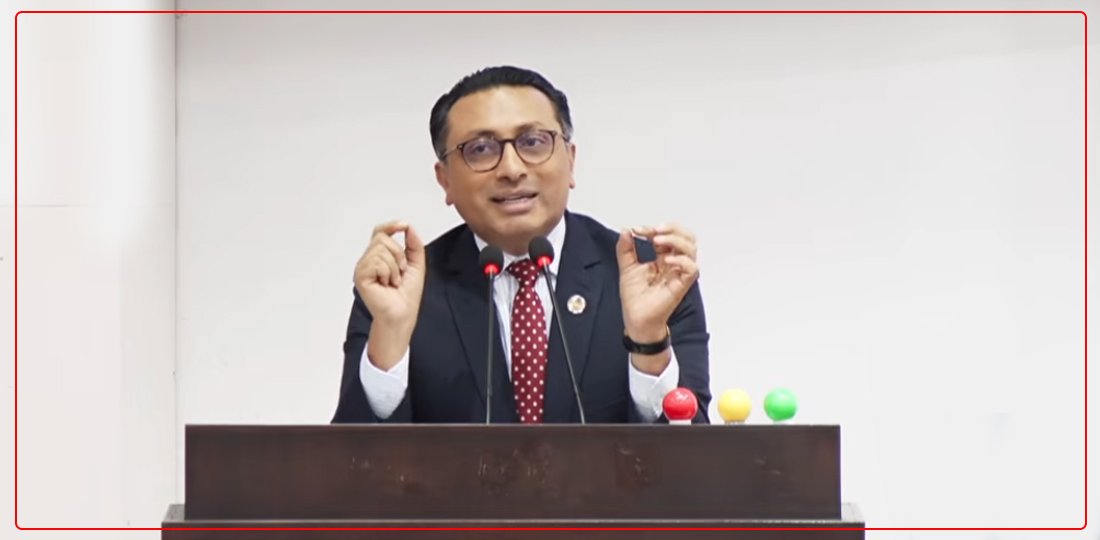
Presenting the budget at midnight on Asar 1, Minister of Economic Affairs, Bikram Dhami, informed that the salary scale has been increased by 10 percent to motivate civil servants, and all employees within the approved staffing will be provided with a 10 percent monthly incentive allowance. The monthly dearness allowance of 5,000 rupees, provided in accordance with the federal government's decision, and the provincial special incentive allowance will also continue in the upcoming year.
This trend of increasing administrative expenses is not new. In the fiscal year 2081/82, 2.0342 billion rupees were spent on salaries and allowances, and this figure is expected to remain similar by the end of the current fiscal year, according to revised estimates. However, the pace of revenue collection is very slow. The province, which collected 1.6 billion rupees last year, projects to collect only 1.65 billion rupees this year.
Apart from administrative expenses, the provincial government also appears generous in purchasing and operating vehicles. In the upcoming year, 347.7 million rupees have been allocated solely for the purchase of new vehicles. Additionally, 15.5 million rupees have been set aside for vehicle rentals. Fuel for these vehicles, to be purchased by ministries and subordinate offices, will cost 130.336 million rupees, with over 15 million rupees expected to be spent on fuel for officials alone.
The plan is to spend 83.2 million rupees from the state treasury on vehicle maintenance. The government seems to prioritize vehicle purchases under the pretext of compensating for over a hundred vehicles damaged during the Jenji movement in August 2082. However, millions have been spent on vehicle purchases in previous years as well.
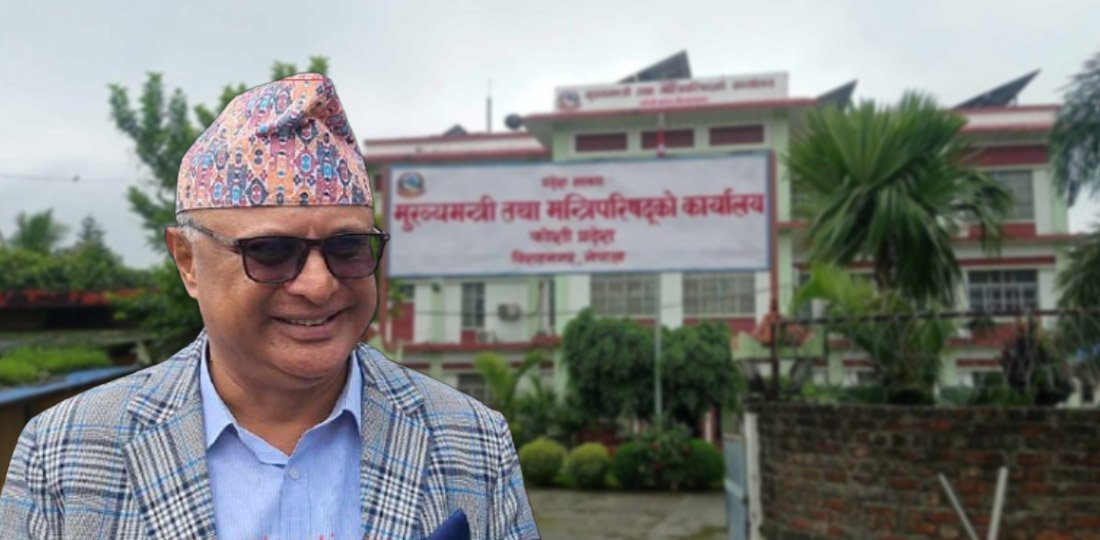
When asked why revenue sources could not be increased, Minister of Economic Affairs, Vikram Singh Dhami, stated that he is new and has just joined the government, and will work on increasing revenue sources after this budget is passed. In the previous five-year term of the Far-Western government, no activities were undertaken to increase revenue sources. Even towards the end of the second term, the government led by Chief Minister Kamal Bahadur Shah has not taken any concrete steps to increase revenue sources in the province.
Citizens here appear disappointed, stating that the province's revenue sources are extremely fragile. They attribute this situation to the government's failure to increase revenue sources, as the Far-Western government relies entirely on federal grants.
Analyst and former teacher Binayraj Joshi commented that the Far-Western Provincial Government has failed to formulate effective economic policies during its tenure. He argues that the main reason for the internal revenue not increasing as expected is the lack of clear and long-term plans.
According to Joshi, even though federalism has been implemented, provincial and local governments are still dependent on central grants. 'The government has shown a tendency to rely solely on grants instead of focusing on the development of industry, business, and agriculture,' he said. He emphasized the need to formulate plans based on various indicators of national income, stating that no concrete efforts have been made so far to steer the economy in the right direction.
Joshi suggests increasing investment in production-oriented sectors rather than imposing tax burdens on the public. He urged the government to create employment and increase internal revenue by maximizing the use of natural resources such as hydropower, herbs, and minerals.
This specific news has been automatically translated by AI. As a result, there may be some inaccuracies or language errors.


_jEGOtGcTjV.jpg)