Surajpur Incident: A Dark Chapter in Nepal's Democratic Movement
Butwal. Nepali Congress President Gagan Thapa recalled the Gauesthouse Chaur incident in Chitwan during the Rastriya Swatantra Party's general convention, bringing old incidents related to the democratic movement during the Panchayat era back into discussion.
Among various such incidents, the 'Surajpur Incident' in Devdaha, Rupandehi, is also remembered as a significant political event.
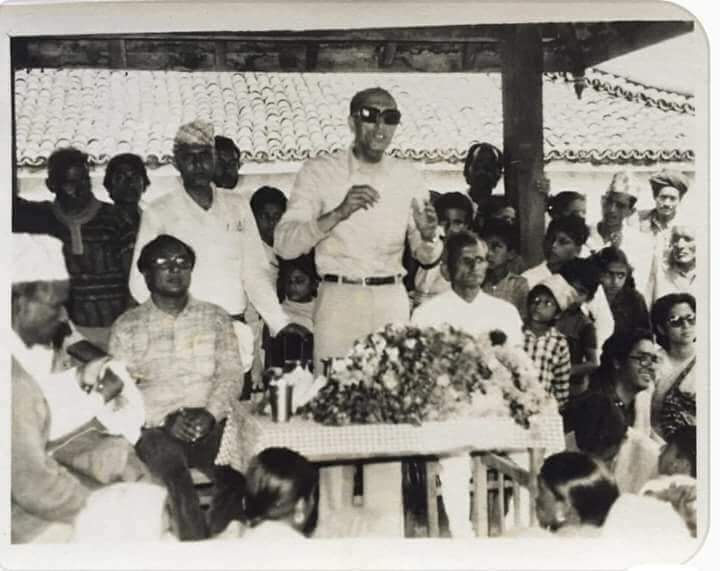
On Falgun 20, 2040 BS, the then Mandale group attacked an assembly organized by the Nepali Congress. The program was organized in the premises of the then Rupandehi Congress President Pushpananda Giri's residence.
Top leaders including then Congress General Secretary Girija Prasad Koirala, leaders Ram Chandra Poudel, Sher Bahadur Deuba, among others, were present at the program. The Mandales had come with a plan to attack them.
Two Congress workers died in the attack, and 272 people were injured. Among them, 27 were in critical condition, as recorded in history.
This incident during the democratic movement is considered one of the most tragic events in the political history of Rupandehi.
Yuvraj Giri, the younger son of the then house owner and Congress District President Pushpananda Giri, was an eyewitness to the incident.
The house currently belongs to Shakti Prasanna Giri, the sixth son among Pushpananda Giri's eight sons.
The Surajpur Incident is an important chapter in the history of Nepal's democratic movement, which further strengthened the struggle against the Panchayat system.
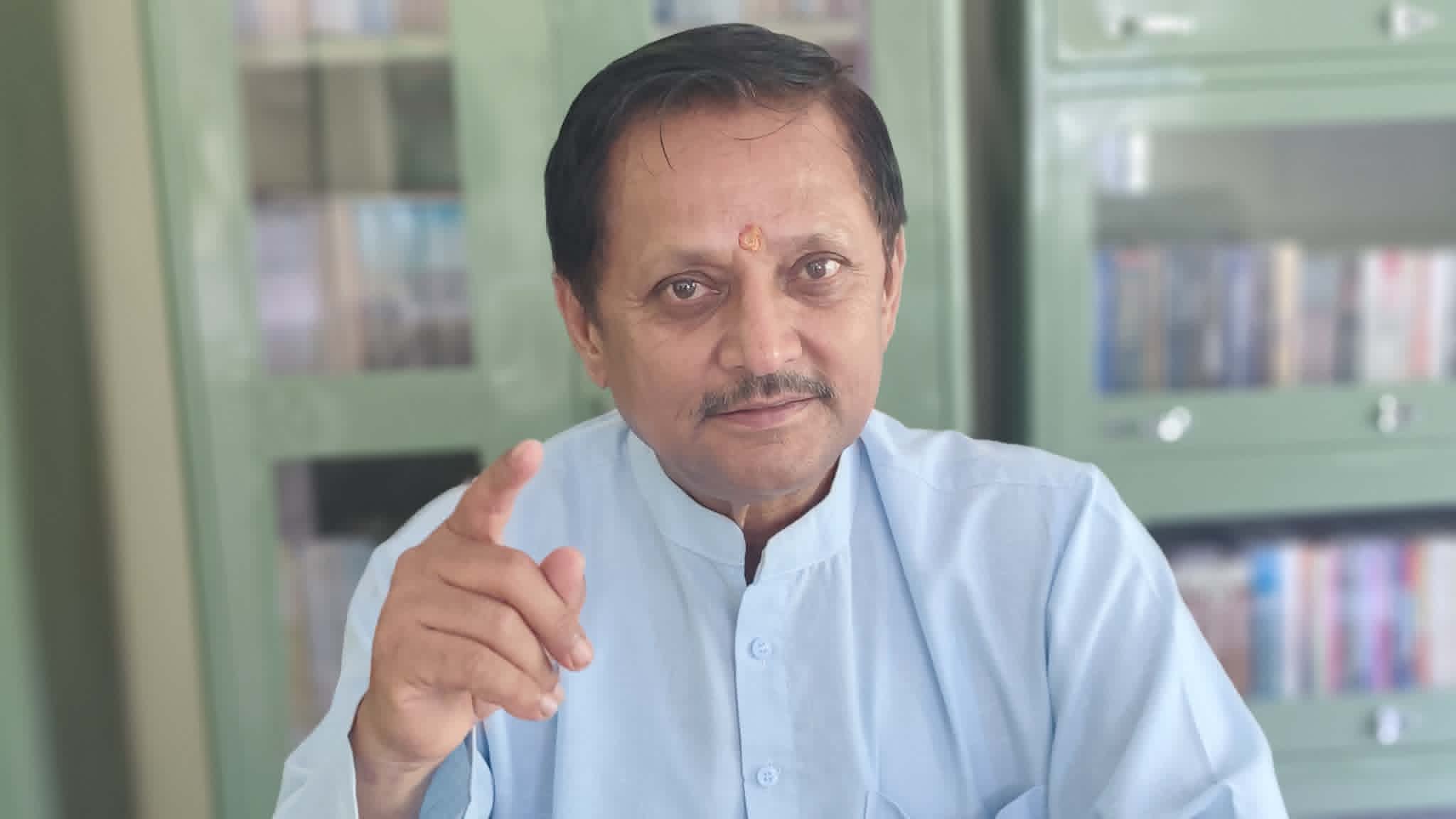
Yuvraj Giri, who was also a student leader at the time, recalled the Surajpur Incident in a conversation with RatoPati:
Giri's Testimony in His Own Words
In 2040 BS, I was studying Intermediate in Butwal Multiple Campus. I was also the unit president of Nepal Students' Union and a district member of the Nepal Students' Union, Rupandehi. Various programs used to be held in Surajpur, near our house in Devdaha Khairani. My father, Pushpananda Giri, was the district president of Congress.
On Falgun 20, 2040 BS, three Nepali Congress programs were scheduled in Rupandehi. One of them was at our house, another in Semlar, and the third in Bhairahawa. Leaders including Girija Prasad Koirala were scheduled to attend these programs. Since it was easy to reach Devdaha Surajpur by bus, the program was initially scheduled at our house. This was because transportation from Kathmandu to Devdaha Khairani was easily available. The program was about 5 kilometers from Khairani.
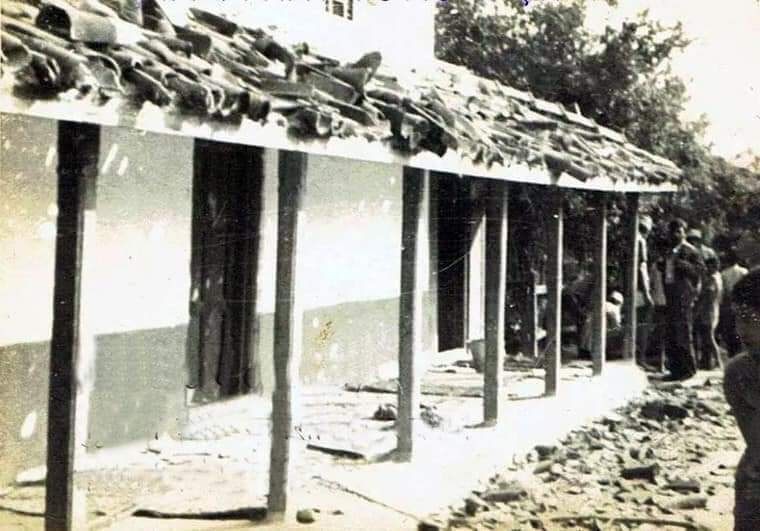
Our house in Surajpur, currently in Devdaha Municipality-3, had a compound made of wood on about 3 kattha of land. It was a suitable place for the program as it was also cool with fruit trees. After finishing that program, the plan was to go to Semlar, and then to Bhairahawa.
Although the Mandales also came and went during the program at our house, we didn't pay much attention. Because neither my father nor Girija Prasad Koirala might have expected such a large-scale, planned attack.
Congress leaders arrived at Khairani, Rupandehi, by minibus at 1 PM. At that time, political parties were banned during the Panchayat rule, so holding open party programs was not permitted. A short while after Girija Prasad Koirala arrived, there was a commotion that people were coming into the village carrying black flags.
Showing black flags is a style of protest. The opponents of the warriors who struggled for democracy are the Mandales. The Mandales had already attempted to attack Girija Prasad Koirala several times.
In 2038 BS, Mandales had disrupted a program in Kapilvastu, Jeetpur. At that time, Congress leader Trailokya Pratap Sen had saved Girija Koirala. When signs of an attack at Surajpur emerged, my father (Pushpananda Giri) decided to shorten the program, with only Girija Prasad Koirala speaking, and to conclude it quickly. As we were going inside the house to eat after the program, hundreds of Mandales arrived. They came with stones and spears. The attack began fiercely. Many Congress youths were present, but there was no open order to resist. The Mandales entered the house and started vandalizing. Our three-story house had separate wooden boxes for storing mustard, oil presses, and wheat. They even broke these boxes and brought them to the courtyard.
Girija Prasad Koirala was hidden in Dhansar. We were attacked. We had a licensed gun at our house. Along with other neighbors, we had 3 guns in total, but we did not fire them. Because we did not have orders to fire the guns.
The attackers, who initially hurled stones from outside the house walls, later entered and attacked and vandalized. After breaking the door with an axe, they attacked the cadres on the ground floor. To protect the leaders, they were taken to the third floor and a wooden door (ghopte) was placed at the mouth of the stairs.
Sher Bahadur Deuba was also injured at that time. The scar from the injury on his face is still clearly visible.
At that time, the attack was planned by the then Zonal Administrator, CDO, then DSP Ram Kaji Bantawa, Panchayat supporter Niranjan Thapa, Deepak Bohara, among others. The main objective was to attack Girija Prasad Koirala. All the jewelry, belongings, and grains in our house were looted and destroyed.
Yadab Nath Alok and Ram Prasad Chaudhary died in the Mandale attack. 270 people were injured, and 27, including Hari Prasad Pokharel, Kaladhar Gaire, and Parmanand Bhattarai, were seriously injured.
Alok was captured by the Mandales while fleeing and killed with a khukuri and spear. Chaudhary died 9 days later during treatment. At that time, as there were no vehicles like today, the injured were taken to the hospital in carts. Some were taken by cart to Semra Bazaar, which is now in Tilottama, and then loaded onto the truck of Gopalman Shrestha (former minister and Congress leader) and brought to Butwal Hospital for treatment.
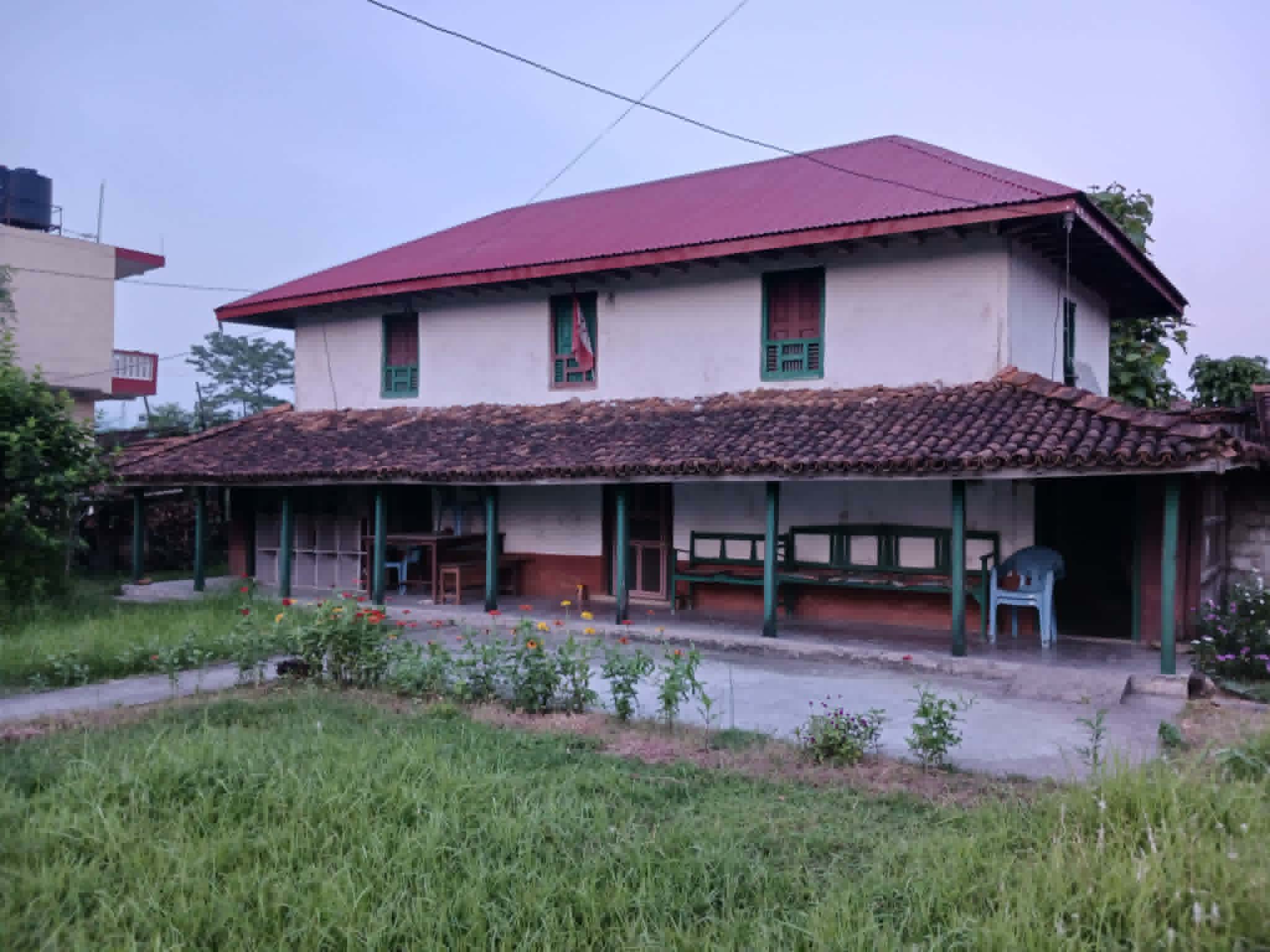
After the incident, Girija Prasad Koirala canceled not only his scheduled programs in Semlar and Bhairahawa in Rupandehi that day but also his country tour program.
A month after the incident, the then Home Secretary Tek Bahadur Khatri visited the scene. He proposed compensation from King Birendra. However, Pushpananda Giri demanded the punishment of the culprits and the establishment of democracy rather than compensation.
The Surajpur Incident was not just a local event but an example of organized political violence against the democratic movement during the Panchayat rule.
The Nepali Congress remembers the Surajpur Incident as a representative event of the oppression and political violence of the Panchayat regime.
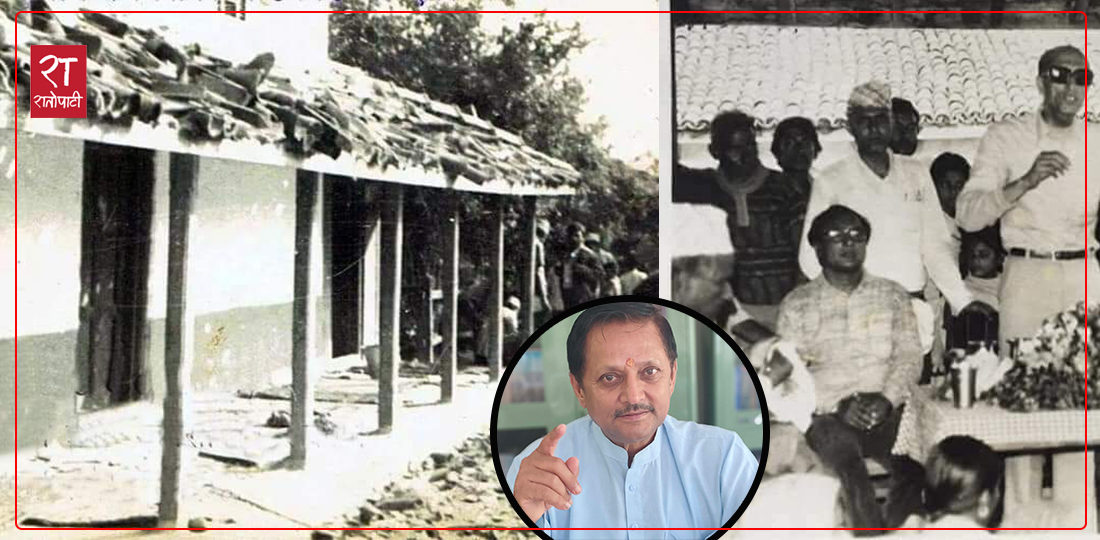
(The historical photographs were provided to RatoPati by Congress leader Yuvraj Giri.)
This specific news has been automatically translated by AI. As a result, there may be some inaccuracies or language errors.