Prime Minister's Office Expresses Dissatisfaction Over Being Made Respondent in Court Petitions

Kathmandu. The Office of the Prime Minister and Council of Ministers has expressed dissatisfaction with the practice of making it a respondent in every writ petition filed in court. The office complains that the state's resources, means, and time are being unnecessarily spent by making the Prime Minister's Office a respondent even in unrelated matters.
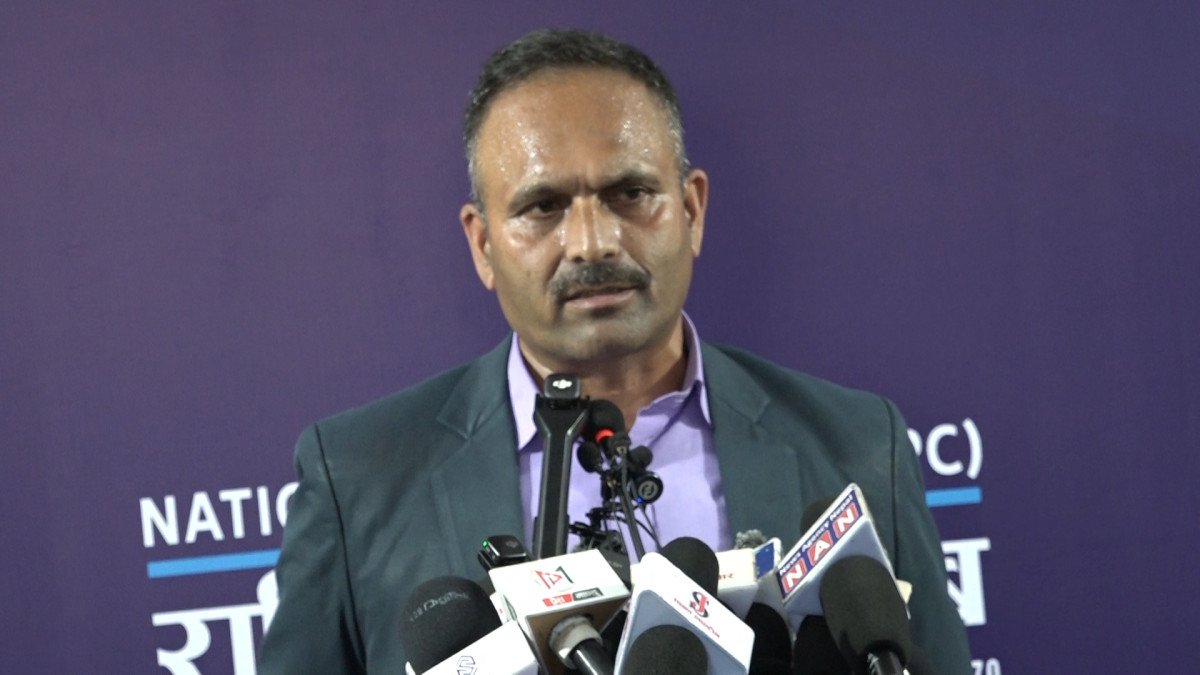
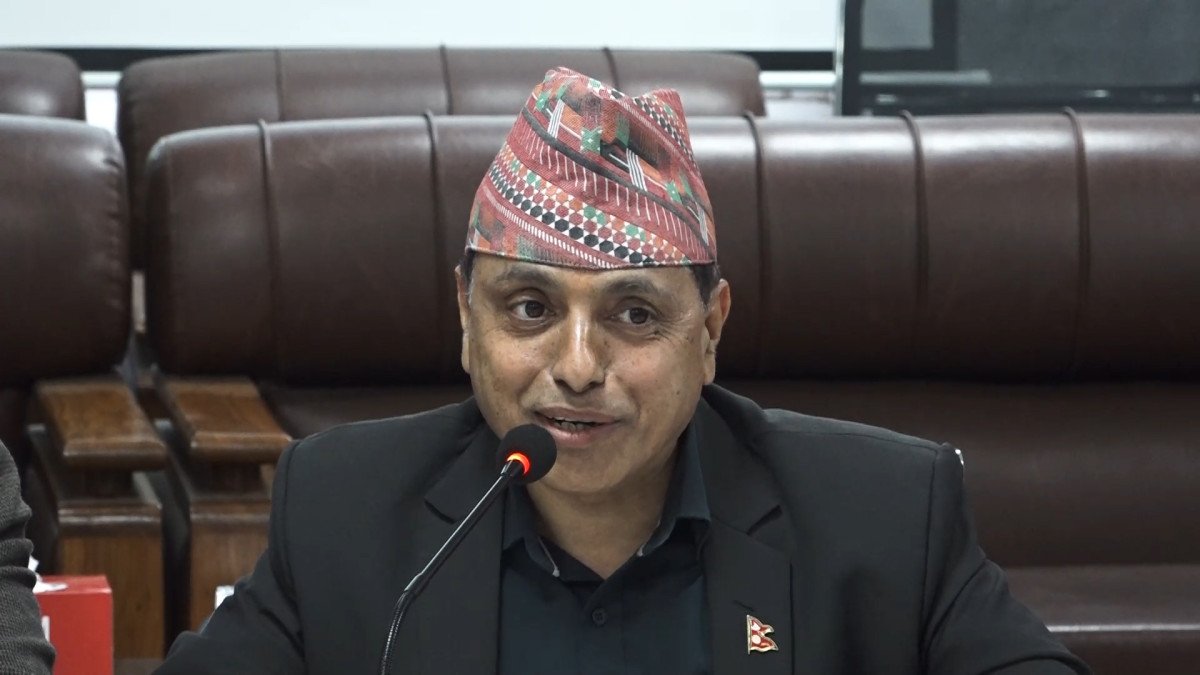
Pushkar Sapkota, Secretary for Law and Human Rights under the Office of the Prime Minister and Council of Ministers, has urged the court to identify the concerned body at the time of filing the writ and make only the necessary party a respondent. He informed that 38 petitions related to the Prime Minister's Office are currently in the process of implementation.
He clarified that these judgments are not of a nature that the Prime Minister's Office itself will implement, but are related to various subject-specific bodies. 'There are 38 petitions related to the Prime Minister's Office itself. Even if judgments are made in those petitions, they are not of a nature that the Prime Minister's Office itself will implement,' said Secretary Sapkota. 'They are related to various bodies, and as soon as we receive them, we send them to the concerned bodies for the implementation of the judgment. We keep reminding them from time to time, but even with reminders, in some cases, the judgments have not been implemented.'
He argued that state manpower is being wasted because the Prime Minister's Office is made a respondent even when its involvement is not necessary in some writs, and it is mandatory to submit a written response for them. He stated that the obligation has increased due to the situation where a written response of 'no' or 'not' has to be given in every case.
'There seems to be a practice of making the Prime Minister's Office a respondent in every writ, but in some cases, this is not necessary. Only the body that is actually concerned should be made a respondent,' said Sapkota. 'Even if the judgment is implemented by all bodies, if only one body remains, the implementation record cannot be cleared. Therefore, if the concerned body is identified at the time of filing the writ and only that body is made a respondent, a lot of resources can be saved.'
He also stated that some court judgments are practically difficult to implement. While stating that complexities are faced in the process of implementing judgments, he mentioned that some judgments are of a nature that cannot be implemented at all. Emphasizing the need to further strengthen the judicial process and administrative coordination, Secretary Sapkota expressed the view that all government bodies should sit together to find solutions to old and complex judgments.
This specific news has been automatically translated by AI. As a result, there may be some inaccuracies or language errors.