
GANDAKI PROVINCE LOCAL GOVERNMENTS FAIL TO DEPOSIT RS 187.7 MILLION IN REVENUE

Pokhara. Pokhara Metropolitan City has not sent more than 60 million rupees that should have been sent to the provincial government by excavating natural resources. This collected amount of 60.7 million rupees has been spent by the metropolis at its own discretion.
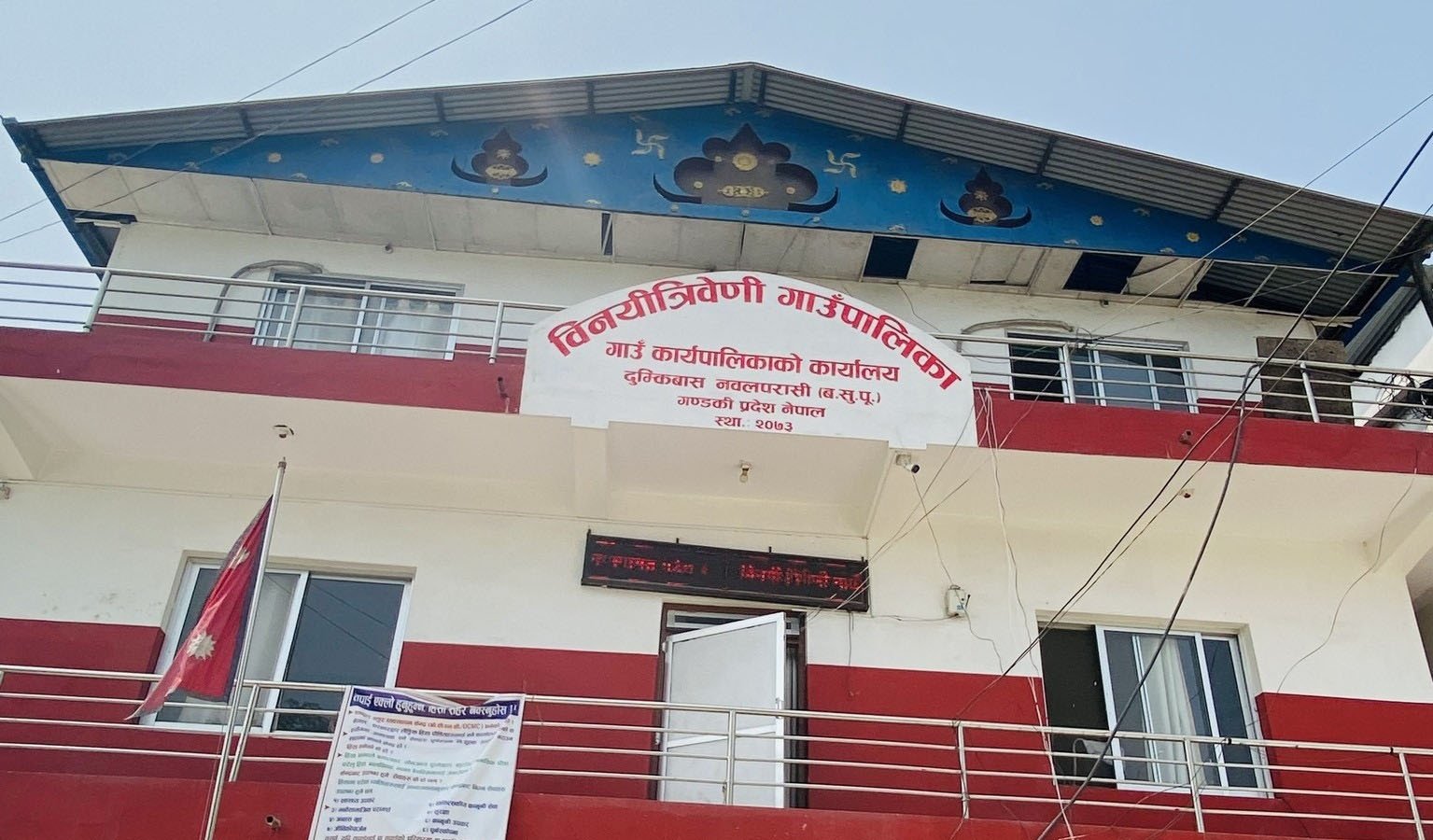
Nawalpur's Binayi Triveni Rural Municipality has a backlog of 37.445 million rupees, and Gaindakot Municipality has a backlog of 21.16 million rupees to be paid to the provincial government. In a single year, Madhyabindu Municipality has also not paid 20.586 million rupees, while Syangja's Galyang Municipality has 9.473 million rupees remaining to be paid.
Similarly, Hupsekot Rural Municipality has 723,000 rupees, and Palungtar, Dharche in Gorkha, Rupa in Kaski, Marsyangdi in Lamjung, and other local units have not deposited the legally mandated 40 percent revenue in the provincial account.
There is a constitutional provision for the union, province, and local levels to have shared authority over natural resources. Accordingly, the authority and responsibilities of all three levels of government have been divided. In some sources, the union collects revenue and distributes it to the lower levels. In some, the provincial structure collects taxes and revenue and sends some to the union while giving some to the local units. In some categories, local units collect revenue and send it to the union and province.
However, local units in Gandaki Province have spent the money collected from natural resources at their own will. Specifically, some local units here have not sent the money collected from selling stones, gravel, sand, soil, etc., to the provincial government as required by law.
According to the eighth annual report of the Auditor General, 15 local units in Gandaki Province did not pay 187.757 million rupees to the provincial government from the revenue collected from natural resource excavation in the fiscal year 2081/082.
According to Section 8(4) of the Province's Economic Act, 2081, and Section 5 of the Inter-Governmental Fiscal Management Act, 2074, local units must deposit the revenue collected from the sale and fines of items like soil, stones, gravel, sand, and gravel into the divisible fund. It is a mandatory legal provision that 60 percent of this amount should be deposited in the local unit's reserve fund and 40 percent in the provincial reserve fund. 15 local units have kept 40 percent of the amount in their own treasuries instead of giving it to the province.
According to the Auditor General, local units have not sent the amount to be sent to the provincial reserve fund by exploiting loopholes in the law. Local units have claimed that all rights over natural resources belong to them, citing the Local Government Operation Act, 2074.
The Auditor General has directed the provincial government to recover the outstanding arrears. The report states, 'According to the final audit, it was found that 15 local units did not distribute and pay the allocated 187.757 million rupees to the provincial government for natural resources this year.' 'Regular data collection and accounting of the divisible fund should be done at the local level, and the remaining amount should be received by the provincial reserve fund.'
The provincial government is struggling to increase internal revenue due to a lack of resources. The government, which had set a target of more than 5 billion rupees in internal income, has been limited to 2 billion rupees. 'Regarding the distribution of royalties from natural resources, the provisions of Section 62(a) of the Local Government Operation Act, 2074, and the Province's Economic Act, 2081, are conflicting, so it needs to be clarified legally,' the Auditor General has suggested.
This specific news has been automatically translated by AI. As a result, there may be some inaccuracies or language errors.

-(2)_QJLjKxR87n.jpg)