
Supreme Court to Hear Cases Questioning Attorney General Kandels Qualification


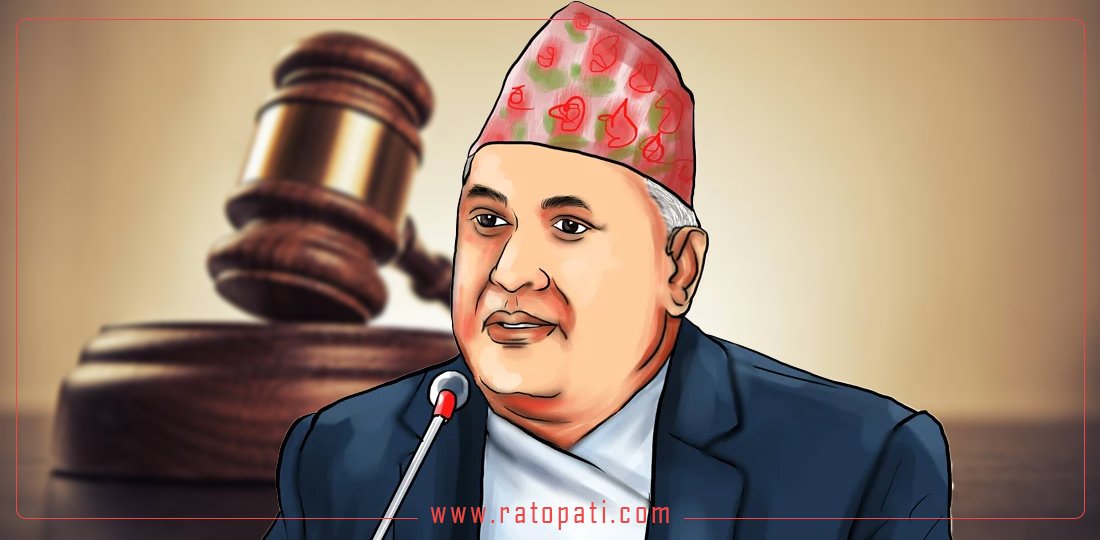
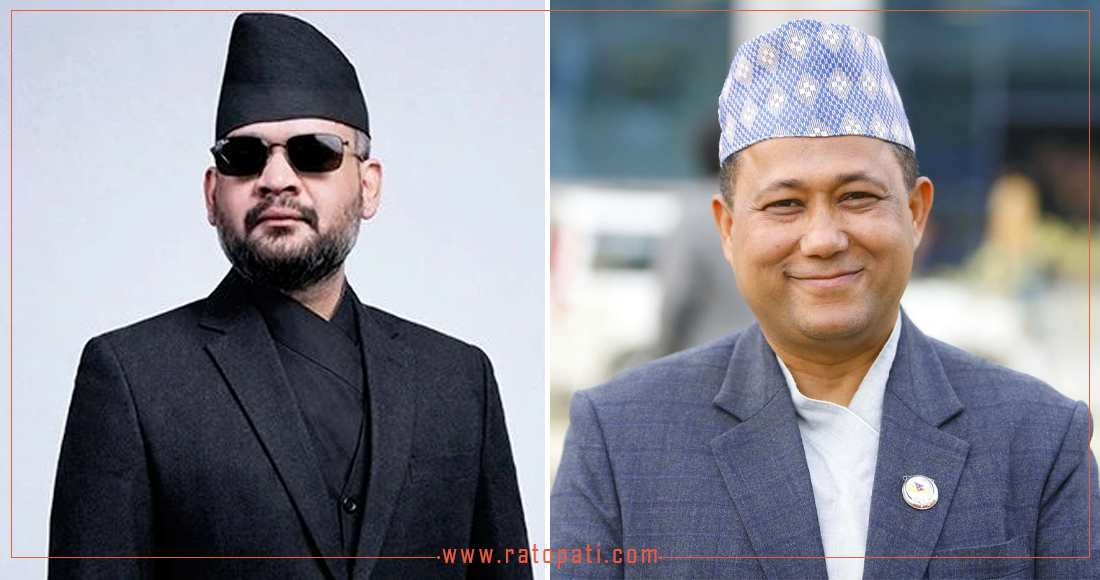
Kathmandu. Three writ petitions filed at the Supreme Court questioning the qualification of Attorney General Dr. Narayan Prasad Kandel have been scheduled for hearing. The petitions, filed by advocates Madhav Kumar Basnet, Deepak Raj Joshi, and 4 others, and Shiraj Baral and others, questioning the qualification of the Attorney General, have been scheduled for hearing in the joint bench of Chief Justice Dr. Manoj Kumar Sharma and Tek Prasad Dhungana. Earlier, the Supreme Court had issued a show-cause order in the name of the government in the writ petition through a single bench of Justice Kumar Regmi. With the written response submitted by the government, the case has been scheduled for hearing regarding the interim order. Prime Minister Balendra Shah (Balen) had appointed Kandil as the Attorney General on Chaitra 22, 2082. Upon appointment, the writ petitioners filed the petition questioning the qualification of Attorney General Kandil. The petitioners have claimed that Dr. Narayan Prasad Kandel's qualification does not meet the criteria as per Article 157 (3) and 129 (5) of the Nepal Constitution. They have demanded that the appointment of the Attorney General made on Chaitra 22, 2082, and the oath administered on the same day be quashed by a certiorari order. They have also sought an interim order to prevent Dr. Kandel from performing any duties in the capacity of Attorney General until the final decision of the case. The writ claims that Kandel, who returned after living in Britain for a long time, does not have the qualification of 15 years of continuous practice as a lawyer. The writ petition argues that the appointment violates the constitution as the person lacks the qualifications specified by the constitution and there is also a conflict of interest. Article 157 (3) states that the Attorney General must have qualifications equivalent to those of a Supreme Court Justice. Article 129 (5) of the constitution specifies the qualifications for a Supreme Court Justice. This article states that a Nepali citizen who has obtained a bachelor's degree in law and has worked as a Chief Justice or Justice of the High Court for at least 5 years, or has obtained a bachelor's degree in law and has practiced continuously as a senior advocate or advocate for at least 15 years, or has worked continuously in the field of law or justice for at least 15 years and has gained recognition as a distinguished legal expert, or has worked in the gazetted first class or higher position in the judicial service for at least 12 years is considered qualified for appointment as a Supreme Court Justice.
This specific news has been automatically translated by AI. As a result, there may be some inaccuracies or language errors.
-(2)_QJLjKxR87n.jpg)