Health Ministry Prepares for Monsoon-Related Diseases
Kathmandu. With the monsoon, the Department of Health Services will mobilize its entire structural system with high alert, assessing the risk of weather-related and epidemic diseases across the country.
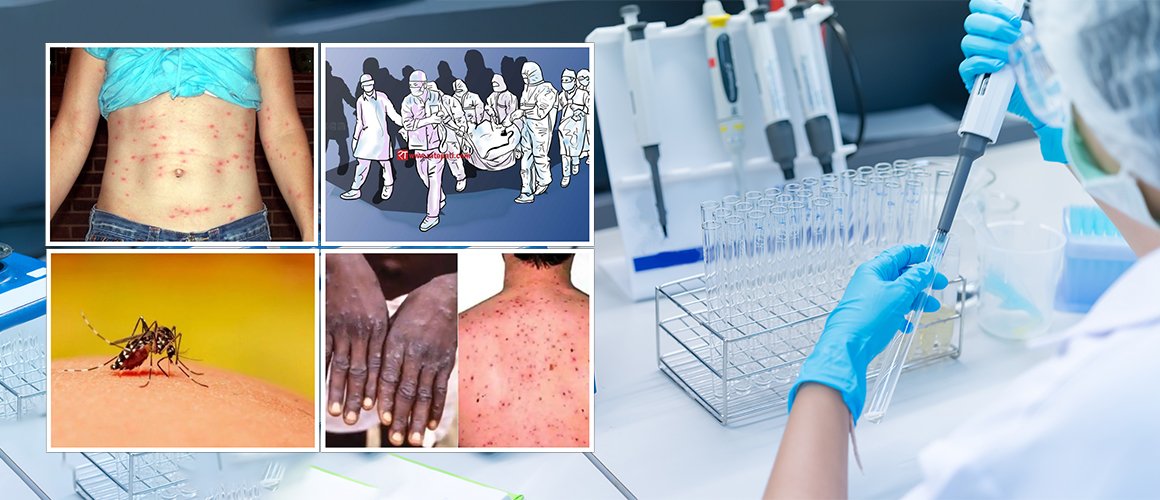
During the monsoon, diseases like cholera, dengue, diarrhea, scrub typhus, malaria, and influenza are particularly common.
The Department of Health Services has stated that it is prepared to combat the increased possibility of various infectious diseases due to rising temperatures, humidity, and continuous rainfall. Health officials say that the transmission of diseases may increase during the monsoon as water sources can become contaminated and sanitation management can face problems.
The government has allocated a budget of 30 crore 16 lakh rupees for the Epidemiology and Disease Control Division under the Department of Health Services, which plays an important role in controlling epidemic diseases, for the upcoming fiscal year. The department has initiated integrated preparedness for disease prevention and treatment from community and health posts to provincial and central hospitals.
Under this campaign, more than two hundred health workers across the country have been provided with 'Field Epidemiological Training Program' and kept ready for epidemic research and immediate response.
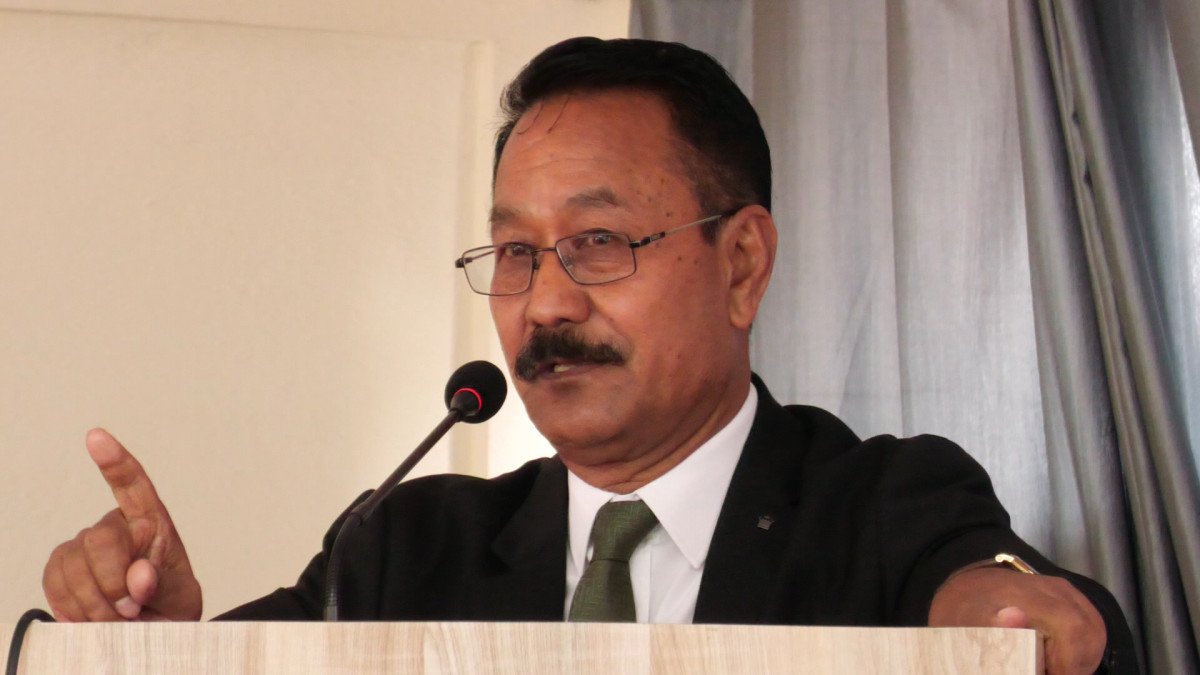
Dr. Anuj Bhattachan, acting Director General of the Department of Health Services, said that a letter has been sent to all rural municipalities and municipalities through the Ministry of Land Management, Cooperatives, Federal Affairs and General Administration to be prepared for epidemic preparedness and response.
He said, 'We have requested local levels to manage and arrange for testing by managing diagnostic kits in sufficient numbers for monitoring patients including dengue and scrub typhus. Coordination has also been requested with the health, public health, or health service offices in every district for cholera-related testing.'
According to Dr. Bhattachan, in case of any public health epidemic or outbreak, it has been requested to coordinate with the concerned province and the Epidemiology and Disease Control Division to systematically respond by entering the information related to the outbreak into the 'Soramas' system and conducting an initial rapid risk assessment.
Doctors say that special attention should be paid to sanitation to avoid monsoon-related diseases. According to infectious disease specialist Dr. Sher Bahadur Pun, the government should intensify the monitoring of drinking water during this time. Dr. Pun said, 'Waterborne diseases like diarrhea and cholera spread a lot during the monsoon.'
The department, strengthening the tripartite coordination of federal, provincial, and local levels, has stated that it will deploy doctors, nurses, lab, public health, and data sector personnel from local hospitals to the front lines.
The government has prioritized the use of modern technology and direct monitoring systems for early warning and effective control of epidemics. To prevent waterborne diseases, especially cholera and diarrhea outbreaks, 'Water Quality Surveillance' work has been advanced with the objective of testing the quality of drinking water. In addition, the 'Soramas' (Surveillance Outbreak Response Management and Analysis System) system has been implemented across the country for immediate digital reporting of infectious diseases and cases with unidentified but infectious symptoms. This live digital surveillance system will provide early warning of potential epidemic risks, making it easier to conduct rapid risk assessment of public health outbreaks.
A system has been developed for immediate information to the central body as soon as patients appear at the community level, as female health volunteers and health post staff working in villages have been continuously trained on which infectious diseases need to be reported immediately.
The government has made strategic plans and budget arrangements for the control of dengue disease, which has become a major public health challenge in recent years.
An amount of 3 crore 50 lakh rupees has been allocated for the upcoming fiscal year to conduct the 'Search and Destroy' campaign, which involves finding and destroying mosquito larvae that spread dengue infection in local levels. The Epidemiology and Disease Control Division has also stated that arrangements have been made to provide an additional 50,000 rupees for each district to coordinate with local levels at the district level.
Doctors say that special attention should be paid to sanitation to avoid monsoon-related diseases. According to infectious disease specialist Dr. Sher Bahadur Pun, the government should intensify the monitoring of drinking water during this time. Dr. Pun said, 'Waterborne diseases like diarrhea and cholera spread a lot during the monsoon.'
During this time, the demand for bottled water is high and the supply is low, which can lead to quality problems and infection risk, so the government should increase monitoring. He said that the government should conduct public awareness programs as the transmission of vector-borne diseases like dengue and scrub typhus also increases during this time. Dr. Pun added, 'The 'Search and Destroy' campaign should be practically implemented for mosquito control, and individuals themselves should be vigilant and aware.'
This specific news has been automatically translated by AI. As a result, there may be some inaccuracies or language errors.