
Yak Cheese Factory Faces Production Challenges

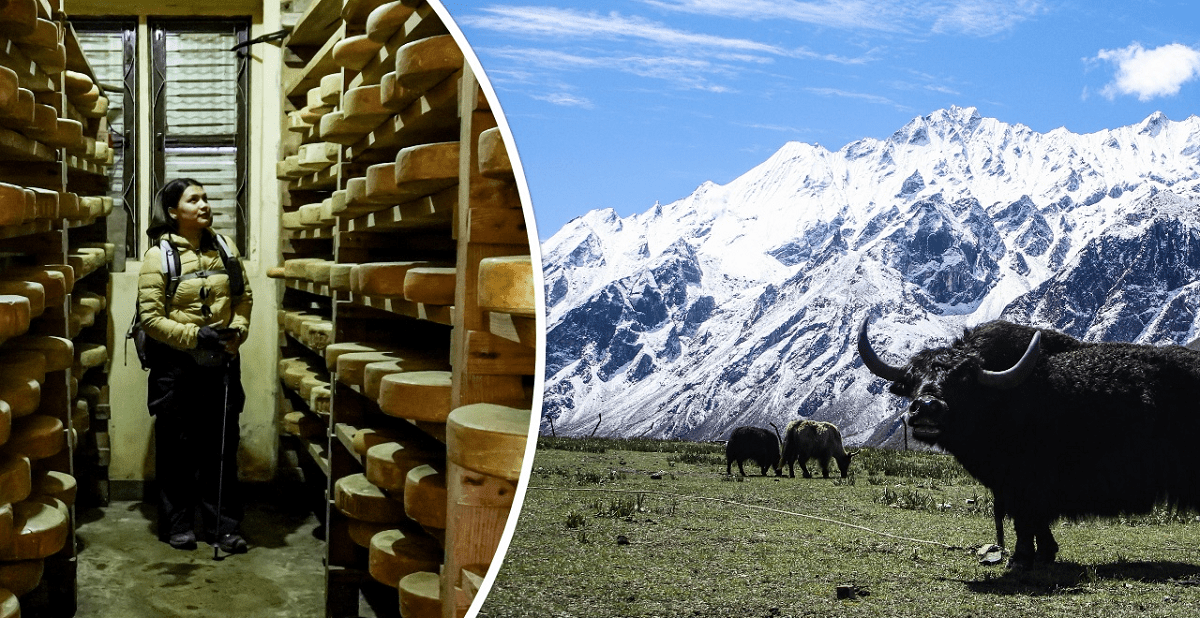
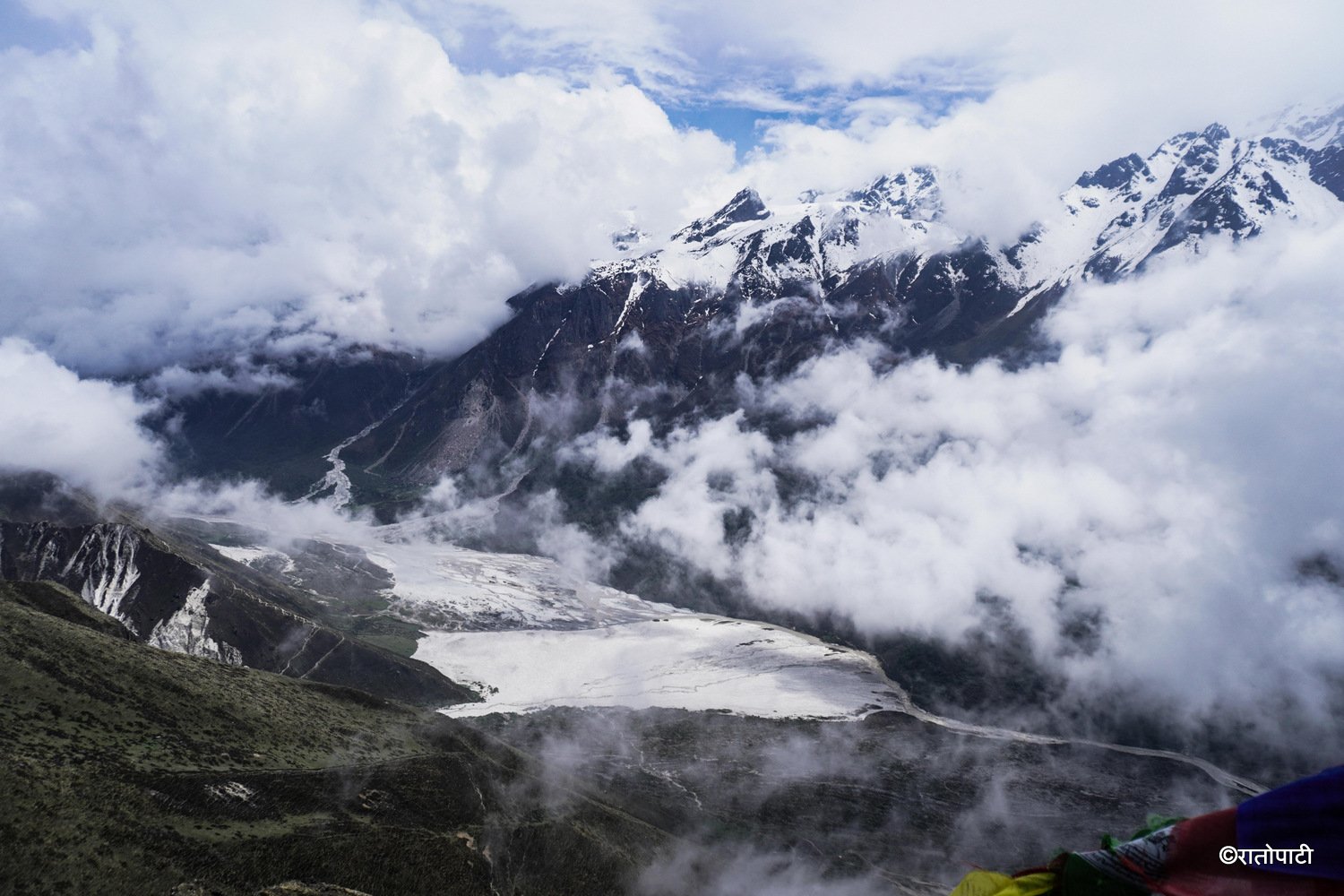
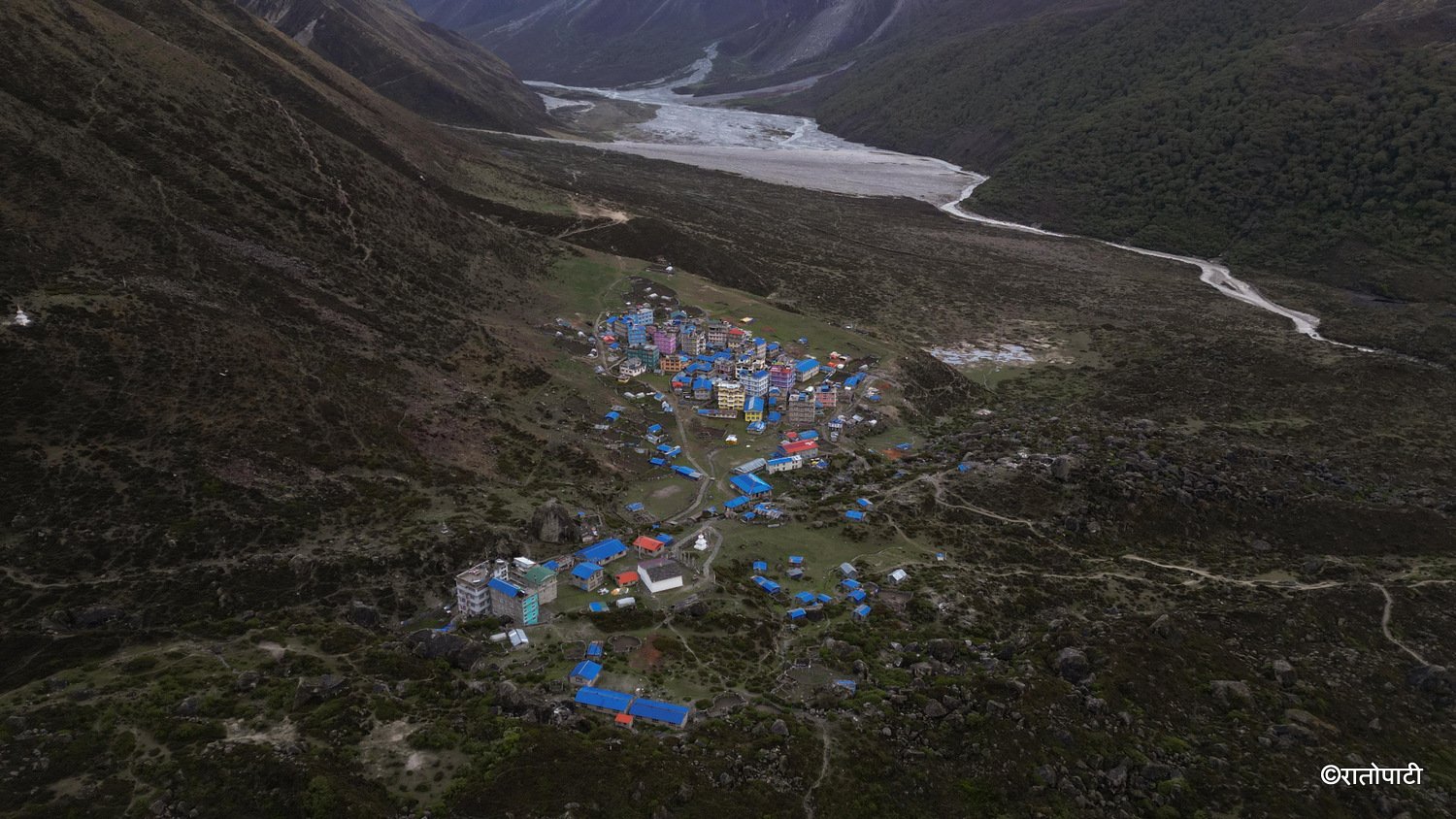
Rasauwa. Located at the foot of the Langtang mountain range, the Kyanjen Gompa DDC Cheese Factory is not just a dairy industry, but a living history of Himalayan life, local economy, and Nepal's unique taste.
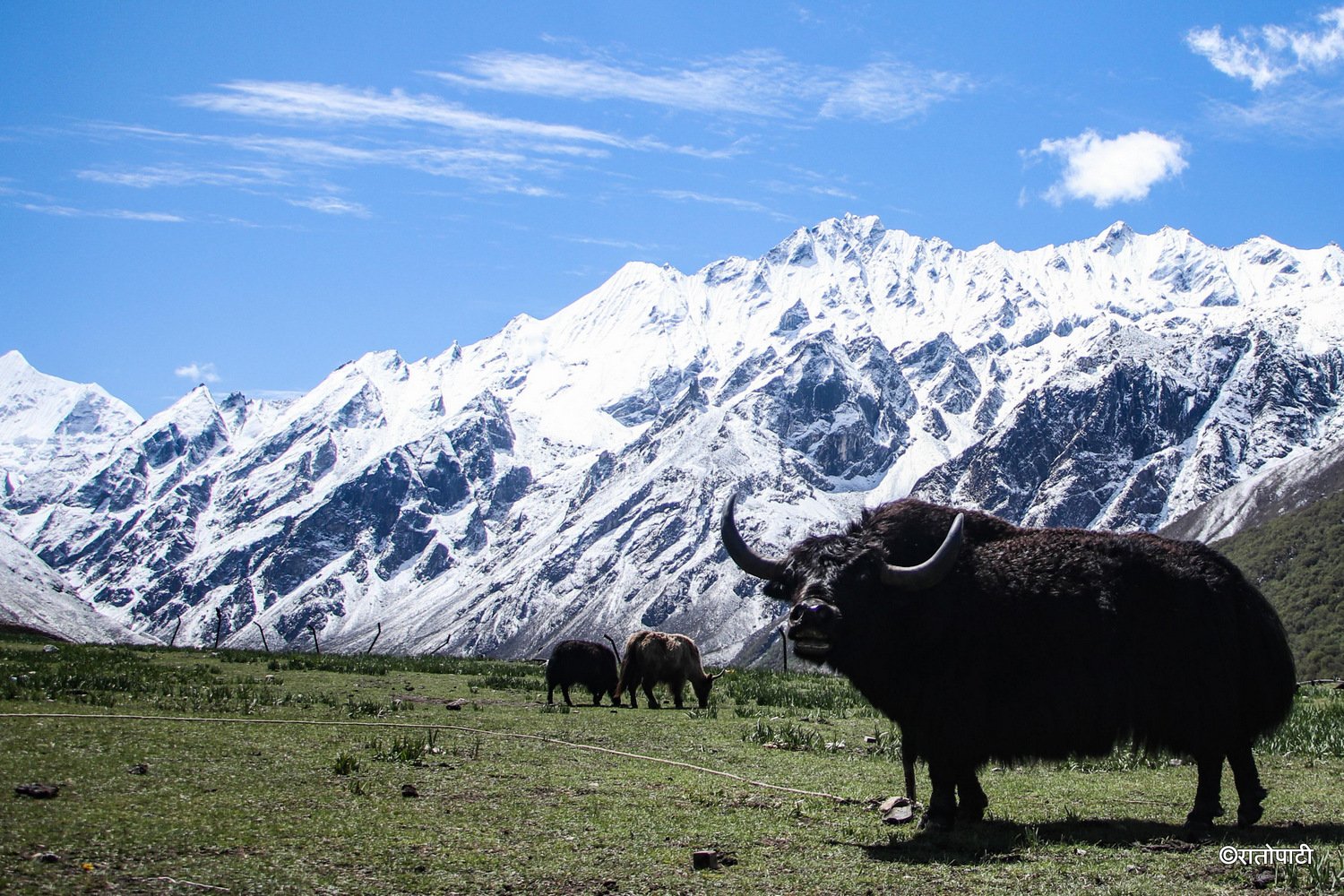
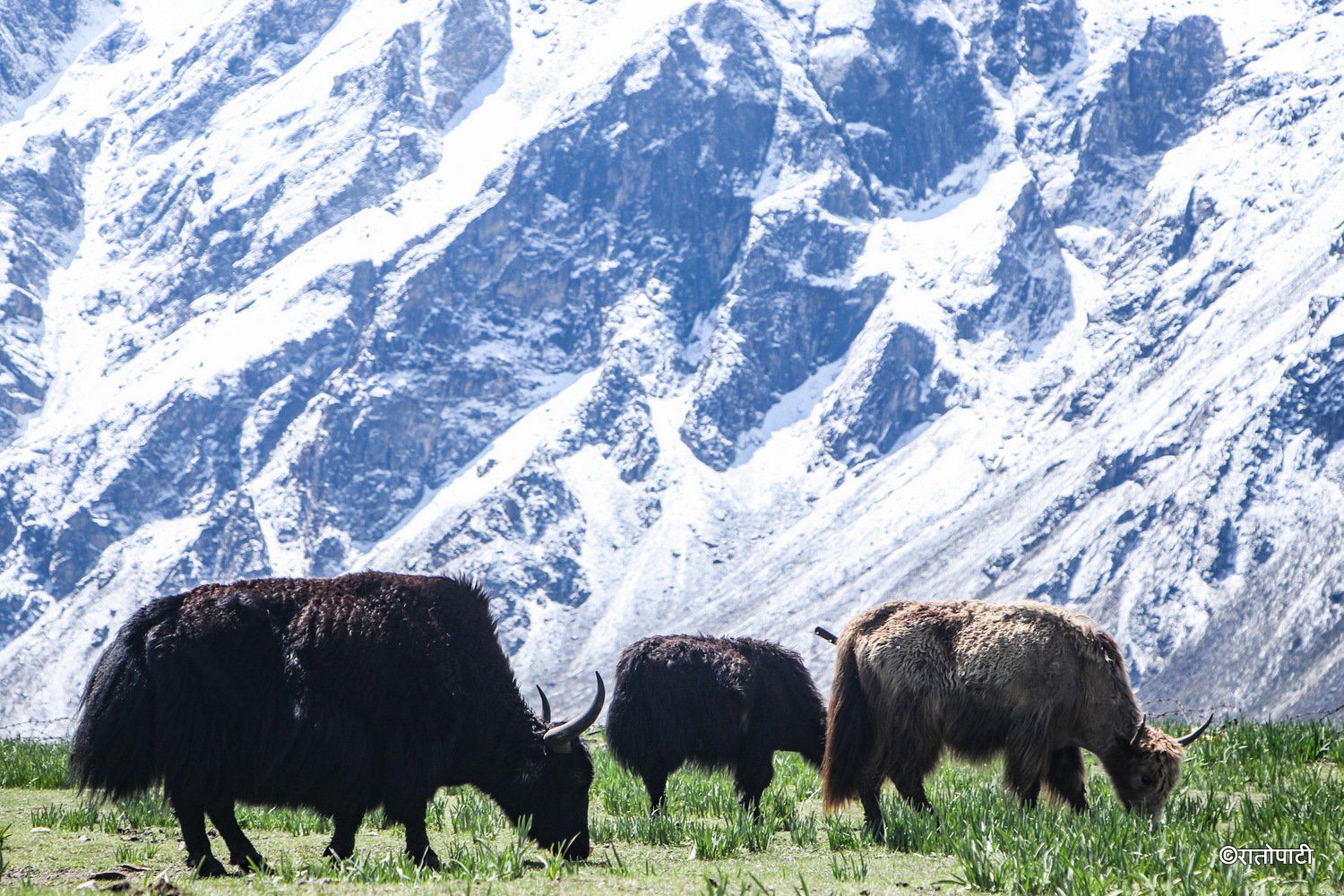
Situated at an altitude of approximately 3,870 meters above sea level, this factory is still known at home and abroad for the cheese produced from yak and chauri milk. However, in recent years, its production has significantly declined due to farmer migration, lack of grazing land, and climate change.
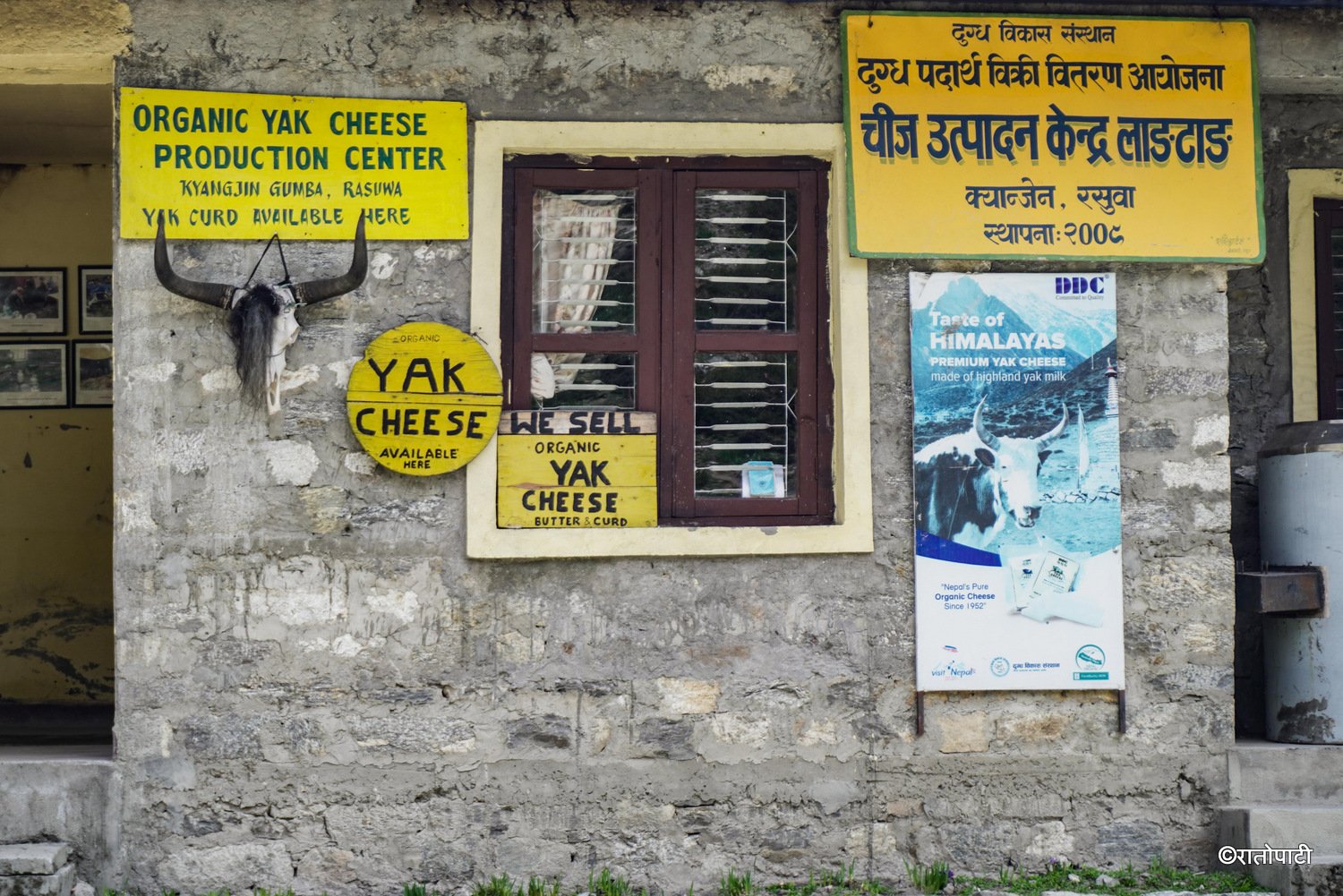
Started in the 1950s with Swiss technical assistance, the Kyanjen Cheese Production Center is considered one of the early centers for commercial yak cheese production in Nepal. For decades, it has been a source of income for local herders and has provided thousands of tourists visiting Langtang with an experience of Himalayan taste.
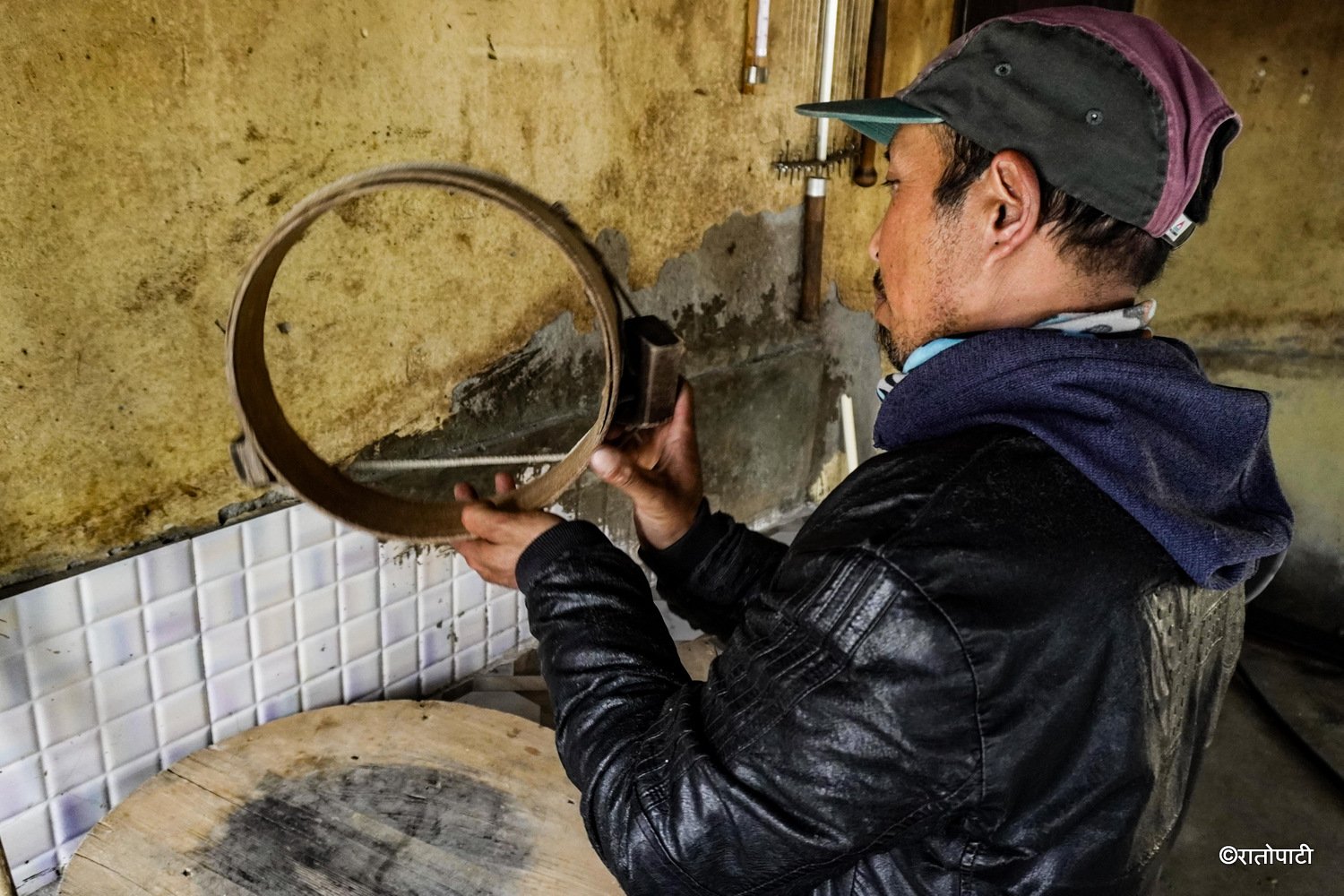
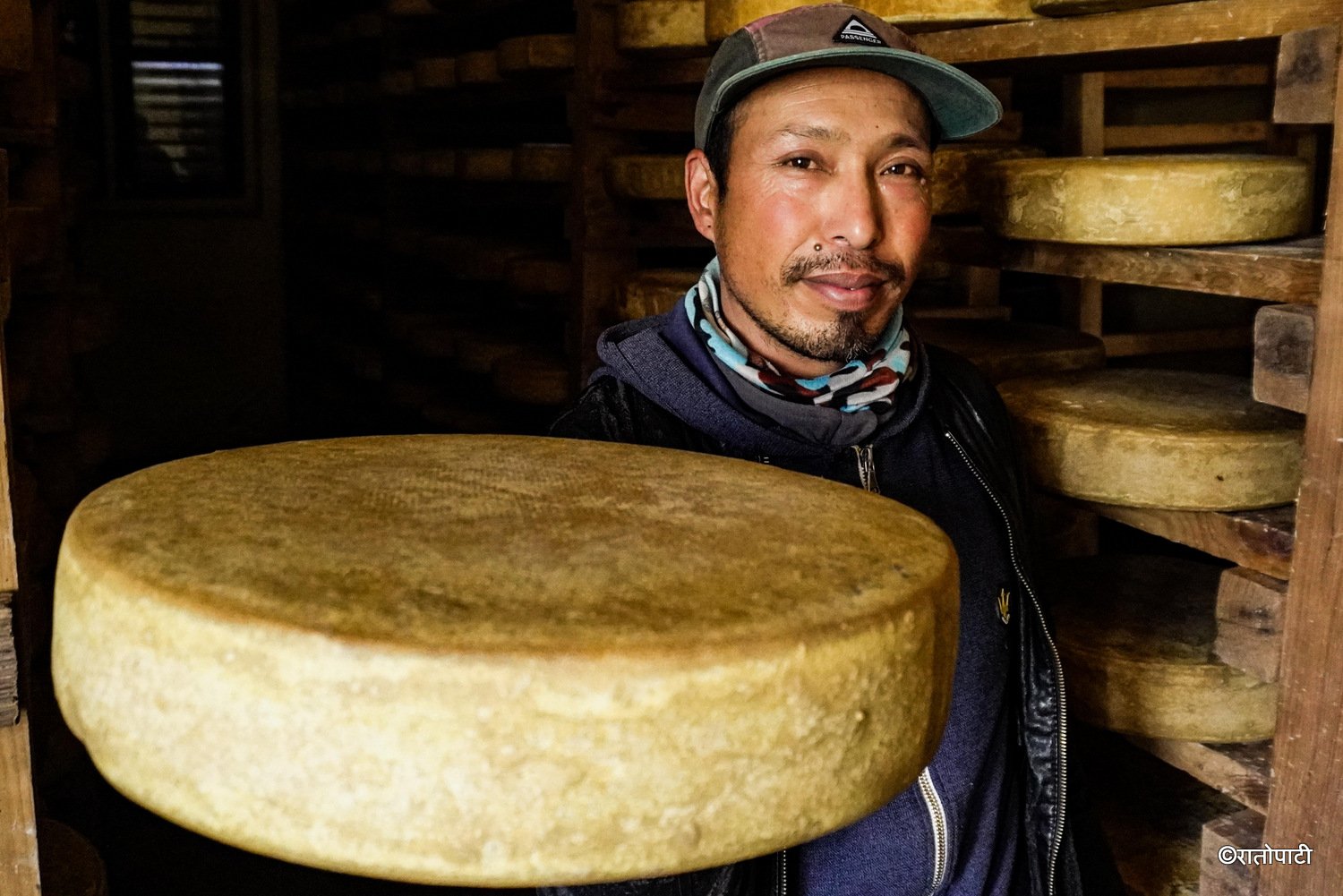
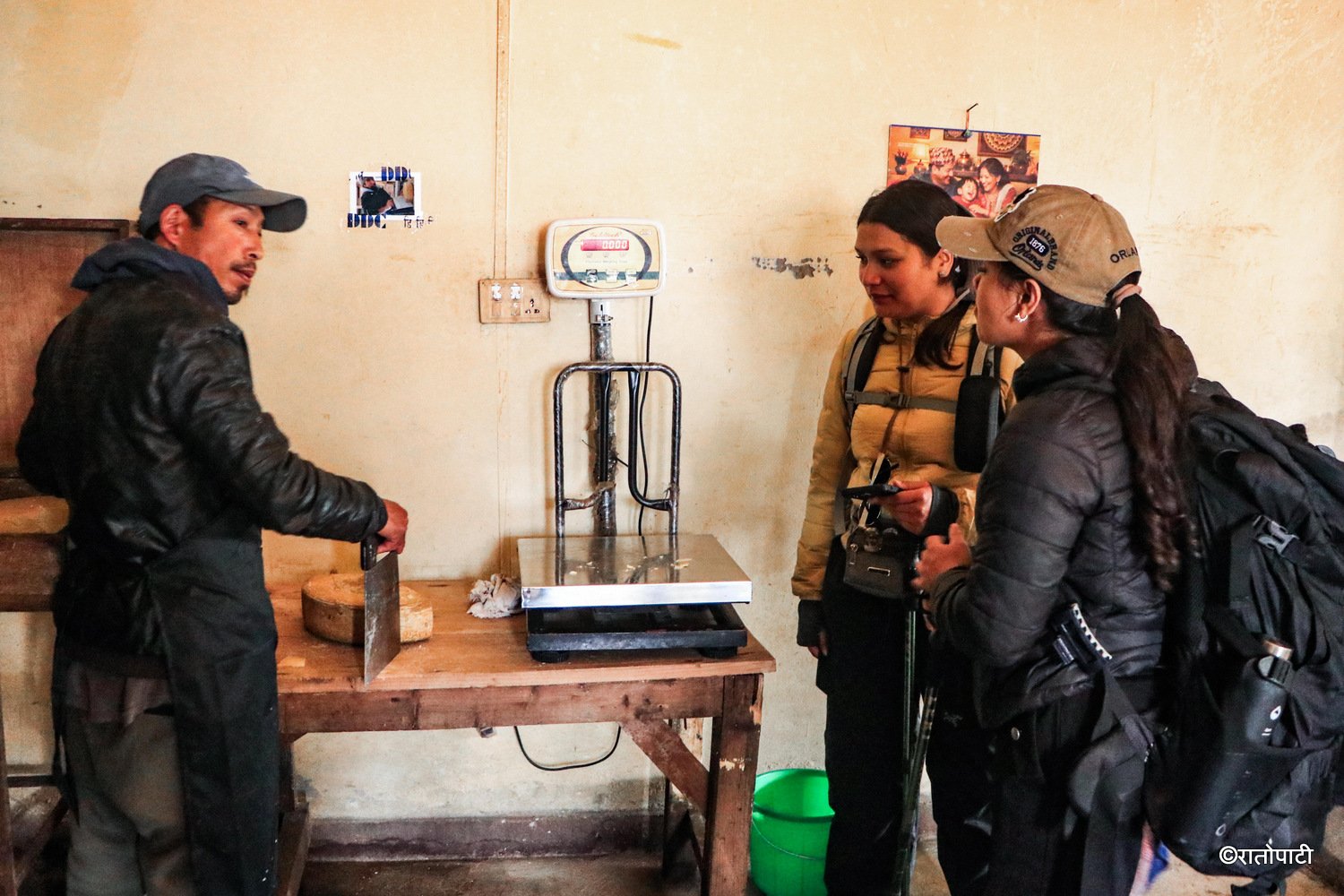
According to Galbo Tamang, a cheese maker at the Kyanjen Cheese Factory, production now faces significant challenges. “Earlier, we used to collect up to 500 liters of milk daily, but now we barely get 60-70 liters,” Tamang said. “Farmers are migrating, grazing land is shrinking, and due to climate change, even the traditional areas for grazing chauris have changed.”
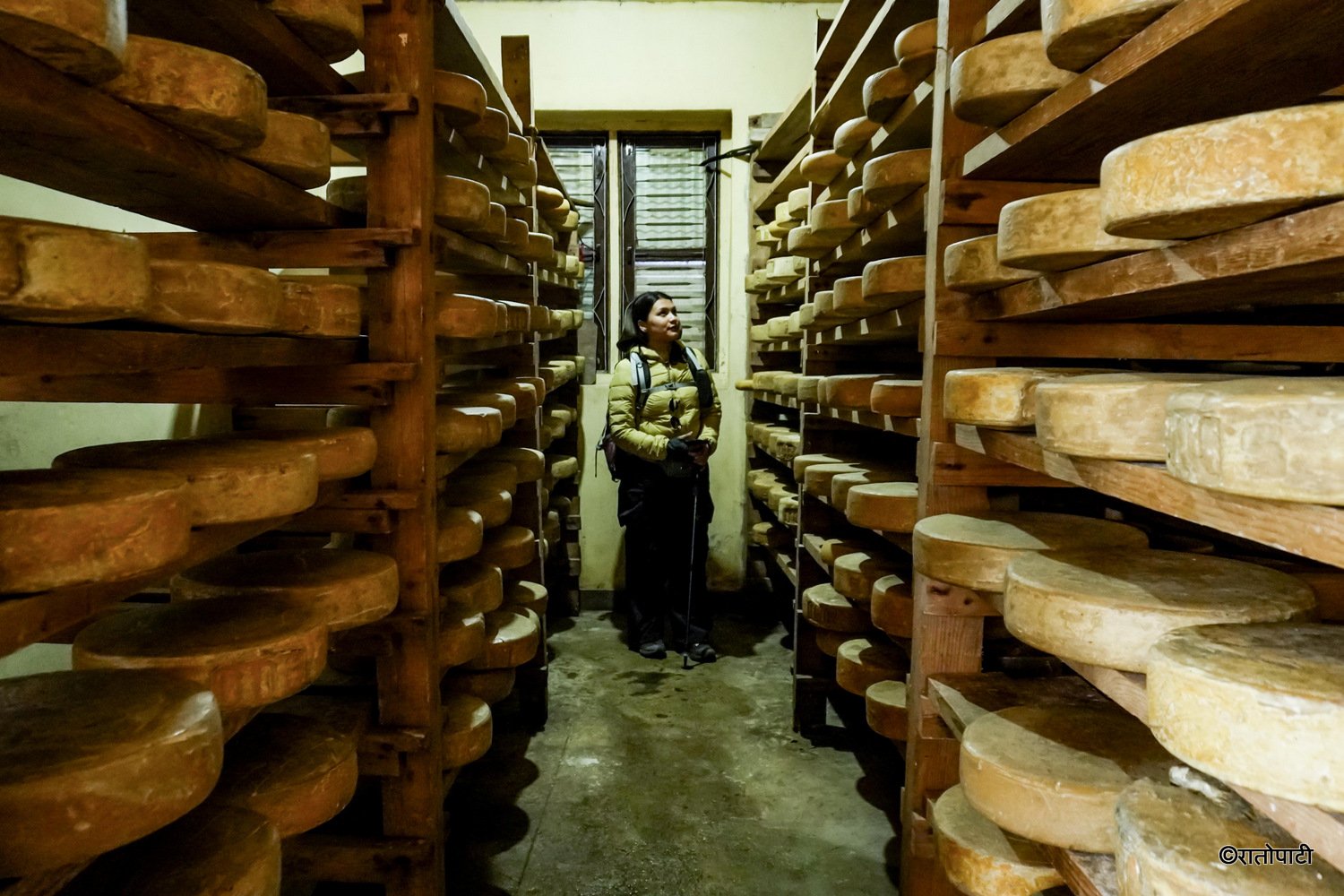
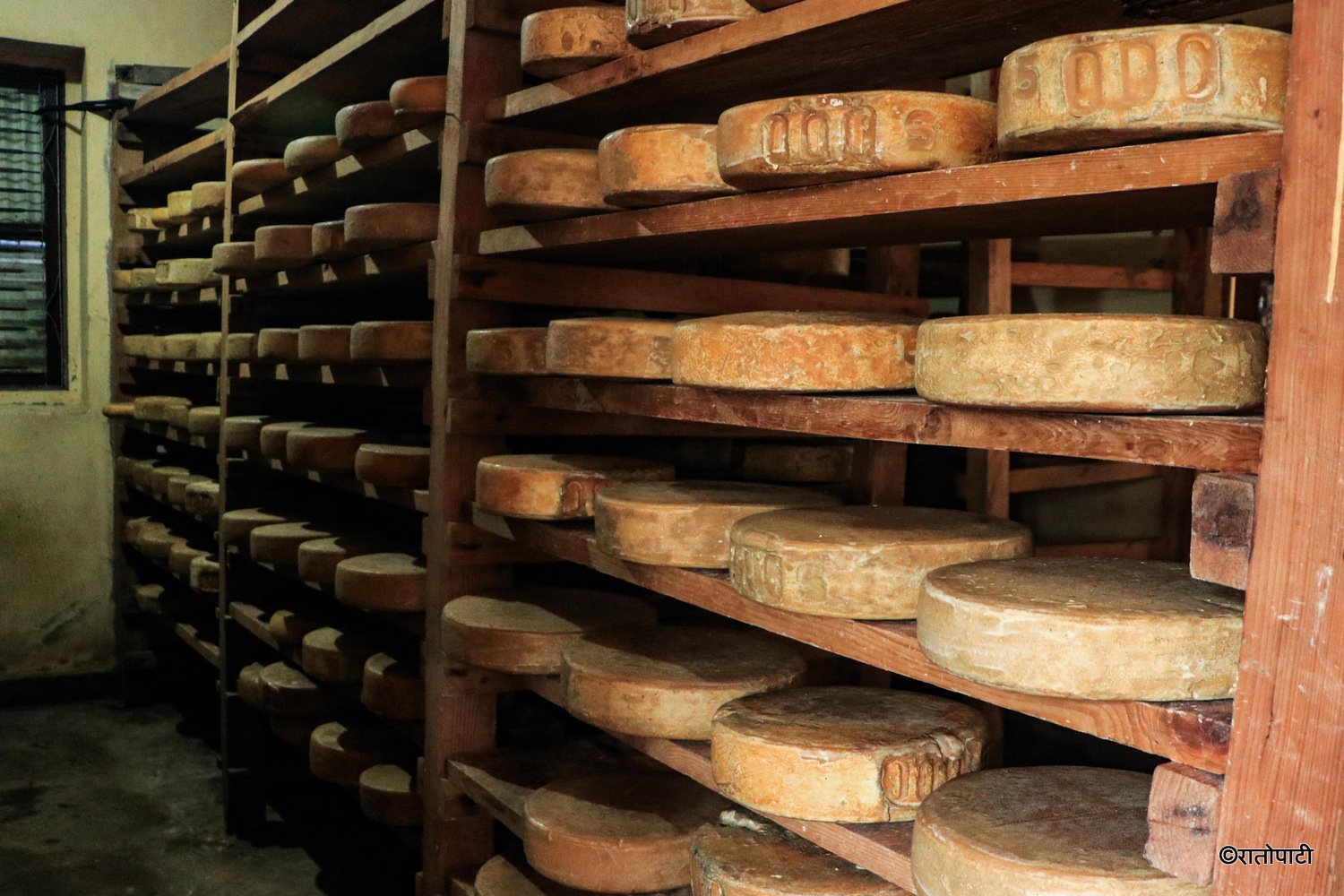
According to him, yak herders still go up to an altitude of over 5,000 meters to graze their yaks. However, weather uncertainty and the shrinking grazing areas are directly affecting milk production. The milk collected at the Kyanjen factory is not immediately turned into cheese. The cheese-making process itself is time-consuming. According to Tamang, it takes at least three months from the day the milk is brought to produce consumable cheese.
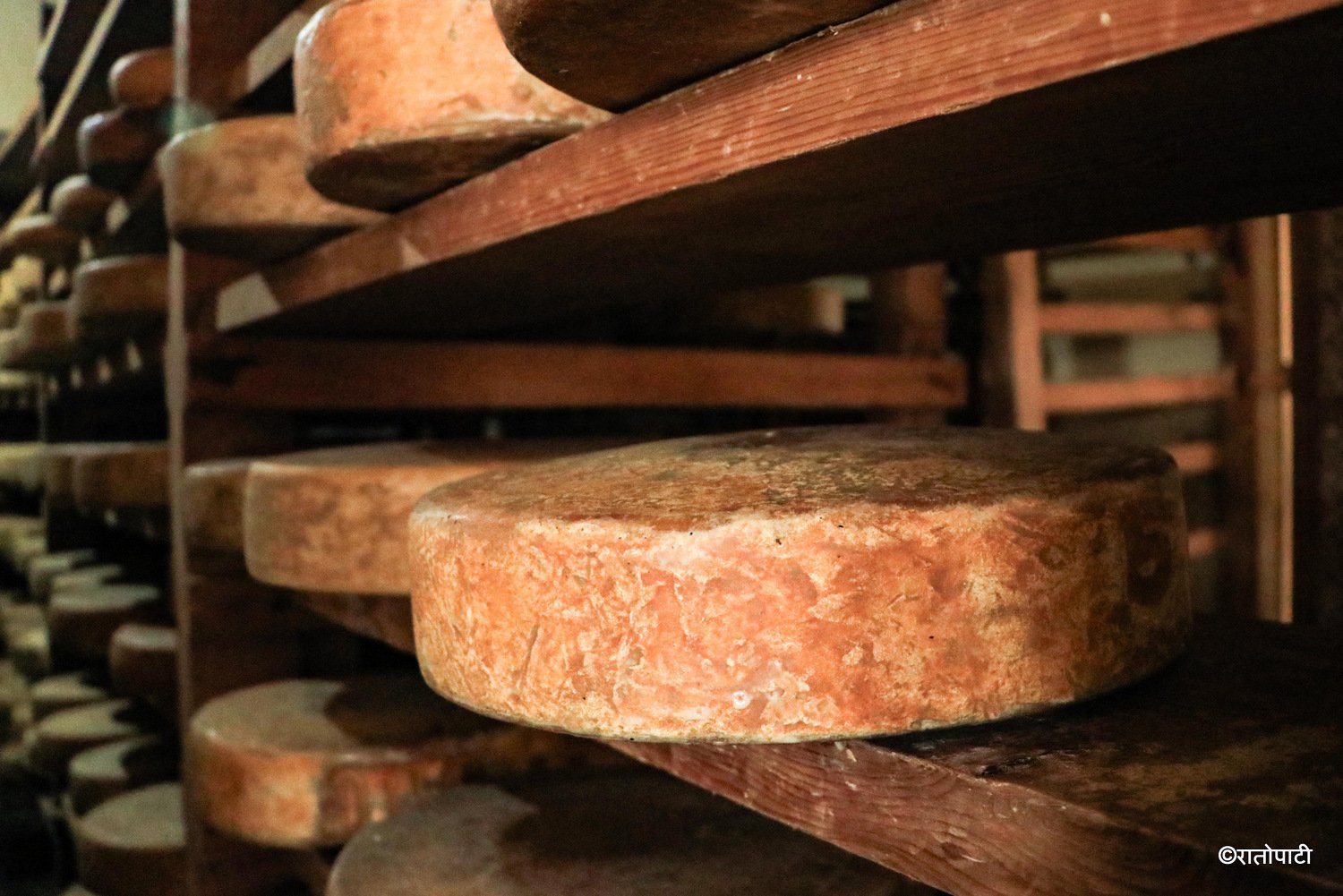
“After bringing the milk and processing it, we have to wait three months for the cheese to be ready. It becomes edible after three months, but the longer it is kept, the better its taste and quality become,” he said.
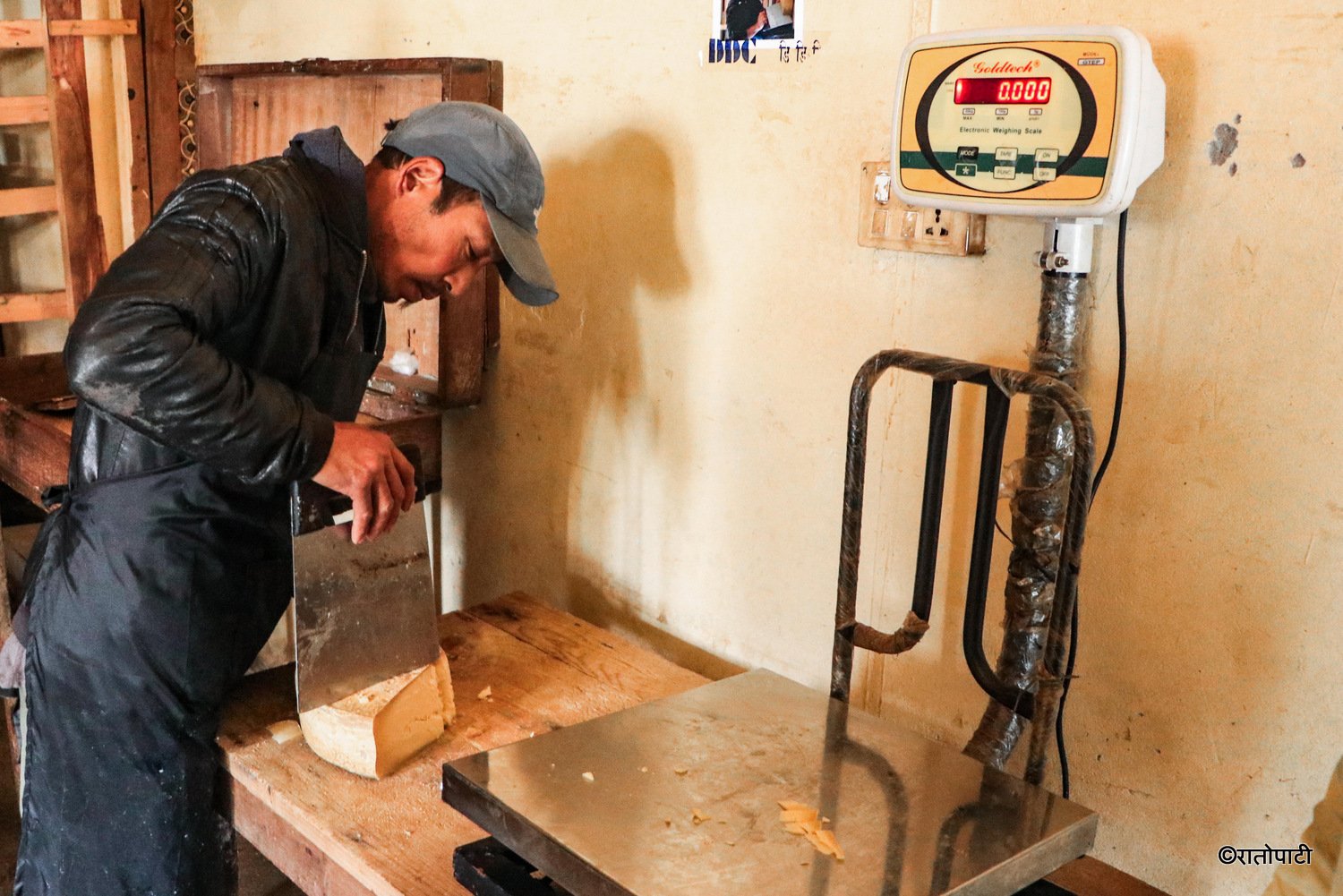
According to Deepak Shrestha, a salesman working at the factory, most domestic and foreign tourists visiting Kyanjen enjoy tasting yak cheese and prefer to take it home as a souvenir.
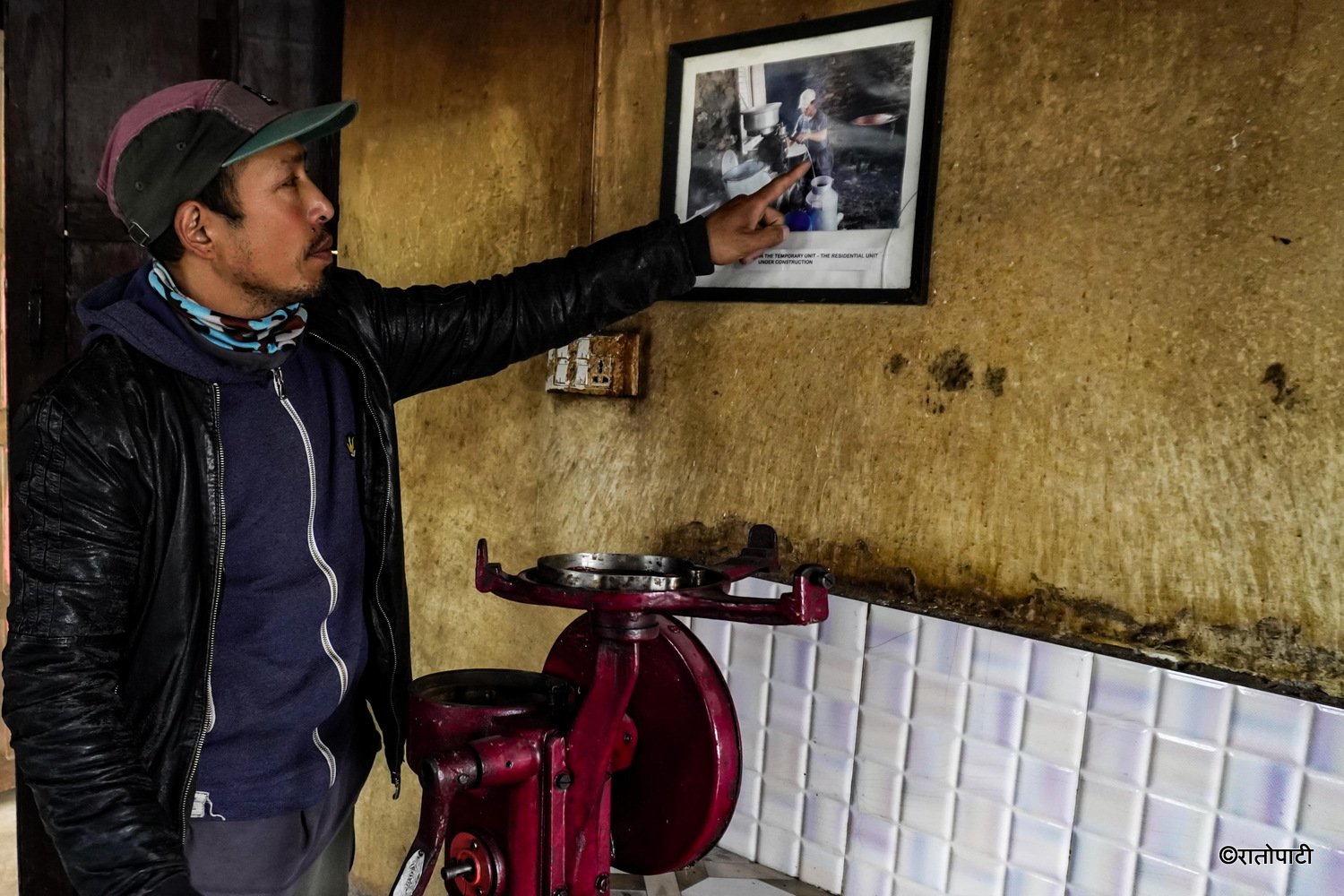
“Tourists are curious not only about the taste of the cheese but also about its history and production process,” Shrestha said. “This cheese made in the lap of the Himalayas becomes a special experience for them.”
Recently, when Prime Minister Balen Shah publicly shared a picture of himself eating yak cheese on social media, this product once again came into national discussion. Since then, the demand for yak cheese in the market has increased significantly, according to DDC sources.
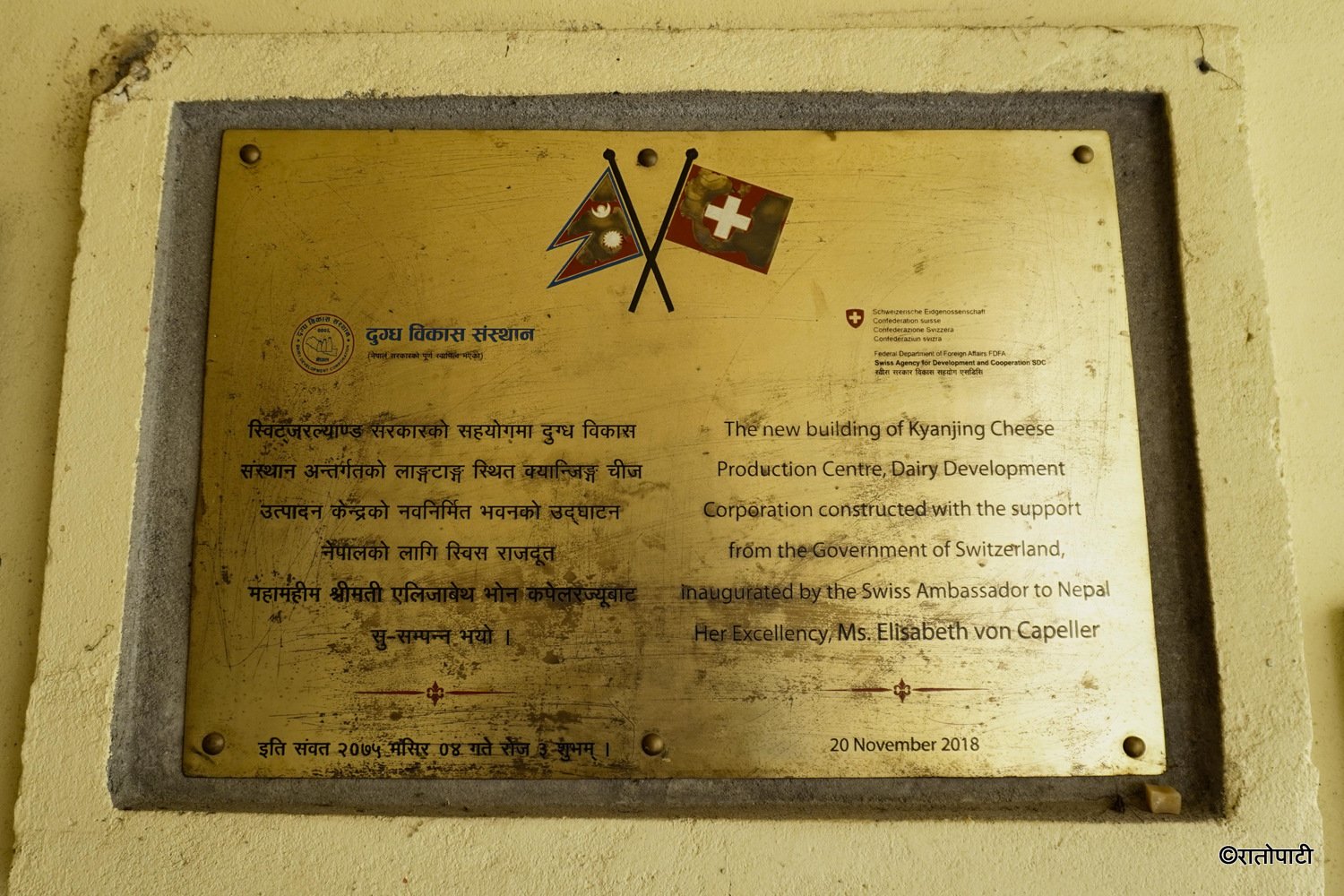
In Rasuwa district, cheese is currently produced from yak and chauri milk in five locations: Kyanjin, Dhunche, Chandanbari, Gatlang, and Tatopani. Among these, the center at Kyanjen Gompa is considered one of the highest-operating cheese factories in the world.
For the local people, this industry is not just a production center but also a means of livelihood. This industry, connected with yak and chauri farming, milk collection, cheese production, and tourism, keeps the economic activities of the Langtang region dynamic.
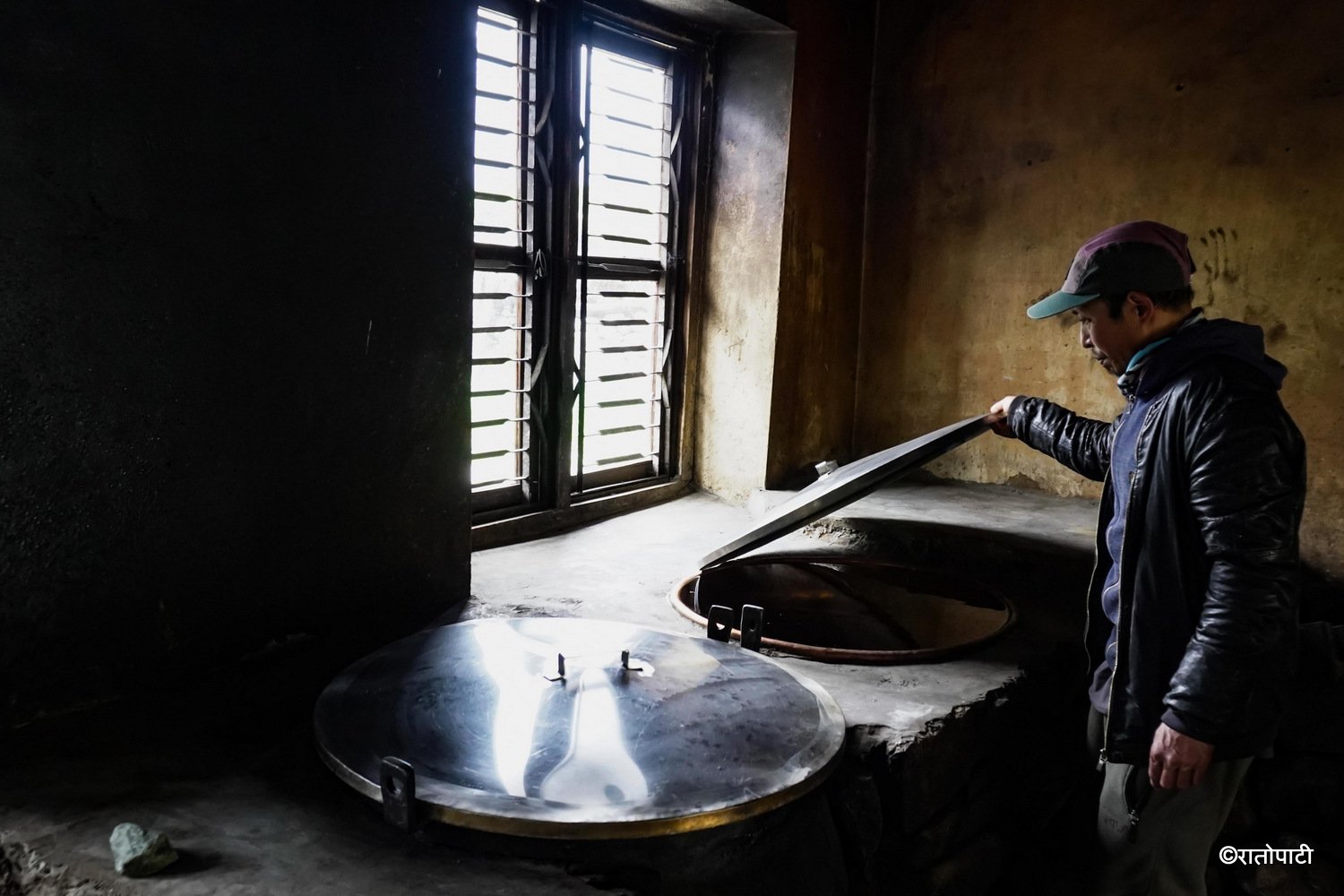
However, the declining production and the decreasing number of herders are raising concerns about the future of this industry. Special attention from the local level, concerned bodies, and the state is deemed necessary to preserve this unique taste born in the lap of the Himalayas.
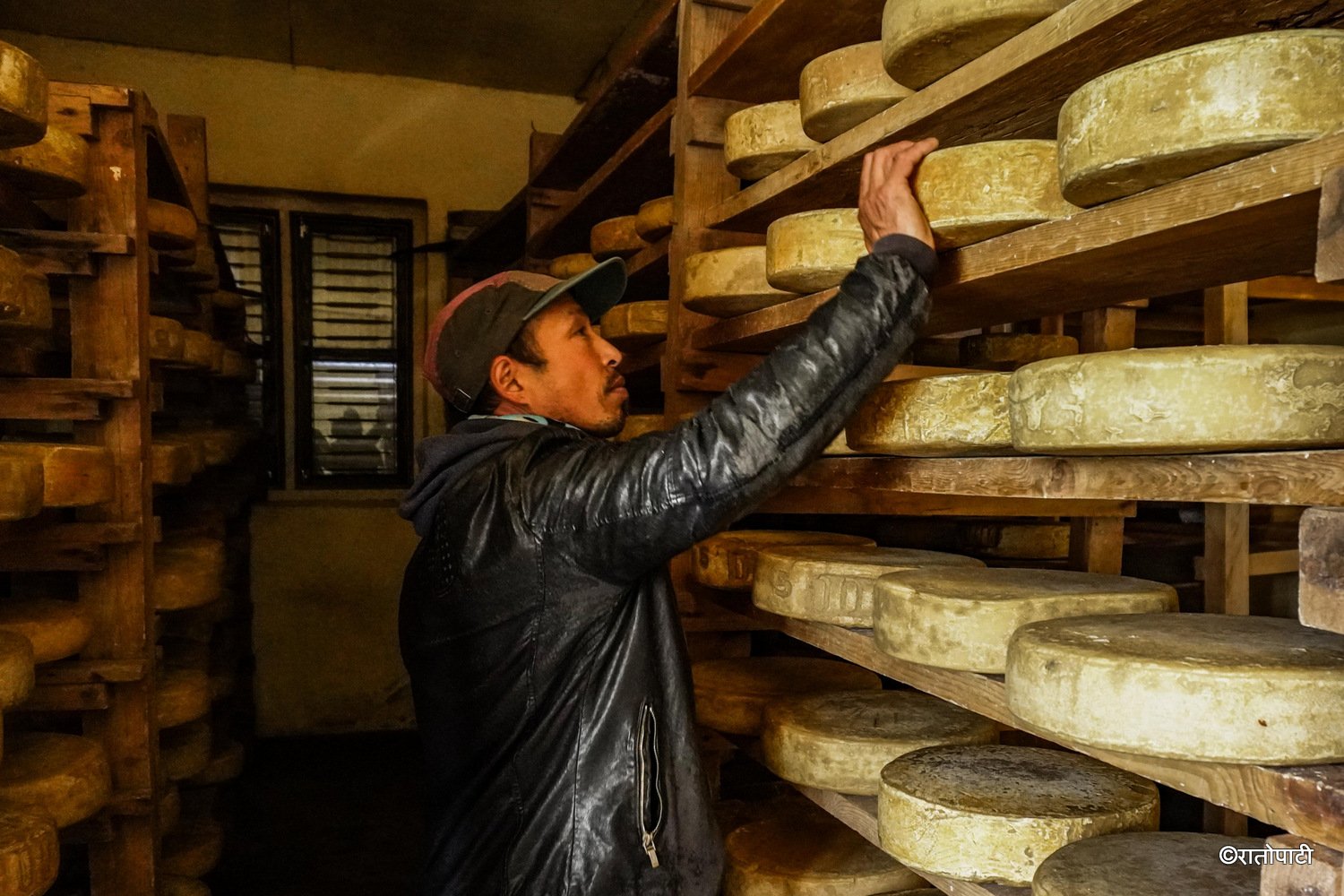
Today, Kyanjen's yak cheese is not just a food item, but a product that embodies Himalayan culture, local labor, and Nepal's identity. However, the challenge of preserving it is also growing. Locals worry that if the current problems are not resolved, this Himalayan taste will be limited to the pages of history.
This specific news has been automatically translated by AI. As a result, there may be some inaccuracies or language errors.

-(2)_QJLjKxR87n.jpg)