Human Rights Commission's Recommendations for Action Ignored, Perpetrators Rewarded

Kathmandu. Despite the National Human Rights Commission repeatedly recommending action against those guilty of serious human rights abuses, their implementation has been extremely low. However, ironically, the government has been rewarding and honoring individuals recommended for action by the commission.
The commission has identified and recommended action against perpetrators from serious human rights abuse incidents during the 10-year armed conflict to the recent Janji movement that occurred on Bhadra 23 and 24, 2082. However, instead of implementing the commission's recommendations, no government formed after the establishment of democracy has promoted individuals found guilty of human rights abuses or honored them on Republic Day.
Most recently, the report formed to investigate the Janji movement recommended investigation and action. However, instead of implementing the commission's recommendations, the government is defending the human rights violators.
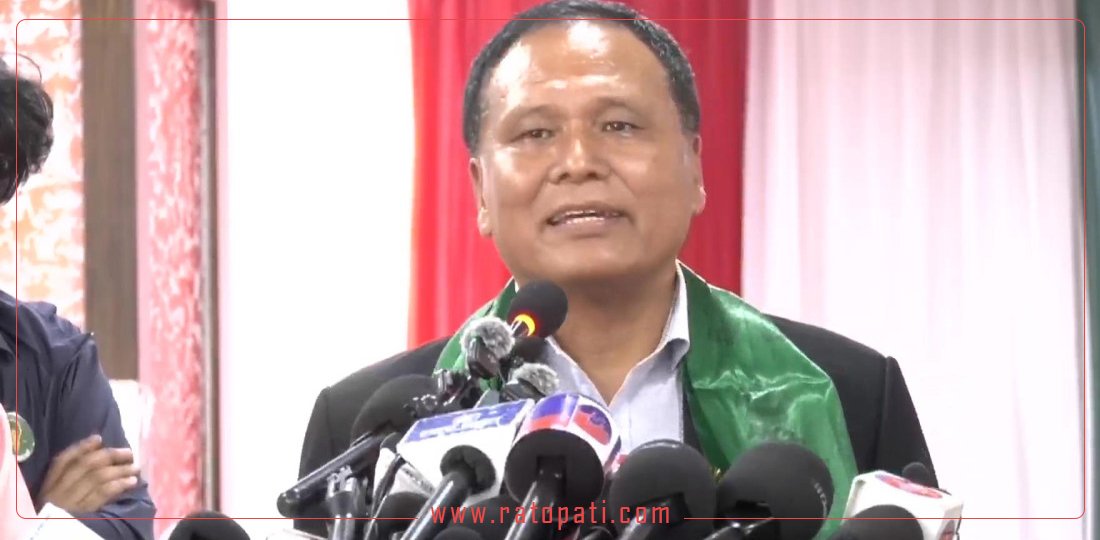
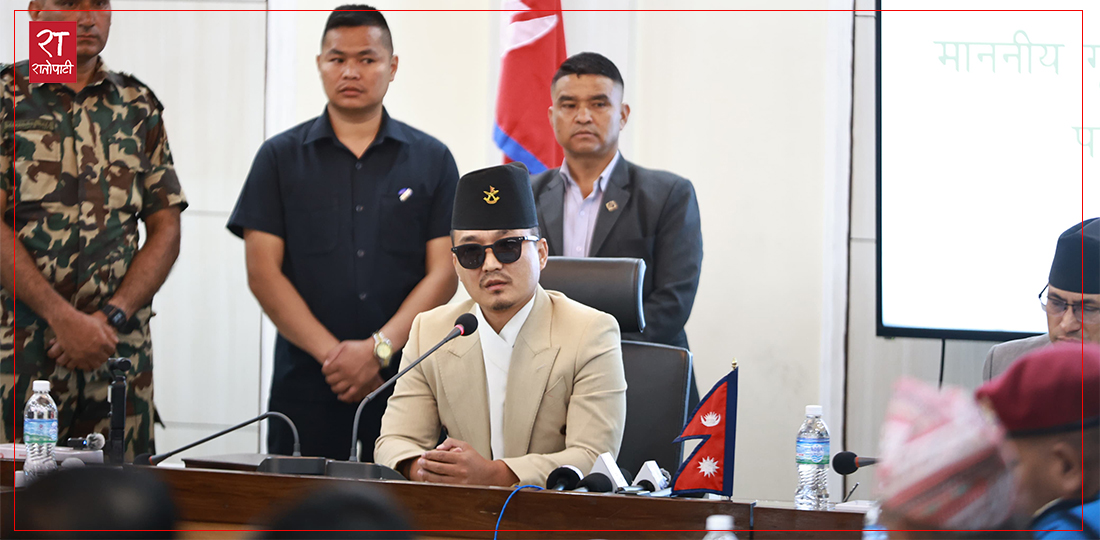
The commission has recommended that former Prime Minister KP Sharma Oli, former Home Minister Ramesh Lekhak, and others be prosecuted under the law for serious human rights abuses during the Janji movement. Additionally, the commission had recommended investigating the current Home Minister Sudhan Gurung for involvement in the violent activities during the Janji movement.
The report concludes that Gurung's group, from the organization 'Hami Nepal,' which joined the movement later, incited the crowd. According to sections 6 and 7 of the 'Facts and Analysis' section of the report, approximately three thousand to 3200 protesters had gathered by around 10:30 AM on the morning of Bhadra 23.
Although the rally started within the perimeter set by the Chief District Officer (CDO), it broke the prohibited zone within a short time, which the report points out was led by Sudhan Gurung. However, instead of committing to implementing the Human Rights Commission's report by forming an investigation committee and taking action against the guilty, the government has been negligent. Nevertheless, some have commented that the commission's recommendations for action on human rights violations are not impartial and that action has been recommended without giving an opportunity to be heard.
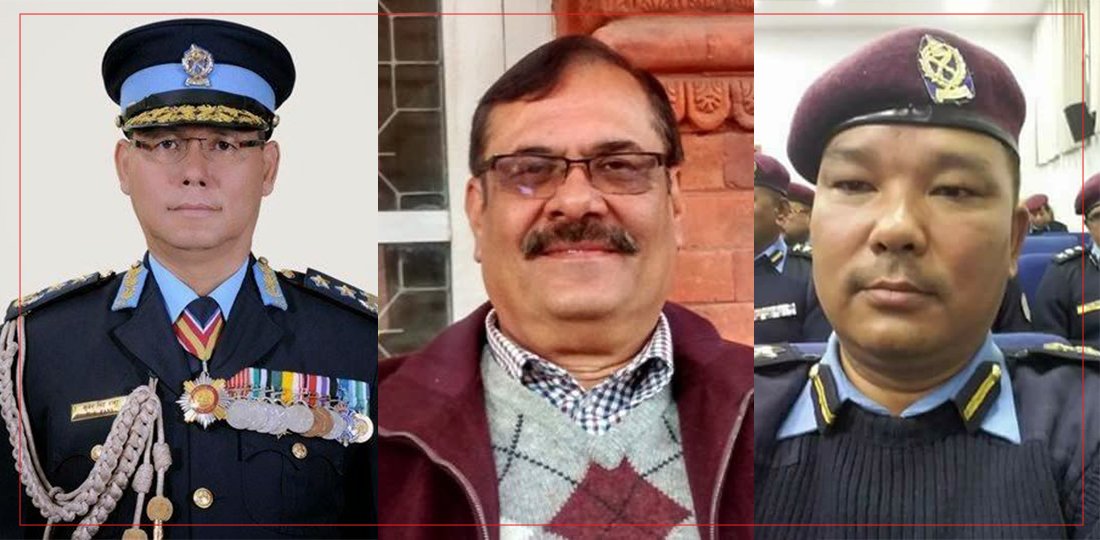
Kuber Singh Rana of the Nepal Police, who was recommended for action as guilty in the 10-year armed conflict for serious human rights abuses, was promoted to Inspector General by the state. Furthermore, the state has honored him with various state medals at different times.
Despite recommendations for action against 33 responsible army officials, including then Army Chief Pyarjung Thapa, in the case of 49 disappeared detainees from Bhairavnath Battalion, no action has been taken. Instead, they have been repeatedly rewarded by the state.
The commission had recommended action against Rana for the murder and disappearance of 5 students in Dhanusha before he became Inspector General. Action was recommended against then Dhanusha DSP Kuber Singh Rana, then Major Anup Adhikari working at the Simara Bhiman barracks, then CDO of Dhanusha Revatiraj Kafle, and then SSP Chudabahadur Shrestha, among others, but action has not been taken even after two decades. Captain Ramesh Swar and Major Ajit Singh Thapa from the barracks were also recommended for action. Instead of action, the government has honored them with promotions and medals.
Although action has been recommended against human rights violators, the names of such security personnel who were under investigation for incidents of torture, extrajudicial killings, or excessive use of force against protesters have appeared in medals like 'Janaseva Shree' distributed on the occasion of Constitution Day at various times. For example, suspended SP Bidyananda Majhi was given a medal in 2075, even though he was under internal investigation for allegedly releasing a rape accused.
Despite recommendations for action against 33 responsible army officials, including then Army Chief Pyarjung Thapa, in the case of 49 disappeared detainees from Bhairavnath Battalion, no action has been taken. Instead, they have been repeatedly rewarded by the state.
Action against army officers recommended in the case of Sarala Sapkota, who was murdered in Dhading; security personnel implicated in the murder of 19 people in Doramba, Ramechhap; security personnel implicated in the rape and murder of Maina Sunuwar in Kavre; action recommended in the case of Surya Sharma, who disappeared from the barracks in Baglung; and police involved in the murder of human rights activist Dayaram Pariyar in Janakpur have not progressed. Instead of investigating and taking action, the government has been providing honors and promotions as rewards.
The commission had recommended action based on complaints filed since Jestha, 2057. Before the current committee of the commission came into office, 735 recommendations were made for action, and 82 have been made since. The commission is preparing to include the names of those involved in serious human rights violations in a blacklist. Action has not been initiated on approximately two hundred of these recommendations.
Past reports from the Human Rights Commission recommending action have not been implemented. In 2076, the commission concluded that the police had taken Kumar Poudel, the Sarahi in-charge of the then Netra Bikram Chand 'Biplav' led CPN, into custody and killed him, and directed the government to investigate and take action against high-ranking police officials. The government, which should have implemented the commission's recommendations, could not take any action against those involved in the incident.
Although the police claimed that Poudel was killed in an encounter, the commission concluded that he was taken into custody and killed. According to the report of then commission member Govinda Poudyal, the commission stated that the police fired 9 rounds at Poudel after taking him into custody.
Based on the on-site investigation report of the investigation team, the government was recommended to immediately suspend and prosecute Police Inspector Krishnadevprasad Sah, who was directly involved and also a commander in the incident, and police constables Shribinod Sah and Satyanarayan Mishra. They were not prosecuted as the commission recommended; instead, the state protected them. The commission had recommended warning Police Inspector Kiranprasad Nyaupane and Police Sub-Inspector Suryakumar Karki for performing their duties in a flawed manner while preparing the incident report.
The commission had also recommended investigating and bringing to justice officials and employees of the supervisory bodies that directed the police, the officers who gave orders, and those who instigated the incident, and taking action according to the law.
The commission had recommended warning the then Dr. Birendrakumar Mandal of the District Hospital, Sarlahi, for not completing even the minimum procedures during Poudel's post-mortem. Information was provided that Poudel was shot by plainclothes police deployed under the leadership of a police inspector from the Special Bureau, which was under the direct command of then Inspector General of Police Sarbendra Khanal.
Although the commission recommended action within three months, the government has not implemented the report even after six years. The police directly involved in the incident have defended themselves, claiming that Poudel was killed in 'self-defense' and 'crossfire.' Section 17 of the National Human Rights Commission Act, 2068, stipulates that the concerned officials, individuals, or bodies must implement the commission's recommendations, decisions, or orders within three months and provide information. The same section states that if it is difficult to implement the recommendations, decisions, or orders received from the commission, the reason must be clarified and information provided within two months.
While the government has not been implementing the report, on Bhadra 28, 2082, the Supreme Court issued a mandamus in the name of the government to register a complaint for murder charges against then Chief District Officer Krishna Bahadur Raut (currently Secretary of the Election Commission) and 10 other high-ranking employees in the Poudel murder case.
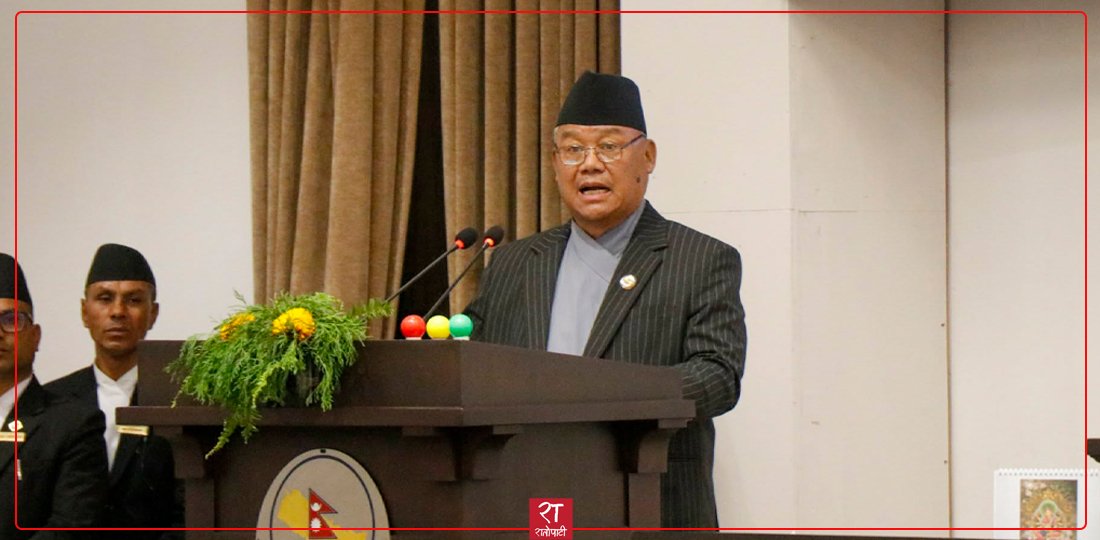
A joint bench of Supreme Court Justices Dr. Manojkumar Sharma and Srikanth Paudel issued the mandamus in the name of the Ministry of Home Affairs, the Office of the Attorney General, Sarlahi Police, and the District Government Attorney's Office, Sarlahi.
Recommendations made by the National Human Rights Commission to investigate and punish perpetrators of serious human rights abuses have been shelved for 22 years. The commission has recommended punishment to the government with specific names for crimes such as murder, disappearance, abduction, torture, and rape.
While the state has provided partial compensation to the victims, it has been granting impunity to the perpetrators from criminal prosecution. The failure to punish the guilty in serious recommendations from the commission has emboldened the criminals. Meanwhile, questions are also being raised about the constitutional status of the independent commission. The commission has made over a thousand recommendations for action in 22 years.
Not a single perpetrator has been punished for these recommendations.
This specific news has been automatically translated by AI. As a result, there may be some inaccuracies or language errors.
_Pg5CEEKBh6.jpg)