
Nepal's Capital Budget Expenditure Significantly Lower Than India's
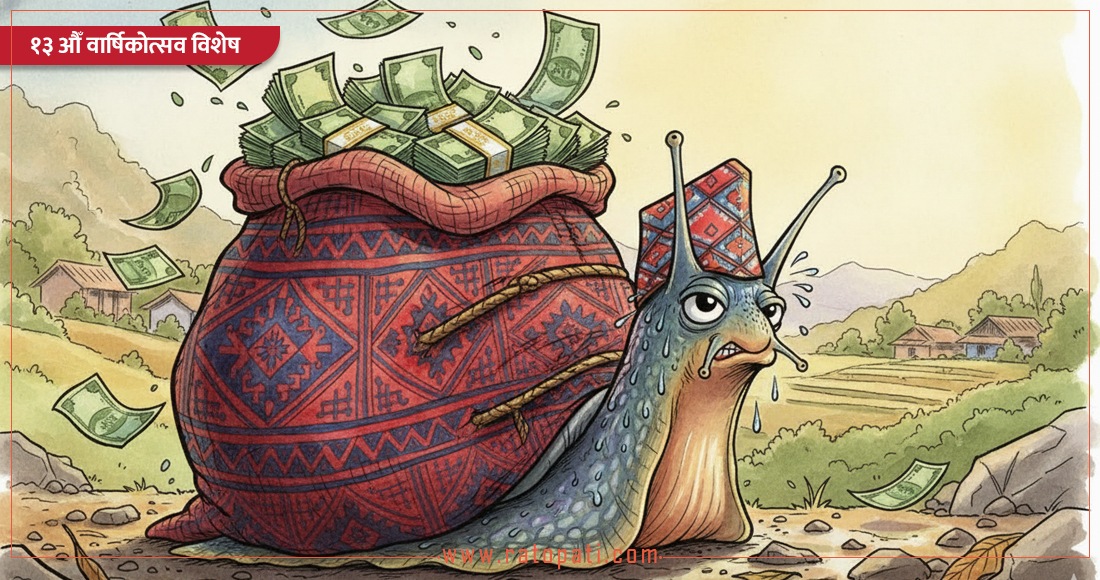
Kathmandu. In the fiscal year 2080/81, Nepal spent 222.68 billion rupees in capital budget. The data from the Office of the Controller General of Accounts shows that 63.20 percent of the allocated budget of 352.35 billion rupees was spent.
Neighboring country India's central government spent approximately 112 trillion Indian rupees in capital budget in the fiscal year 2024/025. While this estimate was reduced to 109.50 trillion during the mid-term review, the final expenditure was 107 trillion, according to the Indian Ministry of Finance. This amount spent is 95.54 percent of the allocated budget.
This is the difference seen between the two countries in the implementation of the capital budget, known as development expenditure. This data clearly shows that we are very weak in terms of government budget expenditure.
Low capital budget expenditure has become a characteristic of Nepal. Moreover, in recent times, capital expenditure has been seen to be decreasing. In the nearly 35 years since the Panchayat system was abolished and democracy was established, Nepal's average capital expenditure implementation has been 76.17 percent. Data shows that the lowest expenditure was 36.54 percent in fiscal year 2067/068 and the highest was 129 percent of the allocated budget in 2047/048.
However, on average, the state of budget implementation is weakening. While the average expenditure of the government formed after the 2062/063 movement was 72.65 percent, it has dropped to an average of 68.96 percent in the last 10 years since the constitution was promulgated.
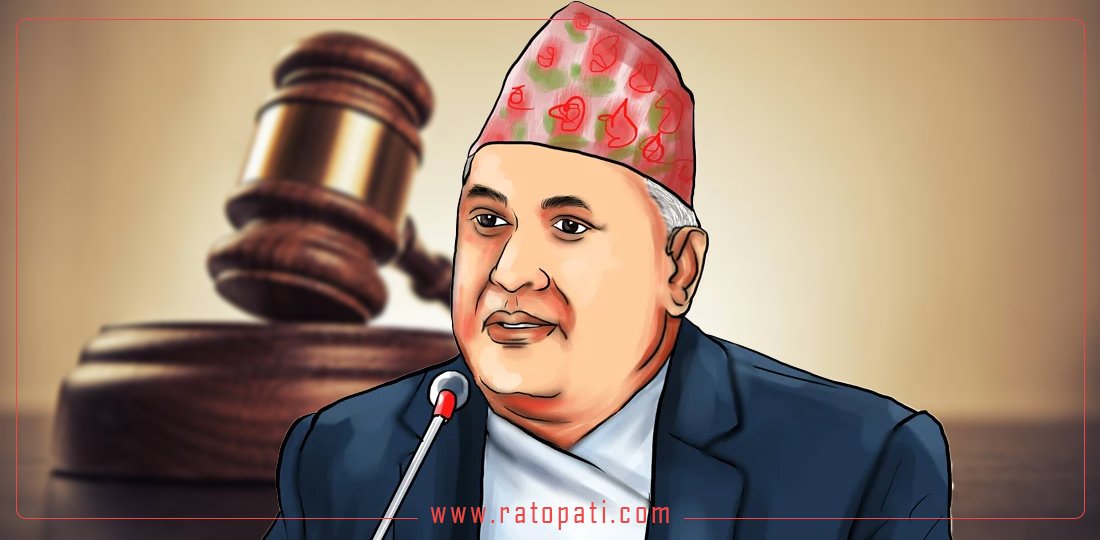
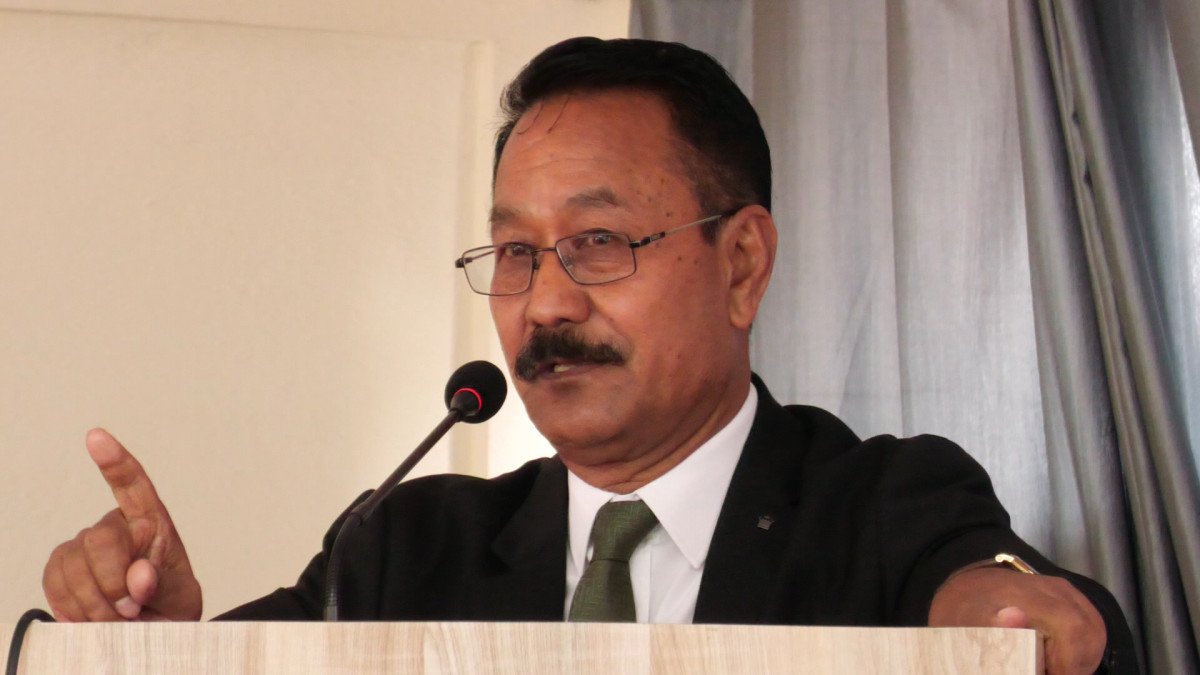
Former administrator Bimal Wagle states that this situation in the implementation of funds raised through deficit budgets, amidst high development costs and limited revenue sources, is obstructing the development process itself. According to him, the current problem is caused by the tendency for budgets to always be ambitious and to include unprepared projects to deceive voters.
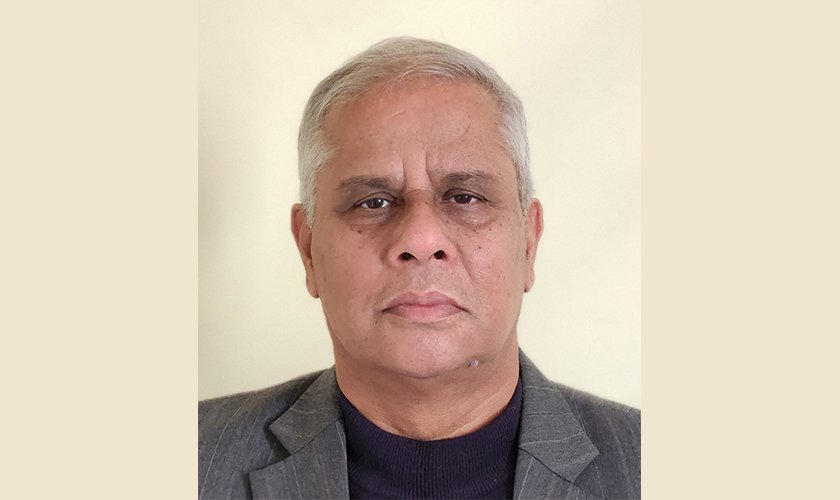
Wagle said, 'Most of the projects funded based on political influence are not ready for budget implementation. These budgets are shown in books, but neither do they get completed, nor is the budget spent.'
Investment in development infrastructure in Nepal is already not large. Due to the less developed state and import-based economy, the country's revenue sources are limited. Agriculture has also not yielded good results as the fertility of land in hilly and mountainous regions is low. This has also weakened the revenue base.
On the other hand, the cost of development is high. Due to a large geographical area being hills and mountains, the cost of constructing all infrastructure related to connectivity is very high. In this situation, the state of implementation of funds raised through deficit budgets is obstructing the entire development process, according to stakeholders.
Low capital budget expenditure in the country has two meanings. First, projects equal to the unspent amount could not move forward. Second, even if projects were implemented, not enough work could be done on them. Both issues are related to budget governance.
Nepal's current capital budget implementation status is very weak. While not being able to implement 5-7 percent of the allocated budget is normal, in Nepal, on average, one-third of the budget is not implemented. The work that is done is also done only at the last moment. This raises questions about the effectiveness of project implementation.
- Prerequisites for Project Implementation
Capital expenditure is directly linked to project implementation. When projects cannot be implemented, expenditure automatically decreases. Good governance expert Krishna Hari Baskota states that allocating budget without prior preparation for project implementation is the main reason for this. He says that five conditions must be met to ensure capital budget expenditure.
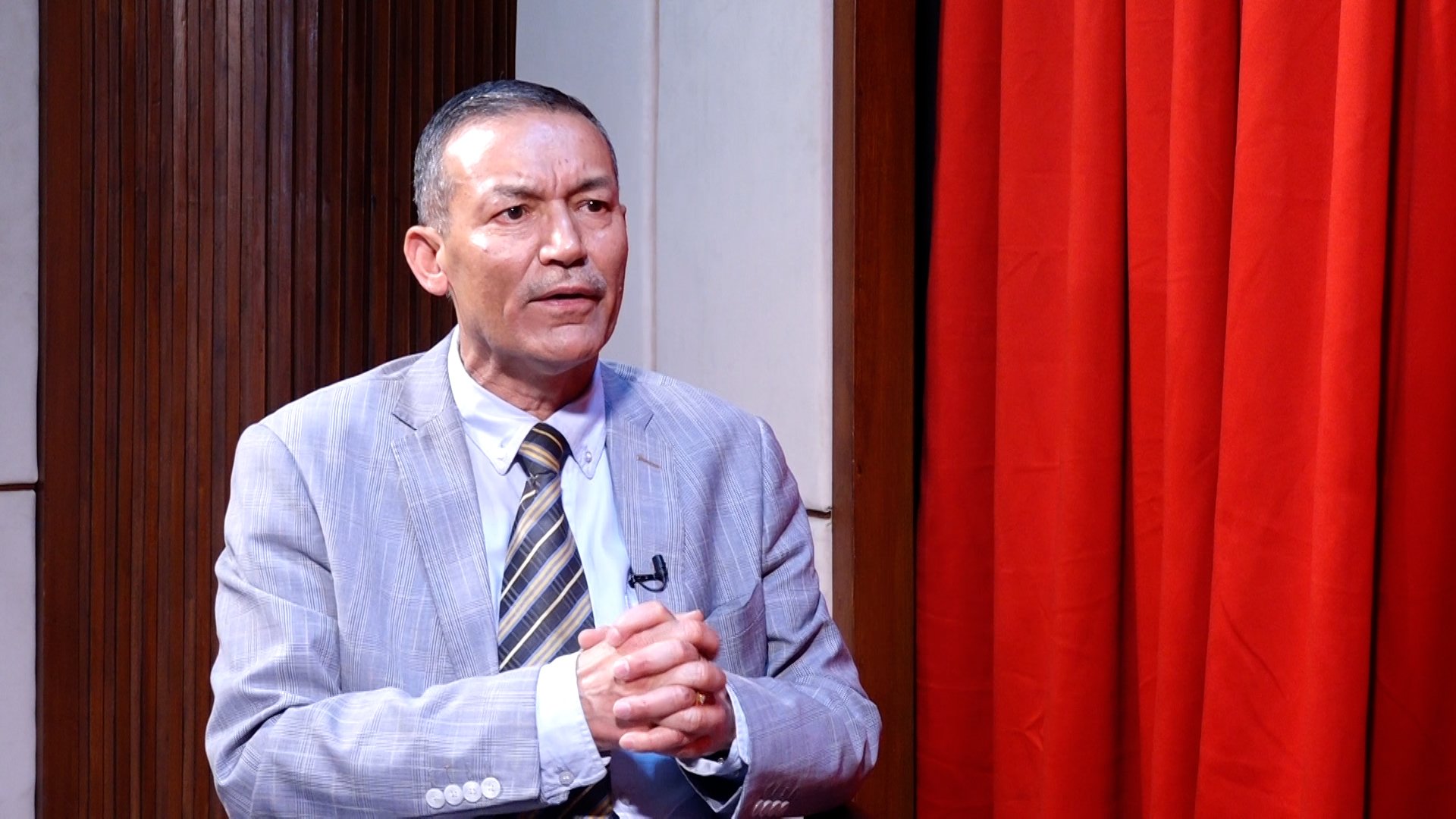
According to Baskota, the first condition is to check whether any project is environmentally and technically feasible for implementation. For this, there is a provision for EIA/IEE. This provides information about the technical aspects of implementing such a project.
Secondly, a Detailed Project Report (DPR) must be prepared for the project. This shows the technical, as well as economic and social aspects. This includes issues such as demographic and livelihood surveys of residents in the project-affected area, land acquisition and compensation, resettlement and livelihood of displaced families, and gender and inclusive development.
Thirdly, it is necessary to understand whether a project is competitive or essential for implementation. Even if a project is feasible for implementation, it may be less effective/essential compared to other potential projects. In this situation, limited budget may have to be allocated elsewhere. For this, the National Planning Commission has also determined the priority order of projects. Accordingly, projects are divided into P1, P2, and P3.
Fourthly, after all these conditions are met, the government must check whether a project site is clear for implementation. Currently, many projects in Nepal are plagued by problems including land acquisition. Especially, land acquisition in forest areas is a major problem. Some hydropower projects are suffering from this problem.
Similarly, clearing the site in areas with cultural sites and settlements is another major challenge. Problems ranging from the zero-point dispute of the Kathmandu-Terai Madhesh Expressway to the Pathibhara Cable Car are related to this.
The fifth issue is the cash flow management for project implementation. Any project is targeted to be completed in a short time, but sufficient budget is not allocated for it. Due to the lack of sufficient budget, the procurement process cannot move forward, and project implementation is automatically delayed. This is also a major problem, according to Baskota.
_cXRFzZ2b5H.jpg)
- External Troubles Beyond Project Implementation
The problem is not limited to this. Even projects that have completed all the aforementioned conditions and reached the implementation phase are not able to proceed due to various reasons.
The problem of obtaining necessary materials for project implementation has become a major headache. Especially for projects that have completed the procurement process and entered the construction phase, it is very difficult to extract the necessary mineral resources. There are many obstacles even in extracting stones and gravel needed for road construction.
To such an extent that projects are receiving diesel only on a quota basis, not sufficiently. Baskota points out the need to decide where to procure the mineral resources required for the project at the beginning of the project.
Another important aspect is the lack of agile management to address disasters created within projects. This has emerged as the biggest problem in recent times. In the last decade, Nepal has faced earthquakes, the Corona pandemic, floods, landslides, and the impact of international wars. These reasons not only obstructed project implementation but also made it expensive. Dr. Baskota states that the problem arises due to the lack of an agile mechanism to make decisions for cost adjustments due to natural causes.
Former administrator Wagle also believes that project implementation should be viewed holistically, not just in terms of budget and expenditure. 'It is not enough to just provide money for project implementation; it should be viewed as a package,' he said, 'There should be adequate resources, suitable manpower, clear laws, and a stable project chief. The tendency to change the project chief as soon as the minister changes has pushed development far behind.'
- Multifaceted Impact of Lack of Capital Expenditure
There are two sectors for liquidity management in the financial sector - one is the central bank and the second is the market. The central bank operates the government's accounts. Other banking sectors operate the accounts of the general public and the private sector.
When the government collects revenue, that amount goes to the central bank, which reduces the money in the market. When the government spends that money through various means, it reaches the citizens and entrepreneurs-businessmen, which increases liquidity in the market.

Another aspect is the creation of employment and entrepreneurship. When the government spends any amount, it increases the disposable income of citizens in the market. When such money is spent, it creates employment in the market.
For example, when the government makes a payment for road project work, laborers receive wages. Transporters receive fares. Producers receive payment for their goods. But if the government does not implement the budget, employment opportunities are lost.
If payments for implemented work are not made, it leads to financial chaos. Laborers, transporters, suppliers all demand payment, but when businessmen do not receive the money they are supposed to receive, payment cannot be made. This increases mistrust. It leads to unnecessary lawsuits. Businessmen are blacklisted. And again, the situation becomes such that work cannot be done.
Not only that, every expenditure made by any government has a multiplier effect. One rupee going into the market can do ten rupees worth of work. This can also enhance productivity and people's income. Furthermore, when the profit made by businessmen from capital expenditure is reinvested, it also increases the basis for investment and employment.
Therefore, developing countries spend on infrastructure even by taking loans, but the delay in government spending affects all these aspects.
Another most important aspect is the opportunity brought by infrastructure. When projects are completed on time, they create various opportunities. For example, with the construction of the Upper Tamakoshi project, Nepal has been able to consume 456 megawatts of electricity. It has also provided an opportunity to export electricity from the country. With the end of load shedding, the hassle for domestic consumers and industrial businesses has also been removed.
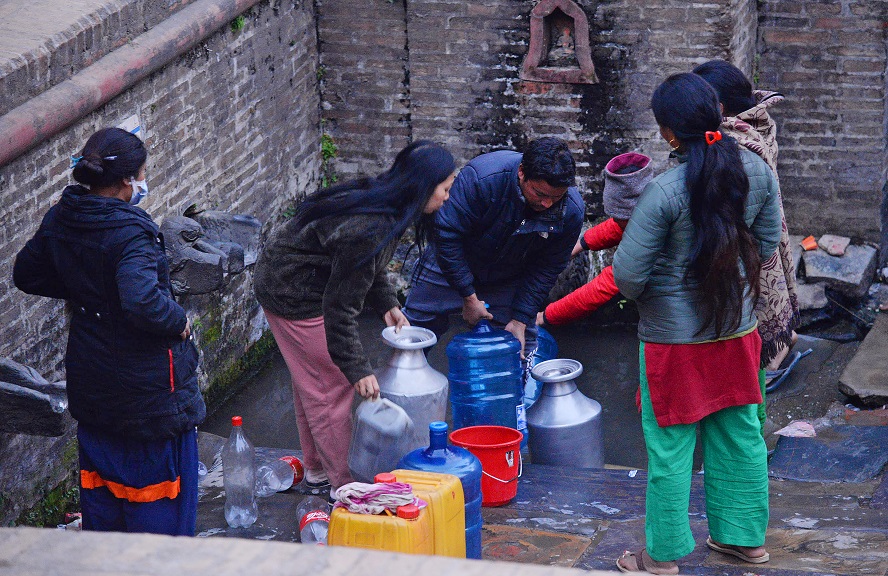
With the completion of the Melamchi Drinking Water Project, the water crisis in Kathmandu has ended. The Kathmandu Upatyaka Khanepani Limited has also earned billions in revenue from water bills.
If the currently under-construction Fast Track is completed quickly, it will greatly facilitate movement between Terai and Madhesh. This will end the compulsion of traveling and transporting for hours via the Prithvi Highway. It will also greatly help in reducing the consumption of petroleum products.
However, when these projects are delayed, they end all these opportunities. For example, due to the delay in the construction of the Fast Track, Nepalis are likely to be deprived of this opportunity for many years. Especially, while upgraded road projects can yield immediate benefits, other projects are not in that state.
Infrastructure such as irrigation projects, expressways, tunnels, and hydropower projects start producing or yielding results only after their complete construction, making timely completion even more important. For example, due to the stalled work on the Sunkoshi-Marin Diversion, there has been a lack of expected agricultural production in Terai-Madhesh every year due to irrigation shortages.
- Who is to Blame for Obstacles in Good Governance?
Former administrator Wagle states that good governance in the construction sector will be visible if the aforementioned obstacles in development construction are removed. He believes this will help expand capital expenditure.
However, he states that Nepal's political mechanism, bureaucracy, private sector, and even our social and cultural thinking have been obstacles in all these.
Even now, the main competition for political leadership is focused on how much budget to allocate to their respective areas. Wagle clarifies that the tendency to consider including such budgets in the Red Book as a parameter of success leads to problems in project selection itself. For this, the practice of allocating budgets to unprepared projects based on political influence is increasing.
He said, 'They are not concerned whether the project is built or not. They are only concerned whether the budget is allocated or not. The job of political leadership is not just limited to whether the budget is allocated or not.'
_s4UAz3GPxQ.jpg)
Moreover, ministers and employees of the government are also responsible for this. Dr. Baskota states that allocating budget to projects without prior preparation, even for managing dissatisfaction, is their weakness. He said, 'If budget is allocated to projects that cannot be implemented, then capital expenditure is not possible.'
Another weakness of the government is payment. There is a tendency not to make timely payments even for implemented projects. The Chairman of the Federation of Contractors' Associations of Nepal, Nicolas Pandey, states that the amount of unpaid work by construction entrepreneurs is currently around 300 billion rupees. He says that it is difficult for construction entrepreneurs to work because they invest the available funds and the government does not make payments under various pretexts.

Experts point out two main reasons for not making payments. First, problems in the government's treasury management, and second, the working style of administrators.
He states that in Nepal, one is punished if something is done incorrectly or if the process is not followed while doing work, but since there is no system to punish for not doing work on time, the bureaucracy tends to be more process-oriented than results-oriented.
To spend from the government treasury, the government must first receive money from some source. But our treasury management does not match the expenditure needs. Especially, the funds in the government treasury are consumed by regular expenses. Therefore, the government is compelled to wait until the end of the fiscal year for payments related to development construction. As a result, payments for work completed in December-January are also often made only by the end of June.
In this situation, the tendency for construction entrepreneurs to also complete work only at the end of the fiscal year is increasing. Since they do not receive timely payments, entrepreneurs also prioritize 'Asare Bikas' (development work done at the end of the fiscal year). Therefore, Wagle suggests that the government should manage sufficient resources for payments of completed projects, even if it means making alternative arrangements.
Baskota, however, believes that the government system and the mindset of the bureaucracy are also responsible for this. He states that in Nepal, one is punished if something is done incorrectly or if the process is not followed while doing work, but since there is no system to punish for not doing work on time, the bureaucracy tends to be more process-oriented than results-oriented.
'We have a system where the Prime Minister makes performance contracts with ministers, ministers with secretaries, and secretaries with departmental heads, but there is no practice of punishing them if the contract is not fulfilled,' Baskota said. 'Unless there is an evaluation of those who work on time and punishment for those who cannot, good governance in the budget cannot be achieved.'
Construction entrepreneur Pandey also states that the reluctance of political leadership and bureaucracy to take risks is responsible for the lack of capital expenditure. He says this tendency is prevalent now. Pandey said, 'Ministers to secretaries are positive about many of the things we say, but when it comes to implementation, they back down. It's about who will tie the bell around the cat's neck.'
- Where to Start the Reform?
Good governance expert Krishna Hari Baskota believes that the solution to the obstacles seen in development construction should start with political leadership and bureaucracy. He states that accountability from the top level will facilitate reforms at the lower level. He clarifies that for this, the government must resolve various difficulties and solve problems that arise naturally.
Currently, with more than 3.5 million youth in the Gulf, there is an extreme shortage of labor in Nepal. Baskota suggests that the government should take initiative to solve this problem, as infrastructure construction is not possible without workers. He also stated that the shortage of materials like stones, gravel, and sand, and obstacles in forest areas are also hindering expenditure, which needs to be resolved at the policy level.
The second important reform is the end of local obstacles in project implementation. According to Baskota, currently, the very people who should benefit from development are turning into enemies of development and obstructing projects. To remove such obstacles, he emphasized the need for effective coordination with local levels and fostering a sense of ownership among the public before the project begins.
Thirdly, the government must understand the real difficulties of construction entrepreneurs. Nicolas Pandey, Chairman of the Federation of Contractors' Associations of Nepal, states that the government should understand the financial cycle of entrepreneurs.
Fourthly, the end of legal hassles and reform in the bureaucracy are essential. According to former administrator Bimal Wagle, the Procurement Act brought for reform in 2063 BS has created even bigger problems. In this situation, legal reforms and bureaucratic accountability are the solutions to end the anomalies seen in development construction.
This specific news has been automatically translated by AI. As a result, there may be some inaccuracies or language errors.

-(2)_QJLjKxR87n.jpg)