
Economic and Governance Challenges in Nepal
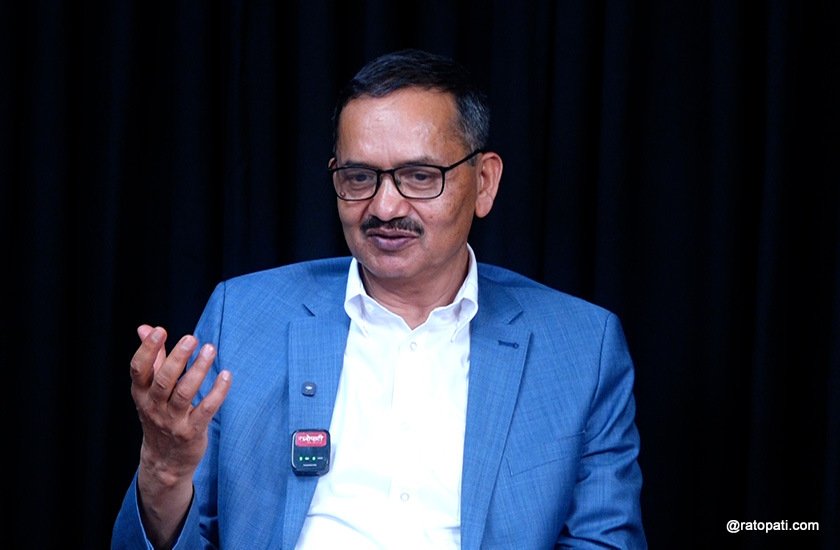
Rameshwar Khanal's ten points presented have covered the broad economy and governance structure very well. Looking at these points, the issue of political thinking and culture immediately came to my mind. I would like to quote analyst Puranjan Acharya here, the thinking that dominated during the unification of Nepal is important.
The Malla kings had built good cities, had excellent drainage systems. A civilization was built by bringing architects from South India. It was a trading society that connected both China and India for trade. If our society had developed in a different direction with that commercial and civilization-oriented culture, perhaps our development would have been different. But the unification was done by a clever and strong king from Gorkha, trapped in a cycle of poverty, using force. After that, the culture of 'force can do everything' became dominant. The kings after Prithvi Narayan Shah also emphasized the use of force more than establishing a culture of development and innovation.
When we were in the Planning Commission, a team including myself, Swarnim Wagle, and Govinda Nepal used to discuss, 'Why hasn't Nepal developed?' Swarnimji researched and found that Nepal's and America's per capita income were similar when America became independent, but where are we today? The main reason for this is that whoever has the resources also holds political and economic power.
Our kings and landlords did not prioritize innovation. The state always went towards protectionism. We hear legends of the hands of artisans who built temples in Arghakhanchi being cut off, which means the state destroyed creativity.
Lack of Managerial Capacity and Democracy
From politicians to the bureaucracy, a mentality of middlemen or commission-seeking has been dominant in us from the beginning. Another major reason why Nepal's democracy has not been able to function properly is the lack of managerial capacity. Governments changed from the democracy of 2007 BS to 2015 BS. Even a visionary leader like BP Koirala, who was excellent in both literature and politics, could not fully manage the games of other players in the then-prevailing situation.
When political parties lack managerial capacity, democracy remains limited to slogans. Democracy means good governance, participation, transparency, accountability, and service. However, despite repeated changes in power and the constitution, these things could not be established due to the lack of managerial capacity of the parties.
Inertia and Incompetence of the Bureaucracy
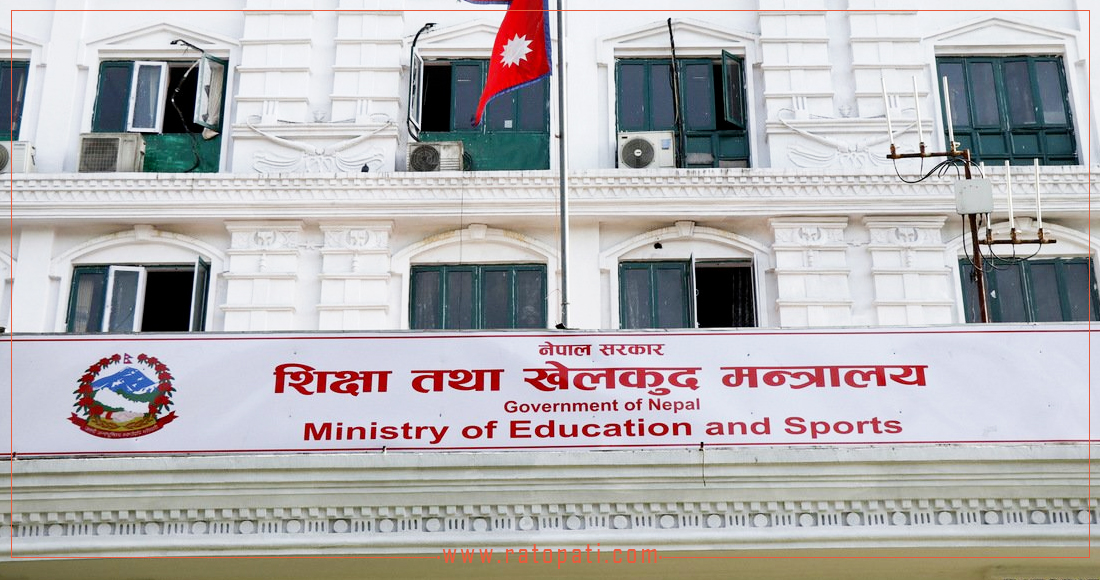
Another important issue raised by Rameshwarji relates to the capacity of the bureaucracy. Our Public Service Commission's recruitment process is very restrictive and archaic. Although there have been some improvements due to inclusivity, for a long time, only people from the same class and mindset reached there. Upon passing the Public Service exam, the mentality of considering oneself a ruler and 'I am perfect in everything' became dominant. They did not consider themselves servants.
The state did not invest in the machine called bureaucracy. For example, during the Arun III and Fast Track PDA agreements, no joint secretary in the ministry could scrutinize the legal and technical aspects. They shied away saying, 'We don't have training in international law and agreements, we might get trapped in a Singapore court tomorrow.' The main reasons for low capital expenditure, weak service delivery, and inability to negotiate at the international level are the lack of capacity building of employees.
Media Narrative and Human Capital Crisis
The concept paper also discusses the narrative created by the media. I myself am a victim of this. Before the 2062/63 People's Movement, I returned from Germany and was raising chickens in Kathmandu. Our farm produced 9,700 eggs daily. But in the midst of the movement, a newspaper published a misleading news item saying 'Bird flu in Kathmandu's chickens'. People stopped eating eggs. 500,000 eggs piled up in our store. Even giving 30 eggs for 20 rupees, they didn't sell. We incurred a loss of 6.3 million rupees. The media's culture of writing 'sensational' news without assessing the risks of entrepreneurs has drowned many.
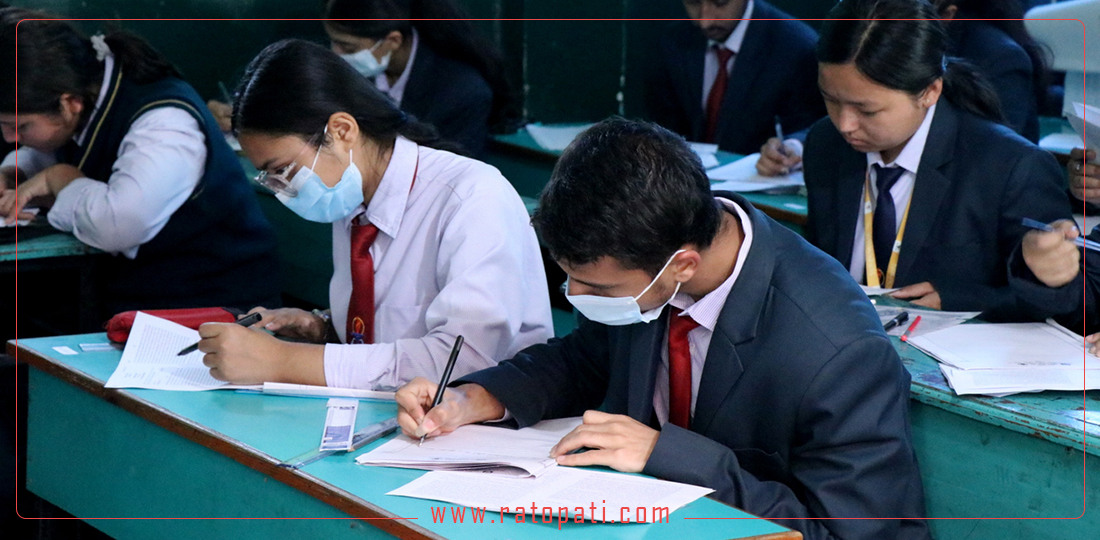
Finally, our biggest crisis is 'human capital'. Only 44 percent of students passed the recent SEE results, meaning 56 percent of students dropped out. Over 12.5 million youth aged 16 to 40 are our main resource. If we cannot provide skill-based education to this 56 percent of the workforce, no matter how much we talk about IT or digitalization, it will not work. Without skilled manpower, foreign investment will not come, nor will the country's resources be managed properly.
Video
This specific news has been automatically translated by AI. As a result, there may be some inaccuracies or language errors.
-(2)_QJLjKxR87n.jpg)