
Old Political Parties Fail to Deliver Good Governance and Prosperity
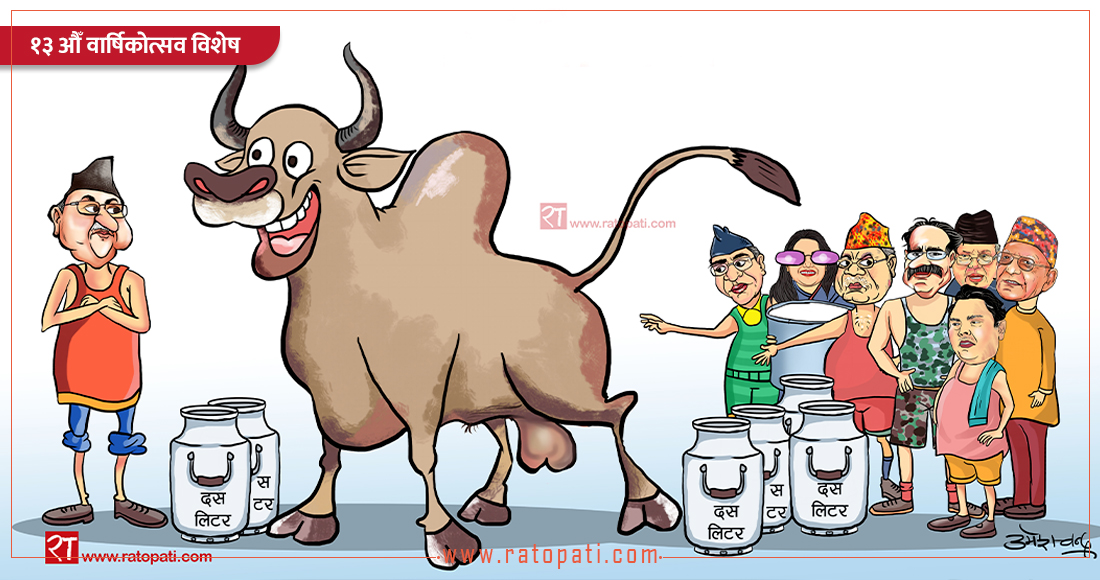
Kathmandu. Nine months have passed since the Gen Z took to the streets in search of good governance and a secure future against the widespread corruption, misgovernance, and failure of the old political leadership in the country.
On the strong foundation built by the Gen Z movement of Bhadra 23, the general election brought the Rastriya Swatantra Party (RSP) to power as a new force with a near two-thirds majority mandate, leaving old forces like Nepali Congress, CPN (UML), Nepali Communist Party, Rastriya Prajatantra Party (RPP), and Madhesi parties in a defensive huddle.
The question to ponder is, after the change of 2046, the general public placed great trust in Congress-UML. Be it the then CPN (Maoist) that integrated into mainstream politics through the peace process after the 2062/063 People's Movement, or the parties that emerged from the Madhes movement, the people dreamed of a new horizon through them.
But why have those decisive forces shrunk so much by 2083?
Have the old parties only been living off the legacy in the name of change and failed to understand the changing desires of the people? Why did the revolutionary forces of yesterday, after indulging in the comforts of power, stray from their original agenda and the doorsteps of the common man? Where did the old forces, who repeatedly inform society about their past history and sacrifices, go wrong? Many such questions have arisen.
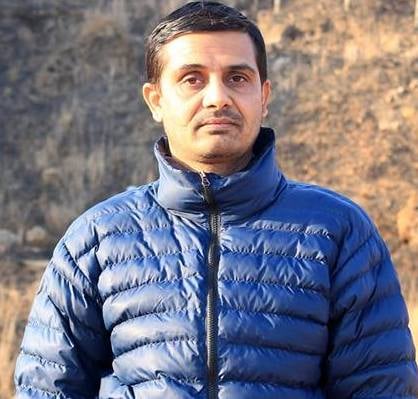
According to sociologist Dr. Dipesh Ghimire's analysis, the old political parties have failed in three main dimensions in establishing good governance and prosperity.
According to Dr. Ghimire, although the old parties played a leading role in changing the system, they could not contribute equally to changing the condition of the citizens when they led the government.
“Those parties, which appeared organized, effective, and committed in changing the system, started fighting, quarreling, and splitting among themselves by the time it came to changing the condition of the citizens,” Ghimire said.
They have also failed in the matter of leadership transition and transfer. “Secondly, in one political party, the leadership has been held by the same person for four decades, while thirdly, although the issue of social justice has been addressed in some form, the practical implementation of institutional and policy decisions in establishing good governance and controlling corruption has remained weak,” Ghimire said.
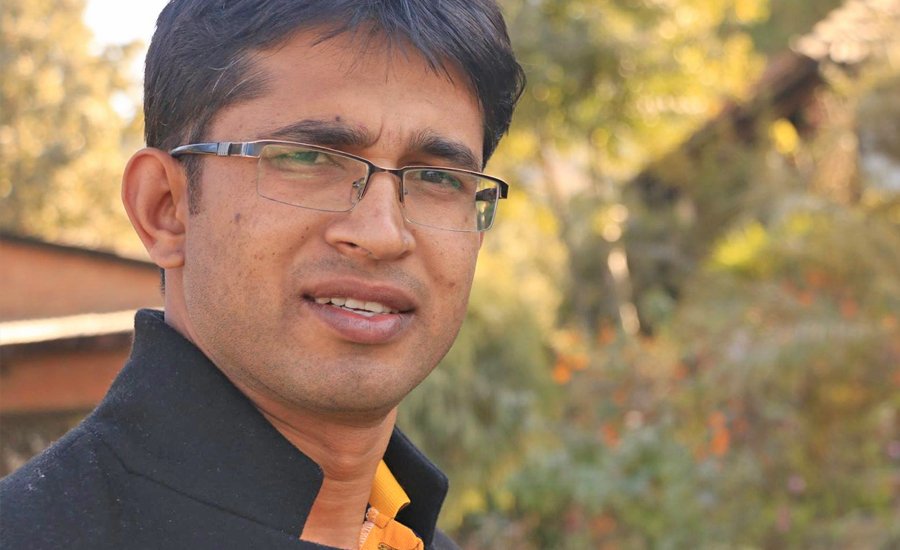
Miraj Dhungana, a Gen Z activist currently running the 'Let Us Earn a Living' campaign, says that the old parties are in a defensive position precisely because they have not worked according to the wishes and desires of the people. The main problem seen in the old parties is the race for power accumulation and the lack of a common national agenda, in his understanding.
He also pointed out some weaknesses in the current system.
“The parties seemed focused on how to gain and retain power rather than looking at the big picture of developing the country,” he says, “The issues of good governance and prosperity were overshadowed by the game of alliances to retain power and internal squabbles for power. They prioritized personal and party interests over the greater good.”
_ByMoUG26Fq.jpg)
He mentioned that the old parties have encouraged corruption and nepotism, politicizing the administration and judiciary, and concluded that there is a vast difference between the behavior of leaders and their public claims.
“When there is a world of difference between the public claims of leaders and their actions, despair has spread among the people, and parties are now forced to be defensive,” Dhungana concluded.
As Miraj said, during every political change in the past, or during elections and leaders' speeches, the main slogan has been 'good governance and prosperity'. Panchyat fell, monarchy ended, and the country adopted a federal democratic republic. However, the major political parties that have run the government for nearly three and a half decades have repeatedly failed the test of good governance and prosperity.
The main reason behind the failure of the parties is the intense politicization of state mechanisms. Bodies that should be impartial, such as the judiciary, the Commission for Investigation of Abuse of Authority (CIAA), and the administration, have been turned into recruitment centers by the parties. Due to appointments based on party quotas, the state organs have become accountable to party leaders rather than the public, leading to the crumbling of the foundation of good governance.
The change in the form of corruption to policy-level corruption is another failure in good governance and prosperity. The public witnessed the frightening anomaly where corruption that used to happen under the table at the employee level was legalized through cabinet decisions. Cases like Lalita Niwas, T-Stakes, Bhutanese Refugee Scam, and Patanjali are prime examples of policy-level corruption.
The old parties failed to realize the plight of ordinary citizens who have to stand in line for hours to get a passport, license, or citizenship, and rely on middlemen. Despite tirelessly talking about new technology, leaders did not take initiatives to make government offices digital-friendly.
On the other hand, parties were engrossed in an economy based on remittances and imports instead of creating production and employment. The failure to complete national pride projects on time and the continuous increase in costs led to the misuse of state resources. The transition, which was active only for self-interest without delivering results, has made the new democratic system vulnerable, a reality that cannot be forgotten.
Not only this, but the lack of internal democracy within parties and the failure to transfer leadership have also created various barriers to new ideas and energy. The presence of the same faces in power and positions of influence for decades has created disgust among the public. The parties themselves have invited a situation where honest workers are sidelined due to the dominance of middlemen and contractors in the expensive electoral system.
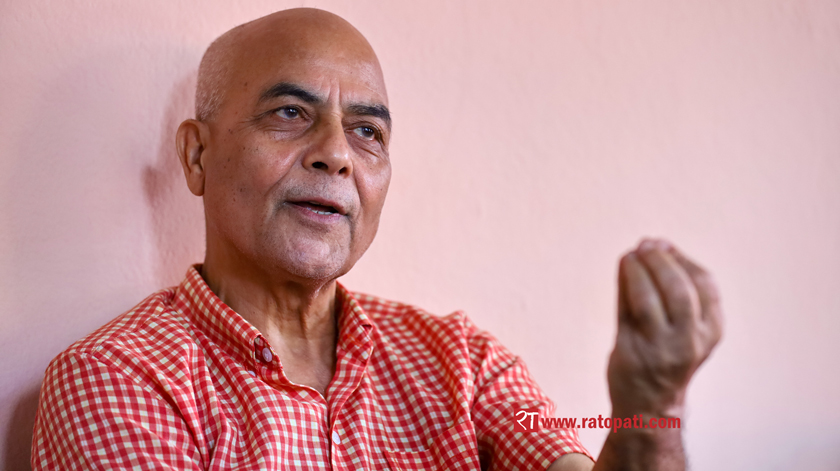
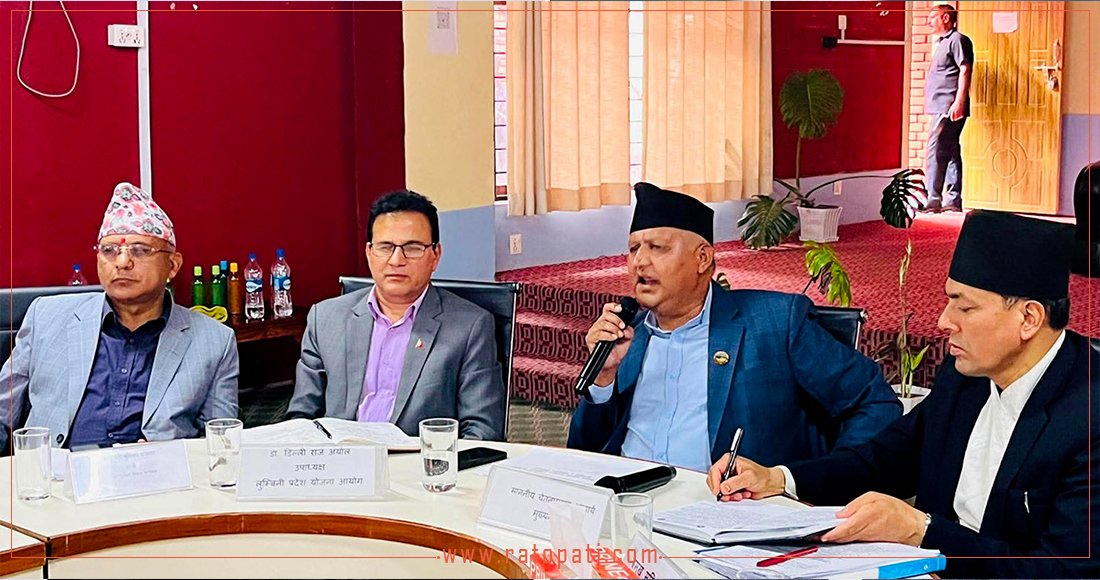
According to former Chief Election Commissioner Dr. Bhojraj Pokharel, good governance is felt only when citizens experience justice, rather than just physical progress. “The old political parties could not deliver the justice expected by the citizens,” Pokharel told Ratopati. “The stronger and more influential the institutions established for good governance, such as the courts and the CIAA, the more they help in establishing good governance,” Pokharel’s experience suggests.
However, instead of strengthening these institutions, the old parties have always tried to keep them under their control.
Pokharel believes that good governance has also weakened due to indiscipline and anarchy arising from criminals not receiving punishment according to their crimes. “On the other hand, the series of alliances being formed and broken to save the government has annoyed people and made them think only about how to exploit the government,” said former Chief Election Commissioner Pokharel.
- Let's look at the facts: How did the parties fail?
In 2020, when Transparency International Nepal released a report on corruption, then Prime Minister KP Oli expressed anger over the report's content. Instead of seriously considering the issue of increased corruption and taking steps to reduce it, he questioned the report itself, acting as if corruption did not exist.
The report stated that Nepal is the country where the highest percentage of people in Asian countries believe corruption has increased. Similarly, the report also mentioned that 50 percent of Nepali citizens believe the President and Prime Minister are corrupt.
Around 2050/51, during the tenure of then Prime Minister Girija Prasad Koirala, the Dhamija scandal occurred. In that scandal, Dinesh Dhamija, a British citizen of Indian origin, was appointed as the main agent for Royal Nepal Airlines Corporation for Europe. This caused a loss of approximately 400 million rupees to the corporation.
Similarly, in 2052, when Sher Bahadur Deuba was Prime Minister, the decision to allow MPs to import luxury Pajero vehicles with customs exemption sowed the seeds of a privileged and corrupt culture in politics.

Similarly, in 2057, the Lauda Air scandal became one of the most talked-about corruption cases in Nepal's history. A significant financial irregularity occurred when the Nepal Airlines Corporation leased aircraft from Austria's Lauda Air.
Likewise, in 2068, the Sudan scam occurred, bringing shame to Nepal. Approximately 290 million rupees were embezzled in the purchase of necessary equipment for the Nepal Police going to Sudan for a United Nations peacekeeping mission.
Furthermore, government land adjacent to the Prime Minister's residence in Baluwatar (Lalita Niwas) was transferred to individuals' names through collusion between land mafias and political figures. Former prime ministers and high-ranking officials were implicated in this.
Similarly, the case of corruption amounting to approximately 4.35 billion rupees in the purchase of two wide-body aircraft by Nepal Airlines Corporation, or the fake Bhutanese refugee case still pending in court, have eroded the credibility of the parties.
Repeated gold smuggling incidents at Tribhuvan International Airport, the Ncell tax case, the Giribandhu T-Stakes case, and the cooperative fraud case have all clearly shown high-level political protection and involvement. These scandals indicate that corruption in Nepal has shifted from individual efforts to institutional efforts, yet the parties have shown no interest in resolving them.
The unholy alliance between leaders and middlemen has institutionalized policy-level corruption and 'settlements' in the country. The manipulation of tax rates for the benefit of middlemen in the past, and the control of limited business houses over lucrative state positions and contracts, are vivid examples of this.
Such practices, carried out under political protection, have destroyed fair competition on one hand and, on the other, have led to the exploitation of public property, burdening the general public with inflation and malpractices.
- Instability and Power-Centric Politics
In the 20 years since the People's Movement of 2062/063, as many as 18 governments have been formed. During that period, there were 11 prime ministers, 42 deputy prime ministers, 155 ministers, 65 state ministers, and 2 assistant ministers. Similarly, in the 15 years from 2076 to 2062, 15 governments were formed.
This sheer number exposes the ugly side of Nepali politics, where positions and power were considered everything, rather than a vision to build the country. With each change of government, policies changed, the administrative machinery weakened, and development projects were left incomplete. Parties spent their energy on factional distribution and allocating ministerial positions rather than national needs.
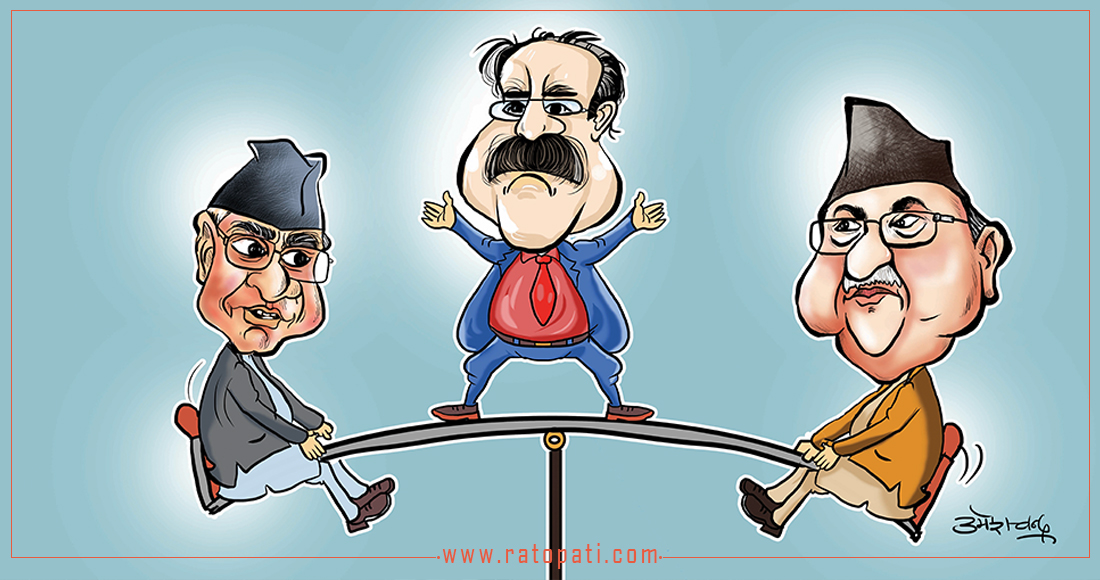
Gen Z activist Dhungana also believes that due to such instability, no government has been able to implement long-term plans. Consequently, even though the system has changed, the journey towards good governance and prosperity that would change the condition of the people has been lost in the game of musical chairs of power, he says.
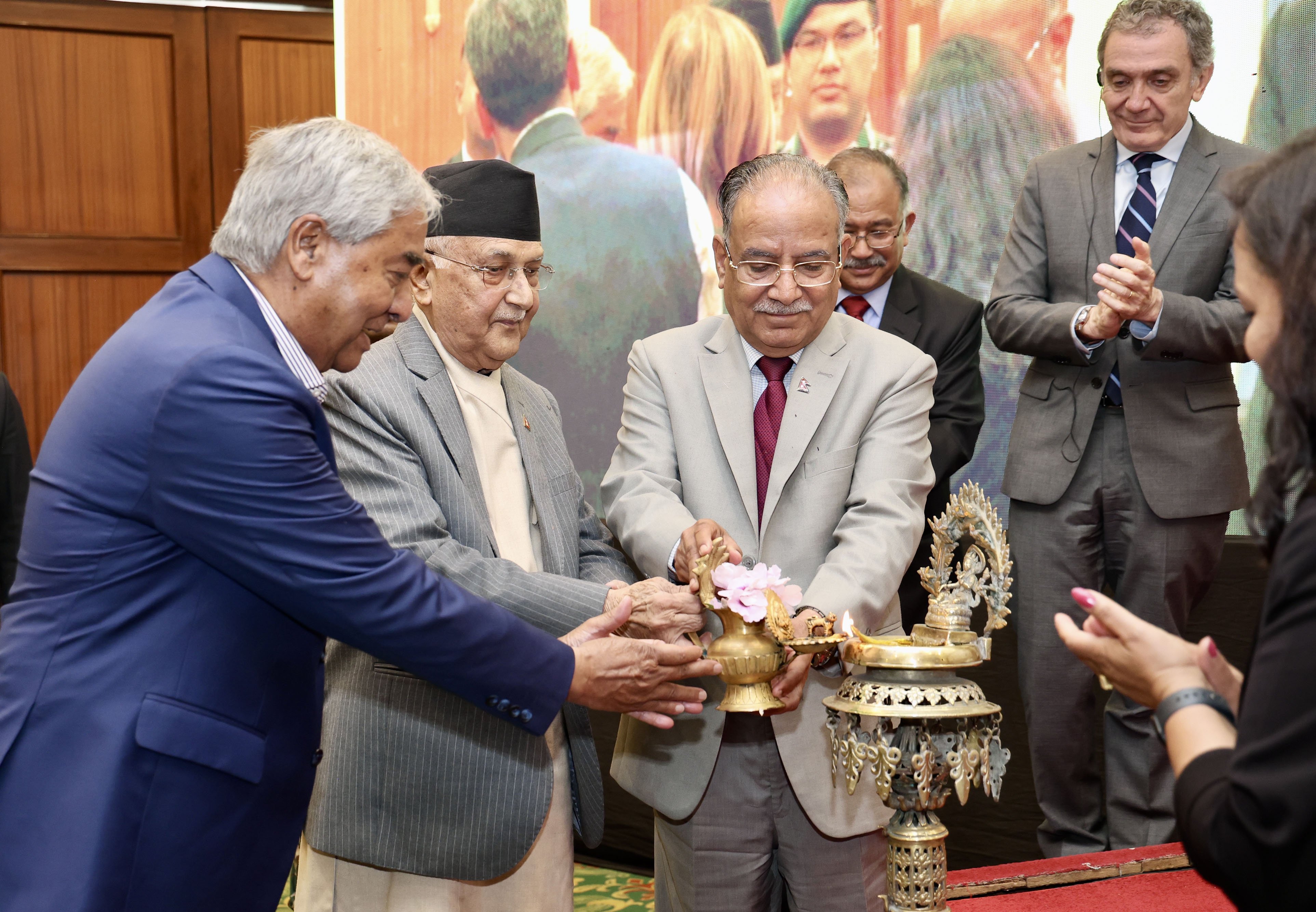
The biggest internal challenge for Nepali political parties is the decades-long hold of the same individual in decisive positions. Whether it is Sher Bahadur Deuba, KP Oli, or Prachanda. They have confined democracy merely to paper processes and the formality of conventions.
What's more interesting is that despite continuous pressure, UML Chairman Oli and CPN Coordinator Prachanda are clinging to leadership. Although Deuba has lost his position due to the intervention of figures like Gagan Thapa after the Gen Z movement.
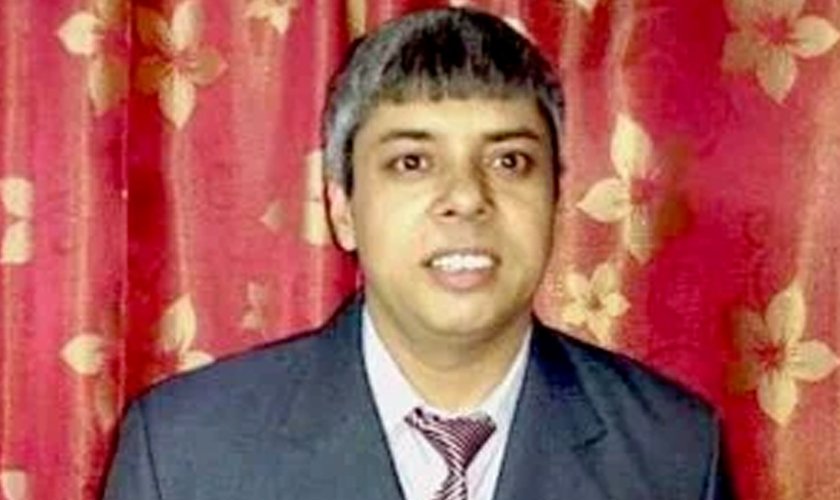
Professor Arjunadhwaj Aryal of the Political Science Department at Tribhuvan University says that the old political parties and their leaders failed because, instead of using the sacrifices they made for change for nation-building, they focused only on personal gains.
“It’s not that they did nothing, but they couldn't deliver as much as they should have because they prioritized cronies and became engrossed in family and crony economics over capability,” says Professor Aryal. “This means less attention was paid to the broader social context, which led to accountability, good governance, and transparency being overlooked.”
Aryal states that the problem has escalated because the mentality of taking the benefits of systemic change primarily for oneself and relatives has become dominant. Besides, he says it is ironic that even after facing so many setbacks, they still try to cling to party power.
“This applies the story of the snake, frog, and scorpion,” he said. “There is still a delusion that we will come back tomorrow.” Citing the recent power struggles in the provinces, Aryal said, “It shows that the old political parties are not ready to reform, but rather ready to perish. This will ultimately weaken our democracy.”
- Lack of Accountability
In a democracy, anyone who errs must be brought to justice. However, a wrong culture has taken root within Nepal's political parties, where they protect their own people regardless of the severity of their crimes. Instead of setting an example by taking action against leaders or ministers who do wrong, the parties themselves have become shields for them, leading to impunity reaching new heights in the country.
Looking at some major scandals of the past, it is clear how parties pressure state mechanisms to protect their leaders. When the fake Bhutanese refugee scam surfaced, implicating high-ranking leaders, the concerned parties initially tried to protect them by labeling it as political vendetta.
Even when influential leaders of their own party were arrested, instead of suspending them immediately, the parties protected them for a long time under the pretext of awaiting court verdicts. In the Lalita Niwas case, where government land in Baluwatar was transferred to private individuals, implicating former prime ministers and influential ministers, it took years even to summon them for questioning.
Similarly, when a parliamentary committee determined that billions were embezzled in the purchase of wide-body aircraft, the government and parties tried to hush up the matter by forming another investigation committee to protect their ministers.
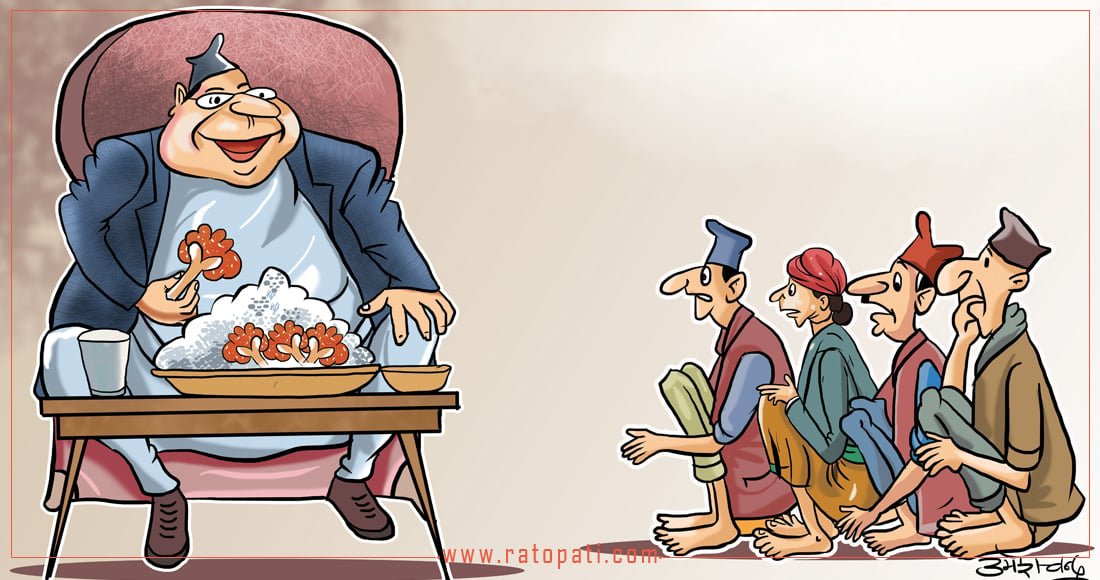
In the cooperative fraud case as well, parties have obstructed parliament to defend their leaders and even interfered with the terms of reference of investigation committees. Despite the involvement of high-level leaders and their offspring in gold smuggling, attempts have been made to keep them outside the scope of investigation by shielding them with party flags.
It is being commented that in the cooperative fraud case, the state treasury is being used to recover money from the fraudsters, continuing the old trend.
“In democratic countries, institutions should be strong and conduct, culture, and regulations should be in line with them, but parties have faltered in these aspects,” said former Chief Secretary and former Chief Commissioner Pokharel. “Another important aspect is service delivery. It has become difficult for citizens to receive services. Only those who are powerful and have connections have dominated, which has increased public alienation and led to a state of impunity.”
This protective tendency prevalent within parties has prevented bodies like the police and the CIAA from functioning independently. When an investigation begins against a leader, top party leaders consider it an attack on their existence, and instead of realizing that punishing wrongdoers would improve the party's image, they are under the delusion that protecting them strengthens the party. This very lack of accountability has led to a decline in public trust in old parties today.
- Some Examples of Malpractice
Last January, Transparency International ranked Nepal among countries with a high risk of corruption, placing it at 109th position. Last year, it was at 107th. Opaque activities in the past led the Financial Action Task Force (FATF) to place Nepal on the 'Grey List' on February 22, 2024, a list from which the country is currently struggling to escape.
The 63rd annual report of the Office of the Auditor General shows that the updated accumulated arrears have reached 755 billion rupees, an increase of 2.99 percent compared to last year.
The annual report of the Commission for Investigation of Abuse of Authority (CIAA) for the fiscal year 2081/082 shows that corruption is rampant. During that year, 28,514 complaints were registered, and the report indicates that corruption is most prevalent at the local level.
Looking at the data for the first nine months of the current fiscal year, the trade deficit has widened. In the first nine months of fiscal year 2082/083, total goods exports increased by 18.5 percent to Rs 222.94 billion, while total imports increased by 13.8 percent to Rs 1490.50 billion.
This is just a representative picture. The reality is even more dire. The daily exodus of thousands of youths, the endless wait for national pride projects, and the hardships citizens face in obtaining government services persist.
- Reform or Perish: Self-Admission Necessary
After the change of 2063, while Nepal remained entangled in political transitions and power calculations, neighboring countries India and China have already created new histories of prosperity. It is true that while neighbors have made economic and technological leaps in the last 20 years, Nepal has been trapped in a cycle of instability.
In the 20 years since 2063, 18 governments have changed in Nepal, while China has emerged as the world's second-largest economic power, freeing millions from poverty during the same period. While China has built thousands of kilometers of high-speed rail and modern cities, Nepal has failed to complete even a single national pride project on time.
On the other hand, India has journeyed from sending Chandrayaan to space to becoming the world's fifth-largest economy. While India has accelerated its digital revolution and infrastructure development, Nepal is limited to running the country on remittances by sending its youth abroad.
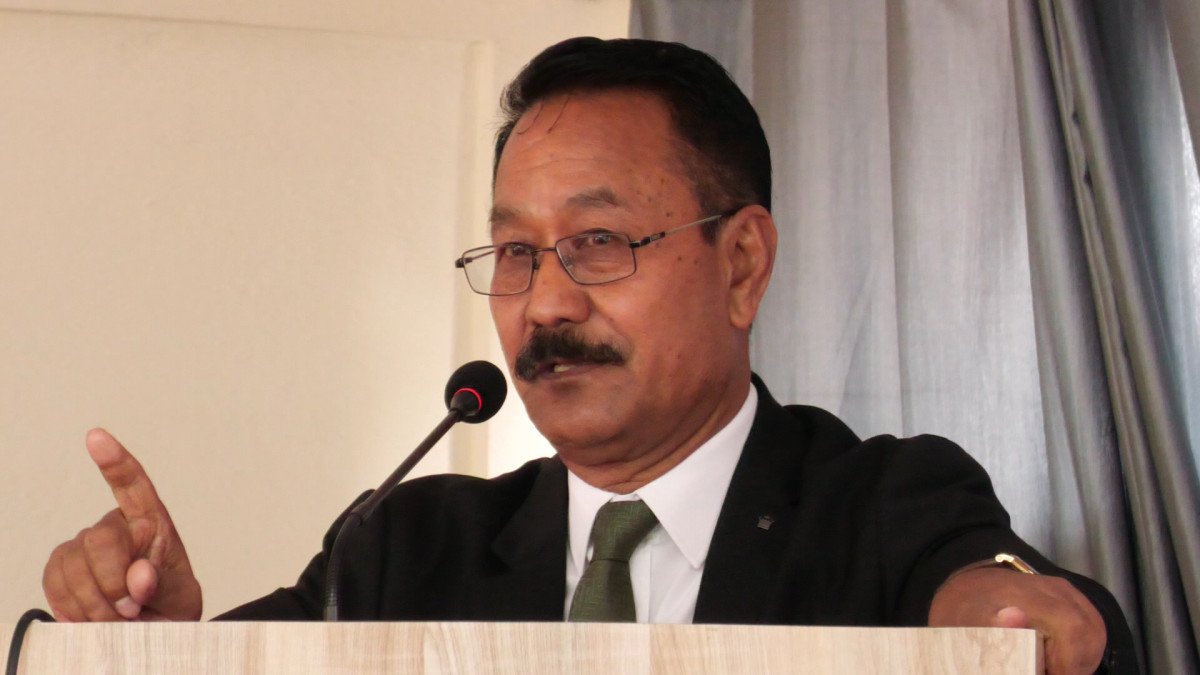
CPN (Maoist) leader Lekhnath Neupane admits that the old parties have failed to understand the current crisis in Nepali society. “It is true that they do not want to and cannot understand where society is heading and what kind of struggle is happening between which factions,” leader Neupane told Ratopati. “One cannot reach the correct destination by simply sitting in the driving seat without understanding where society is going and what it wants.”
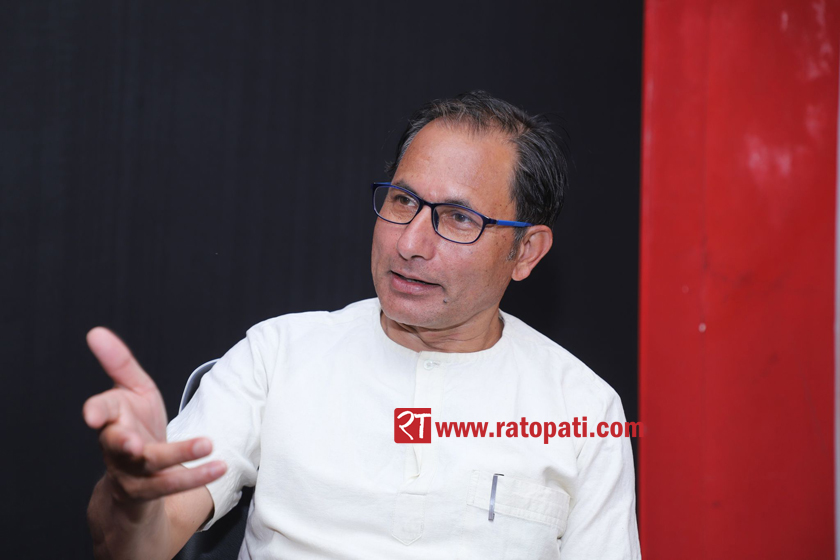
He stated that parties and leaders lack the tendency to admit their mistakes and emphasized the need for self-admission. “There is still room for improvement, but it must start with self-admission,” Neupane said. “Whether to reform, not reform, change, or not change depends on self-admission. But it seems the self-admission component is weak in the old parties.”
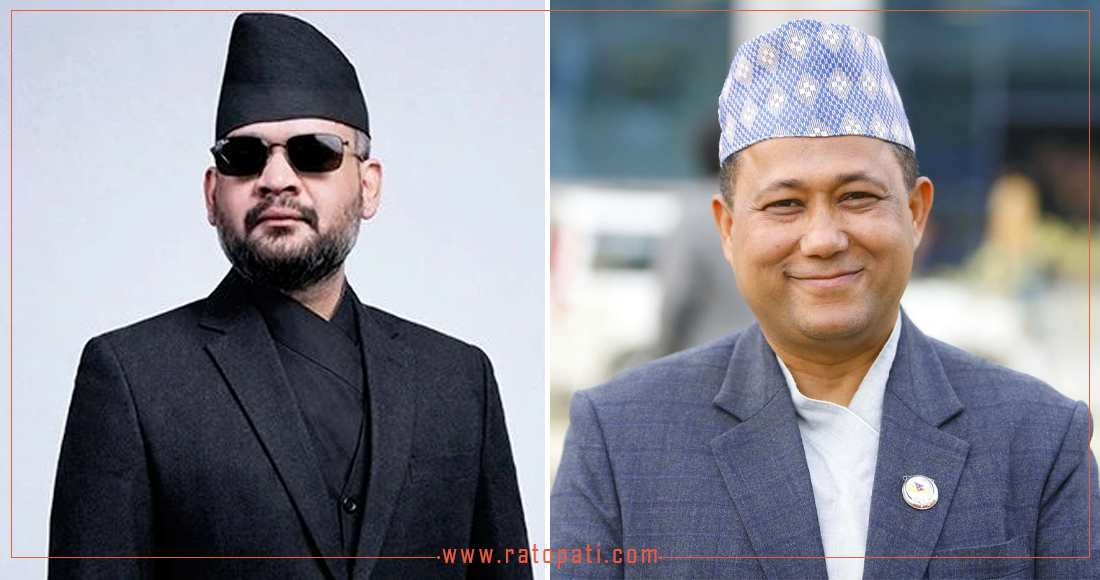
Nepali Congress General Secretary Gururaj Ghimire admits that the political leadership's focus on power struggles, rather than enhancing the nation's prestige and fulfilling citizens' expectations, has overshadowed good governance.
_HA1kmznpkJ.jpg)
“The characters and tendencies that have been in charge so far are responsible for the lack of good governance, increasing corruption, and lack of transparency,” said General Secretary Ghimire. “The characters and parties that have come into government after the change need to change.”
Ghimire said that the strong narrative of old parties being bad has also played a role. “First, such a negative narrative was created. Now, if new parties advance the country, there will be no problem,” General Secretary Ghimire expressed hope mixed with expectations for improvement from new parties.
CPN-UML leader Pradeep Gyawali acknowledges that although Nepal has achieved historic milestones in infrastructure development, social development, social justice, and inclusivity over the past 18 years, there have certainly been some shortcomings.
_agHMR5oB6V.jpg)
“However, there have been serious shortcomings in good governance, job creation, and system building,” Gyawali says. “Due to these shortcomings and the lack of expected conduct from political leadership, the public's ownership, spontaneous support, and trust have not been as much as they should have been.”
He also mentions that futile and regressive attempts to 'bring back the king' are made by exploiting such gaps.
“Continuous relationship with the people, addressing public expectations, and public ownership are prerequisites for the existence and development of any democratic system,” Gyawali says. “In essence, these systems are means, not ends; the end is the prosperity of the people and the nation. If that responsibility cannot be fulfilled, the republic can be at risk not only from external aggression but also from internal challenges.”
Miraj Dhungana does not seem entirely convinced by the new party and the current government. He says that the current government has failed to understand the real ground situation of the country, especially the problems of the lower class. “Decisions made without understanding the country and the plight of the poor will not bring real prosperity.”
He refers to the current leadership as belonging to the elite class and says, “Although the cabinet looks like a golden cabinet, they have not been able to deeply understand the problems of the grassroots citizens and the landless. To solve problems, one must first identify the disease, which the current leadership has not been able to do.”
While there is hope from the government led by RSP, he insists that the situation is not yet such that people can be fully confident of getting the results they desire.
This specific news has been automatically translated by AI. As a result, there may be some inaccuracies or language errors.
-(2)_QJLjKxR87n.jpg)