
Nepal's Civil Administration Faces Challenges to Good Governance
Kathmandu. While policy-making is the responsibility of political leadership, the primary responsibility for implementing it and delivering services to the doorstep of citizens lies with the public (civil) administration.
The main reason for calling the administration the 'permanent government of the state' is its role in implementing policies in practice and its continuity, unlike periodic changes in government. However, looking at the seven-decade-long administrative history, despite several changes in governance systems, our administration has not yet become conducive to good governance.
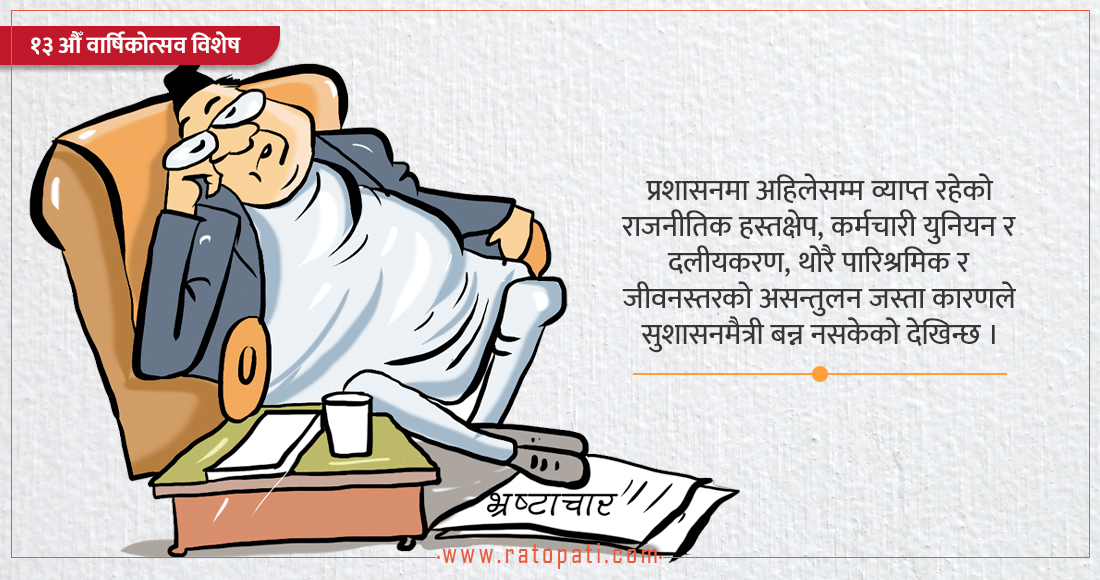
Superficially, it appears that the administration has not become conducive to good governance due to reasons such as political interference, employee unions and politicization, low salaries, and imbalance in living standards. Additionally, cumbersome procedures, lack of reward and punishment, ruler-centric mentality, and lack of expertise are also responsible.
The transfer, promotion, and placement of civil servants are based on 'political affiliation' and 'power-sharing' with the ruling political party and the ministry's leadership, rather than on capability, performance, and merit.
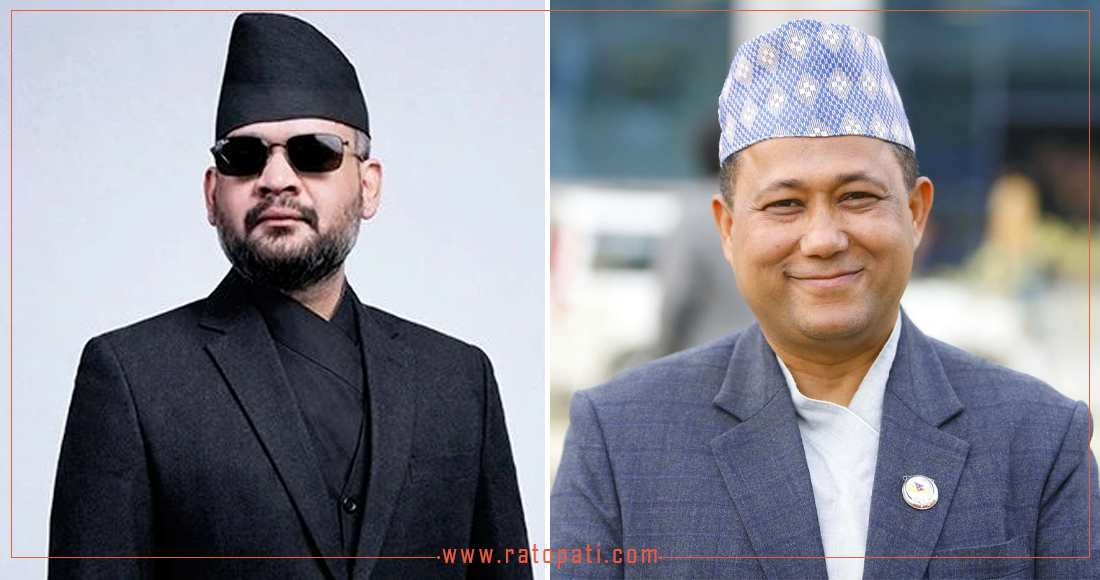
The frequent change of secretaries with each minister and the tendency of ministers to transfer employees to positions that suit their interests have prevented administrative professionalism from emerging in Nepal. Due to political instability, employees see their future not in performance but in flattering leaders, which has overshadowed the issue of good governance. Former Secretary Sharda Prasad Trital acknowledges this. Trital states that good governance is possible from the administration only if politics desires good governance.
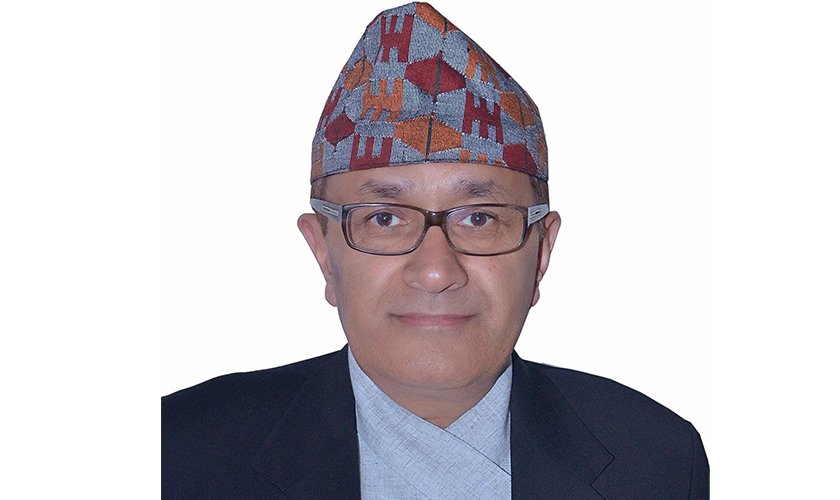
'Only if politics desires good governance can the civil administration deliver good governance,' former secretary Trital tells Ratopati. 'Civil servants are bodies that enforce the law. They cannot create and implement new laws. They work according to the plans instructed and created by politicians. The habit of not considering whether that work leads to good governance has also caused some damage.'
Moreover, parties have created an environment for 'party-affiliated trade unions' within the administration to use employees to their advantage. However, the 'Bill to Make Provisions Regarding the Formation, Operation, and Service Conditions of Federal Civil Service,' which the government has initiated the process of enacting, includes a provision that prohibits the formation of 'party-affiliated trade unions.' It remains to be seen whether this provision will remain until the law is enacted.
The current situation where civil servants are viewed more as party cadres than as servants of the nation has also created problems. When attempts are made to take action against errant employees, the unions protect them, fostering a tendency among employees to think, 'It's okay not to work, but one must appease the party.' This is creating problems in the name of good governance. Former secretary Trital believes that the bureaucracy has not become strong because employees are more focused on flattering politicians for favorable positions rather than performing their duties. He says, 'Currently, the bureaucracy is focused on flattering politicians for easier work rather than performing its duties. This mentality of employees makes it easy for parties to exploit them. The bureaucracy has weakened due to its inability to maintain its stance.'
_JsetS9Xylx.jpg)
Another problem is the low salary scale of civil servants in Nepal. Given the market's inflation and needs, honest employees struggle to support their families with meager salaries. This leads many employees to resort to 'under-the-table earnings' to support their families and 'maintain their standard of living.' When basic needs are not met by their salary, employees lose motivation and seek additional benefits, causing hardship to service recipients. Former secretary Trital has a slightly different opinion on this matter. He says, 'The salary of employees is determined beforehand. After accepting it and joining the service, one must work. If it's not enough, one should not deviate elsewhere.'
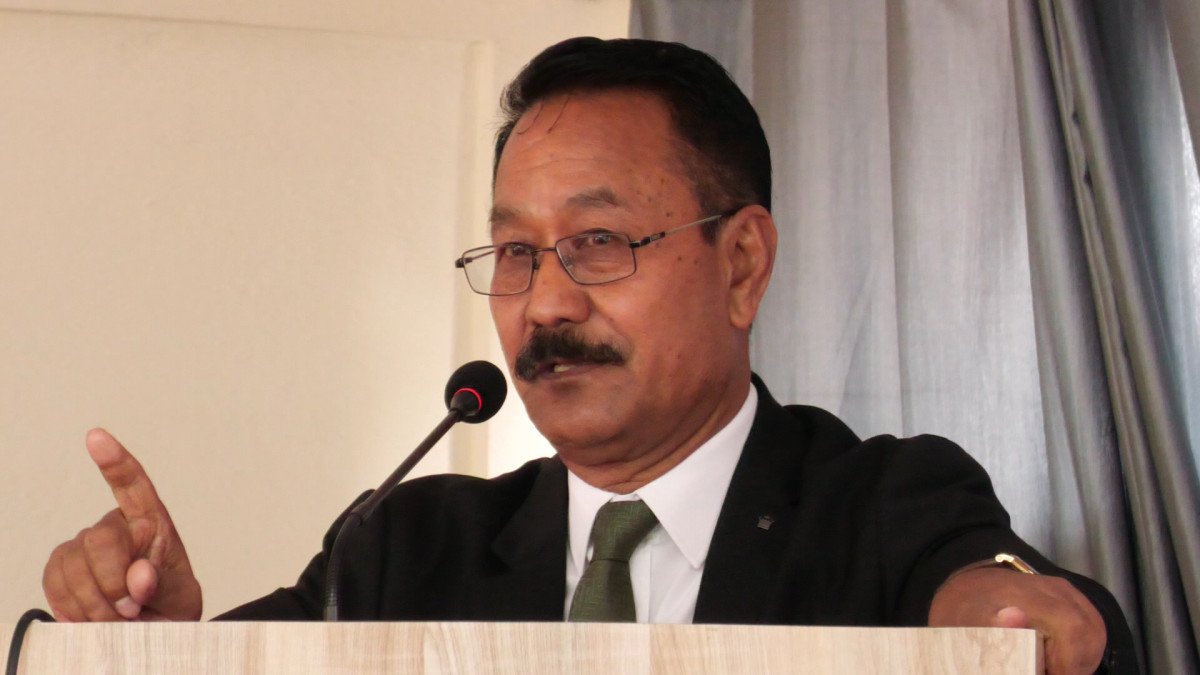
Former Chairman of the Administration Reform Commission, Kashi Raj Dahal, believes that adequate salaries should be provided based on studies of living costs due to inflation.
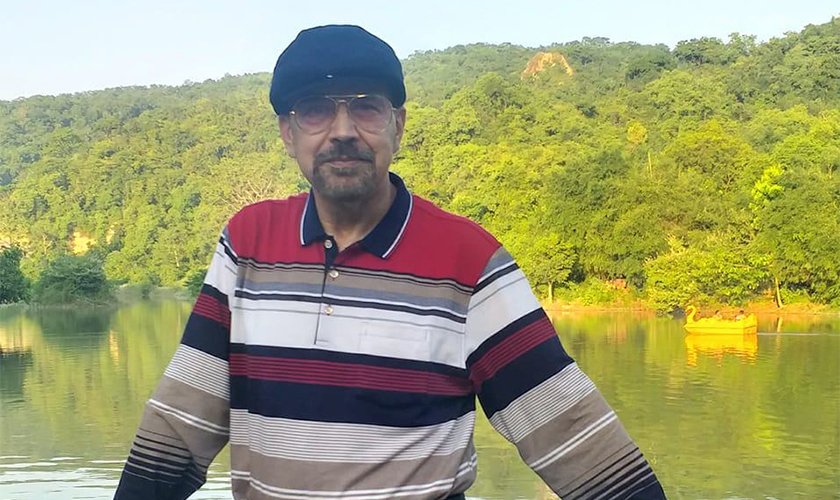
'Based on the cost of living due to inflation, studies should be conducted to determine adequate salary and benefits, and then facilities and salaries should be provided accordingly. However, the law should stipulate keeping the number small, creating multi-skilled employees, assigning responsibilities, and making them eligible for promotion only if they deliver results, otherwise not,' Dahal told Ratopati. 'If we move towards this system, a people-oriented and results-oriented administration can be developed. Increasing salary and benefits in relativity can be justified and is also necessary.'
Despite repeated changes in the system, the working procedures of our civil administration are still entangled in old and cumbersome laws and regulations. Service recipients are forced to visit dozens of desks and wait for many days for even a simple task. Even in the age of technology, the administrative machinery remains engrossed in paper processes. Paperwork makes it easy for employees to shirk responsibility, resulting in slow and opaque service delivery.
So far, no mechanism has been established within the civil service to clearly distinguish between performing and non-performing employees. This prevents good performers from being recognized and allows wrongdoers to escape easily. The practice of laws not reaching high-ranking officials while targeting lower-ranking ones has weakened administrative ethics. Trital also acknowledges this. 'Who is an honest employee? Who is a rogue employee? Those who engage in politics and come to power have not been able to distinguish,' Trital says. 'The situation where those who flatter and do as instructed are favored, while those who work according to the law are sidelined, has weakened administrative ethics.'
Nepal's administration still carries the remnants of the Rana and Panchayat eras. Among employees, higher-ranking officials tend to suppress lower-ranking ones. Employees should consider citizens as 'masters' and themselves as 'servants,' but employees often see themselves as rulers and citizens as subjects. They behave rudely with service recipients and adopt a dismissive attitude, which widens the gap between citizens and the administration. Citizens are becoming more aware of the law to get their work done when it cannot be done easily and legally, and they are starting to speak out about employees engaging in irregularities.
Another problem in Nepal's civil administration is the lack of expertise among all. Politicians do not assign expert employees to positions commensurate with their expertise because they believe experts will not do as they are told. The practice of appointing an expert in one field to a position outside their area has neither led to policy reform nor effectiveness in implementation.
Former Chairman of the Administrative Court, Dahal, states that increasing salaries or introducing technology alone will not make the administration conducive to good governance. 'Political neutrality and administrative commitment are necessary in the employee administration for good governance,' Dahal said. 'The transfer and promotion of employees should be entirely based on performance. Employees should perform their duties according to the law, not under influence and pressure. It is necessary to provide employees with a respectable salary that is sufficient to live on and an environment where they can work with confidence.'
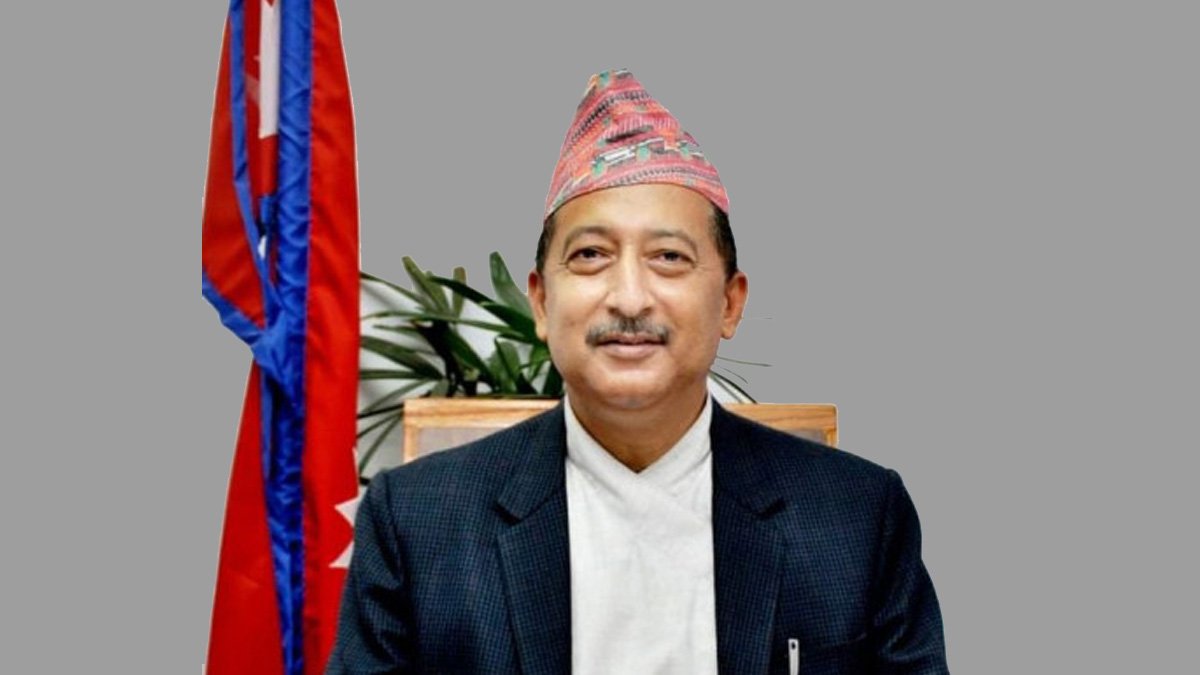
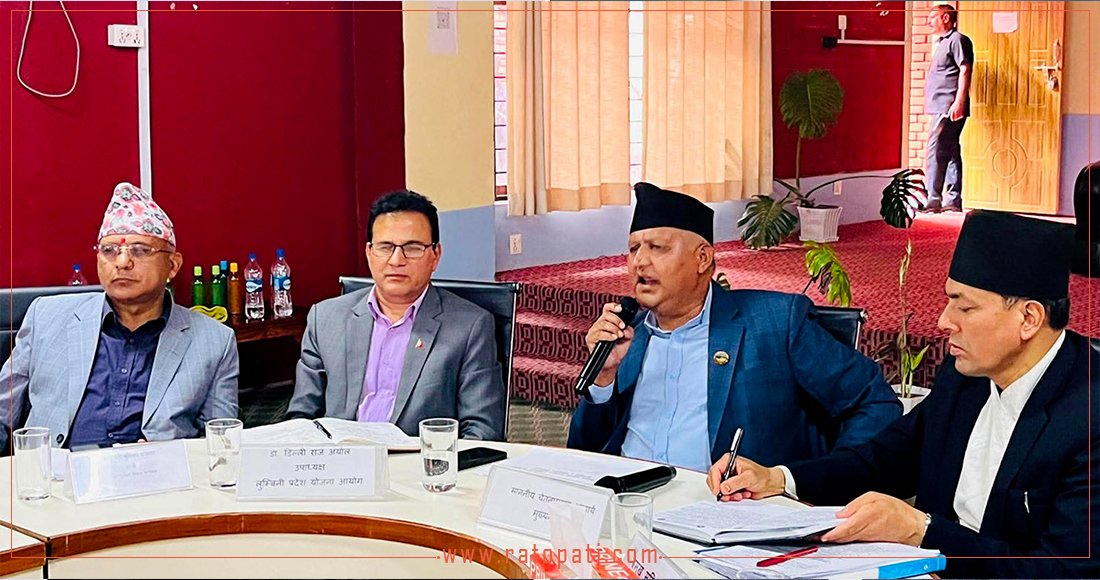
Former Joint Secretary Phadindra Mani Pokharel believes that if the political leadership is ready, the administration can be improved and become conducive to good governance. Former Joint Secretary Pokharel, who worked for a long time under the Ministry of Home Affairs and even led its Peace and Security Division, states that if the state is prepared to manage everyone appropriately, there will be no problem in establishing good governance.
'Employees feel that their salaries are insufficient. Due to insufficient salaries, employees are unable to be accountable. They do not see any mechanism or person protecting them,' Pokharel said. 'The current government perceives employees as corrupt entities from past governments. Therefore, the state must be prepared to manage everyone. If such a situation arises, the public will trust the employees. For this, the 'political authority' must be ready first. If that happens, the problem will be solved.'
He believes that if an environment is created where employees feel they are there to serve, an environment for good governance will gradually develop. 'If employees feel that the state will protect them if they do good work, there will be no problem in establishing good governance,' Pokharel said. 'Employees must have a guarantee of the facilities they will receive for their work. The public must feel that employees are for them.'
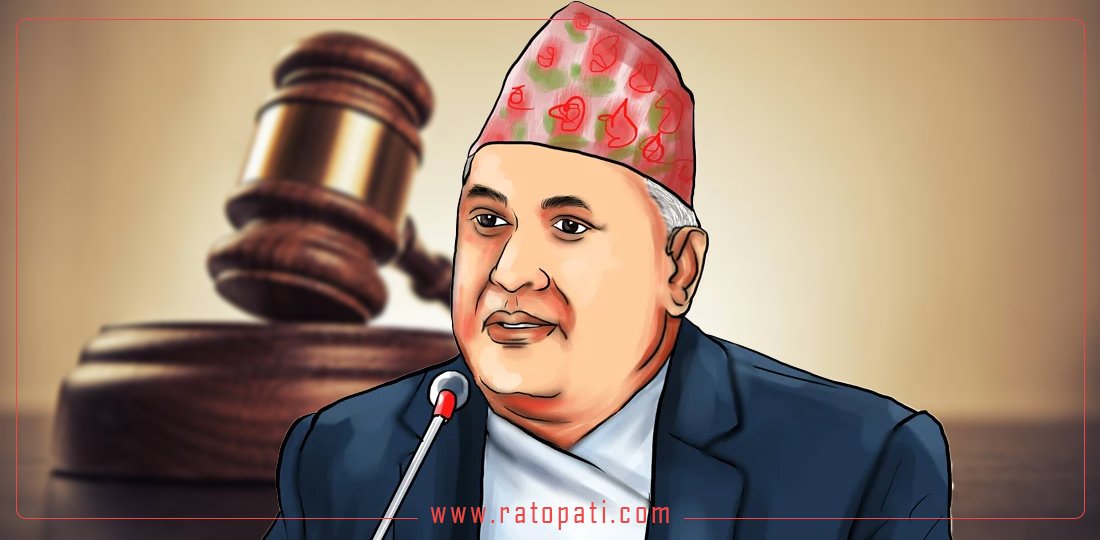
Political Will Can Reform Employee Administration: Kashiraj Dahal
So far, we have changed the system, but not the people or the practices. If the political sector moves forward with the will to reform and skilled management and determination to implement it, then the employee administration and the political sector will improve. In the past, politics in Nepal has been operated under the influence of middlemen, and various structures have been created within the administration to manage cadres. The number of ministries, departments, committees, boards, and institutions were created to manage cadres. Employees who did good work were not praised, and those who did bad work were not punished. Politicization and party-based appointments were made in the employee administration according to the wishes of the Prime Minister and ministers. Trade union organizations were formed and used for the transfer and promotion of employees. Instead of evaluating based on the dignity, hierarchy, and professionalism of the civil administration, a system was established based on whether the person belonged to one's own employee organization. The wrong practice of evaluating based on whether they are close to our ideology, whether they cooperate with us, has developed a mentality among employees to be self-centered and seek political protection. The question of a 'cooling-off period' has arisen to break the mentality of reaching higher positions by seeking political protection. Preparations are underway to implement a cooling-off period to prevent joint secretaries, secretaries, and chief secretaries from compromising on anything by maintaining close ties with political parties, prime ministers, and ministers, and to prevent them from seeking appointments in constitutional bodies or as ambassadors immediately after retirement. To break the cycle, a provision is being considered to prevent appointments for two years after retirement.
Employees must have professionalism and skills. In a democratic system, the employee administration should advise and consult politics, act as a bridge between politics and the public, and implement laws. Currently, the United Nations is urging countries like ours to have professionalism, punctuality in work, neutrality, transparency, and to make their income and assets public, not to be involved in politics, and to recuse themselves from matters where their interests conflict. The principles of professional conduct are being applied globally, and there is an emphasis on implementing them in developing countries like ours.
We have made provisions in the constitution and laws that employees should be impartial and free from corruption, work with public participation, and be recruited through merit and competition. In practice, however, the tendency to mold it to one's own liking and treat it like a middleman has led to our civil administration becoming large in size, inefficient in management, and lacking in behavioral improvement.
For employee conduct to improve, politics must improve first. The bottom cannot improve unless the source improves. If the political leadership has the will to clean up the mess, the employee administration will improve. If politics is right, not only the employee administration but also the legislature, executive, and judiciary will be right. However, if the political leadership cultivates the habit of working under the influence of middlemen, the administration cannot be purified.
- This is how the employee administration delivers results
The demand of the Gen-Z rebellion is that Nepal has increasing corruption, irregularities, and malpractices, which must be removed, and good governance is needed. That demand cannot be dismissed. The public expects good governance, an end to irregularities, and prevention of corruption from the current government. The government's 100-point reform agenda also mentions results-based governance and delivering results.
I understand that the government's plan to reform the administration, establish good governance, cut unnecessary expenses, abolish redundant administrative structures, dissolve employee organizations, and investigate and take action against those with illicit wealth is also for good governance. In the past, the employee administration and politics colluded and focused on negative actions. In various ongoing cases, instances of collusion between businessmen, politicians, and the administration have been observed.
Therefore, politics is the root policy of all policies. If the root policy is flawed, promises in the constitution are meaningless. In the past, practices were not reformed, intentions were not corrected, and middlemen flourished. Now, for the administration to be results-oriented, people-oriented, and outcome-focused, there must be the will to conduct politics properly. Transfers and promotions should not be based on prejudice or bias. Career development should be made predictable. Provisions should be made to boost the morale of employees, and a system should be developed to punish the wrongdoers and reward the good performers, and then the employee administration will deliver results.
- Salary Review
We need to move towards a system where the size of the employee force is reduced, adequate salary and benefits are provided, and employees are made eligible for promotion if they fulfill their responsibilities, and not eligible if they do not. Based on the cost of living due to inflation, studies should be conducted to determine adequate salary and benefits, and then facilities and salaries should be provided accordingly. However, the law should stipulate keeping the number small, creating multi-skilled employees, assigning responsibilities, and making them eligible for promotion only if they deliver results, otherwise not. If we move towards this system, a people-oriented and results-oriented administration can be developed. Increasing salary and benefits in relativity can be justified and is also necessary. If the salary provided during inflation is not even sufficient for basic needs, it leads to laziness in work. On average, salary increases and benefits are necessary and should be provided. Compared to SAARC countries, ours is low. Some review is needed in this regard.
- Administration Could Not Withstand Political Pressure
The employee administration faces political pressure, but it must have the integrity to withstand it. During the Panchayat era and even after, some chief secretaries and secretaries worked by withstanding political pressure. There are instances where they said, 'I am ready for a transfer, but I will not agree to work against the national interest and public interest.' Employees must have that willpower. The stance of employees should be based not on their self-interest but on national interest and public interest. Currently, the person who takes a stand is not publicized on average, while others are promoted. A practice has developed where those who make more noise in the market seem to be doing real work. Honest and dedicated secretaries and joint secretaries are not publicized, while those who are corrupt are publicized as doing good work, and the public believes this.
(Based on an interview with Dahal)
This specific news has been automatically translated by AI. As a result, there may be some inaccuracies or language errors.
-(2)_QJLjKxR87n.jpg)