Sugarcane Farmers in Sarlahi Face Crisis Due to Fertilizer Shortage and Delayed Payments
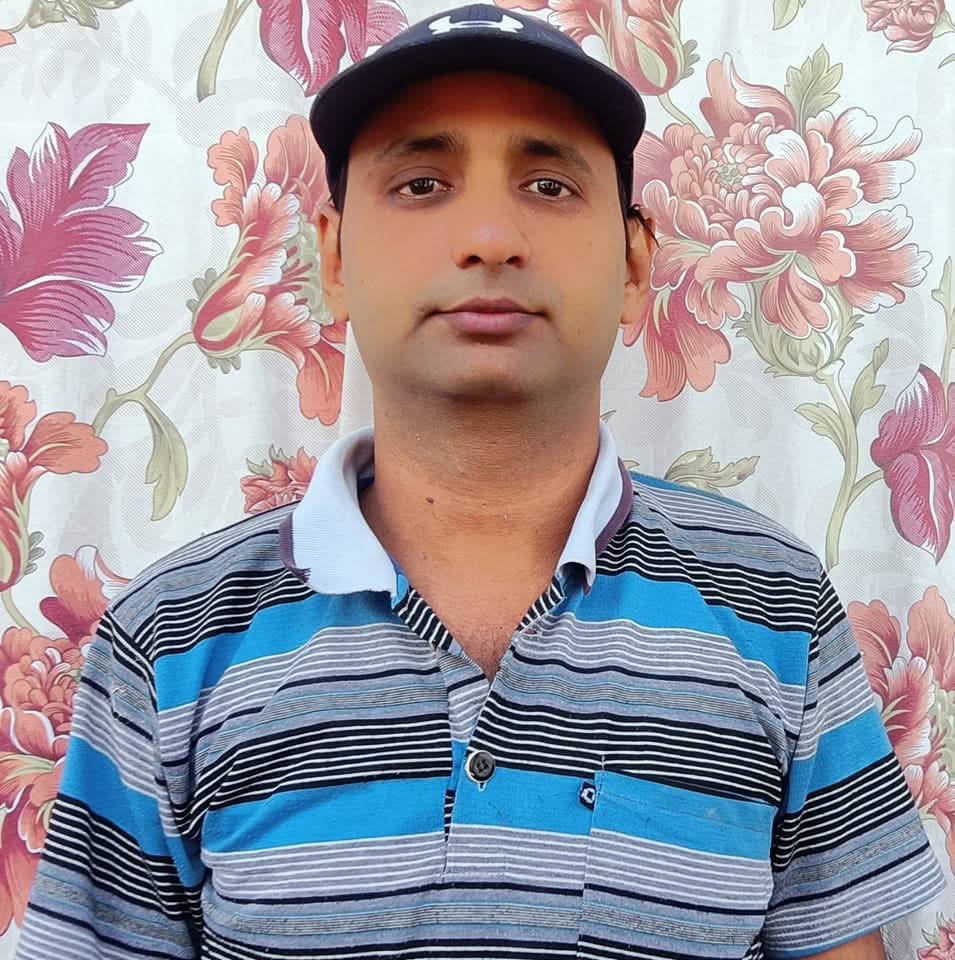
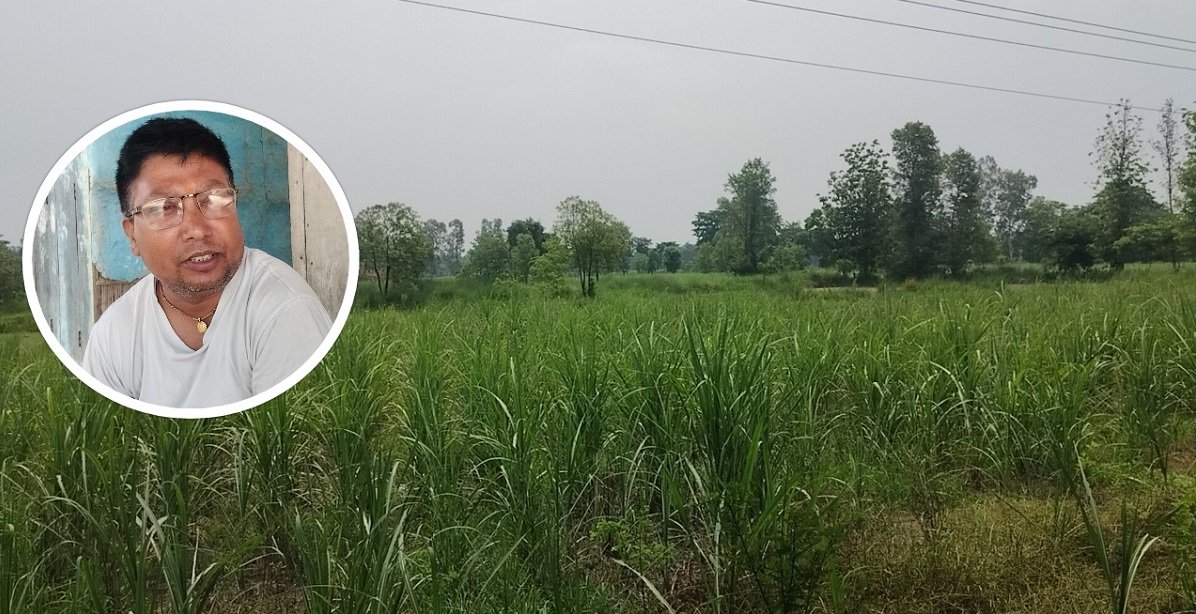
Janakpurdham. Ramdev Kushwaha, a 60-year-old farmer from Hatkatwa village in Dhankoul Rural Municipality, Sarlahi, has been cultivating sugarcane. He is frustrated due to the lack of necessary fertilizers during the farming season and delayed payments even after selling his produce.
He complained that there was a shortage of fertilizer at the time of planting sugarcane, and even now, during the weeding season, he cannot get fertilizer.
Like Ramdev, most sugarcane farmers in Sarlahi are currently suffering from fertilizer shortages and the problem of not receiving timely payments from sugar industries. The cost of cultivation is increasing, but farmers are not even receiving timely payment for the sugarcane they sell, let alone the necessary services and facilities. This has further increased their worries.
Sarlahi is considered one of the major sugarcane-producing districts in Nepal. In areas like Dhankoul Rural Municipality, Basbaria Rural Municipality, Ramnagar Rural Municipality, Godaita Municipality, and Balara Municipality, about 95 percent of farmers cultivate sugarcane. However, the problems associated with sugarcane cultivation have remained the same for years.
Sugarcane farmers have long been facing problems of fertilizer shortage, irrigation issues, lack of fair prices, and delayed payments from industries. Farmers complain that although leaders promise to solve their problems during elections, no practical change is seen.
Dhankoul farmer Ramdev Kushwaha said, 'We farmers are suffering. We don't get fertilizer on time when we plant sugarcane. After selling sugarcane, the mill owners don't pay on time.'
According to him, farmers have not been able to get the required amount of fertilizer during the most crucial time of cultivation. He stated that this directly affects production.
Ramvilas Yadav, a farmer from Godaita Municipality, shares a similar plight. 'Our local MP, Amaresh Singh, had promised during the elections to arrange timely fertilizer for farmers, but even now, we haven't received the amount of fertilizer we need. Fertilizer is available in the market, but through black marketeers. We have to pay between 1,200 to 1,800 rupees. They don't even allow us to bring it from India. The government cannot provide it on time. How can we expect good production in such a situation?' he said.
Farmers are forced to buy fertilizer at exorbitant prices. The inability of all farmers to afford this price is affecting production.
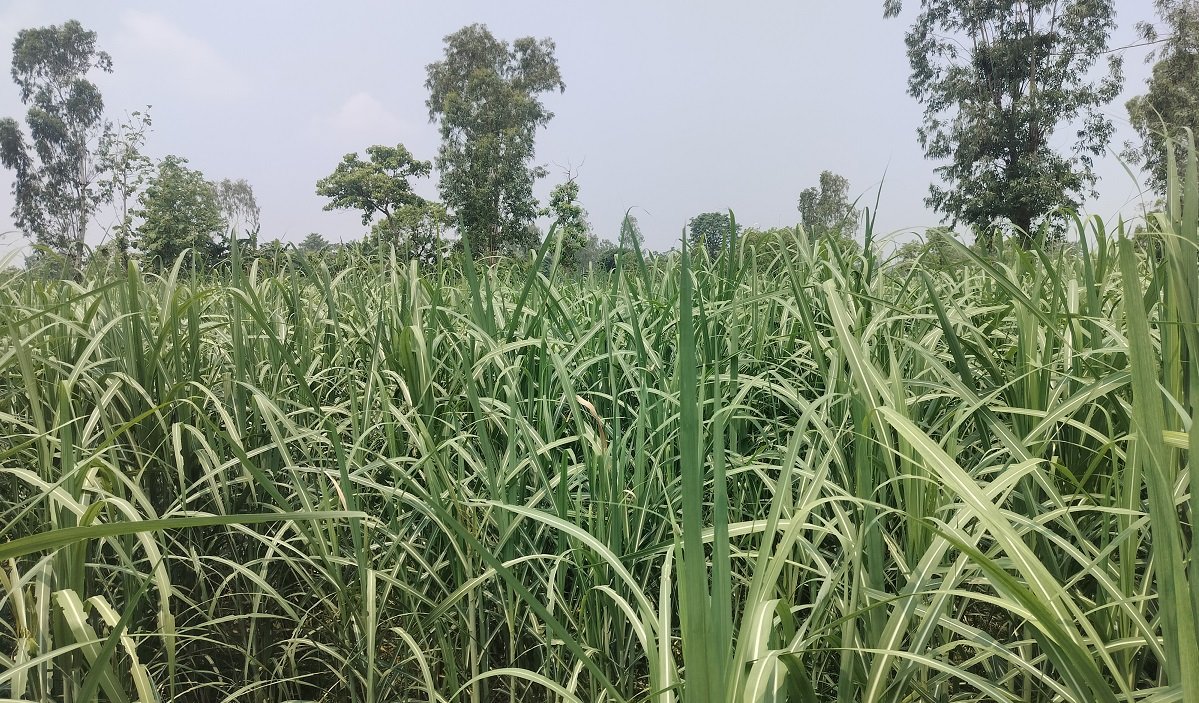
Haribhushan Singh, a farmer from Balara Municipality, expressed dissatisfaction with the current fertilizer distribution system. He said, 'Earlier, even without depots, we used to get fertilizer on time. Now, with the arrangement of depots, the problem has increased. Some individuals get plenty of fertilizer, but ordinary farmers don't get it even after standing in line. If good sugarcane is not produced, we don't get a fair price. Sugarcane cultivation is in crisis.'
Singh added that not receiving timely payment from sugar industries is another problem. 'We cultivate by taking loans. We hope to get money after selling sugarcane, but when the industry doesn't pay on time, it becomes difficult to repay the loan to the moneylender,' he said.
According to Sikindar Mahato, a farmer from Ramnagar Rural Municipality-2, the lack of chemical fertilizer during the main farming season has become the biggest problem for farmers. 'When we don't get fertilizer on time, sugarcane production decreases. We are very worried about the fertilizer shortage,' he said.
His mother, Ramsakila Devi, who dreams of making her sugarcane field lush green, is also disappointed by the fertilizer shortage. She said, 'Our desire is to produce good sugarcane and get a good price, but due to the lack of fertilizer, farmers are always worried.'
Local representatives are also aware of the farmers' problems. Ram Bahadur Sahani, Ward Chairman of Dhankoul Rural Municipality-2, said, 'I am also a farmer. There is a fertilizer problem, this is true. Local levels alone cannot solve this. The central and provincial governments must take this seriously.'
According to him, the issue that affects farmers the most is the fertilizer shortage.
Meanwhile, the Agriculture Knowledge Center Sarlahi has also acknowledged the fertilizer shortage in the district. Talking to RatoPati, Kamaldev Prasad Kushwaha, Chief of the Agriculture Knowledge Center Sarlahi, said there is a problem with fertilizer supply.
He said, 'There is a fertilizer shortage. It is currently the time to sow paddy seeds. We are unable to provide the required amount of fertilizer to the farmers. We are also unable to provide fertilizer to sugarcane farmers as per their demand. Whatever fertilizer comes, we have to distribute it among all farmers.'
Shital Sahani of Dhankoul-2 said that they cultivate sugarcane because wild animals like nilgai destroy other crops. 'Sugarcane cultivation is the main source of income for the family, but various problems associated with cultivation are discouraging farmers,' he said.
Sugarcane is cultivated over a large area in Sarlahi, Mahottari, Bara, and Rautahat districts of Madhesh Province. Sarlahi, in particular, is known as the main sugarcane-producing district, but forget increasing production, farmers are currently worried about saving their crops.
According to the farmers, the problems of fertilizer, seeds, irrigation, and fair prices have not been resolved for years. Governments have changed, policies have changed, but the condition of the farmers has not seen much change.
Sugarcane farmers have demanded timely provision of fertilizer, timely payment from sugar industries, determination of fair prices for produce, and long-term policies to solve agricultural problems.
The current problems in the agricultural sector also increase the risk of declining interest in sugarcane cultivation. If the situation where costs increase but income is not guaranteed continues, farmers will be forced to look for other alternatives, said agricultural expert Hridayanarayan Thakur.
This specific news has been automatically translated by AI. As a result, there may be some inaccuracies or language errors.