Trump-Netanyahu Tensions Complicate Iran Diplomacy Amid Shifting US Public Opinion
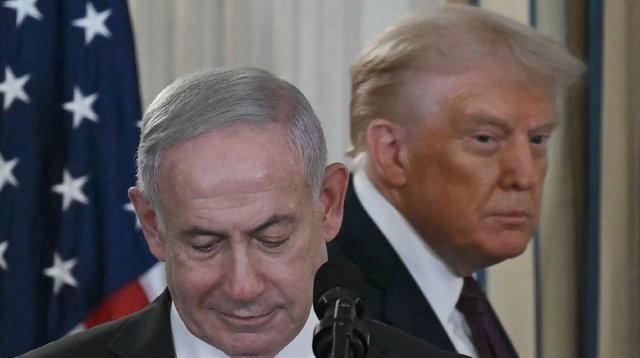
Washington DC. The alleged tense telephone conversation between US President Donald Trump and Israeli Prime Minister Benjamin Netanyahu has further complicated diplomatic dialogue with Iran.
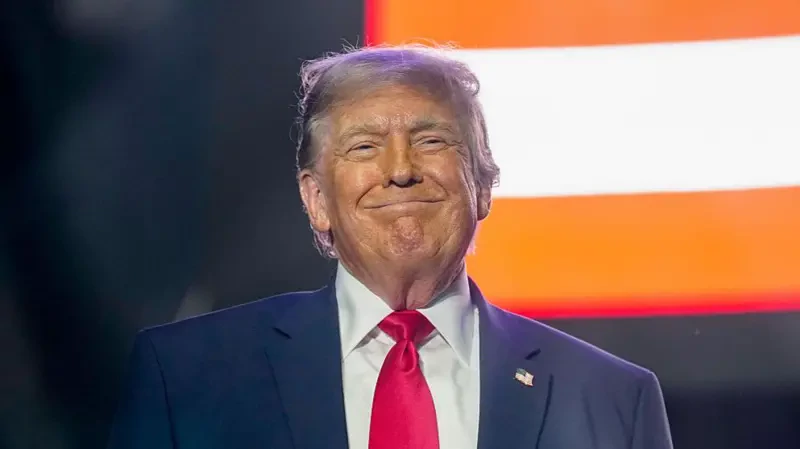
Axios, a US media outlet, claimed that Trump had called Netanyahu extremely crazy on the phone and accused him of ungrateful behavior towards him. Responding to a question about this, Trump admitted the core sentiment of the report.
'I wouldn't say I was angry, but I was somewhat dissatisfied with the issue of continuous fighting with Lebanon,' Trump said while speaking on a podcast called Pod Force One. However, he also stated that his relationship with Netanyahu was good and that he liked him.
Following Israel's intensification of military attacks in Lebanon, Iran has warned that it may suspend US-Iran talks. This could potentially set back Trump's efforts to end the war with Iran and advance negotiations for a new nuclear deal.
Meanwhile, Netanyahu has claimed that there are no serious problems in his relationship with Trump. 'Just like in a good family, there are sometimes strategic differences. We always find solutions and move forward as great friends,' he said in an interview with the American television network CNBC. He also mentioned that even if Trump and he disagree, they can agree again after some time.
However, according to political and diplomatic analysts, this incident may reflect growing dissatisfaction within the White House regarding the gap between Israel's and America's strategic objectives. According to Brett Bruen, former US diplomat and President of the Global Situation Room, Netanyahu has his own political and security agenda, which may not always align with Washington's priorities. He commented that Trump is now feeling the complex consequences after choosing the path of war with Netanyahu.
Although both the US and Israel agree on the goal of preventing Iran from acquiring nuclear weapons, their perspectives on the issue of Lebanon appear somewhat different. Israel states it will continue military action against Iran-backed Hezbollah, while Iran insists that any ceasefire agreement must include Lebanon.
Meanwhile, there has also been a shift in American public opinion. According to a recently released survey, approximately 60 percent of American citizens have a negative view of Israel. Before the start of the Gaza war in 2023, the number of people holding such views was 42 percent.
Some influential conservative leaders in America have also accused Israel of pushing the Trump administration towards war with Iran. However, the White House and the Israeli government have denied such accusations.
According to analysts, in the current political climate, Trump may feel the need to distance himself somewhat from Israel to appease domestic critics. Therefore, the recent disagreement between Trump and Netanyahu may not just be a personal misunderstanding but also a result of broader political and diplomatic pressures.
This specific news has been automatically translated by AI. As a result, there may be some inaccuracies or language errors.