Nepal Explores Economic Benefits from Forest Resources Through Carbon Trading

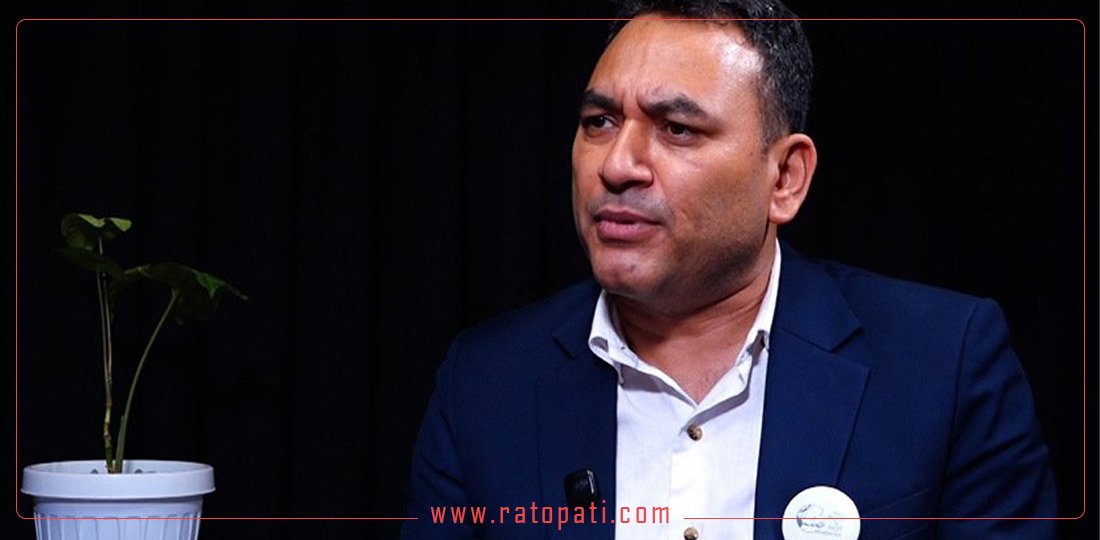
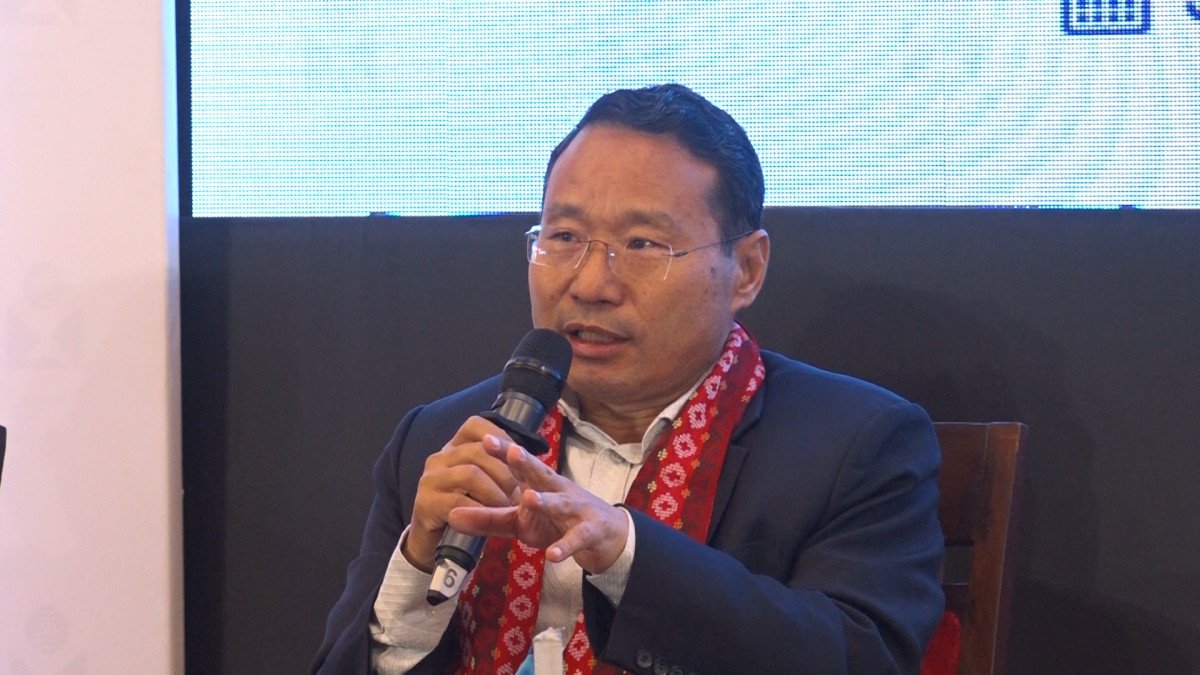
Kathmandu. Nepal has found a new way to convert its forest resources into economic benefits in mitigating the effects of global climate change: 'carbon trading'. This topic, which has also been given high priority in the upcoming fiscal year's budget, has generated much curiosity. What is carbon trading? How can Nepal earn foreign currency from it? How are the rights and interests of the local community protected in this? Here is an edited excerpt of the conversation with Navaraj Pudasaini, Joint Secretary at the Ministry of Forests and Environment and Chief of the REDD+ Implementation Center, focused on these contemporary and technical issues in Ratopati's 'Economic Edit':
There is a lot of discussion about 'carbon trading' in Nepal recently. It has also been prioritized in the upcoming fiscal year's budget. In simple terms, what is carbon trading?
In simple terms, forests absorb carbon from the atmosphere. We conserve carbon by protecting our forests. On the other hand, developed and industrial countries emit a lot of carbon. They purchase 'carbon credits' or compensation from countries like ours that conserve carbon, equivalent to the carbon they emit. Carbon trading is the buying and selling done by converting carbon sequestration and reduction into currency.
At what stage is the process of carbon trading in Nepal currently?
We have already prepared and submitted the Trees Monitoring Report regarding how much carbon we sequestered and how much emission we reduced in 2022 and 23. Our report has been approved there. Now, we need to get it verified by an independent third party.
How is this third-party verification or auditing process conducted?
We call this VVB. Only a few organizations like Ainor, Astle Global are accredited for this work worldwide. We have reached the final stage of selecting an organization through a tender process. They will come to Nepal and conduct an on-site evaluation of our documents, afforestation, forest conservation, and community participation.
How are the rights and interests of local communities, indigenous peoples, or women considered in carbon trading?
In carbon trading, not only technical aspects but also social and environmental safeguards are equally important. According to the Cancun Safeguards, it must be ensured that community rights are not violated, indigenous peoples, ethnic groups, Dalits, and women actively participate, and good governance is maintained. The auditor issues a certificate only after examining all these aspects.
The government has also talked about forming a 'Carbon Trading Authority'; why is this seen as necessary?
Currently, carbon trading activities are scattered across various ministries and agencies. Once the authority is formed, work will be done through a 'one-door system'. This reduces the risk of double counting, makes manpower skilled, and makes it easier for the private sector to enter this process. It is necessary to take forest, energy, agriculture, and all sectors' carbon projects in an integrated manner.
Nepal has set a target to reduce carbon emissions by 34.2 million tons in the next few years; how is this possible?
For this, we are working in five main areas: energy, waste management, forests, agriculture, and transportation. For example, efforts are being made to increase the use of electric stoves, promote hydropower projects, generate energy from waste (as is happening in Bharatpur), and prevent forest degradation. Through these efforts, we can meet the target according to international standards.
What are the main challenges you see in this sector?
The biggest challenge is the lack of technical capacity and skilled manpower. It is necessary to internalize carbon trading-related technology within the ministry and government agencies. Similarly, preventing double counting and preparing the infrastructure according to Article 6 of the Paris Agreement are also challenging. But we are moving forward positively in this direction.
In detail video
This specific news has been automatically translated by AI. As a result, there may be some inaccuracies or language errors.
_htFaNqpIDJ.jpg)