Nepal Delays Development Status Upgrade, Citing Financial Needs Over Confidence


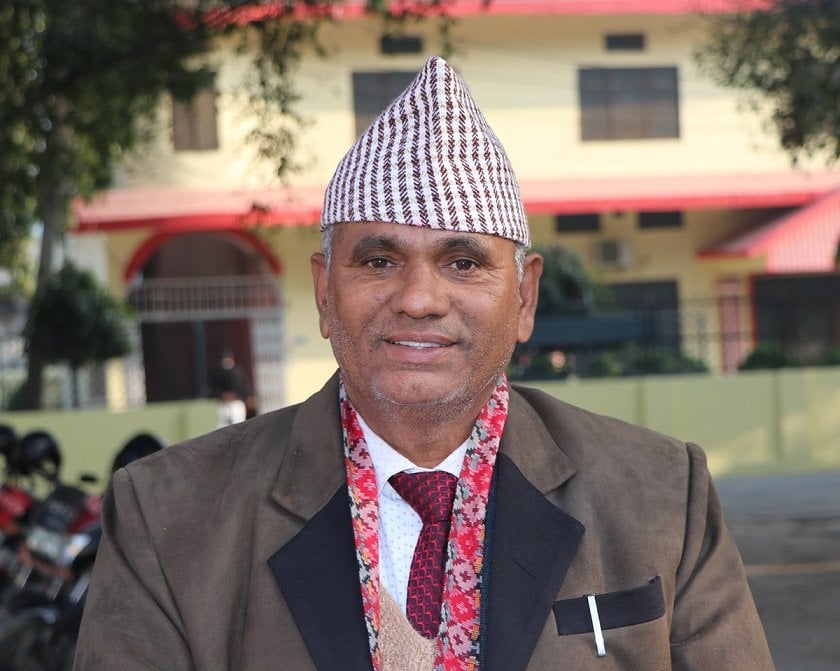
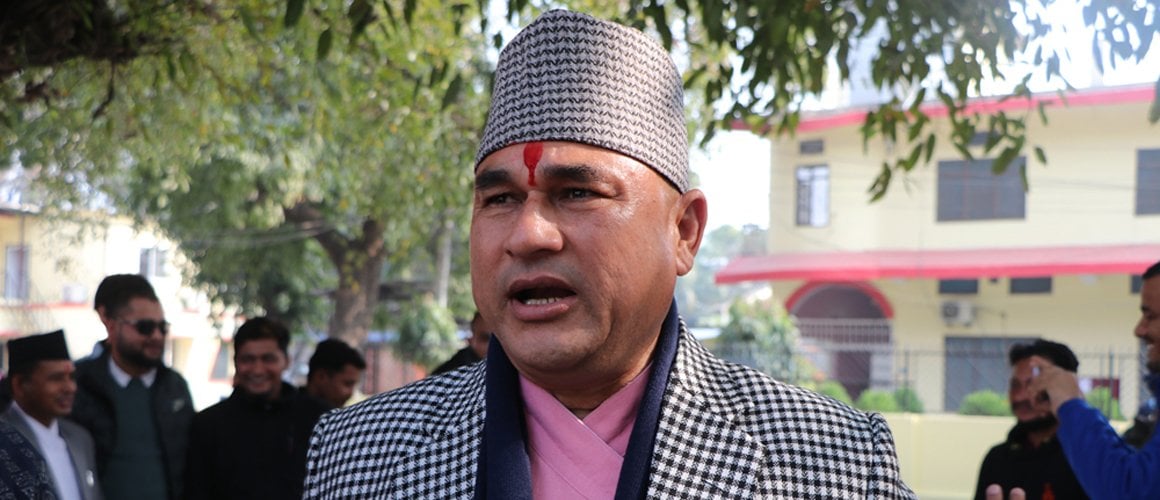
Kathmandu. On Sunday, Prime Minister Balendra Shah (Balen) cited China as an example, explaining why Nepal does not want to be upgraded from a least developed country to a developing country. Balen, who stood at the parliament's rostrum for the first time to answer questions from lawmakers, gave this answer to a question asked by Pramesh Hamal, a Member of Parliament from the Nepali Communist Party. Hamal, participating in the question-and-answer session, had asked why Nepal was avoiding the provision of remaining in the least developed country status instead of transforming into a developing country to increase self-confidence and self-esteem. In response, Prime Minister Balen stated that the country needs money more than self-confidence right now and that the upgrade is being postponed for two years strategically. 'Our neighbor China recently moved from developing to developed. But it is a country that has reached the pinnacle of development. I think the government needs to think about this strategically,' Balen said. 'We have postponed it for two years to get concessions in the trade we conduct. Right now, the country needs money more than building self-confidence.' Khushbu Oli, a Member of Parliament from the Rastriya Prajatantra Party, protested what Balen said. She stated that China has not yet reached a developed stage and is still a high-middle-income developing country. She even questioned what China would think after watching this address. Is China a Developing or Developed Country? Globally, countries are primarily classified into three stages of development: developed, developing, and least developed. Among these, the classification of least developed countries was done by the United Nations in 1971. There are 44 countries in the least developed country category. Among them, Nepal, Bangladesh, and Laos have become eligible for graduation from least developed country status. However, all three countries have stated that they do not wish to graduate immediately. But the UN has not formally stated whether a country is developing or developed. International organizations have their own demarcation lines. The World Bank classifies countries into four categories based on per capita income: low-income, lower-middle-income, upper-middle-income, and high-income countries. Similarly, the International Monetary Fund (IMF) classifies countries into two categories: emerging economies and developed economies. While these organizations prepare the basis for these classifications, they do not provide a list of countries falling under them. The World Trade Organization (WTO), on the other hand, relies on reports from the UN, World Bank, and IMF without making its own classification. Currently, countries on the list of least developed countries receive various benefits under the WTO agreement. This facility is mainly for concessions on customs duties for exported goods. This is also why countries like the United States and Europe have provided Nepal with duty-free facilities for various goods such as carpets and pashmina. However, it is not impossible to provide such facilities on a bilateral basis. On the other hand, developing countries tend to receive concessions from the WTO regarding technology transfer compared to developed countries. Similarly, there is a tendency to look leniently at developing countries on the issue of copyright, which is called 'Special and Differential Treatment.' This includes the ability to take time to implement the organization's agreements, gradually reduce some import duties, protect sensitive industries for some time, make special arrangements for the agricultural sector, and receive technical assistance on issues such as trade policy formulation, customs reform, quality certification, and export capacity development. However, recently, the United States has been demanding the withdrawal of such facilities. This issue has been raised since Donald Trump was first elected president of the United States. The US has long argued that China's receipt of such benefits is unfair. In the US view, it is not justified to provide special treatment to China, the world's second-largest economy, a major industrial power, and a huge exporter, as if it were a poor or small developing country. However, China has maintained that it is a developing country. But in 2025, China itself announced that it would not seek special and differential treatment in future trade negotiations. Despite announcing the renunciation of special treatment, it continues to claim it is a developing country. According to Chinese officials, the status of a developing member and the right to receive special treatment are not the same thing. Why Does China Call Itself Developing? China's strongest argument is income level and regional inequality. Despite being the world's second-largest economy, China's per capita income is still much lower than that of many developed countries. While China's eastern coastal regions are highly developed, the inland and western regions still face development challenges. Although millions of people in China have entered the middle-income bracket, due to its vast population, the overall level of development has not reached that of developed nations. For this reason, China argues that it should be categorized as a developing country. At a press conference at the time of the announcement, Li Yihong, senior representative of China's permanent mission to the World Trade Organization in Geneva, said, 'This decision does not change China's status as a developing country. China is an important member of the Global South and will always remain a developing country.' From this perspective, the statement by Nepal's Prime Minister Balendra Shah that China is a developed country appears incorrect. However, the United States does not accept this argument from China. From the beginning, the Trump administration had accused China of unfairly benefiting from its developing country status. In 2019, the US demanded in discussions on WTO reform that major economies like China and India should give up the special benefits meant for developing nations. The US argues that if a country is the world's second-largest economy, plays a major role in global trade, and can invest and lend worldwide, it should not receive special concessions meant for developing countries. Why Don't Countries Want to Move Up? Moving out of the least developed category is considered a significant achievement in a country's development journey. However, some benefits are also lost with this. For this reason, some countries have been cautious in their graduation process. Since the classification began in 1971, only eight countries have graduated from this list: Botswana, Cabo Verde, Maldives, Samoa, Equatorial Guinea, Vanuatu, Bhutan, and Sao Tome and Principe. Although Nepal, Bangladesh, and Laos are currently sufficient for graduation, they are pushing it back due to the fear of losing export benefits and not receiving concessions on loans from institutions like the World Bank. Given that Nepal's exports are not very large, it does not have to pay as high a price as countries like Bangladesh. Therefore, Nepal was ready for graduation until the last moment, but after the formation of the new government, it has recommended postponing this period for two years.
This specific news has been automatically translated by AI. As a result, there may be some inaccuracies or language errors.
_jxKX1kXOlf.jpg)