Siraha Administration Destroys Confiscated Student Mobile Phones in Water, Sparking Legal Debate

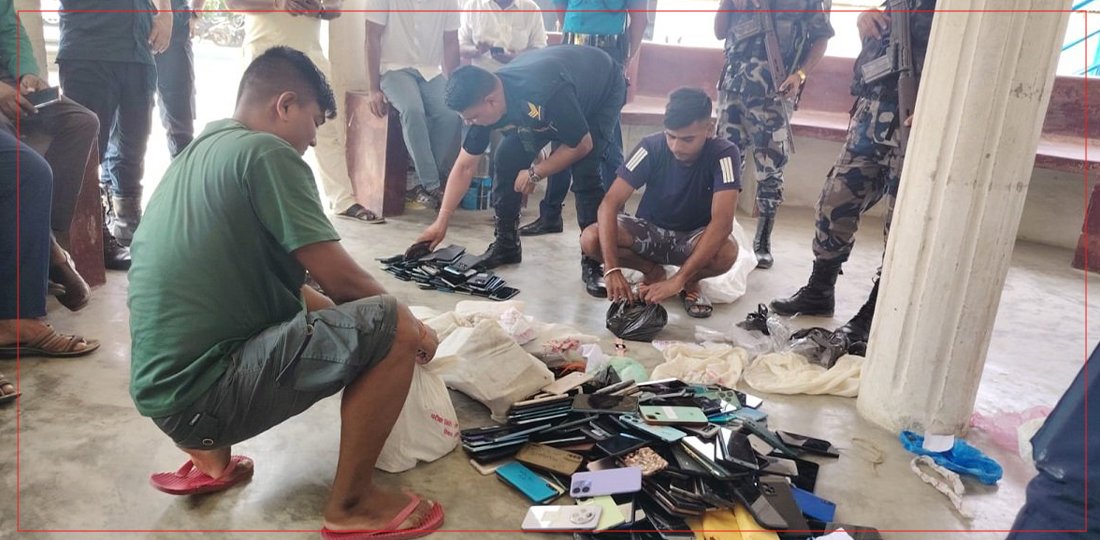
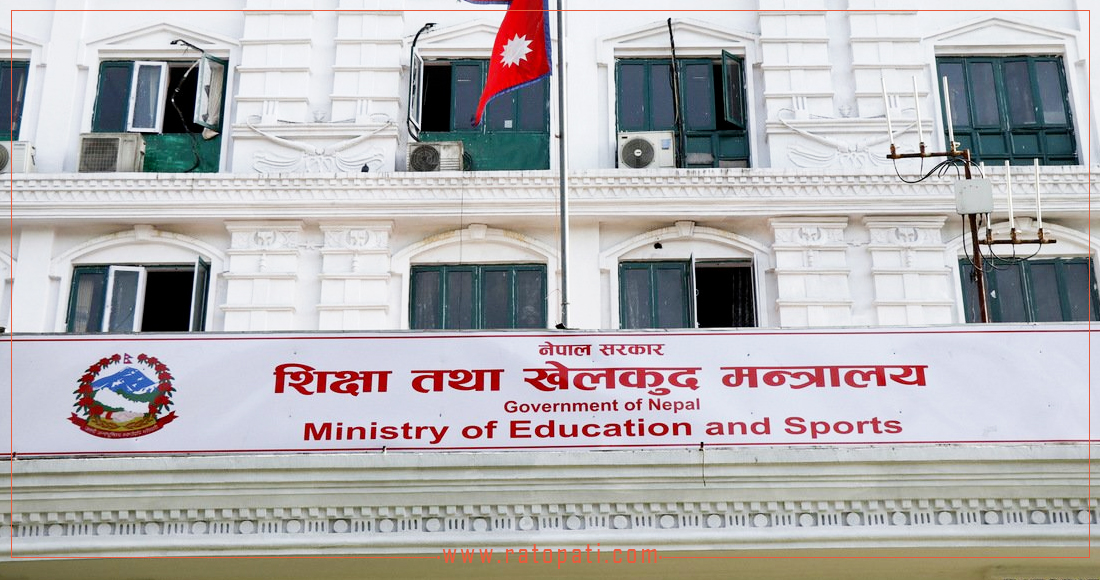
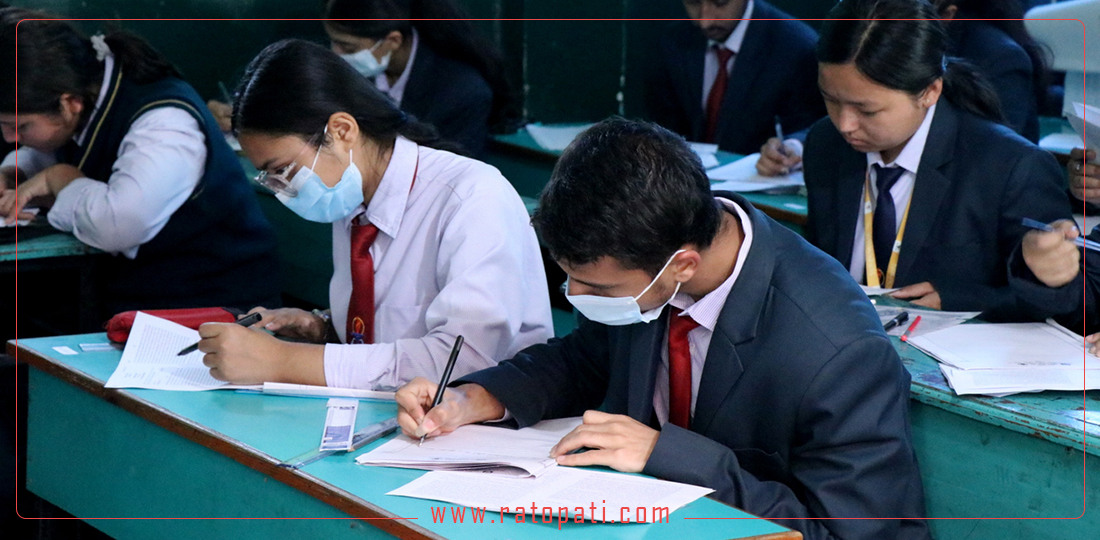
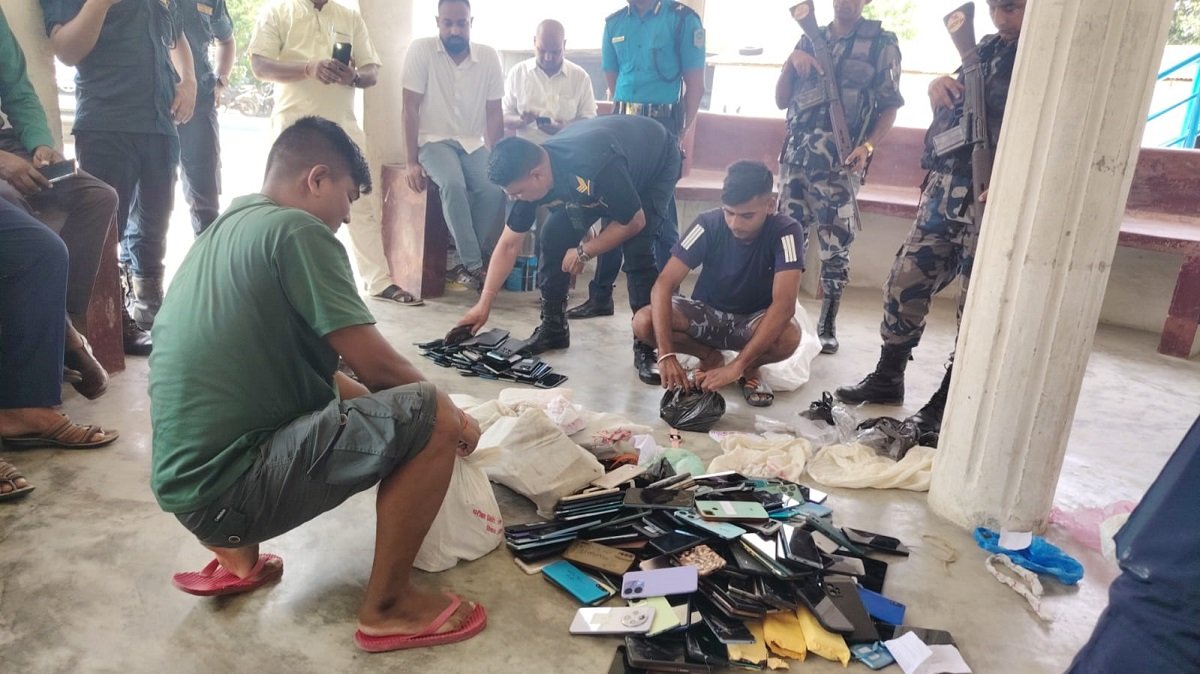
Kathmandu. The District Administration Office, Siraha's act of destroying confiscated mobile phones of students participating in SEE and Grade 11-12 exams by submerging them in water is being discussed. Questions are being raised whether confiscated mobile phones of students participating in the exam should be destroyed.
Previously, confiscated mobile phones were returned to the concerned students after the exam. While mobile phones were provided to examinees after the exam with a warning in the past, questions have arisen after mobile phones confiscated from students in the SEE exam held in Chaitra and the Grade 12 exam held in Baishakh last year were destroyed.
The mobile phones were destroyed by a decision of the Madhesh Province Examination Operation Committee and the Siraha District Examination Coordination Committee. After the mobile phones were confiscated, the then Education Minister of Madhesh Province, Rani Sharma Tiwari, had announced that mobile phones used would be destroyed. Although she announced that mobile phones used in the exam would be confiscated and destroyed, there appears to be no clear legal provision in the law to destroy confiscated student mobile phones.
Advocate Bikash Bhattarai states that confiscating and destroying student mobile phones by submerging them in water is against the law. The constitution clearly states in Article 25 that every person has the right to property, but Advocate Bhattarai says that no one has the authority to destroy confiscated mobile phones based on a meeting of an examination committee.
According to him, compensation should be recovered from the concerned body that made the decision and the police officers who destroyed the confiscated mobile phones. 'No body of the state has the right to destroy someone's property,' Advocate Bhattarai said, 'There is a clear path for those students to file a lawsuit seeking compensation for the destruction of their mobile phones in the future.'
According to Advocate Bhattarai, if a lawsuit is filed in court in the future regarding the decision to destroy student mobile phones based on a provision not found in the law, serious legal questions may arise.
Nepal's Education Act, 2028, provides for punishment for unfair practices in exams. According to Section 17 of the Act, those who violate exam discipline, breach question paper confidentiality, or engage in unfair practices can be fined up to one lakh rupees or imprisoned for up to six months, or both. Students can also be expelled from the exam. For other violations, a fine of one thousand to twenty-five thousand rupees can be imposed, but this Act does not grant the authority to confiscate and destroy a student's private property anywhere.
Destroying someone's property without a clear legal provision is 'administrative arbitrariness.' It is unclear on which law, act, or regulation the former minister's announcement was based.
Article 25 of Nepal's Constitution guarantees the right to property for every citizen. It states: 'Every citizen shall have the right to acquire, own, sell, and otherwise transact property, subject to law.'
The state must provide due legal process and public interest justification to seize or destroy someone's private property. Prohibiting mobile phones in exams is one thing, but destroying confiscated mobile phones is a direct attack on an individual's fundamental rights. 'There is the rule of law in a democracy, not the rule of individuals. The verbal announcement or decision of a minister or a committee cannot be above the law. The act of police and administration acting against the law based on a minister's order is seen as mocking the rule of law,' said Advocate Bhattarai.
He stated that it does not seem justifiable to choose the path of destruction when the administration has options like confiscating mobile phones and returning them after the exam or handing them over to parents after paying a certain fine.
If any student or parent goes to court seeking compensation, it will be difficult for the government and concerned officials to legally defend it. If state bodies are found to have taken the law into their own hands instead of adhering to it, departmental action may also be taken against the involved officials.
This specific news has been automatically translated by AI. As a result, there may be some inaccuracies or language errors.