Nepal's EV Tax System Faces Challenges Due to Lack of Testing Facilities and Standards


The use of electric vehicles (EVs) is rapidly increasing in Nepal. EVs are an important opportunity for Nepal in terms of environmental protection, reducing fuel imports, and promoting modern transportation. In this context, the government determines customs and taxes for EVs based on 'motor peak power'.
This system can be considered a positive step towards a modern concept of tax determination based on motor capacity, similar to the traditional engine capacity (cc) based tax system for EVs. However, due to the practical lack of reliable testing facilities, lack of uniformity in measurement methods, and a weak technical certification system, this policy has become a subject of controversy, confusion, and administrative challenges.
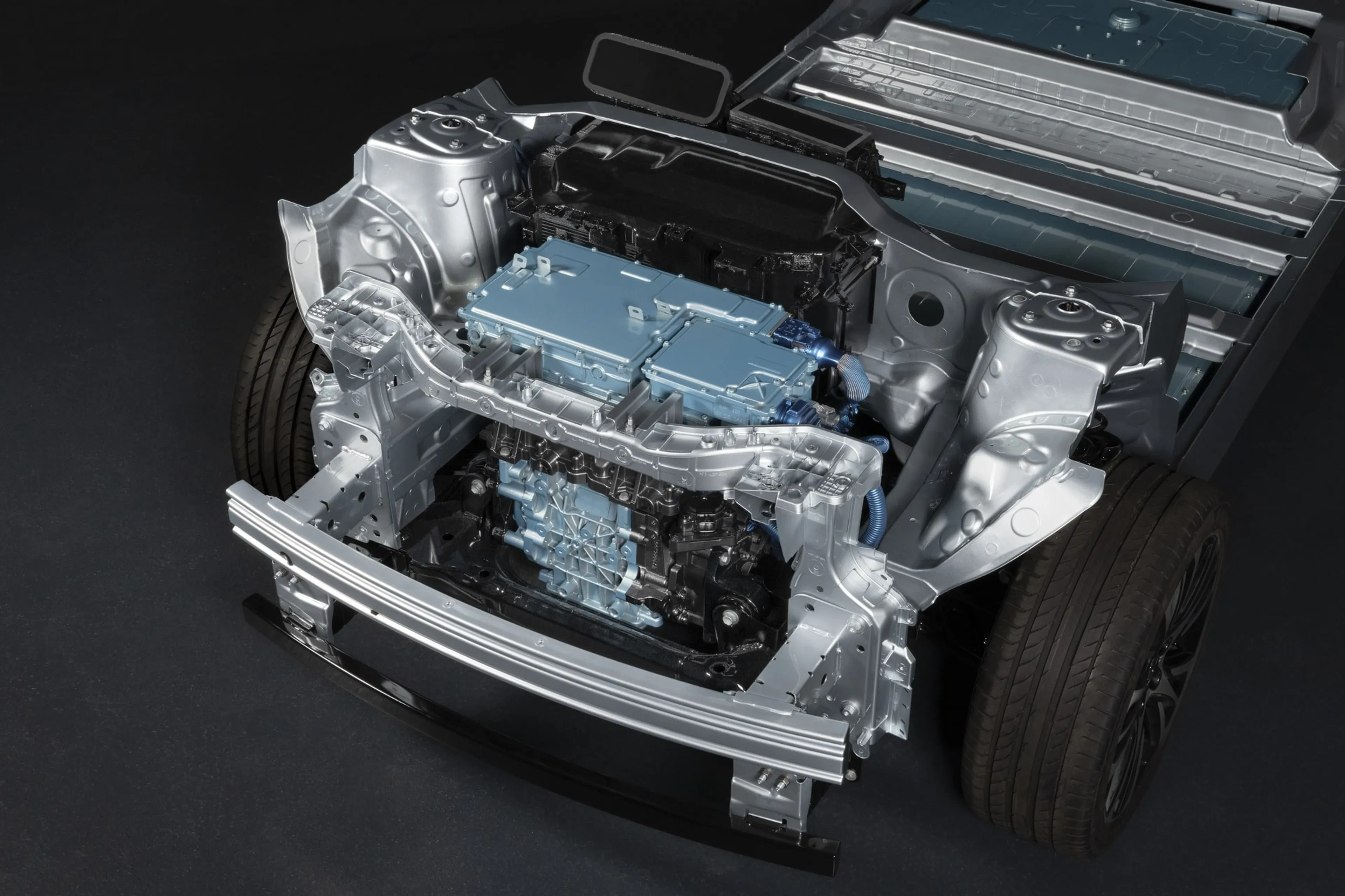
Continuous or rated power is the power a motor can safely deliver continuously for a long time, whereas peak power is the maximum capacity available for a limited time.
- Motor Peak Power
The maximum power (maximum output) that a motor used in electric vehicles (EVs) can produce for a short period is called 'motor peak power'. When a car accelerates rapidly, climbs uphill, or overtakes, the motor provides high power for a short time; this is considered peak power.
This is different from the engine's continuous or rated power. Continuous or rated power is the power a motor can safely deliver continuously for a long time, whereas peak power is the maximum capacity available for a limited time. Therefore, even if the rated power of the same motor is low, the peak power can be high.
Generally, peak power is determined by testing at high RPM. In this process, technical aspects such as motor temperature, battery condition, internal resistance, and current capacity are also calculated and evaluated.
The motor control unit (MCU) or computer control system in an EV controls how much electrical current is supplied to the motor by the hardware and software system. This electrical current limit determines the motor's peak power. Its setting is predetermined by the manufacturing company when the vehicle is produced.
Generally, since this system is permanently set by the manufacturing company, importers or dealers cannot change it at their discretion.
Currently, in Nepal, the customs and tax classification of EVs is mainly based on this peak power. Vehicles with lower peak power are subject to lower taxes, and vehicles with higher peak power are subject to higher taxes. Additionally, companies worldwide use peak power as an important indicator in terms of EV capacity, segment, and market competition.
A central testing center should be established to conduct integrated testing of both EVs and ICE vehicles.
- Challenges in the Nepali Context
Some significant practical challenges have emerged in the implementation and evaluation process of EV-related policies in Nepal.
First, government agencies lack adequate modern laboratories, testing equipment, and certified testing facilities, making it difficult to independently certify vehicle motor power, performance, and technical specifications. This situation has created a lack of a reliable basis for the technical evaluation of imported vehicles.
Second, there is a growing tendency to doubt the technical documents submitted by importing businesses, but the lack of formal testing infrastructure to confirm or refute these doubts has further complicated the process. This has created a trust deficit between businesses and government regulatory bodies.
Third, although many electric vehicles with motor power below 100 Hz are suitable for Nepal's geographical conditions (uphill, downhill, and narrow roads), such vehicles also face unnecessary delays and scrutiny. This is hindering the use of effective transportation solutions.
Furthermore, a lack of clear and consistent communication on technical matters between auditing bodies and customs administration has led to misunderstandings in policy implementation, causing businesses to experience unfair treatment.
All these reasons have created overall uncertainty in the EV import and business environment, which is likely to negatively impact the goals of EV promotion and green transportation policy in the long run.
Although Nepal's EV tax system is based on motor peak power, practical challenges have arisen due to the lack of technical testing facilities, uniform standards, and digital certification systems.
To make the EV market in Nepal organized, reliable, and sustainable in the long term, the following improvements should be adopted:
Formulate Clear Policies: Specifically, for small four-wheeled electric vehicles, making multiple parameters such as size, dimensions, height, ground clearance, mileage, and range the basis simultaneously can lead to a complex, unequal, and difficult-to-implement system.
Therefore, it seems practical to formulate clear policies with motor peak power as the primary indicator. It is necessary to formulate clear and uniform policies with motor peak power as the main criterion.
Under this, classifying electric vehicles with less than 100 kWh peak power in a lower tax bracket can create a more practical and balanced policy in line with Nepal's geographical conditions, road structure, and average income level.
Furthermore, the increased use of such small and similar EVs will ensure uniformity among users and help make traffic management simpler and more effective.
Transparent Testing: To make the technical evaluation of EVs in Nepal reliable and transparent, establishing a government or accredited EV testing center with modern equipment is essential. Such a center can test and officially certify motor power, battery performance, energy efficiency, and other technical specifications according to uniform standards.
This will not only increase trust between importers, regulatory bodies, and consumers but also help reduce the current doubts and confusion. It will also help implement modern and scientific testing systems, ending the unscientific practice of testing diesel-petrol vehicles only on uphill roads.
In the initial phase, a central testing center should be established to conduct integrated testing of both EVs and ICE vehicles. Additionally, technical personnel can be hired on contract from the private sector for the immediate testing work. In the long term, a policy is needed to develop skilled technical personnel for the testing system by conducting short-term training.
Subsequently, laboratories and testing branches can be gradually expanded at customs points, and workshops capable of testing both EVs and ICE vehicles can be developed at key locations, gradually decentralizing and strengthening the national testing system.
_WrkBrhMiic.jpg)
Digital System: It is advisable to introduce an online digital system in Nepal that allows easy verification of the authenticity of laboratory reports and certificates submitted by importers. Each document will be given a QR code or a special ID, which the relevant authority can view online and verify immediately.
This will help prevent fake documents, speed up the process, and make all operations transparent. Furthermore, coordination between customs and other government agencies will improve, making the testing and evaluation system for EVs and other goods smoother and more reliable.
Fast-Track Verification: In Nepal, it is necessary to implement a short-term 'fast-track verification' process for the import of small and technically simple electric vehicles to avoid unnecessary delays.
Under this, customs procedures can be completed in a shorter time for eligible vehicles by quickly checking basic documents and technical specifications. This will encourage valid imports by reducing unnecessary complex procedures, reducing both business costs and time, and making the overall import system faster, simpler, and more effective.

When new vehicles are imported and registered in Nepal, the COP (Conformity of Production) is official proof that the vehicle meets the safety, quality, and emission standards of the Government of Nepal. New vehicles cannot be registered or transferred without COP. This ensures that the vehicle meets standards such as emissions, roadworthiness, and type approval.
If the COP certification process is managed at customs, the process will be much faster, smoother, and more effective. This will save importers time and cost, help control irregularities, and further organize the legal import system.
- EV Promotion Policy
The Government of Nepal needs to implement a 'Accessible, Affordable, and Quality EV Promotion Policy' to encourage the sustainable development, expansion, and use of electric vehicles. Its objective is to ensure easy access to safe, reliable, and practical electric vehicles targeting citizens with average incomes, while also reducing dependence on fuel imports, increasing energy efficiency, and mitigating environmental pollution.
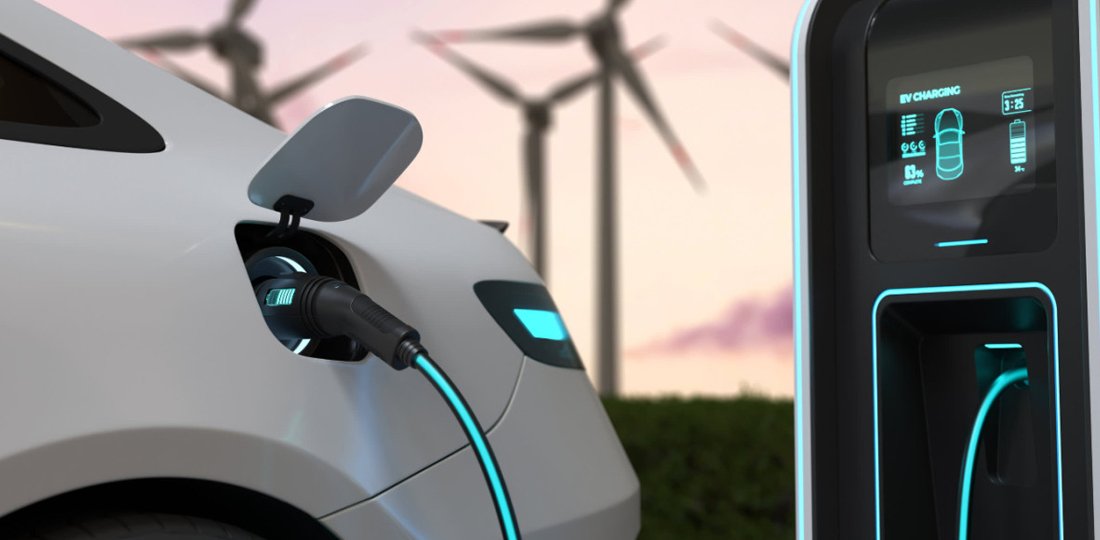
Such a policy should include direct tax exemptions on the import and sale of electric vehicles, concessional loan facilities, low-interest loans, and easy installment plans. This will reduce the initial financial burden on consumers and help increase the adoption rate of EVs.
Priority should be given to electric vehicles with 40-100 Hz peak power, as these vehicles are suitable, balanced, and reliable for daily commuting within cities as well as for long-distance highway and hilly terrain travel.
Furthermore, necessary technical standards will be mandatorily implemented to ensure the quality, safety, and durability of small and medium-capacity EVs. This will ensure the availability of not only cheap but also quality and safe vehicles.
Through the effective implementation of this policy, significant contributions are expected in the development of a sustainable, environmentally friendly, and modern transportation system in Nepal.
- Transparency in Information Dissemination
The media can play an important role in disseminating transparent and factual information about EV policies, tax systems, and technical evaluations in Nepal. Instead of spreading unnecessary accusations or misinformation about businesses, the media's positive use is necessary to build public opinion on real facts, technical basis, and the need for policy reforms.
This will not only build trust between the government, regulatory bodies, and the private sector but also help advance the necessary reform policies for EV promotion in the right direction.

Although Nepal's EV tax system is based on motor peak power, practical challenges have arisen due to the lack of technical testing facilities, uniform standards, and digital certification systems.
To solve these problems, it is necessary to implement transparent test centers, COP and verification arrangements at customs points, a digital document system, and a fast-track process. This will make the tax system simpler, more transparent, and effective, promoting sustainable EV imports.
Ultimately, if these reforms are implemented, the EV market in Nepal will become organized, reliable, and sustainable in the long term, which will significantly contribute to the national economy, environmental protection, and the development of a modern transportation system.
This specific news has been automatically translated by AI. As a result, there may be some inaccuracies or language errors.
_jxKX1kXOlf.jpg)