Nepal Celebrates 19 Years of Federal Democratic Republic

Kathmandu. Nineteen years have passed since the establishment of Federal Democratic Republic in Nepal. Based on the day the republic was declared in 2065 BS, Republic Day has been celebrated every year on Jestha 15th since then. This day is remembered as a historic occasion when monarchy ended and a new Nepal was shaped.
The historic 19-day People's Movement of 2062/63, with the participation of seven major political parties and the rebel Maoists, forced the monarchy to its knees. Not only was the then King Gyanendra Shah forced to kneel before the People's Movement, but he also agreed to reinstate the dissolved House of Representatives and was ready to move forward according to the wishes of the political parties and the people. On Jestha 15, 2065 BS, the first meeting of the Constituent Assembly declared the end of the absolute monarchy of 240 years and proclaimed the Federal Democratic Republic.
On the foundation of the republic, the new constitution was promulgated by the people's representatives through the Constituent Assembly in 2072 BS, and the country is moving forward accordingly. Currently, three tiers of governments are active. However, even after 19 years of the establishment of the republic, there is a growing public complaint that the leaders leading the government are not showing interest in addressing the increasing hopes and expectations of the people. Due to this indifference of the state operators, despair among the public has continuously increased, along with unemployment and corruption.
_7B0qcNszfN.jpg)
In the past 19 years, the people have given the responsibility of running the state to the political parties who contributed to the republic. However, they have been continuously engaged in the heinous game of forming and dissolving governments rather than the welfare of the general public. After 2065 BS, 14 governments were formed, including those led by Balen, Sushila Karki, and Khilraj Regmi. However, instead of good governance and corruption control, only nepotism and favoritism have flourished. As a result, citizens have had to question the system itself. With this support, the issue of restoring the monarchy has also been raised from time to time.
During this period, the people have given mandates to the Nepali Congress, CPN-UML, and the then Maoists to run the government in turns. However, as they prioritized power struggles over the spirit and meaning of the republic, not only did public trust in them diminish, but they were also removed from power and the keys to state power were handed over to the new party, Rastriya Swatantra Party.
- Weaknesses of Those in the Driving Seat of the Republic
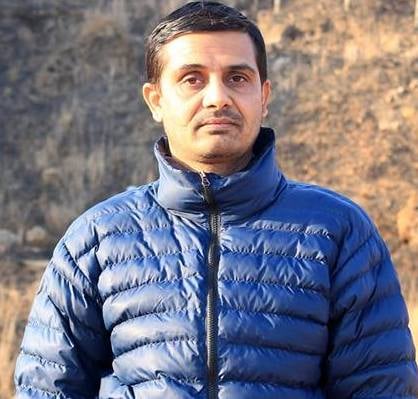
Lekhnath Neupane, a leader of the Communist Party of Nepal (CPN), states that the public's faith in the republic has not diminished. Neupane says that questions are raised about the system due to the working style of those who are in the driving seat of the republic and operate the state.
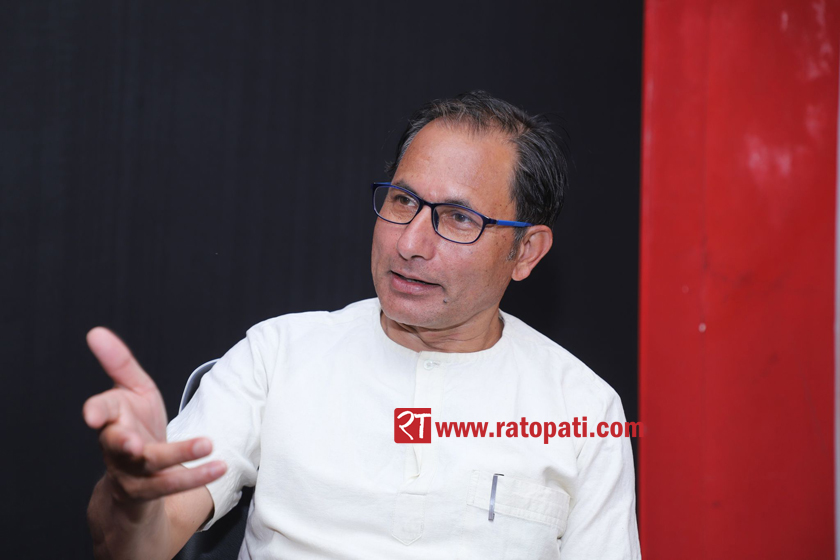
“It doesn't seem that the republic itself is unacceptable. But, it can be understood that adverse conditions are being created,” Neupane says, “When parties and leaders lack the culture, relationship with the public, and delivery, such arguments naturally arise.” He says that the experience of the 19-year republic period makes it impossible to ignore the objective reality that negative views have been formed primarily due to the parties and their leaders in the driving seat.
“It is true that they have not wanted or been able to understand where Nepali society is going and between which forces struggles are taking place,” said leader Neupane, “Because without understanding where society is going and what it wants, it is impossible to reach the correct destination by being in the driving seat. This is what is happening now.”
He states that the overall life, behavior, daily routine, and relationship with property of the forces who fought for the republic and those currently in the driving seat are not different from those in the driving seat before the republic. “The public's dissatisfaction is that we have not been able to follow a life, behavior, and culture conducive to the republic,” Neupane said.
He admits that after the republic, there was a lack of focus on institutional development and delivery as much as needed. “Another thing is, those who fought for the republic never showed the desire to bring about changes in the state institutions according to the changed culture,” he says, “We did not work in that direction. When work is not done, the delivery from old institutions did not match the new political expectations and circumstances.”
According to Neupane, in recent days, the political parties and their leadership, who are considered proponents of the republic, have become marginalized due to their inability to sustain themselves on moral grounds.

Guru Raj Ghimire, General Secretary of the Nepali Congress, also admits that the stakeholders have not moved by focusing on objectives and goals. “Especially after the change of system, those who get the responsibility of running the state get entangled in self-interest,” Ghimire told RatoPati, “It has been observed since 2046 and 2062/063 that they have not worked by rising above self-interest and focusing on prior declarations and commitments.”
Leader Ghimire states that the tendency to consider it as just a normal change of power, even after major and historic political changes, has become dominant within the old and traditional parties. “Therefore, such tendencies and individuals are to blame,” Ghimire said, “The concept of power has not risen above the party obtaining it, leaders within the party obtaining it, winning elections, and reaching a certain position. Those who call themselves the carriers of the republic have become victims of this, leading to the current situation.”
Ghimire said that since a new government led by a new party (RSP) was formed in the country after February 2082 BS under this system, the public has expectations from the new party and government accordingly. “However, looking at the trend of the new government, there are no signs that it will perform any great miracles or work according to public expectations,” said Congress leader Ghimire.
Ghimire stated that the republic should have its own unique character, which means bringing about changes in the living standards of the people in a way they can feel. “It involves making the daily lives of citizens easier and ensuring they receive services from the state easily,” Ghimire said, “Although old parties have lost trust due to their inability to act according to the trust they received in the past, the system cannot be blamed. Rather, the weakness of those who were in the driving seat can be attributed.”
Sherdhan Rai, Secretary of the CPN-UML, holds a different view from Neupane and Ghimire. According to Rai, many development works have been done in the country after the establishment of the republic. “No one can deny that the major old political parties have played a key role in establishing the Federal Democratic Republic,” said Secretary Rai, “It was the old parties that made the Nepali people sovereign by establishing the republic.”
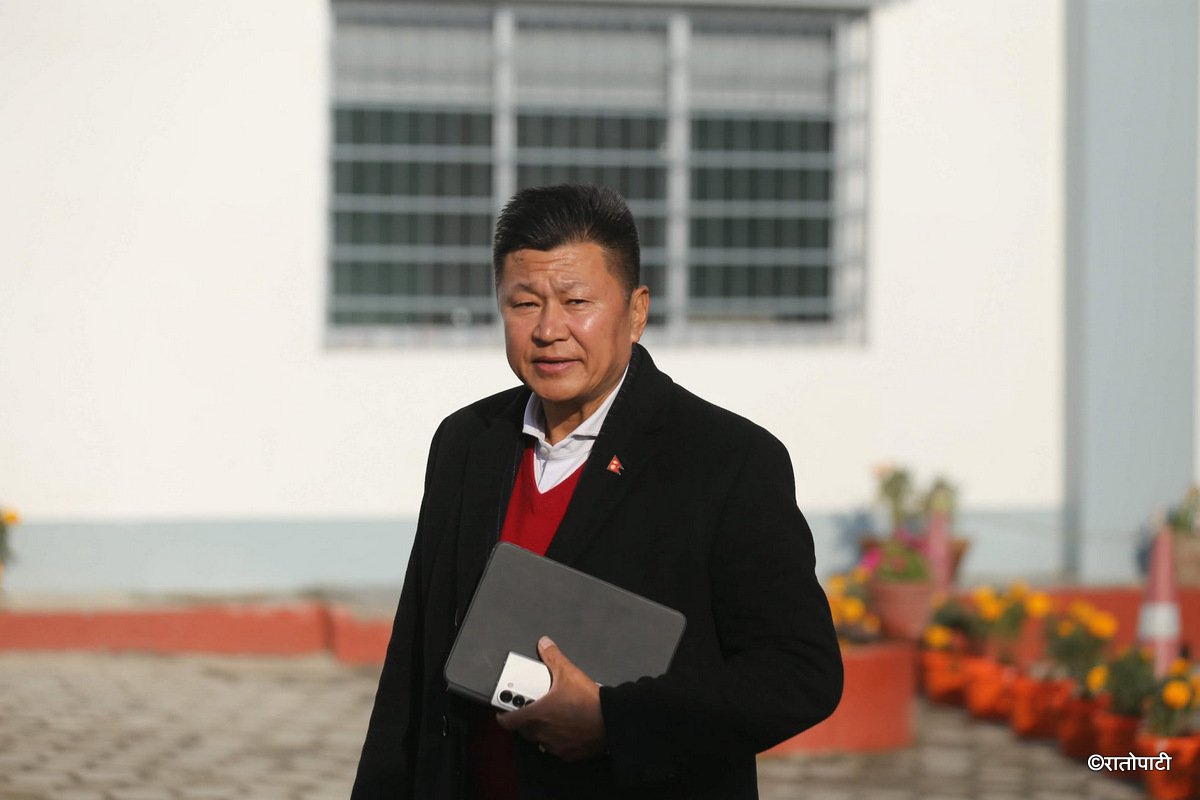
Despite this, Rai states that negativity is being spread about the republic due to a large section that does not see good things and engages in negative propaganda.
Secretary Rai admits that the inability of the parties to dismantle the old mechanisms of corruption has given an opportunity for such elements to operate. “The inability to dismantle the old corruption mechanisms has been a major weakness,” Rai said, “The political leadership has had to bear the blame for not being able to dismantle the permanent mechanisms for providing services to citizens and establishing good governance.”
He stated that it is like a “jackal ruling in a tiger's skin” and that the republic will never be in danger from the old political parties. “If there is a threat to the republic, it is from those who are currently trying to violate, trample, and abolish the constitution; those who are acting vindictively by violating constitutional procedures and laws,” Rai claimed.
- ‘Integrity, Values, and Conduct Change to Enhance Dignity’
President Ram Chandra Paudel has stated that everyone must work together with changes in political integrity, values, and conduct to protect the dignity of the republic and make it more prosperous. Addressing a ceremony held at Tundikhel in Kathmandu on the occasion of the 19th Republic Day, President Paudel also reminded that the historical responsibility cannot be fulfilled by forgetting the moral boundaries of the republic.
“It has its own values and moral boundaries, and by forgetting them, we cannot fulfill the historical responsibility,” President Paudel said, “May this day inspire us to move forward in the highest and meaningful practice of Federal Democratic Republic with social justice, development, and prosperity, and to align politics, state, and governance within the limits of morality, integrity, and values.”
This specific news has been automatically translated by AI. As a result, there may be some inaccuracies or language errors.