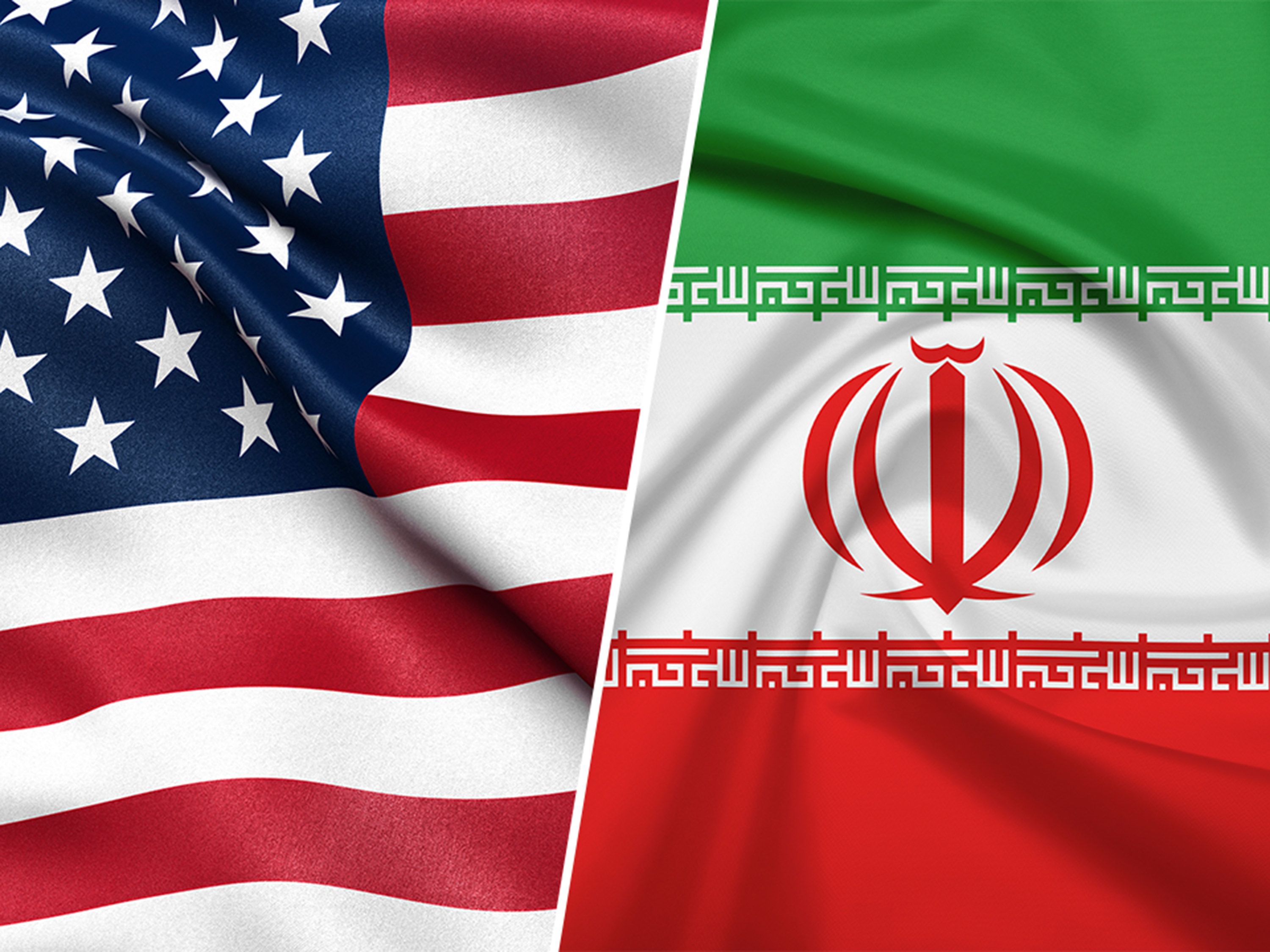
US Senate Passes Resolution to Limit President Trump's War Powers Against Iran


Washington DC. The US Senate has passed a proposal to limit President Donald Trump's war powers. After seven failed attempts, the Senate has finally passed a procedural proposal that could prevent the use of military force against Iran without congressional approval.
The proposal was passed 50-47 in a vote held on Tuesday. With some Republican senators voting with the Democrats, this has been seen as a rare political challenge to Trump.
The vote result has been analyzed as indicating growing dissatisfaction within the Republican party regarding the war with Iran. Some Republican senators also appeared concerned, citing the lack of clear signs of the war ending, the fragile state of the ceasefire, and the impact on the global energy market and domestic inflation.
"This is like a child playing with a loaded gun," said Democratic Senate Minority Leader Chuck Schumer, strongly criticizing Trump before the vote. He stated that US troops should be withdrawn from the war with Iran and that now is the appropriate time to support the War Powers Resolution.
According to the constitution, who has the authority to declare war?
This proposal has re-energized the debate that according to the US constitution, the authority to declare war should lie with Congress rather than the President. Lawmakers have accused President Trump of pushing the US into a prolonged war without presenting a clear strategy or exit plan. Democrats and some Republican lawmakers have been demanding that Trump seek formal approval from Congress for the war against Iran.
However, as this is only a procedural vote, the proposal is not immediately set to become law. Three Republican senators were absent from Tuesday's vote. If they vote in favor of supporting the war in the final vote, the proposal could be defeated. Even then, the proposal will have to be passed by the House of Representatives, where Republicans have a majority.
Even if the proposal is passed by both houses, Trump is expected to use his veto. In such a situation, a two-thirds majority in both the House of Representatives and the Senate would be required to override the veto.
Pro-Trump Republicans have blocked seven such proposals in the Senate this year. Three similar proposals were also defeated by a narrow margin in the House of Representatives. But the latest vote indicates that political pressure on Trump is increasing.
The military campaign against Iran, which the US and Israel began in late February, has brought significant instability to the global energy market. Due to rising oil prices, supply crises, and increasing inflation in American daily life, questions are also being raised among the public about the war.
This specific news has been automatically translated by AI. As a result, there may be some inaccuracies or language errors.