Clay Pots Gain New Identity in Modern Markets
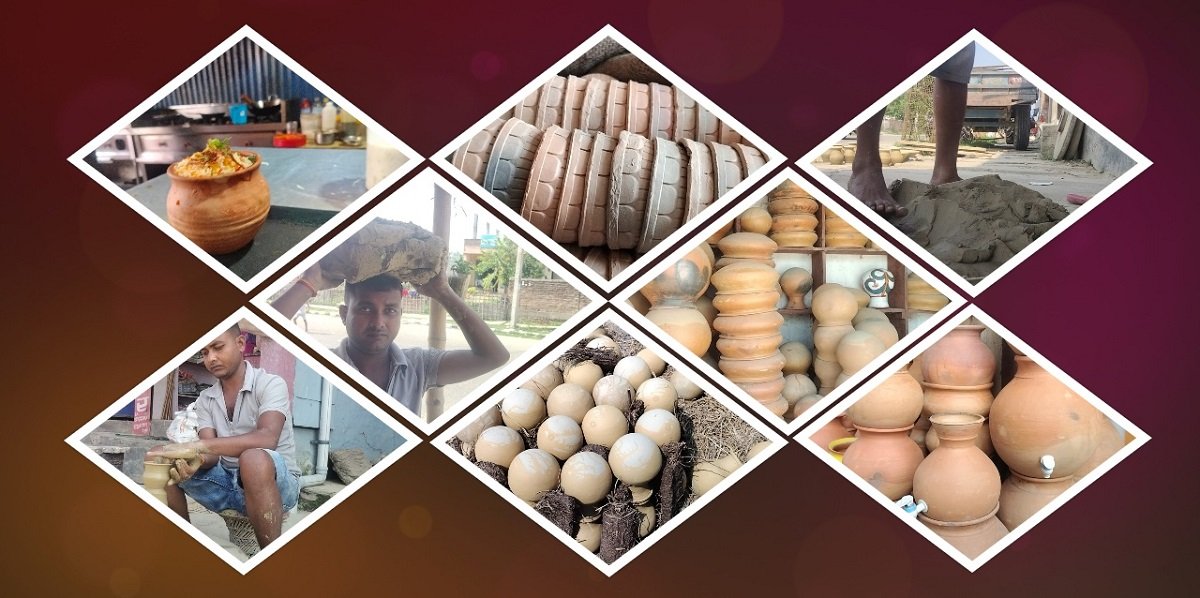
Janakpurdham. With modernity, people's lifestyles are changing, but the attraction towards original culture is increasing again. In the market, the trend of eating tea, lassi, curd, and various dishes in clay pots is on the rise.
Clay pots, connected with health, taste, and culture, are creating a new identity in the modern market. Currently, in the hotels, restaurants, tea shops, and cafes of cities in the Madhesh Province such as Birgunj, Rajbiraj, Lahan, Siraha, Gaur, Malangawa, Janakpurdham, the use of clay cups, glasses, pots, matkas, and other items is increasing. The attraction towards clay pots is growing with the trend of seeking originality amidst modernity.
At one time, it was common to see water in clay pots, curd in clay pots, and tea in kulhads immediately after waking up in the villages of Madhesh. Clay pots held a special place from the kitchen to weddings, pujas, thread ceremonies, shraddhas, and festivals. With increasing modernity, plastic, steel, and glass utensils entered the market, and gradually clay pots became limited to the corners of villages. Clay pots were used only during festivals.
Clay has special significance in Mithila culture. The Kumhar community of Madhesh Province has been making clay pots for generations. Ghaila used in weddings, puja materials, diyos, and various artistic materials are connected with the identity of Mithila. Especially during the Chhath festival, weddings, and religious rituals, clay materials are still considered sacred. For this reason, the originality of Madhesh has not completely disappeared amidst modernity.
According to Rajanarayan Pandit of Janakpurdham Sub-Metropolitan City-19, he lived abroad for 12 years but could not earn well. He decided to preserve his ancestral profession. For the past year, he has been making clay glasses and clay bowls at his home.
He said that he brought machines for mixing soil, cutting, and making pots from India by spending five lakh rupees. After making raw clay pots, they are baked in a wood-fired kiln, and then the pots are ready. Now he is preparing to install an electric kiln.
Rajanarayan said, 'There is demand for clay pots in the market. If the government provides us with such machines at a subsidy or customs exemption, we can preserve our ancestral profession in our own place, highlight our originality, and also earn well.'
According to Rajanarayan, if Mithila motifs, Mithila art, and culture-reflecting paintings are made on clay pots and brought to the market, they can be taken to the international market. He believes this can increase employment and reduce the number of people going for foreign employment.
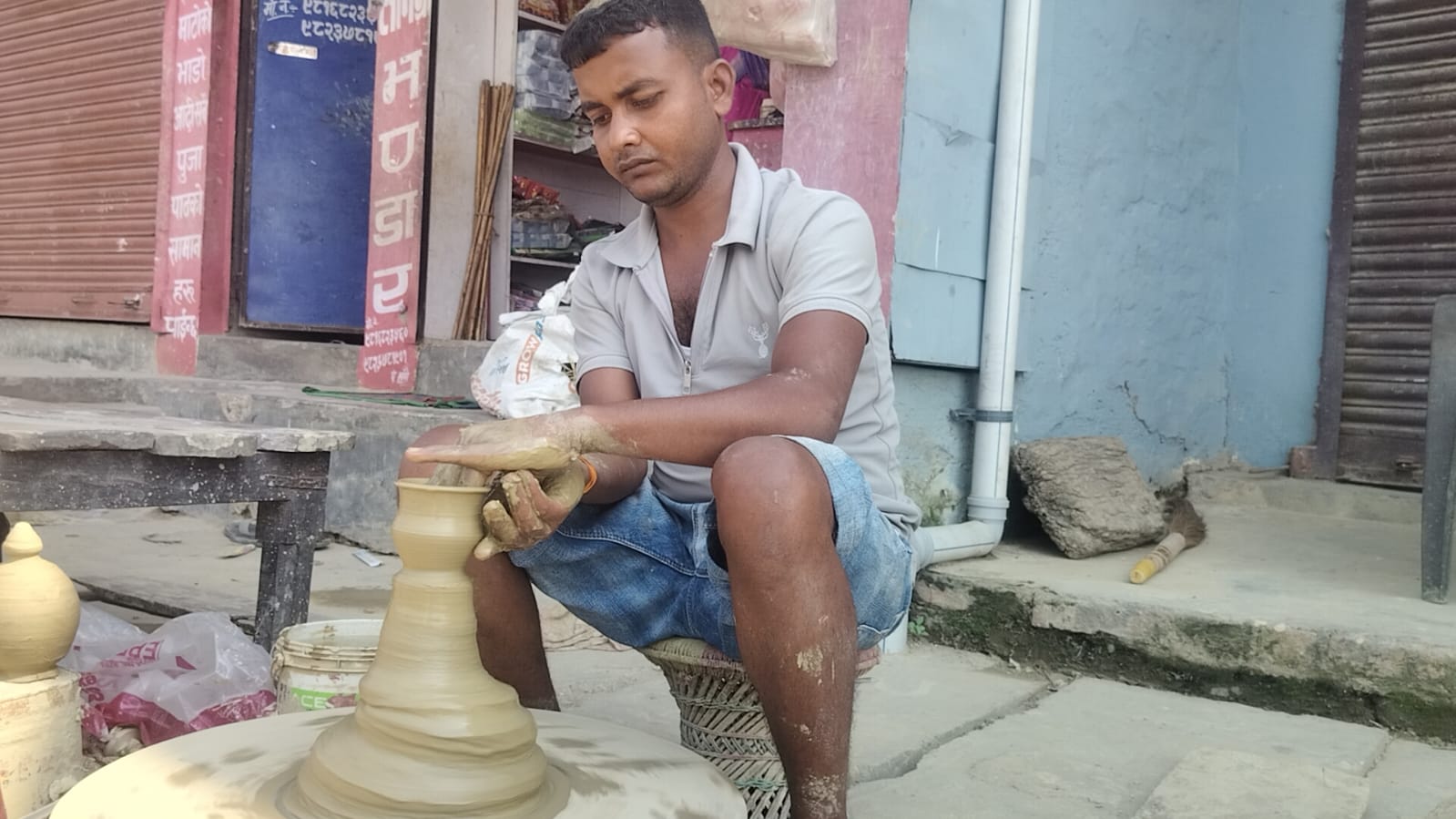
According to Jogi Pandit of Kapileshwar in Janakpurdham Sub-Metropolitan City, although there is a lot of demand for clay pots, production cannot keep up with the demand. 'Soil is expensive. One tractor of soil costs between four thousand to seven thousand rupees. Baking pots is a problem because firewood and cow dung cakes are expensive. Labor wages are high,' he said.
Rasbihari Pandit of Jaleshwor Municipality-6 complained that the government has not prioritized this profession. He believes that if skills, training, and technology are provided on time, the ancestral profession of clay pots and the Kumhar community can be preserved and promoted.
Jogi Pandit of Janakpurdham Sub-Metropolitan City-24 said that the government should provide ease in marketing. 'We have to sell our products on the footpath, on the side of the road. We live in fear that the municipality might remove us at any time,' he said.
According to 70-year-old Jeevan Pandit of Sarlahi, Dhankaul, soil was free before, and firewood was also available cheaply. He said that both soil and firewood are expensive now.
According to him, the government in Uttar Pradesh, India, has made arrangements to provide soil and firewood for free. He said that the Kumhar community there is earning well. 'It would be good if our government also helped,' he said.
Currently, clay pots, water-holding matkas, gagros, and other items are being sold in various cities and markets of Madhesh Province. Water-holding matkas are being sold for three hundred to five hundred rupees.
Local shopkeeper Kailash Sah of Janakpurdham-5 said, 'The trend of keeping matkas in homes and offices has increased. Customers consider matka water healthier than fridge water. The trend of keeping buttermilk, chhachh, ghee, and curd in clay pots is also increasing, but the potters are unable to supply enough pots to meet the demand.'
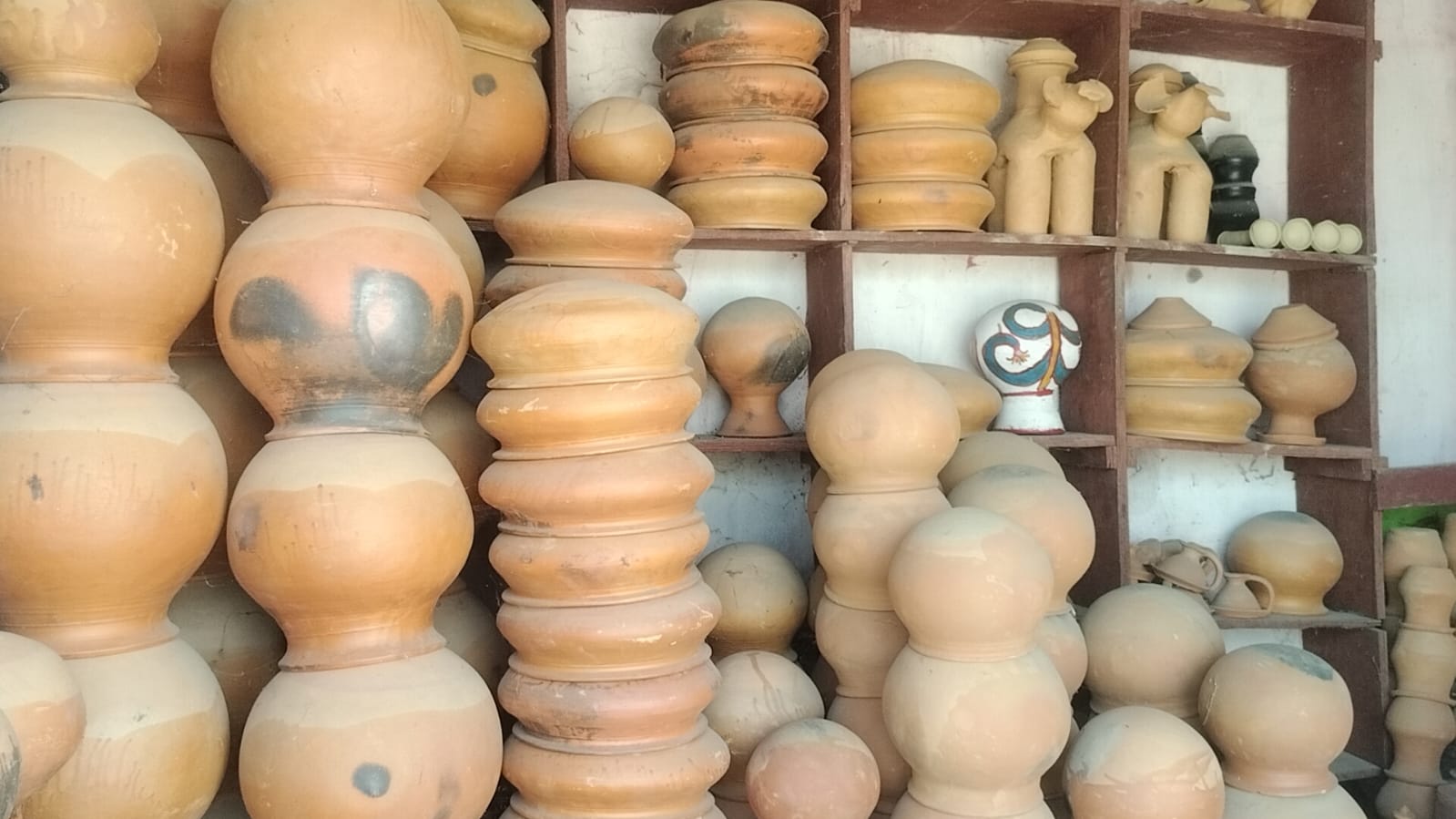
The number of Kumhar community across the country is 95,724. Out of which, 72,454 are from the Kumhar community in Madhesh Province.
According to cultural expert Professor Ram Sagar Pandit, clay pots are considered sacred from birth to shraddha in Madhesh Province. He said that there is a tradition of worshipping soil as the mother.
He said, '70-80 years ago, cooking and eating in clay pots was common in villages. Due to modernity, that tradition started to disappear, but now people are returning to clay in search of originality.'
Chiya shopkeeper Jamun of Janakpurdham-8 sells seven hundred to eight hundred cups of tea daily. He sells tea in clay cups. 'We buy a clay cup for five rupees. Tea in a clay cup is sold for 30 rupees, while a paper cup costs 25 rupees, but customers prefer to drink tea in clay cups,' he said.
According to Dilip Sah, operator of Navarang Hotel, there were only one or two places with 'Katiya House' in Janakpur before. Now, almost all hotels and restaurants have started preparing dishes in clay pots. Clay glasses have also started being kept in tea shops.
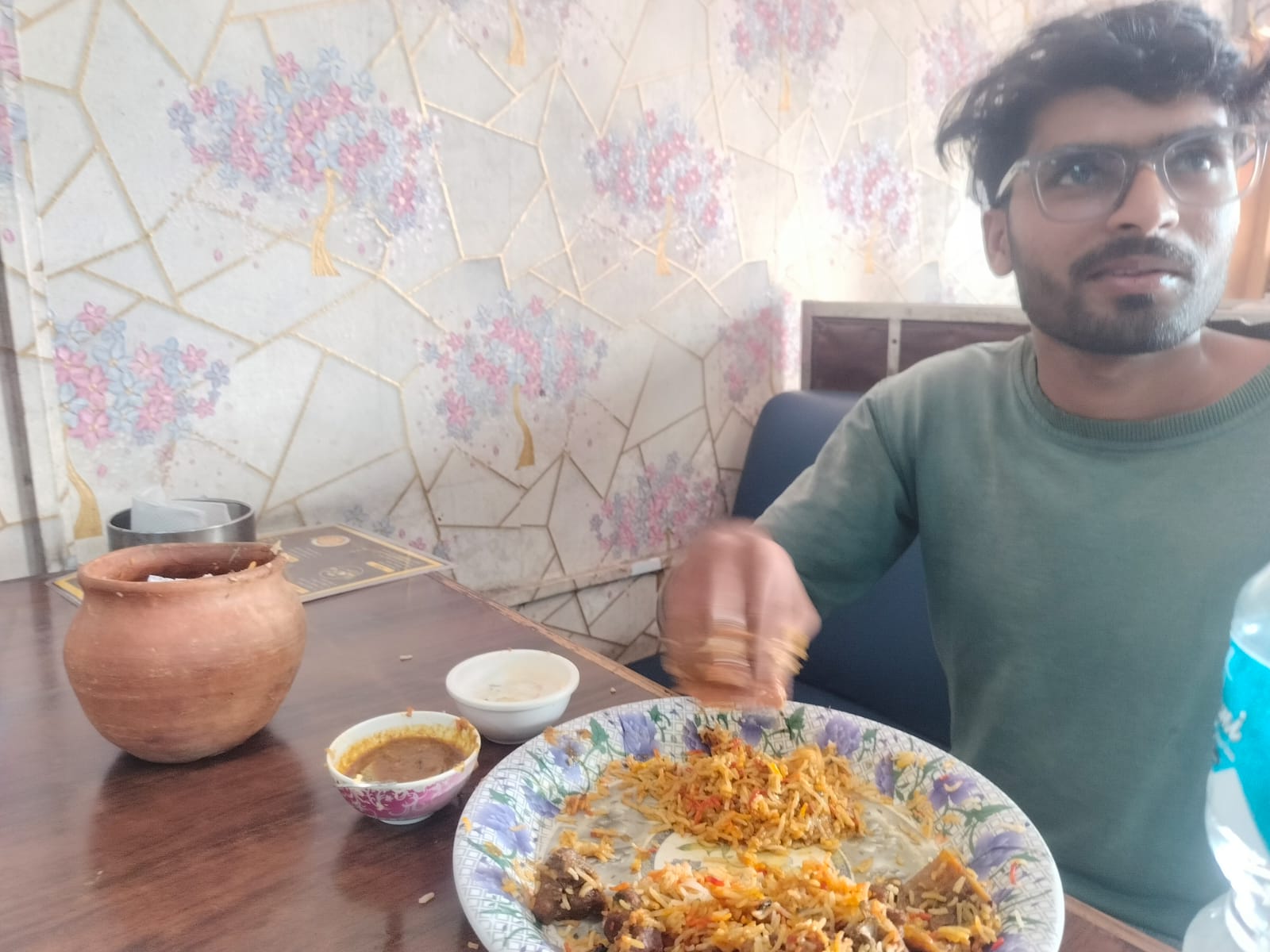
Ice cream, lassi, and curd are also available in clay pots. Businessmen say that the use of clay pots increases in summer.
According to Karmakandi Dineshchandra Mishra, clay pots are considered sacred in Hinduism. He said that clay pots have special significance, especially in Madhesh Province and the Mithila region, for Kuldevta, Gramdevta, Yagya, Mundan, Upanayan, and Shraddha.
Pramod Sah of Janakpurdham-1 said that tea tastes different in a clay glass. He believes that drinking water from a matka is better than drinking water from a fridge during the summer.
According to senior physician Ramdhyan Yadav of the Provincial Hospital in Janakpurdham, clay pots are beneficial for health. 'Water kept in clay pots is naturally cool. It reduces the problem of sore throat. Clay contains minerals like calcium, magnesium, and iron,' he said.
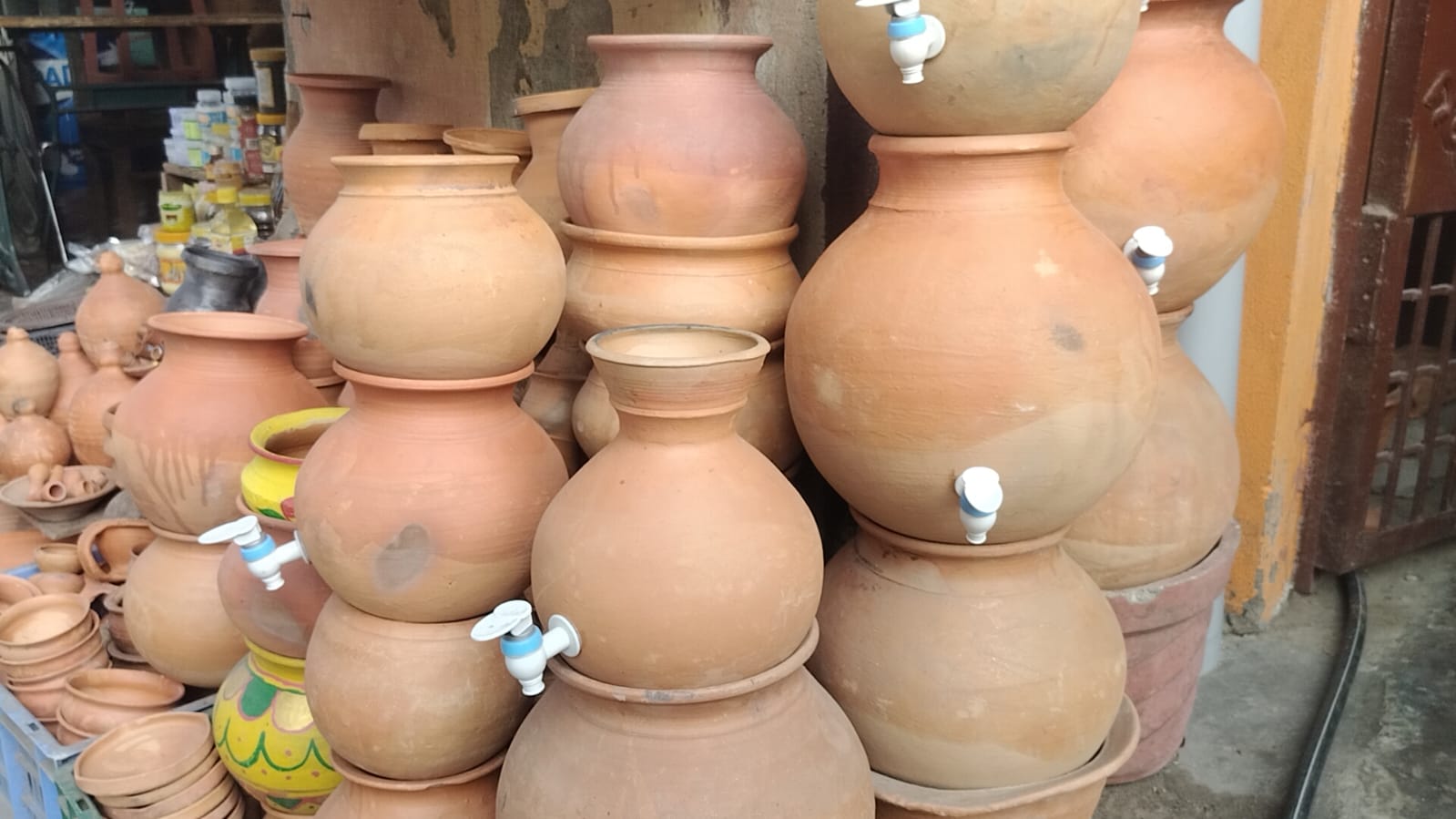
Clay pots are environmentally friendly. Clay pots do not cause pollution like plastic or thermocol.
Minister of Industry, Tourism, Kanish Patel of Madhesh Province said that clay pots represent the originality and culture of Madhesh. He said that the provincial government will take initiatives to further systematize this through skill training, marketing, and reaching the international market.
This specific news has been automatically translated by AI. As a result, there may be some inaccuracies or language errors.