US President Trump Supports Federal Gas Tax Cut Amidst Rising Fuel Prices

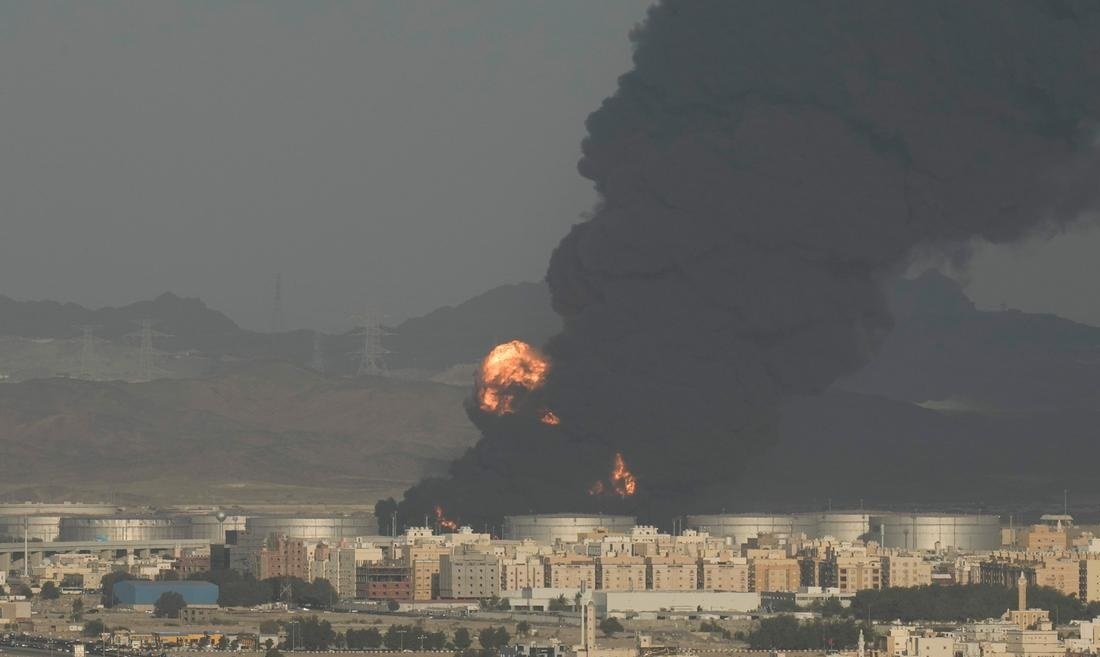
Washington DC. Due to the Iran war, fuel has become expensive worldwide. The impact of the war has also pushed fuel to its highest point in many years in America. In such a situation, US President Donald Trump appears to be in favor of reducing the federal gasoline tax.
As rising gasoline prices cause dissatisfaction among American drivers, Trump has supported the idea of suspending the tax. Currently, a federal gasoline tax of 18.4 cents per gallon is levied in the US. To suspend or remove this tax, a law needs to be passed by the US Congress.
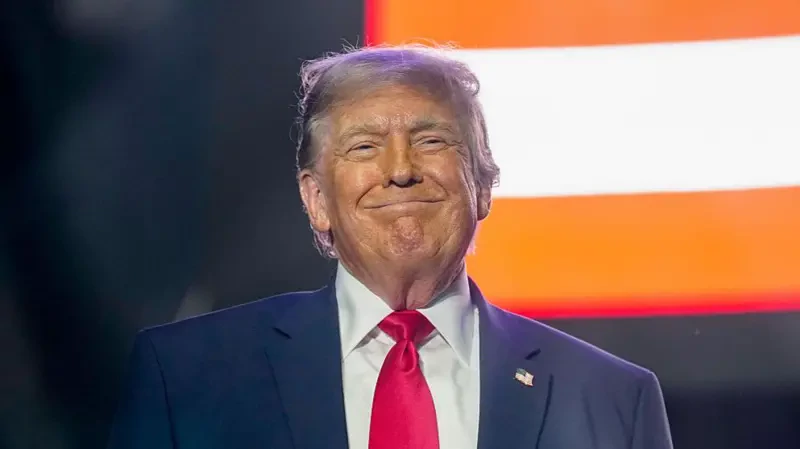
Trump's Republican party holds a majority in Congress. Speaking to reporters, Trump said, "Yes, I will cut the tax." When asked for how long the tax would be suspended, he replied, "As long as it is appropriate." Missouri Republican Senator Josh Hawley has stated that he will introduce a bill on Monday to suspend the gasoline tax for 90 days, as well as the 24.4 cents tax on diesel. Fuel prices have been continuously rising since the war began on February 28. The Strait of Hormuz, a strategic sea route through which about 20 percent of the world's oil supply passes, has been effectively kept closed by Iran, affecting oil supply in the global market.
According to the American Motor Club AAA, the average price of gasoline in the US reached $4.52 per gallon as of Monday, the highest since 2022. At that time, the price had reached $5.01 per gallon. Senate Majority Leader John Thune has not clearly supported the suspension of the gasoline tax. He stated that the tax is an important source of income for road maintenance and that the best way to reduce fuel prices is to reopen the Strait of Hormuz. Earlier in March, some Democratic lawmakers, including Mark Kelly, had proposed suspending the gasoline tax until October. Approximately $2.5 billion is collected every month from this tax for road infrastructure.
This specific news has been automatically translated by AI. As a result, there may be some inaccuracies or language errors.