US-Iran Military Clash Impacts Global Markets

Kathmandu. The global market has been greatly affected after a new military clash between America and Iran in the Strait of Hormuz region. The price of oil rose sharply on Friday, while major stock markets around the world fell. This incident has dealt a blow to hopes of a potential deal to end the war and reopen an important sea route.
In the past few weeks, there was a positive atmosphere in the market with expectations that the war would end soon and crude oil supply would normalize, which also led to a decrease in oil prices. However, the situation has changed after tensions between the US and Iran escalated again on Thursday.
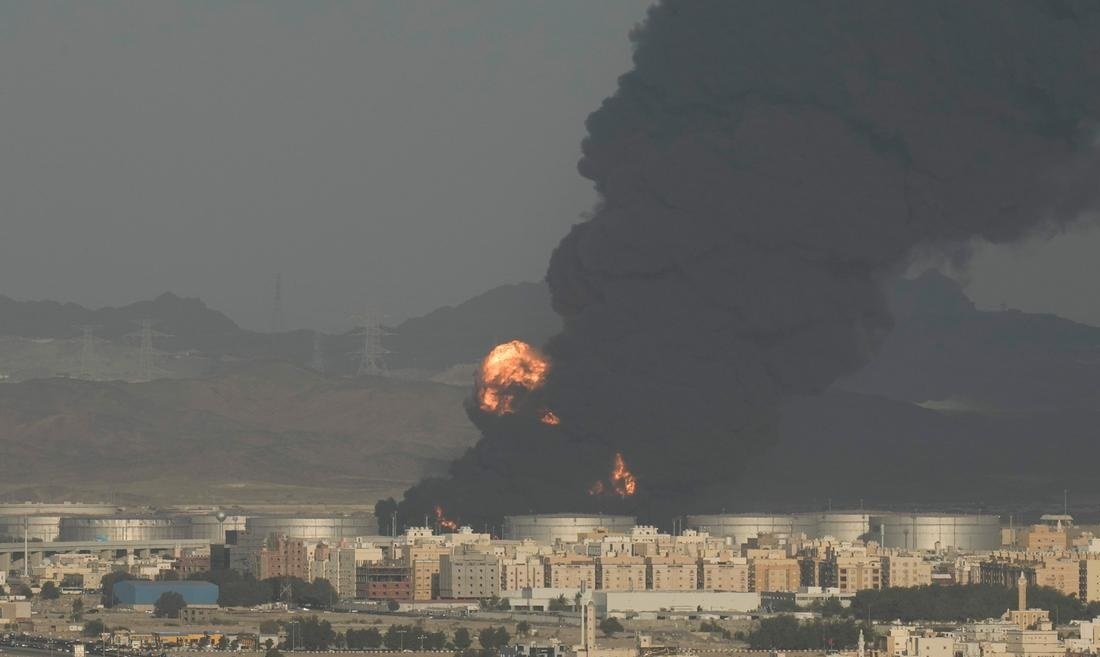
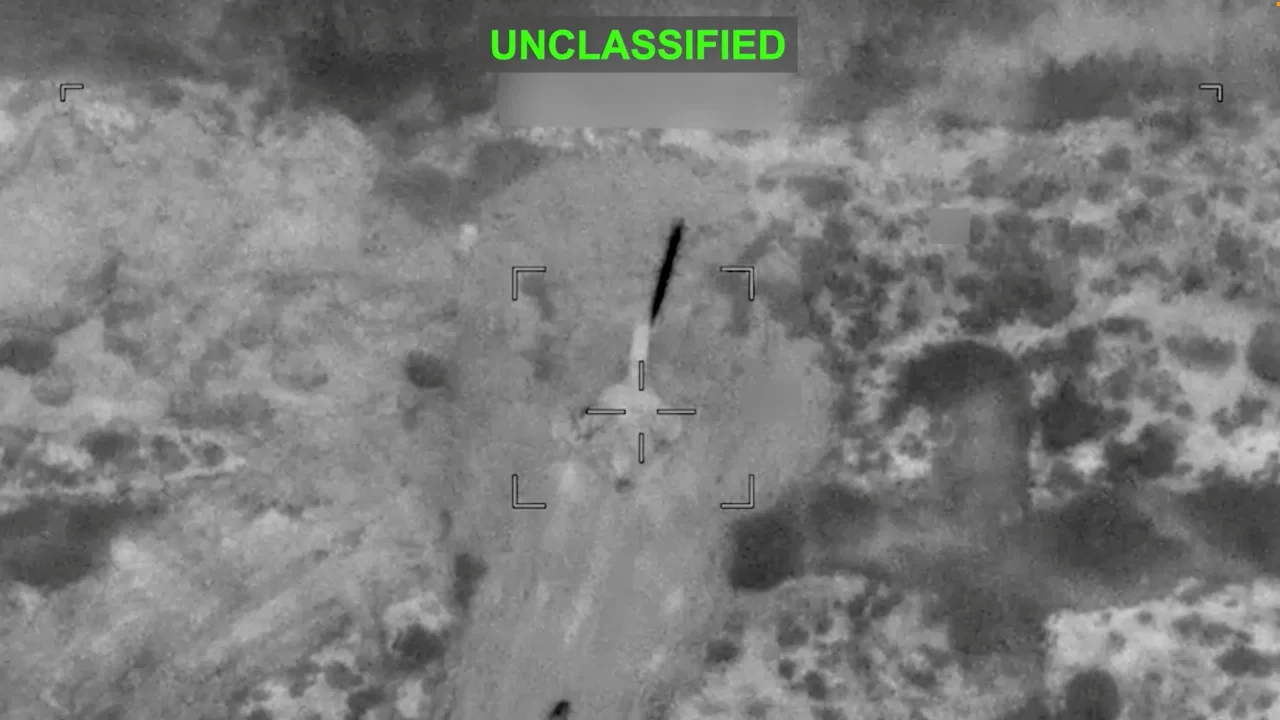
The US military stated that it carried out airstrikes on Iranian military targets in response to an attack on three US warships. This incident has weakened the ceasefire that had been in place for a month.
Iran's military, however, accused the US of violating the ceasefire and attacking oil tankers and another ship. This has further increased tensions between the two countries.
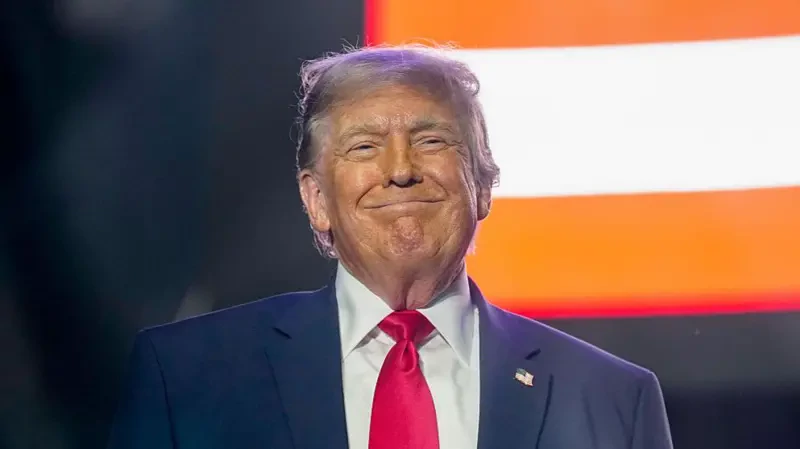
US President Donald Trump warned through his social media, saying, "If they don't make a deal soon, we will respond even more strongly and violently."
However, he later claimed in Washington that the ceasefire was still in place. According to him, "Yes, there is a ceasefire. They provoked us today, we responded strongly."
This clash occurred at a time when the Trump administration had indicated that a deal to end the war was close and the reopening of the Strait of Hormuz was under discussion. About one-fifth of the world's oil and gas supply passes through this sea route.
Similarly, news has also emerged that the US administration is considering restarting a program called 'Project Freedom', which aims to provide safe passage for commercial ships. However, this has further increased tensions with Iran.
As tensions rose, the price of crude oil increased by more than 1 percent. However, oil prices had fallen by about 10 percent in the last three days. A decline was also seen in Asian markets.
South Korea's stock market fell by more than 1 percent, while major markets such as Tokyo, Hong Kong, Sydney, Shanghai, Singapore, Wellington, Taipei, Manila, and Jakarta also declined.
Meanwhile, Wall Street in the US also saw a decline. The S&P 500 and Nasdaq indices fell from record highs. According to analysts, such a decline is not unusual after a long period of rapid growth.
According to market analyst Chris Weston, "It has become clear again that the path to resolving this conflict is not straightforward. Investors are reassessing the situation."
Meanwhile, the British currency Pound has also weakened against the US dollar. Uncertainty has increased among investors due to the ongoing local elections in the UK.
In Japan, however, news has emerged that the government recently intervened with about 64 billion US dollars to stabilize the Yen (Japanese currency). The Yen weakened for some time and then showed some improvement.
On the other hand, investors are now awaiting new US employment data, which is expected to provide an indication of how the war and rising inflation have affected the economy.
This specific news has been automatically translated by AI. As a result, there may be some inaccuracies or language errors.