US and Iran in New Diplomatic Efforts Amidst Military Tensions


Kathmandu. New diplomatic efforts have begun regarding a potential agreement to end the two-month-long military tension between the United States and Iran. Tehran has stated that it is reviewing new proposals from Washington just hours after US President Donald Trump warned Iran of a 'larger scale bombing' if it did not accept the agreement. Although a ceasefire has been maintained, tensions in the Gulf region have not yet subsided.
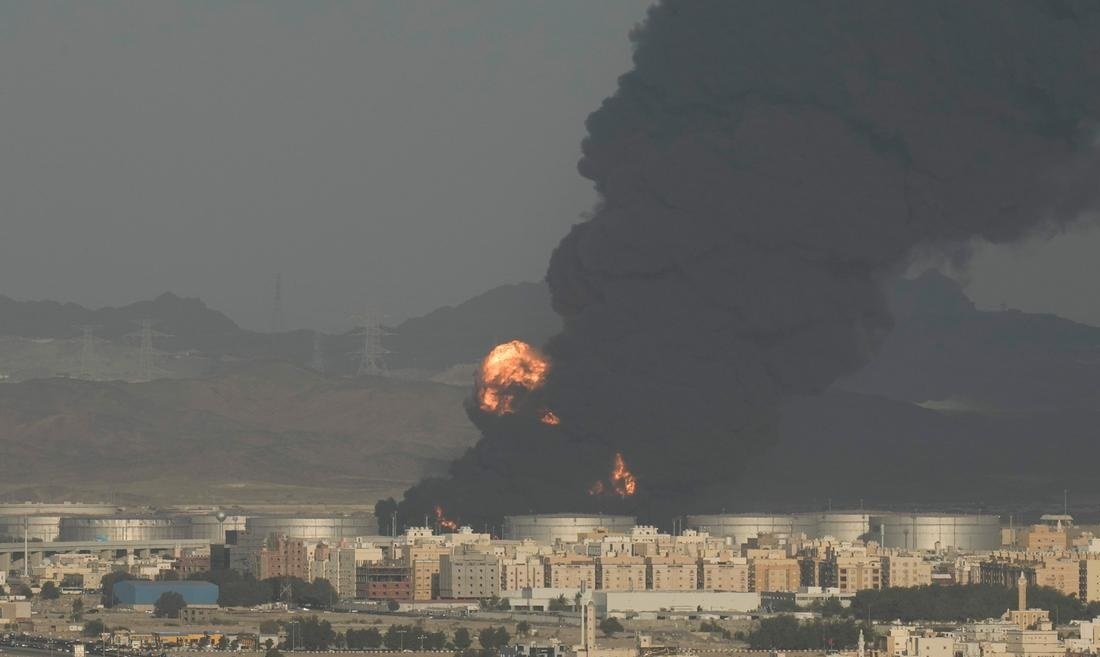
The conflict that began on February 28 with joint military action by the United States and Israel against Iran had a serious impact on the global energy market, maritime trade, and regional security. Although a formal ceasefire has been in place since April 8, negotiations for a permanent solution have not yet reached a conclusion.
Meanwhile, as the possibility of ending the war emerges, there are signs of some relief in the international market. The price of Brent crude oil has stabilized around $100 per barrel. Investors expect the Strait of Hormuz to fully reopen and the transportation of oil and natural gas to normalize.
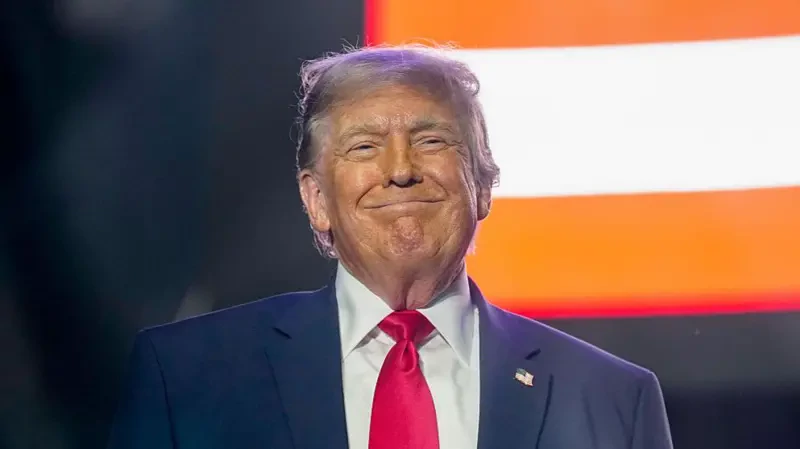
President Trump claimed on social media that the war 'could end soon.' He mentioned that oil and gas transportation would resume if Iran accepted the agreement proposed by the United States. However, he also warned of further military action if the proposal was rejected.
"If they don't agree, the bombing will start," Trump wrote on social media. He also claimed that the potential attack would be 'at a much higher level and more intense than before.'
The Trump administration's strategy and messaging during the war have also been accused of changing repeatedly. Analysts have commented that US policy appears unstable, especially as White House statements regarding the US plan to open the Strait of Hormuz have varied within hours.
Iran currently effectively controls the Strait of Hormuz. Oil, gas, and petroleum products are transported to the world market through this waterway, which is considered a crucial route for global energy supply. The United States, on the other hand, maintains a blockade on Iranian ports.
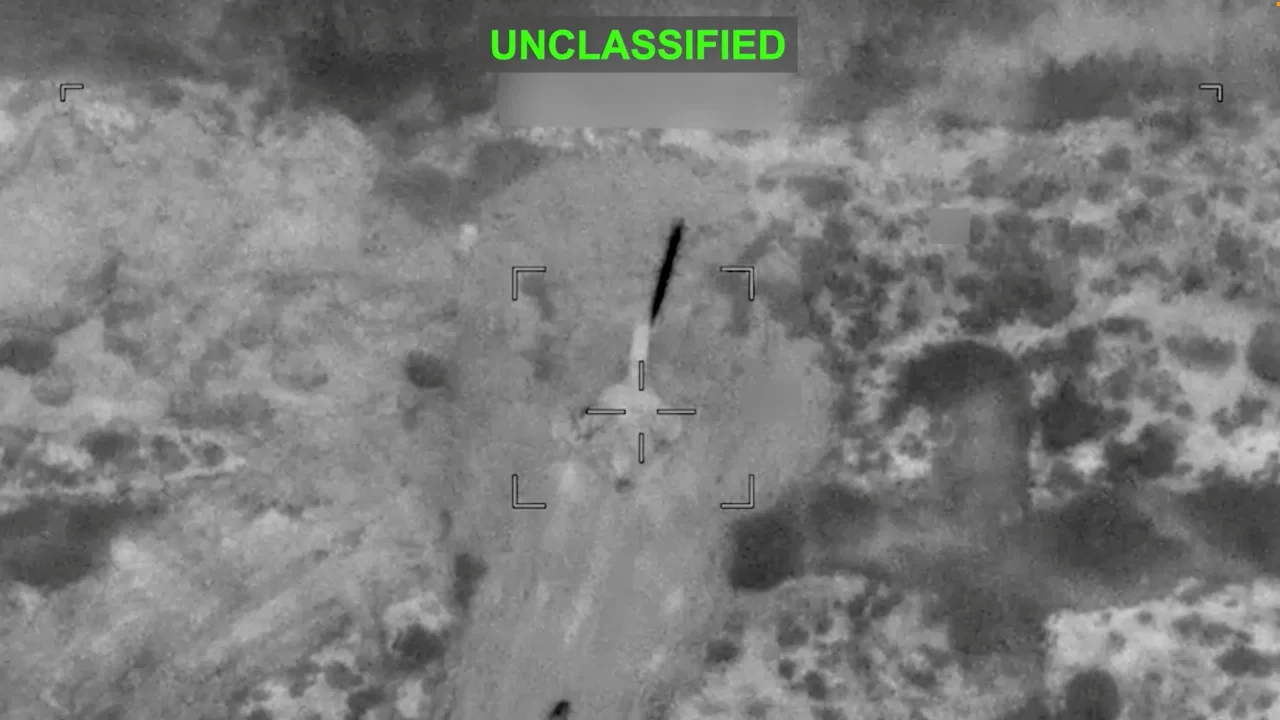
On Wednesday, the US military announced that it had taken action against an Iranian oil tanker in the Gulf of Oman. According to the US Central Command, fighter jets fired on the exterior of the tanker after it attempted to break the US blockade.
Meanwhile, Trump claimed that the Iranian leadership is willing to end the war. He indicated that the US might be able to get its terms agreed upon, stating that 'discussions are ongoing with people who want to make a deal.'
According to the US media outlet Axios, the White House has prepared a one-page preliminary memorandum for a potential agreement with Iran. It is said to include provisions to halt Iran's uranium enrichment program, lift US sanctions, release Iran's frozen assets, and open the Strait of Hormuz.
However, the White House has not officially commented on the potential agreement. Iranian Foreign Ministry spokesman Ismail Baghaei, speaking to state media, strongly rejected the proposals mentioned by Axios. However, he admitted that the latest US proposal is under study.
Earlier, the US had put forward a military plan called 'Project Freedom' to provide a safe passage for commercial ships through the Strait of Hormuz. However, on Tuesday, the Trump administration temporarily suspended the plan.
After the US-secured route was opened, only two US-flagged commercial ships managed to pass through the strait on Monday. The US military also claimed to have sunk six small Iranian boats, accusing them of threatening civilian vessels.
Currently, hundreds of commercial ships are stranded in the Persian Gulf region. Due to the closure of the Strait of Hormuz, these ships cannot reach the open sea. This has rapidly increased global fuel prices and created significant pressure on the world economy.
Hapag-Lloyd, one of the world's largest shipping companies, stated that the closure of the strait is costing an additional approximately $60 million per week. The company said that rising fuel prices and insurance premiums are severely affecting the commercial shipping sector.
Meanwhile, China has called for the ceasefire to be transformed into a long-term peace agreement. Chinese Foreign Minister Wang Yi, meeting with Iranian Foreign Minister Abbas Araghchi in Beijing on Wednesday, stated that China is 'deeply concerned' about the conflict.
Due to the close economic and political ties between China and Iran, Beijing appears to be in a position to play an influential role in resolving the current crisis. The Trump administration is also urging China to use its influence on Iran to open the Strait of Hormuz.
Araghchi's visit to China comes before US President Trump's upcoming visit to Beijing. Trump is preparing to participate in a high-level summit with Chinese President Xi Jinping on May 14-15.
During his visit to China, Iranian Foreign Minister Araghchi provided details of discussions on Iran's nuclear program, the Strait of Hormuz, and potential diplomatic solutions. He indicated that Tehran's stance is to only enter into an agreement if its strategic interests are protected.
This specific news has been automatically translated by AI. As a result, there may be some inaccuracies or language errors.