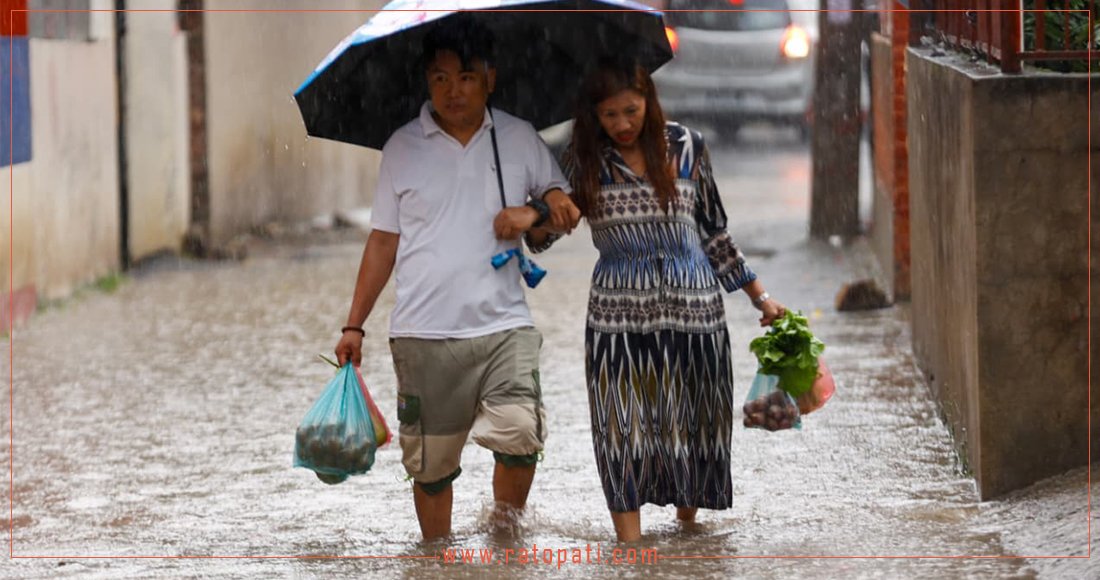
Displaced Squatters Seek Resettlement in Kathmandu Valley


Kathmandu. Squatters displaced from various places in the Kathmandu Valley are currently taking temporary shelter at the Agricultural Development Bank Training Center in Bode, Bhaktapur.
Although government bodies have provided basic facilities for their living and eating here, they are in serious uncertainty about their future.
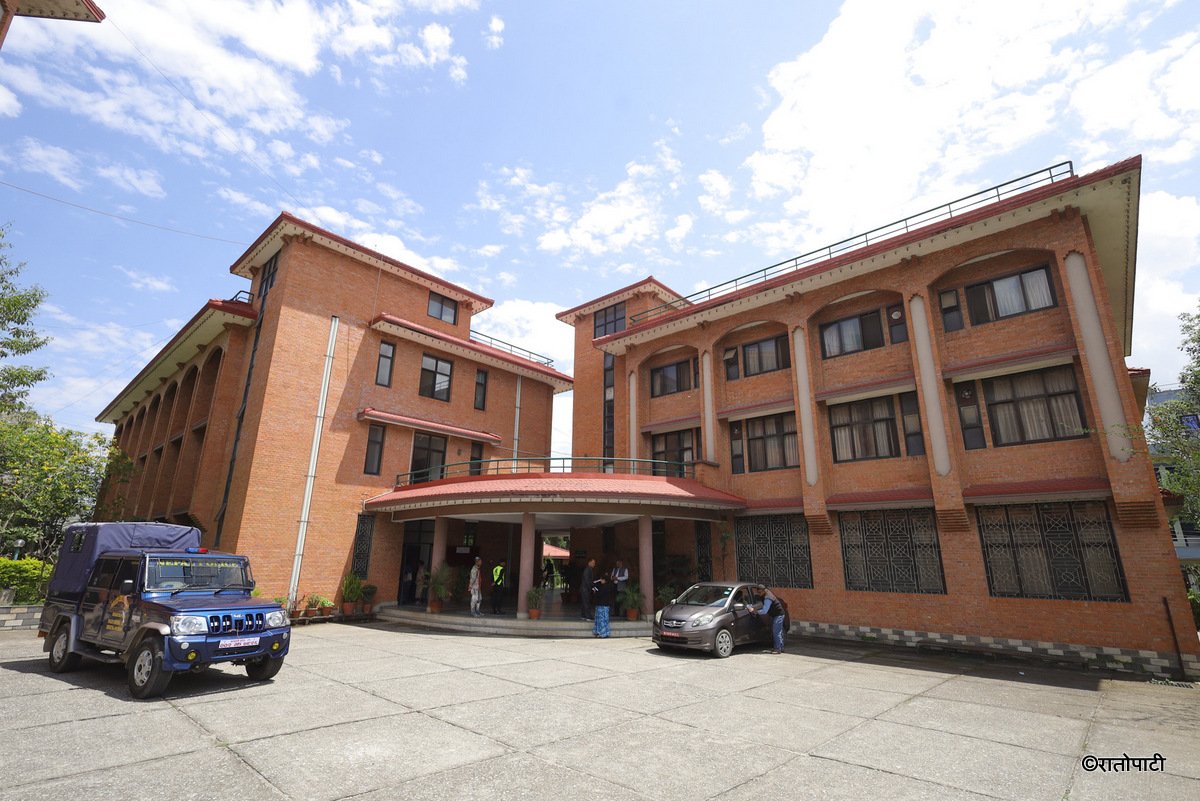
The daily lives of these impoverished citizens, who have made Kathmandu their home for years, are now confined within the limited space of temporary shelters, and they are hoping for the government to arrange permanent housing.
_jRPhNyBoPg.jpg)
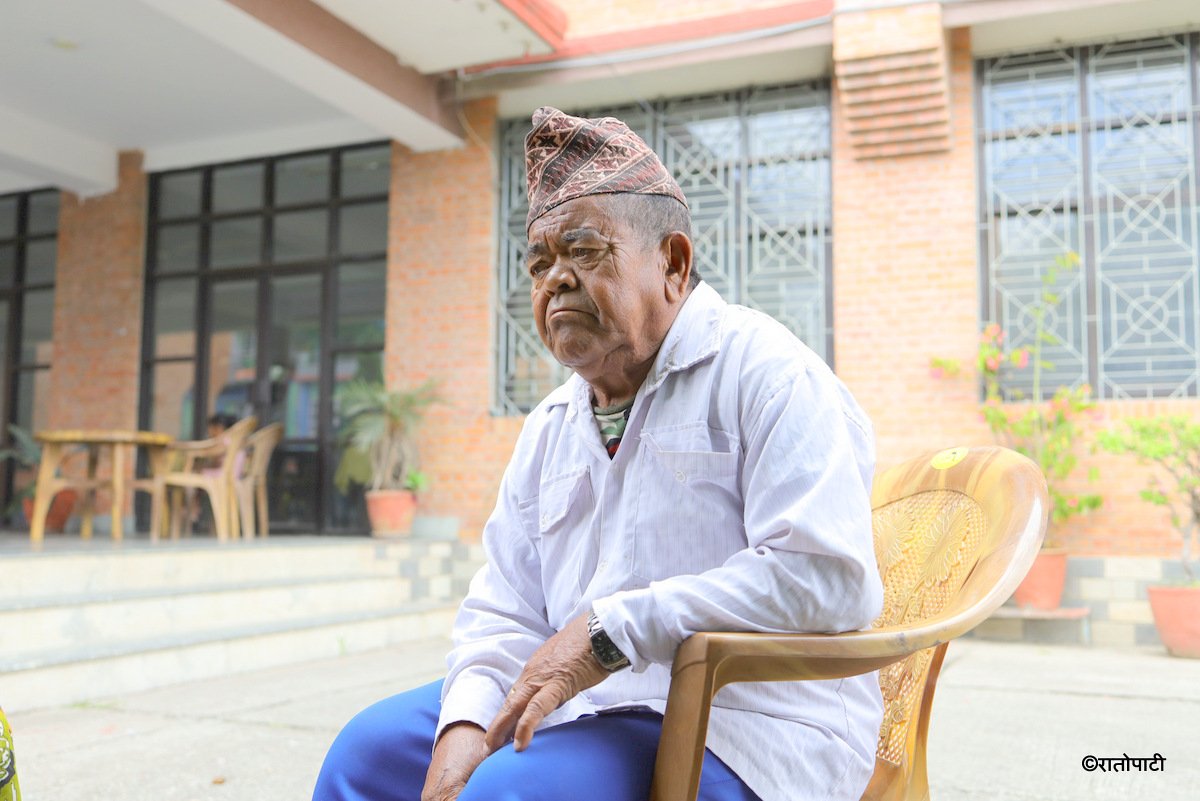
72-year-old Bir Bahadur Tamang and his wife, 70-year-old Sanu Maya Tamang, who have been living in the Shankhamul area of Kathmandu since 2030 BS, have also been staying in Bode for a week. Their children are in separate rented rooms.
_LggQSi33FY.jpg)
Sanu Maya Tamang says the arrangements for food and lodging at the temporary camp in Bode are good. She says, ‘Food and lodging are good here, but we don't know where to go or what to do now. The house we built with hard work is gone, and I can't sleep at night. We just wish we don't have to die on the streets when we die.’
_mLGD1qCk93.jpg)
Bir Bahadur Tamang expresses his pain, recalling spending over 30 years in Sangam Tole, and says, ‘My parents also passed away there, we grew up there. Now we have lost everything. We have no money, no place to go. The government should provide us a small place to live.’
_Rpf5qbhKgX.jpg)
He says it is difficult to live in rented rooms in old age because most landlords are not willing to rent to squatters. His demand is, ‘Now, we should be provided with a place to live right here in Kathmandu; we cannot survive by going elsewhere.’
- Debt, Employment, and Family Worries
_yuuNUypS0V.jpg)
Jaitun Khatun, 42, who came to Kathmandu from Dhanusha, was also displaced from the Balkhu area. She has two sons, and her husband works as a scrap dealer.
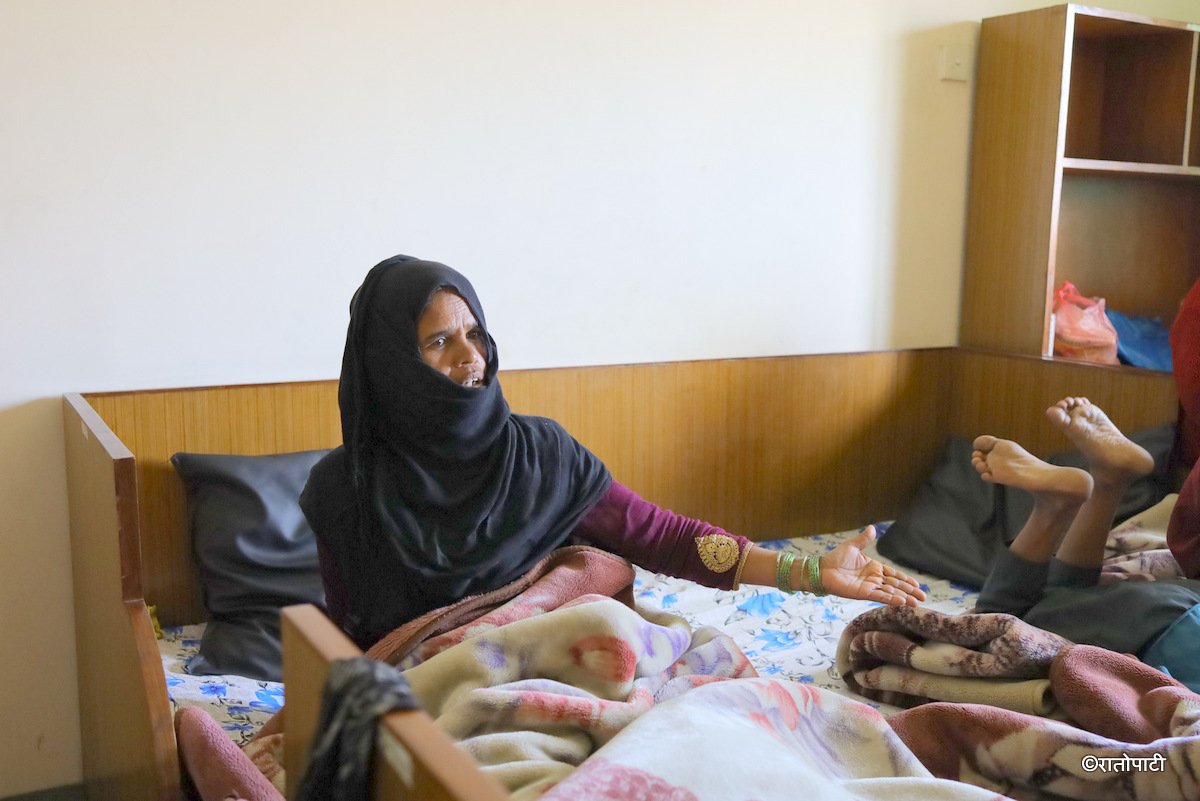
She says she incurred a debt of 4 to 5 lakh rupees to build a house. She says, ‘We borrowed 4-5 lakh rupees to build the house, and we used to earn 4-5 thousand a month from a small tea shop. Now everything is lost.’
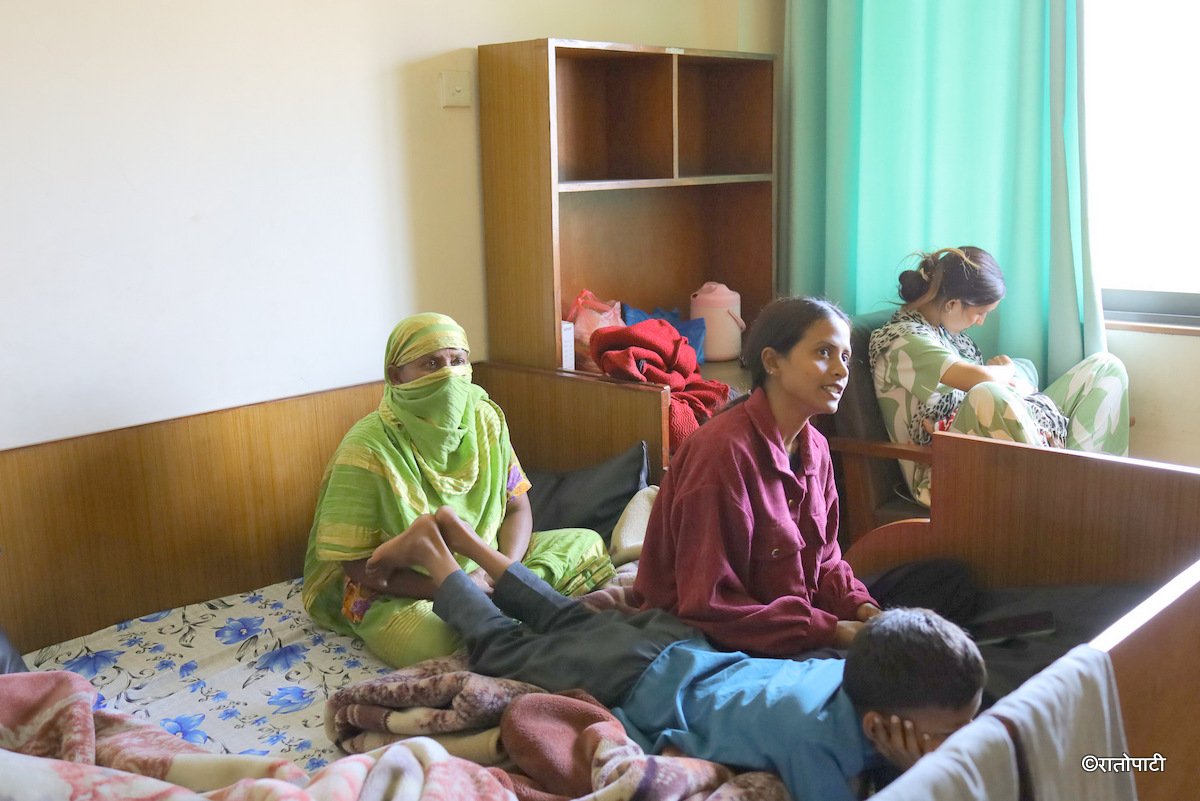
Jaitun's main demand is that the government arrange for their resettlement as soon as possible and provide them with housing in or around their original location.
- Struggle of a Single Woman and Laborer
_s5haorHea3.jpg)
The story of Manju Tamang, 50, is no less painful. Living in the Balkhu area since 2063 BS, she is now struggling with the responsibility of three daughters. Regarding her daughters' situation, she says, ‘One daughter is being educated by an organization, another is at a friend's house, and the third is working.’
_kq76hDvF0Z.jpg)
Manju, who invested all the money she earned working in Iraq and Saudi Arabia into building a house, is now completely penniless. Her situation is such that she says, ‘I don't have a single rupee now; I came here with money given by others.’ She has requested the government to provide at least 4 ana of land and a shelter.
_hJaxDhMx5w.jpg)
The problem of 53-year-old Gita Tamang is even more complex. Her parents also died in the same settlement, and she is currently living without citizenship.
_EXzm0Tbc1h.jpg)
She, who works in a canteen, says the current living arrangements are okay and says, ‘The living situation is okay now, but I am sick. I wish they would build me a small hut.’ Gita and Manju are currently staying in the same room in Bode and supporting each other.
- 'Arrangements Should Have Been Made First, Then Eviction'
The common complaint of the displaced squatters is that the government removed their settlements without making alternative arrangements. Manju Tamang expresses anger at the government's working style and says, ‘They should have demolished it only after arranging for food, shelter, and clothing first. If they had given notice and time, we could have saved our belongings.’
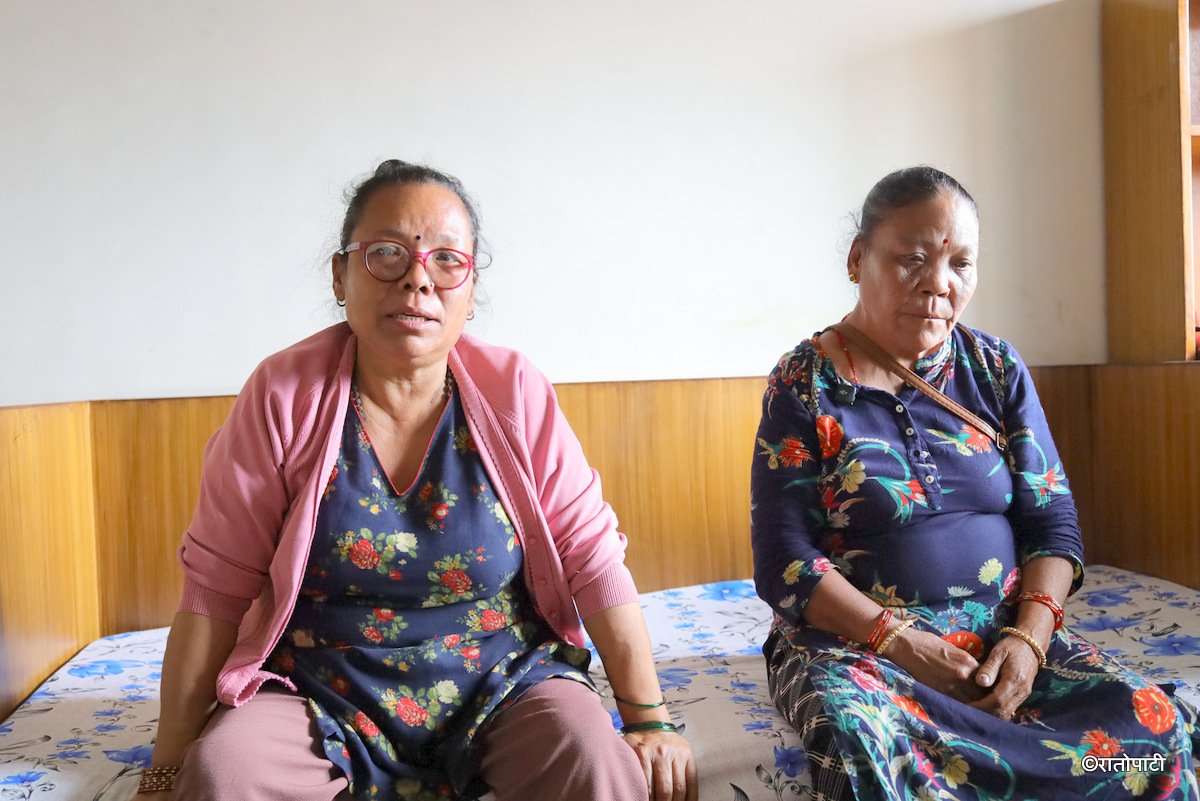
According to her, many people's property was destroyed when bulldozers were suddenly used. She expresses concern that the voices of the poor do not reach the government and says, ‘The voice of the poor does not reach the government.’
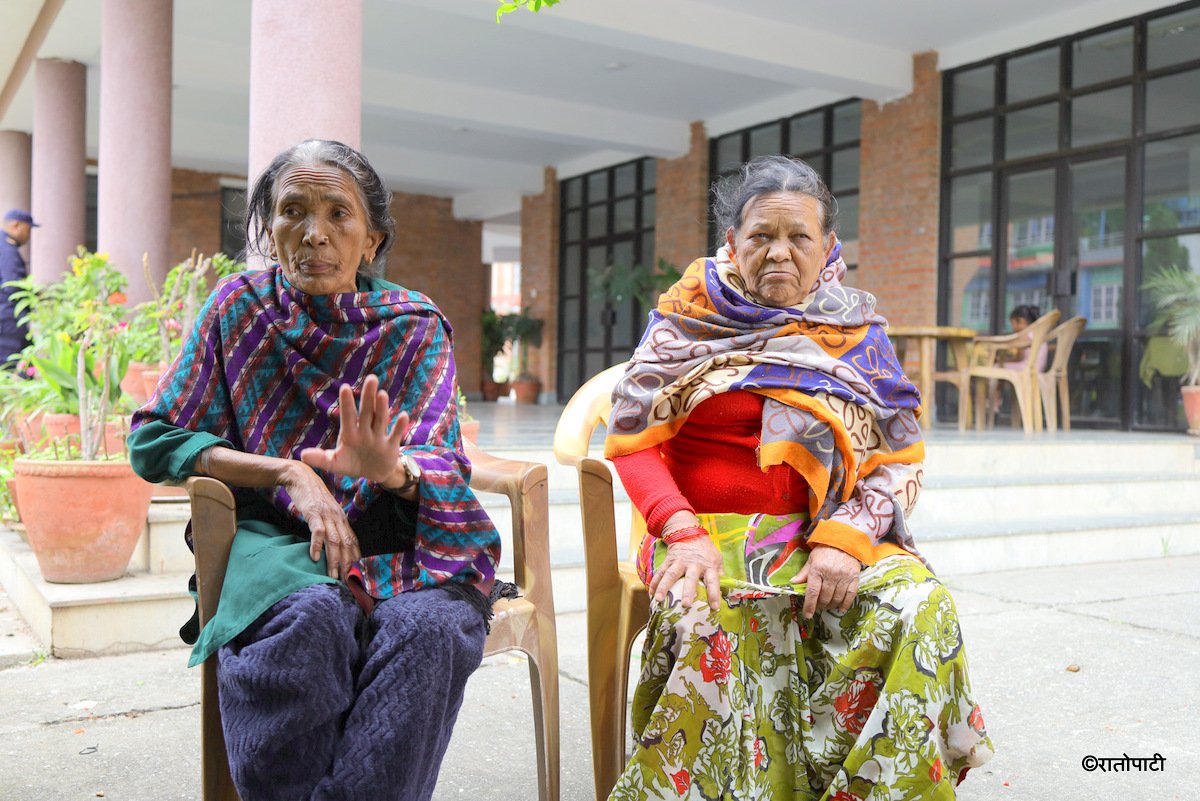
The squatters currently residing in Bode are provided with basic necessities such as morning and evening meals and afternoon tea and biscuits. However, they are all worried due to the lack of long-term management. The words of the elderly Bir Bahadur Tamang clearly depict their uncertain future, saying, ‘We have neither a branch to hold onto nor a step to stand on. Where do we go now, what do we do? May the government provide us a safe place, so we don't have to die on the streets.’
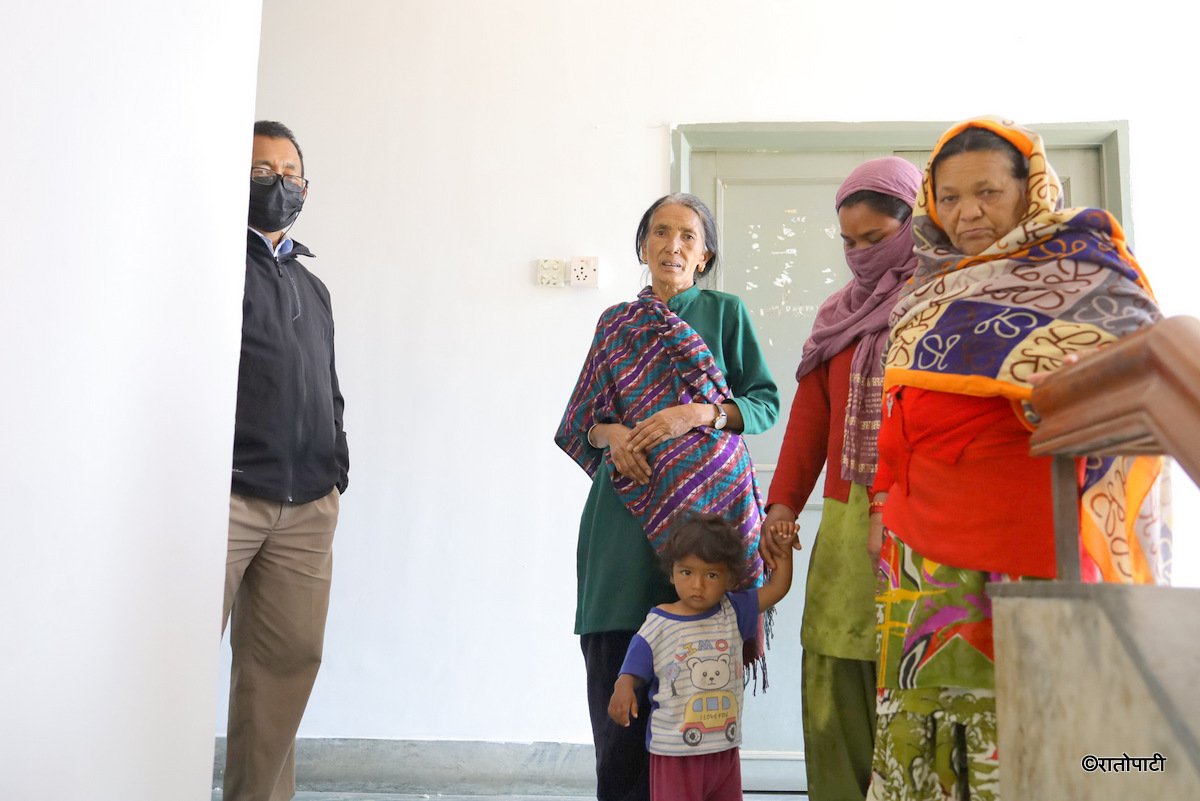
The lives of these squatters residing in the temporary camp in Bode seem to be caught in a whirlwind of uncertainty until the government finds a proper and long-term solution. Their demand is for dignified housing arrangements within the Kathmandu Valley, with the hope that they will not have to die on the streets in their remaining lives.
This specific news has been automatically translated by AI. As a result, there may be some inaccuracies or language errors.

_hXuKAenRlA.jpg)