US-Iran Tensions Escalate Over Strait of Hormuz Incidents


Tehran. Tensions between the United States and Iran have once again intensified in the strategically very sensitive Strait of Hormuz. Iran on Tuesday made serious allegations against the US, claiming that the American army attacked boats carrying civilians in the Strait of Hormuz and killed 5 citizens.
Earlier, the US army had claimed to have taken action against the boats of Iran's 'Islamic Revolutionary Guard Corps' (IRGC), which Iran has completely denied.
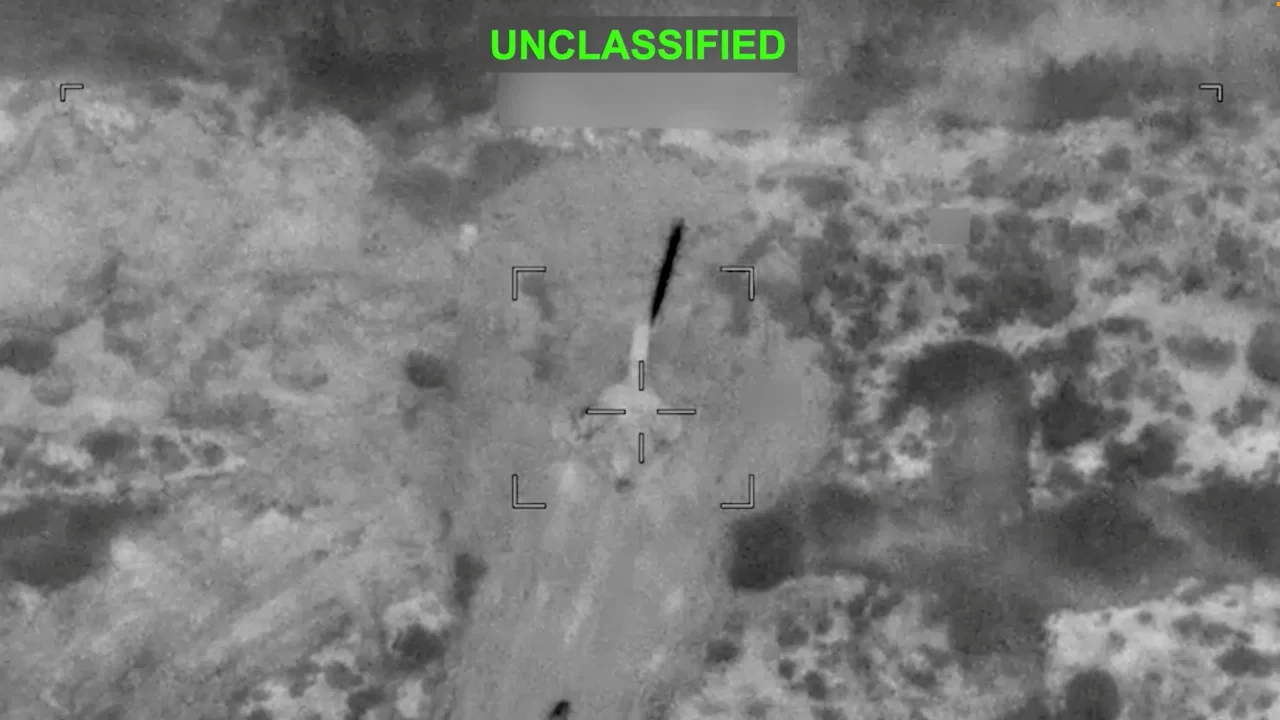
US Admiral Brad Cooper had said that Central Command soldiers had sunk 6 IRGC boats that tried to obstruct the US operation to rescue stranded ships in the Strait of Hormuz. Later, US President Donald Trump increased the number to 7. This military operation, named 'Project Freedom' by the US, has put the fragile ceasefire between the two countries into crisis since last April 8 and has increased the risk of war breaking out again in the region.
Iran's state media IRIB, quoting an unknown military commander, stated that Tehran has started an investigation into the US claim. Iran claims that during the investigation, no IRGC boat was damaged, but the US army attacked two small boats carrying civilians coming from Oman's Khasab coast towards Iran on Monday.
The Iranian commander warned that the US must be held accountable for this 'crime', stating that both boats were destroyed in the attack and 5 civilian passengers were killed. The US army has not yet made any official comment on this matter.
This tense situation has arisen at a time when US President Trump is using force to keep the Strait of Hormuz open. After attacks by the US and Israel on Iran last February 28, Iran had completely closed this important maritime route.
About one-fifth of the world's total oil supply is transported through this Strait of Hormuz. The closure of this route has caused a significant increase in the price of fuel and chemical fertilizers worldwide, and has created fears of a global economic recession and food crisis. Iran has maintained its stance of keeping control over the Strait of Hormuz and demanding transit fees as compensation for the damages caused by the US and Israel.
Only on Monday, the Iranian army had warned that commercial ships attempting to cross this waterway without permission would not have their security guaranteed. It was also warned that if the US army entered the region, it would face an attack.
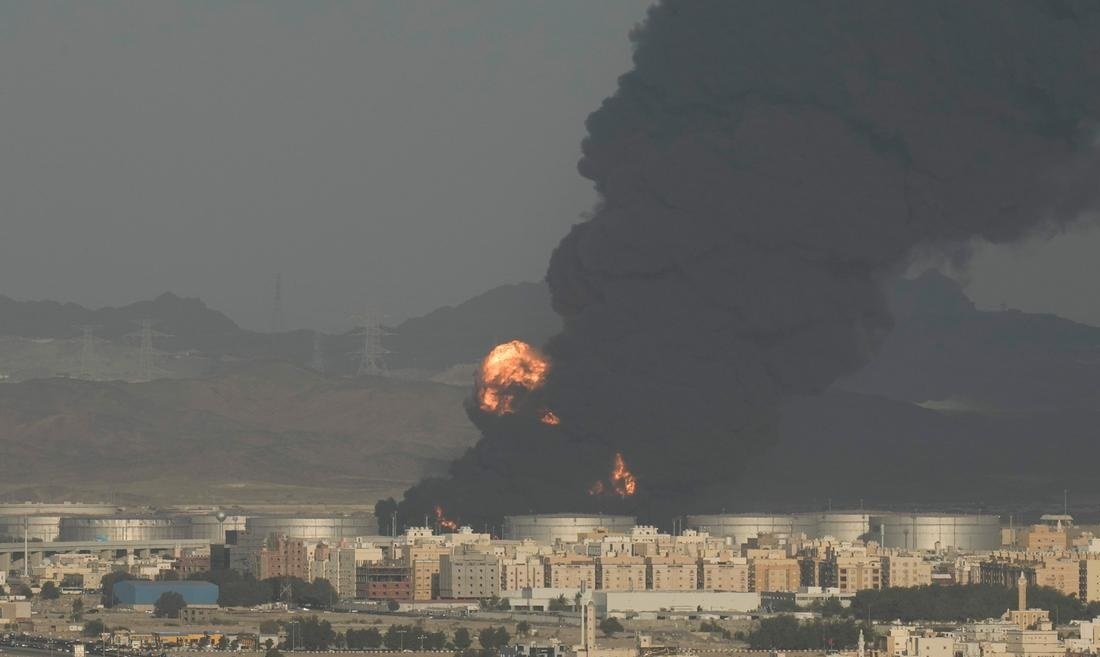
Amidst this tension, the United Arab Emirates (UAE) has accused Iran of attacking one of its oil tankers with a drone and firing 15 ballistic missiles and 4 drones at its territory. According to the UAE, these attacks caused a major fire at a large oil refinery in Fujairah in the eastern emirate, and three Indian citizens were injured.
Iran's semi-official news agency IRIB defended the incident as a consequence of US military recklessness. Iranian officials stated that they had no prior plan to attack the mentioned oil facilities and that this accident occurred due to the US move to forcibly pass ships through the restricted area of the Strait of Hormuz.
Meanwhile, the South Korean ship 'HMM Namu' in the Strait of Hormuz has also reported an explosion and fire in its engine room.
Despite this difficult situation, the US army claimed that two US-flagged ships successfully passed through the Strait of Hormuz on Monday under the protection of a naval guided-missile destroyer. Although the IRGC called this claim baseless and completely false, the world's largest shipping company 'Maersk' confirmed that the US-flagged ship 'Alliance Fairfax' left the Gulf region on Monday under US military escort.
This specific news has been automatically translated by AI. As a result, there may be some inaccuracies or language errors.