OPEC Plus Countries to Increase Oil Production by 188,000 Barrels Daily
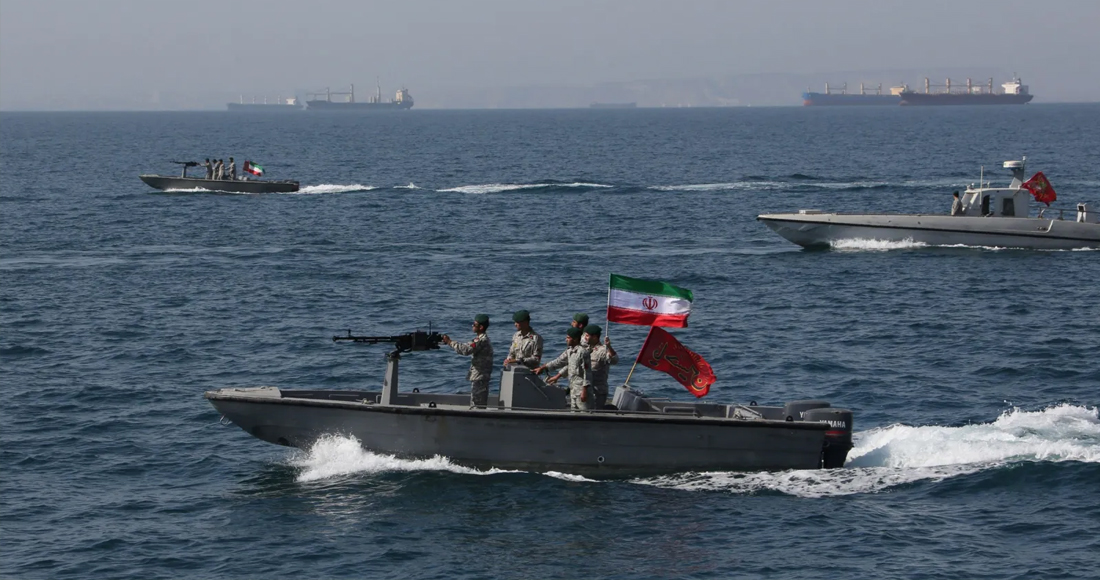
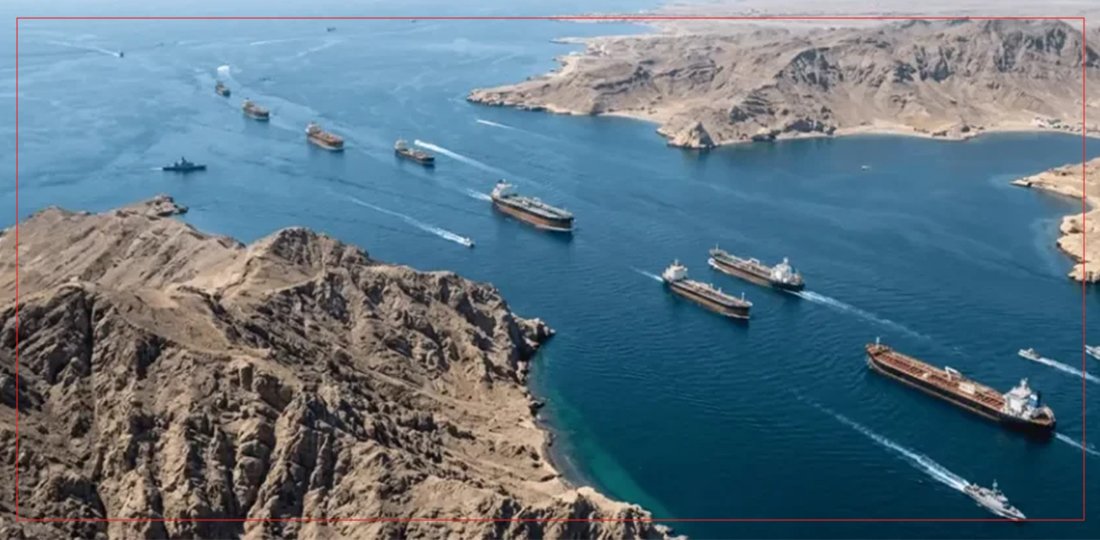
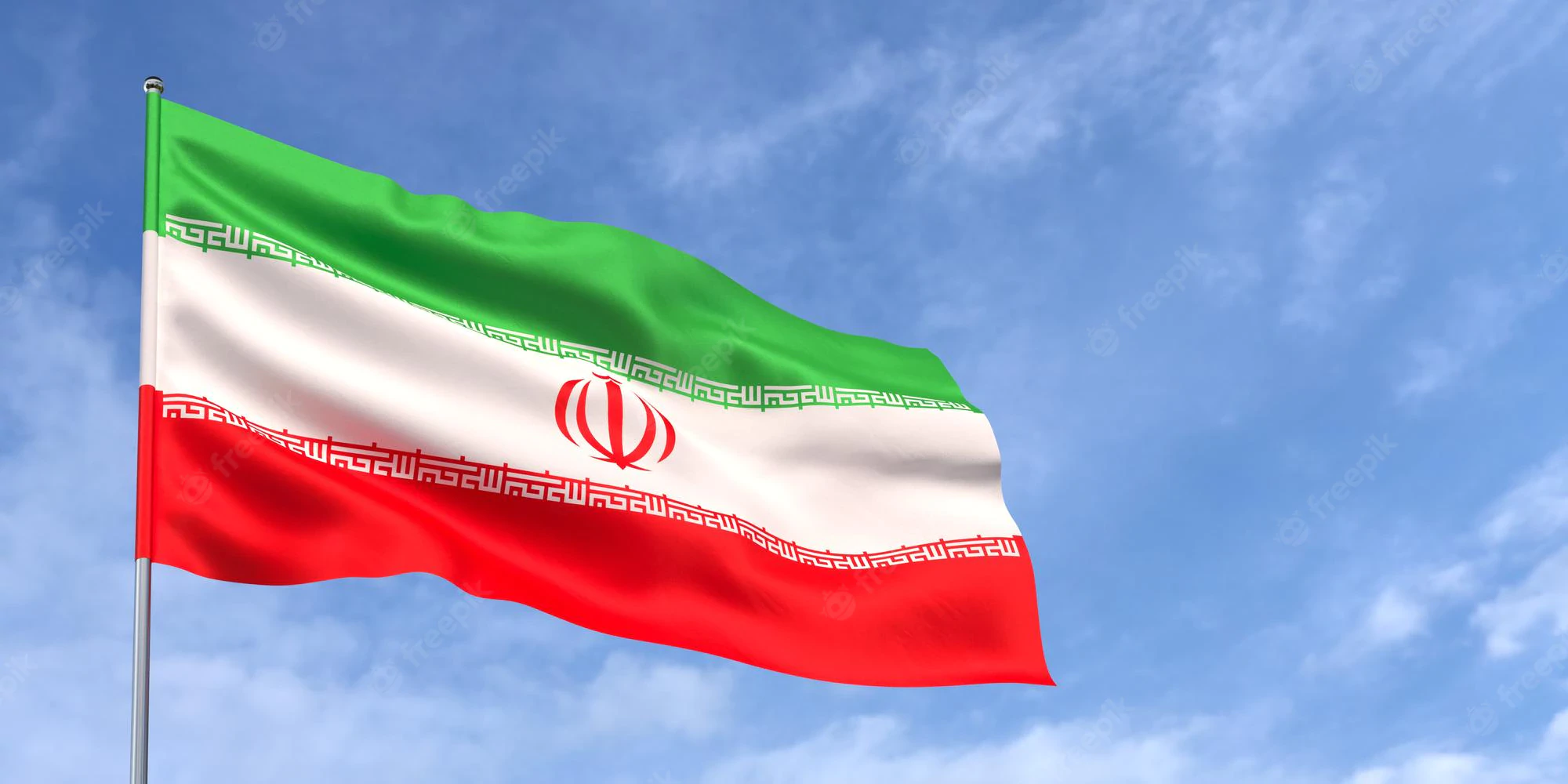
Kathmandu. The seven countries affiliated with the 'OPEC Plus' group, a major oil-producing nation, have decided to slightly increase oil production from June with the aim of maintaining global market stability. The group includes Saudi Arabia, Russia, Algeria, Iraq, Kazakhstan, Kuwait, and Oman. According to a joint decision issued after a virtual meeting on Sunday, these countries have agreed to increase oil production by a total of 188,000 barrels per day. However, this decision is largely seen as symbolic, as the actual supply system has been significantly affected by the ongoing tensions in the Middle East, particularly the disruptions in the Strait of Hormuz. Reports indicate that oil transportation from the Persian Gulf region has been impacted after Iran created obstacles to movement in the strategically important Strait of Hormuz. It is estimated that about 20% of the world's oil and natural gas supply passes through this waterway. It has been stated that millions of barrels of oil have not been able to reach the international market due to the disruptions, creating pressure on the global energy supply. Meanwhile, the 65-year-old oil alliance has seen further changes after the United Arab Emirates decided to leave the OPEC organization. The OPEC group produces about 40% of the world's crude oil and plays a significant role in energy price determination. Iran is one of the 12 member countries of OPEC, while Russia, although not an official member, has been cooperating with the group through the 'OPEC Plus' framework. According to the new decision, participating countries will hold monthly meetings to review market conditions, and another meeting is scheduled for June 7. They have stated that they will continuously review production, market compliance, and necessary adjustments. This decision by OPEC Plus is considered to be an effort to maintain stability in the global energy market amidst the disruptions in the Strait of Hormuz and political tensions in the Middle East.
This specific news has been automatically translated by AI. As a result, there may be some inaccuracies or language errors.