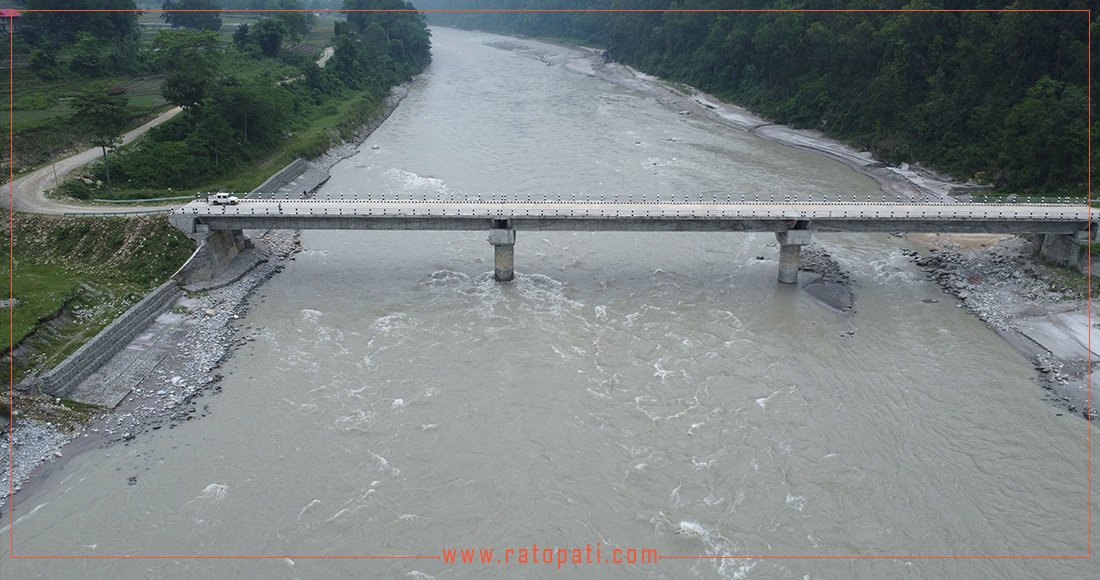
Madesh Province Police Launch Campaign Against Drug Abuse

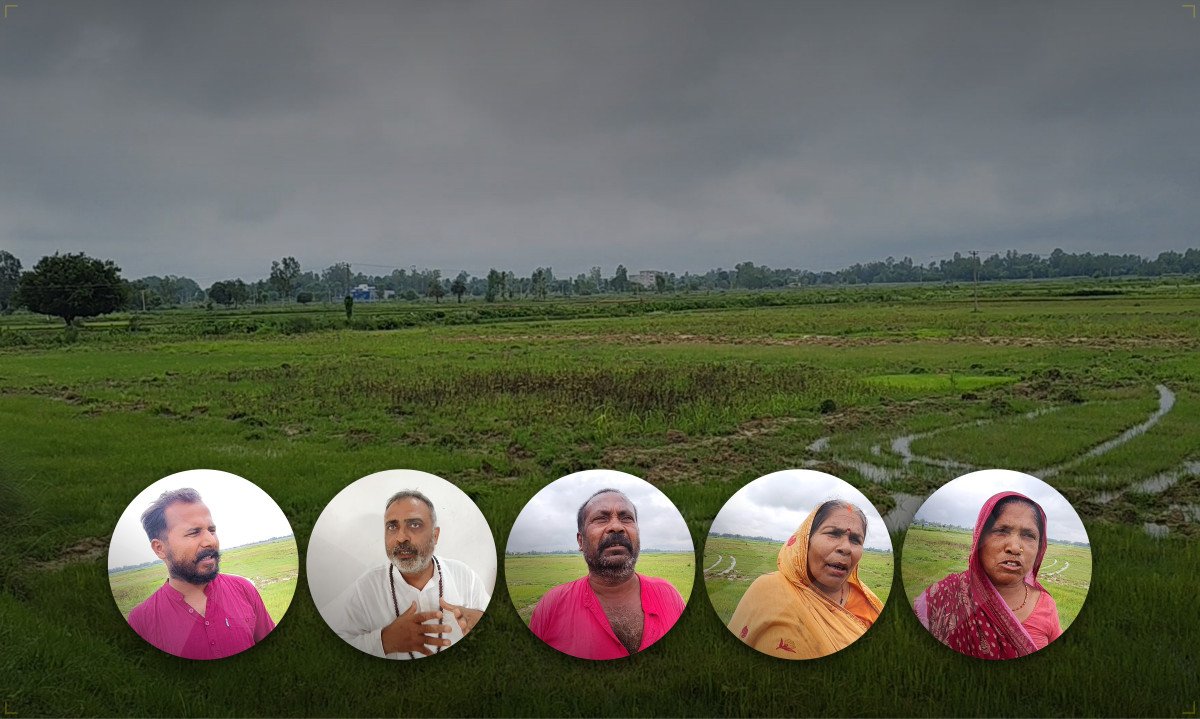
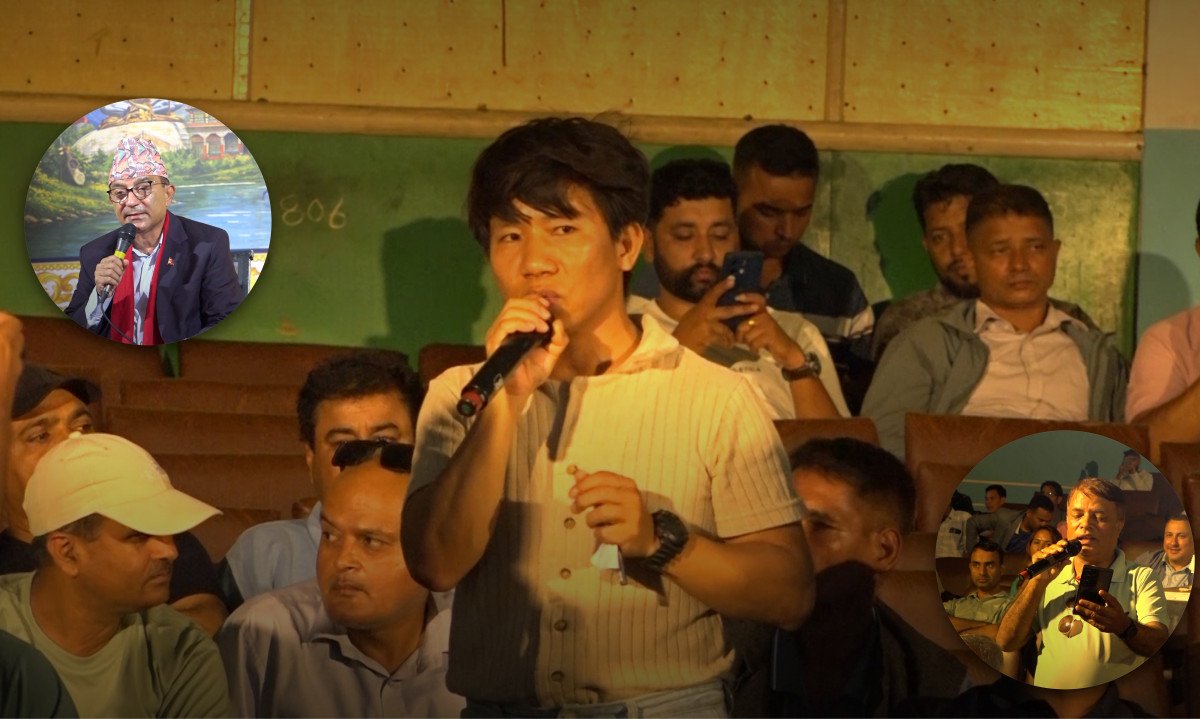
Janakpurdham. Drug abuse has emerged as a serious social problem in Madesh Province for the past few years. The open border with India, in particular, has led to an increase in the inflow of drugs, affecting the younger generation. As youth from villages to cities are falling prey to addiction, families and society are concerned. Keeping this situation in mind, the Madesh Province Police have launched the 'Drug User Identification and Rehabilitation Campaign 2083' with a focus not only on controlling drug abuse but also on the rehabilitation and reintegration of users. According to Kamal Thapa, Information Officer of Madesh Province Police, the main objective of this campaign is not just to arrest and take action against drug users, but also to identify them, facilitate their entry into rehabilitation centers, and reintegrate them into society. Thapa stated that the drug problem is spreading not only as a legal issue but also as a social and mental problem. Provincial Police Chief DIG Govinda Thapaliya has given clear instructions to the police chiefs of all eight districts to make the campaign effective. According to him, controlling drugs is no longer possible through traditional methods alone. Therefore, identification, monitoring, control, and rehabilitation will be pursued together. DIG Thapaliya said, 'Drug control is not just about making arrests; our main goal is also to rehabilitate users and bring them back into society.' The problem of drug abuse is more prevalent in border districts of Madesh Province such as Mahottari, Dhanusha, Sarlahi, Siraha, and Parsa. Police conclude that smuggling is easy in these areas due to the open border with India. Police have found that drugs are being brought in using small entry points and unauthorized routes. According to Superintendent of Police Shailendra Kumar Bhatt of Mahottari, drugs entering from the border directly reach the hands of the youth. He said that adolescents of school and college age are becoming its victims. He stated that the addiction, which starts with peer pressure, unemployment, family problems, and curiosity, gradually turns into a habit. Bhatt said that surveillance has been tightened in coordination with police posts and armed police. He said, 'Preparations are being made to establish drug testing checkpoints at the main entry points, where suspicious individuals will be tested using drug test kits.' Similarly, the work of collecting data of individuals frequently crossing the border has also started. He said that the surveillance system will be further systematized, paying special attention to the activities and movements of young men and women. Deputy Superintendent of Police Ganesh Bahadur Bam of Dhanusha District Police Office said that to control drug smuggling from across the border, information exchange and joint surveillance with Indian security agencies have been increased. According to him, smuggling from the border can only be stopped by strengthening cooperation between the security agencies of both countries. However, locals say that police efforts alone are not enough to control the problem. Rudal Jha of Pipara Rural Municipality-7, Banouli, said, 'There is no money at home to eat, but when my son gets addicted, money is also needed to take him to a rehabilitation center. The government should arrange for free treatment and rehabilitation.' Similarly, Bhuli Devi of Manara Municipality-4, Dhanusha, also said that her son's addiction has put the entire family in crisis. 'One son is already married, there are four people in the family, but addiction has ruined everything,' she said. 'Drugs are easily available due to the open border. Therefore, government efforts for prevention should be effective.' Local levels have also started initiatives to solve the problem. Mohan Pandey, Mayor of Manara Municipality, said that awareness programs are being conducted at the school level. According to him, youth are being informed about the effects of drug abuse through schools, clubs, and organizations. Youth activist Saroj Kumar Mishra said that priority should be given to identifying drug users, taking them to rehabilitation centers, coordinating with families, and rehabilitating them in society. According to him, local levels need to take more responsibility in this regard. According to psychologist Dr. Robin Kumar Jha, multidimensional efforts are necessary to solve the drug problem. He clarified that long-term solutions are not possible through police action alone. He stated that mental health services, rehabilitation centers, family support, and social support are equally necessary. He said, 'This campaign will be effective only if cooperation between the police, local levels, and the community is strengthened.' Meanwhile, Fakira Mahato, Minister of Home, Communication, and Law of the Madesh Province government, said that drug abuse is becoming an increasingly serious problem in Madesh Province day by day. He said that he has already instructed the police administration to tighten security in the border areas and bring drug-addicted youth under the umbrella of protection and rehabilitation. He said, 'The problem of drugs entering due to the open border has become challenging. Security will be tightened at the border to stop this.' He also said that for the youth addicted to drugs, the provincial government will work towards reducing the problem by arranging moral education, awareness programs, and rehabilitation centers.
This specific news has been automatically translated by AI. As a result, there may be some inaccuracies or language errors.


_wNIRIr8xqE.jpg)